


Why does Orthodox Christmas follow the Julian calendar?
Well, some 400 years ago many Orthodox churches decided to follow a 2000-year-old calendar that’s different from what we use today. It means that some 260 million followers – the third largest Christian denomination – hold out until the January date in line with the Julian calendar to celebrate Orthodox Christmas traditions and customs. That calendar pre-dates the Gregorian calendar we know and use today.
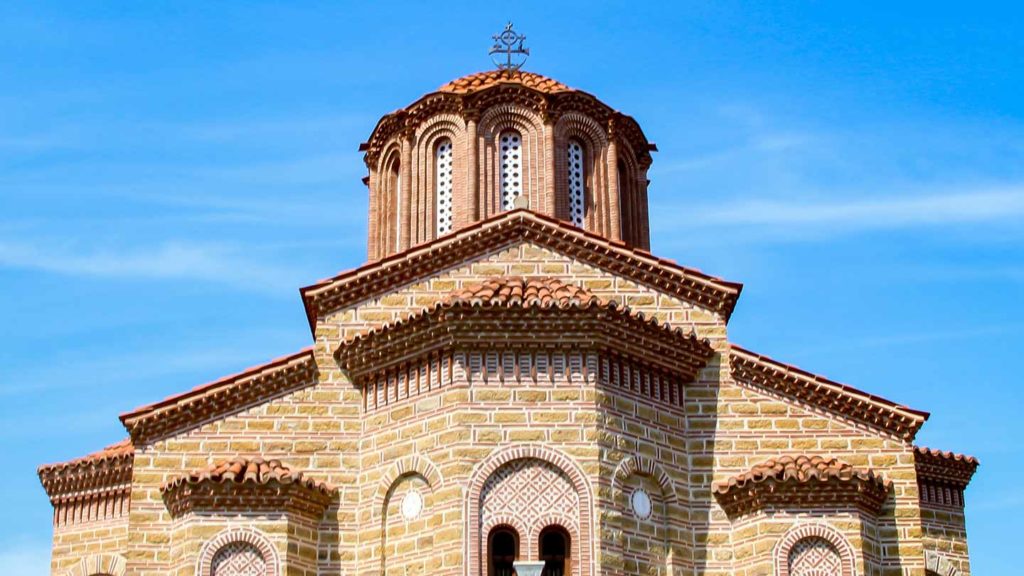
Way back in A.D. 325 a group of Christian bishops met to decide when to recognise the birth of Jesus Christ. They needed a date for Easter, the most important holiday, and so chose to follow the Julian calendar, a solar calendar that Roman leader Julius Caesar adopted in 46 B.C. But the Egyptian astronomer who calculated the Julian year overestimated the length by 11 minutes. It doesn’t sound like much time, but fast forward a few centuries and the date is nearly two weeks out of sync.
In 1582 Pope Gregory XIII decided that Christian holidays had drifted too much so met with astronomers and proposed a new calendar, the Gregorian calendar. It solved these issues and more of the Christian world adopted it, except for the Orthodox church. The Gregorian calendar means there is an occasional overlap of Passover and Easter, something Orthodox Christianity refused to accept.
RELATED ARTICLE: Christmas in Egypt, where everyone’s favourite holiday is celebrated twice
Where do people celebrate Orthodox Christmas?
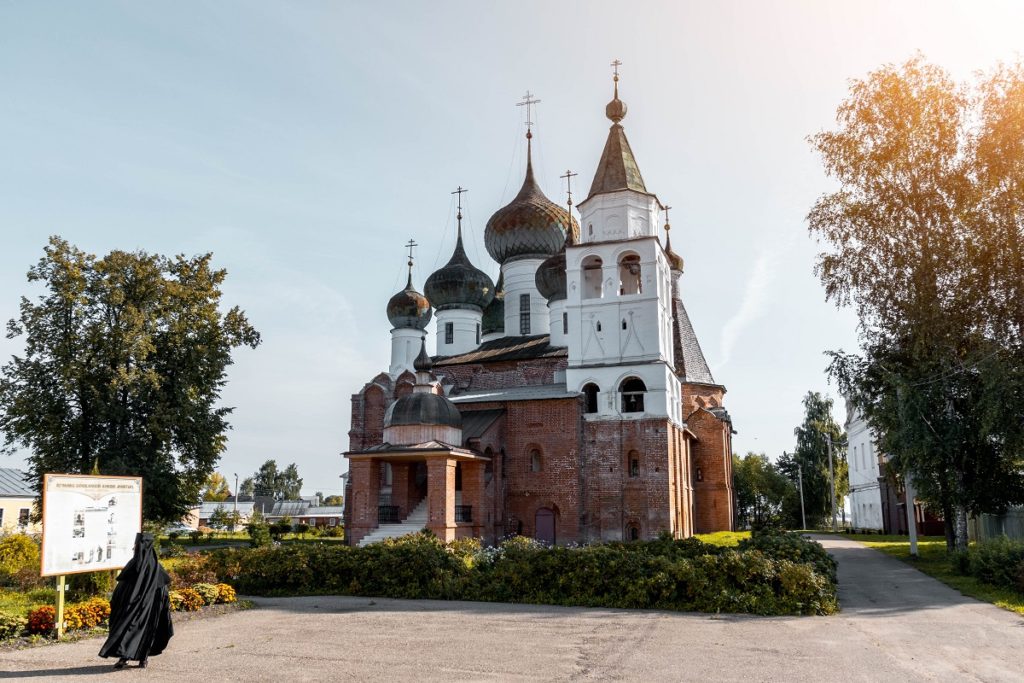
Orthodox Christmas falls on January 7 and some countries celebrate this date with a nation-wide public holiday. They include Belarus, Egypt, Ethiopia, Georgia, Kazakhstan, Macedonia, Moldova, Montenegro, Serbia, Russia and Ukraine. Armenia observes Christmas Day on January 6.
After a meeting of leaders in 1923, most stayed with the Julian calendar but Orthodox Christians in Greece, Cyprus and Romania chose to move the date in line with the Gregorian calendar.
GET INSPIRED BY: Balkan Adventure
Are Orthodox Christmas traditions different?
Orthodox Christmas customs and traditions vary from country to country, but while there are Christmas trees, wreaths and some gifts, it’s not like the commercialised Christmas that we know. The time is more about self reflection, prayer and healing.
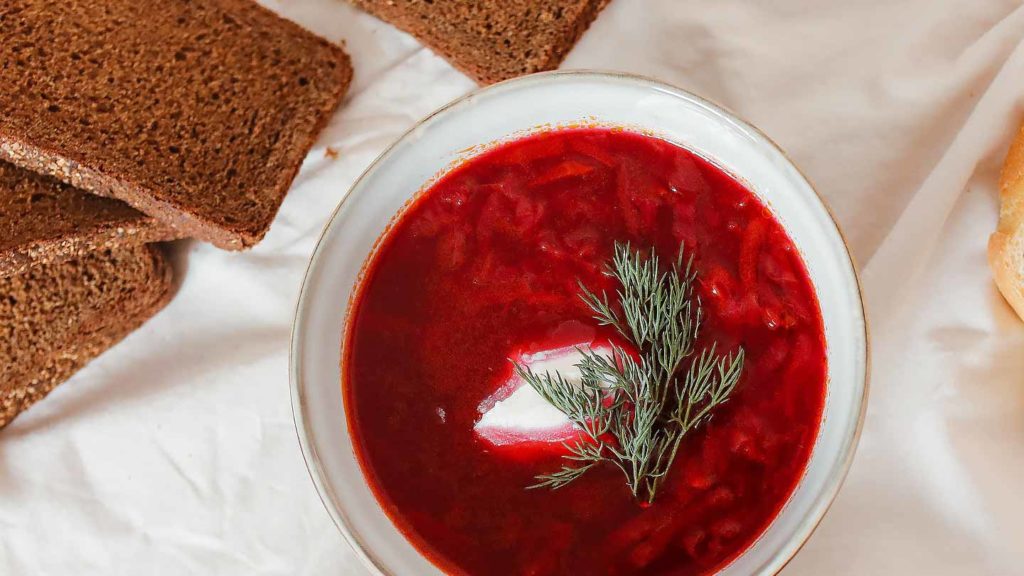
Many Orthodox Christians celebrate over three days. On Orthodox Christmas Eve there is usually a large, long church service in the morning and many choose to fast. Some countries host a Holy Supper on this day, enjoying a 12-course vegetarian meal, meant to remember the 12 disciples. In Russia that means dishes like beet salad, borscht, boiled potatoes with onions, honey and raisins to represent good fortune and piroshki, a traditional sauerkraut dumpling.
The Holy Supper table will likely be set with white linen, representing the cloth baby Jesus was wrapped in. There may be straw too to symbolise the stable where he was born. Candles are lit to represent the end of fasting. Some families set extra places to represent family members no longer with us. The meal begins when the first star appears in the night sky.
In some countries, like Belarus, it’s tradition to stroll neighbourhoods singing carols (or koliadky) and dancing. Neighbours give food as a thank you.
What happens on Orthodox Christmas Day?
On Orthodox Christmas Day it is custom to go to church, then exchange gifts at a huge feast with friends and family, eating plenty of meat and pastries and enjoying each other’s company. For example, in Russia it’s traditional to eat baked goose with apples, while in Egypt they eat stuffed vine leaves and fattah (toasted bread with rice and meat).
There is also an Orthodox Christmas Day custom of walking in procession to a body of water – be that the sea, river or lakes – to bless it. If the water is iced over, they will make holes to reach it.
Do you know about any other Orthodox Christmas traditions? Tell us about them in the comments….
 Pumpkin
Germany has more castles than czech republic. It’s thought that Germany has around 25,000 castles within its borders