



There’s a rich world of Eastern European food to tuck into, so we’ve rounded up the 10 most popular dishes to get your taste buds buzzing. These popular comfort eats, from the sun-soaked Balkans to snowy Siberia, come with a side of history in every bite and will have you hunting out the best smoky cevapi in Sarajevo and tearing into cheesy Georgian bread in Tbilisi. Eastern European food is an adventure on a plate – so let’s dive in!
Pierogi
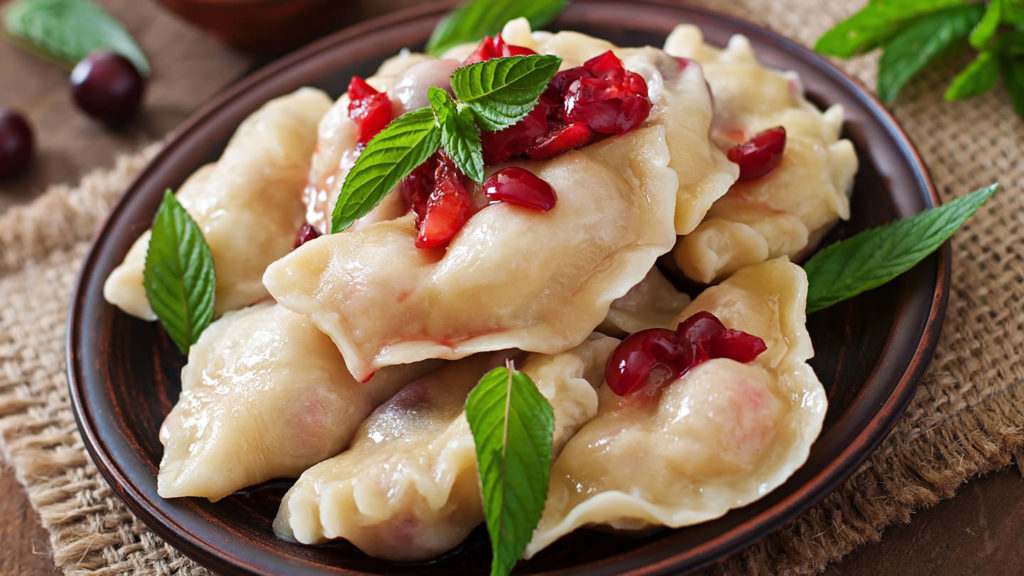
Poland’s own brand of dumplings is its gift to carb lovers everywhere. Legends say pierogi were brought to Poland by Princess Wanda, who wanted a snack that could survive long journeys. Traditionally, they’re stuffed with potatoes, cheese, sauerkraut or mushrooms, though sweet versions with berries or plums are also common now. Boiled or pan-fried until golden, these soft, chewy pockets of flavor are often finished with caramelized onions or a dollop of sour cream. Families fight over who makes the best filling, and you’ll be able to taste them anywhere across Poland.
READ NEXT: 8 natural wonders in Eastern Europe to visit this summer
Borscht
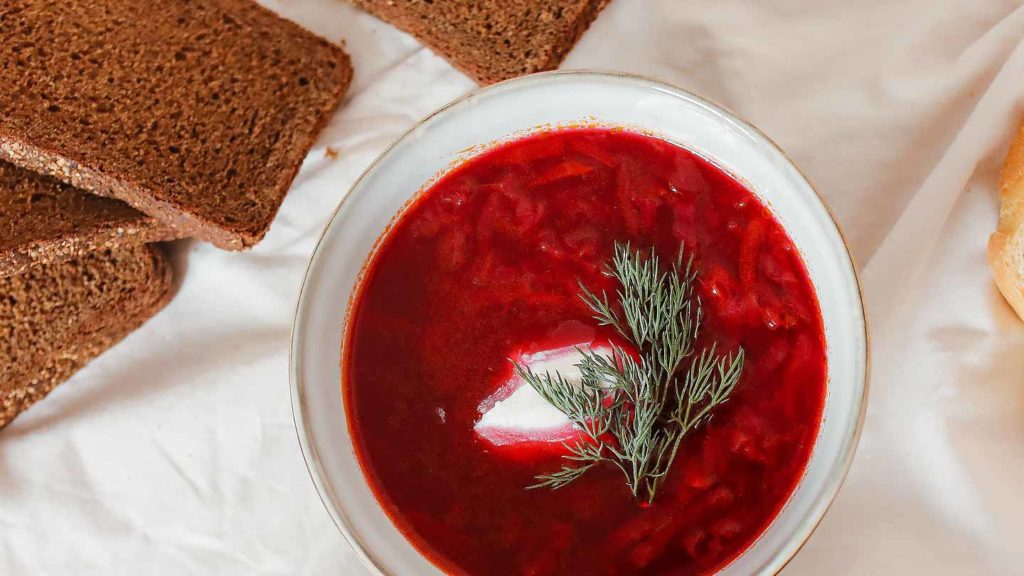
This vibrant beetroot-based soup hails from Ukraine but it has now conquered much of Eastern European cuisine. The dish is often enriched with cabbage, potatoes and a touch of smoked meat, then balanced with a zingy hit of vinegar or lemon and finished with a swirl of sour cream. Expect every spoonful to be earthy, sweet and tangy all at once. Traditionally it is served hot in winter and chilled in summer. Fun fact: Borscht has even starred in folk songs and poetry.
Goulash
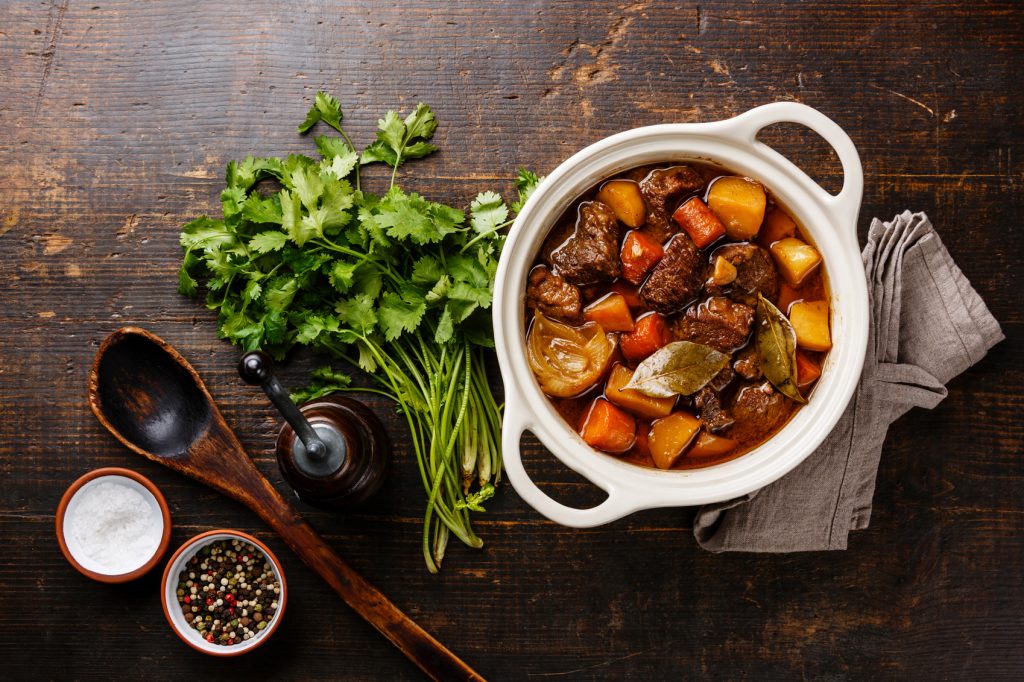
Hungary’s spicy, paprika-packed stew is like Balkan food’s warm hug. Goulash started as a herdsman’s dish, slow-cooked over open fires in the plains, with beef, onions and paprika forming the simple yet magical trifecta. Over centuries, it evolved with potatoes, carrots and even noodles joining the rich and slightly smoky stew. Try it in a Budapest tavern – just ask a local where they like to eat this famous dish (and pray they don’t just say their own mother’s goulash is best!).
READ NEXT: The 5 most spectacular and unusual festivals in Eastern Europe
Ćevapi
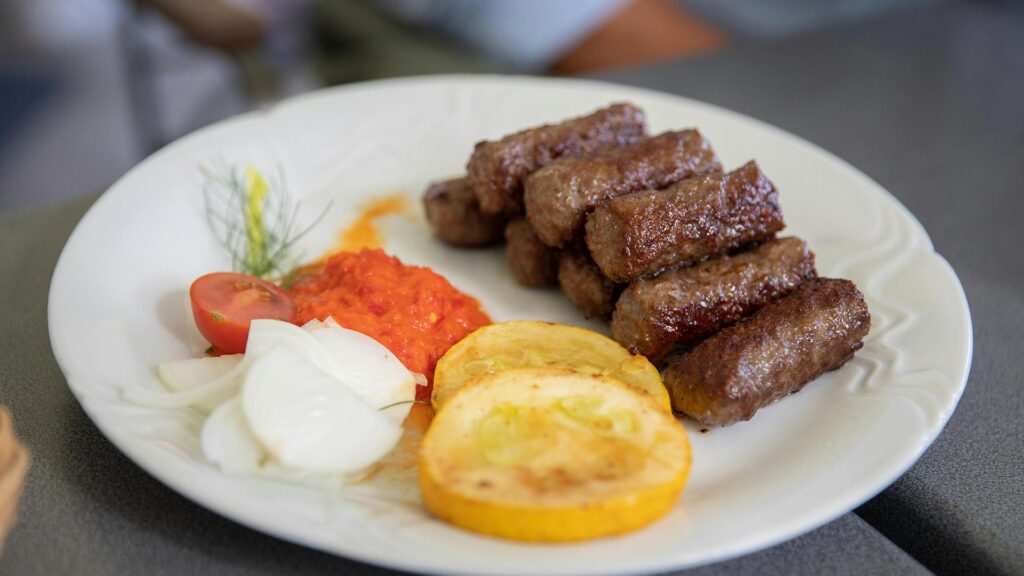
Ćevapi are the Balkan street food everyone loves. Believed to have Ottoman roots, these juicy minced meat rolls –usually a mix of beef, lamb and/or pork – are shaped like small sausages and grilled over flames. For some, it’s the smell of summer in Sarajevo. Čevapi can be found across the Balkans, also called ćevapčići, kebapcheta (Bulgaria), mici/mititei (Romania), qebapë (Albania) and kjebapi (Macedonia). The little meaty rolls are usually served with fluffy flatbread, raw onions and a fiery red pepper paste called ajvar. It’s a messy, addictive street food experience!
READ NEXT: Escape the crowds this summer at these secret beaches in Eastern Europe
Sarmale
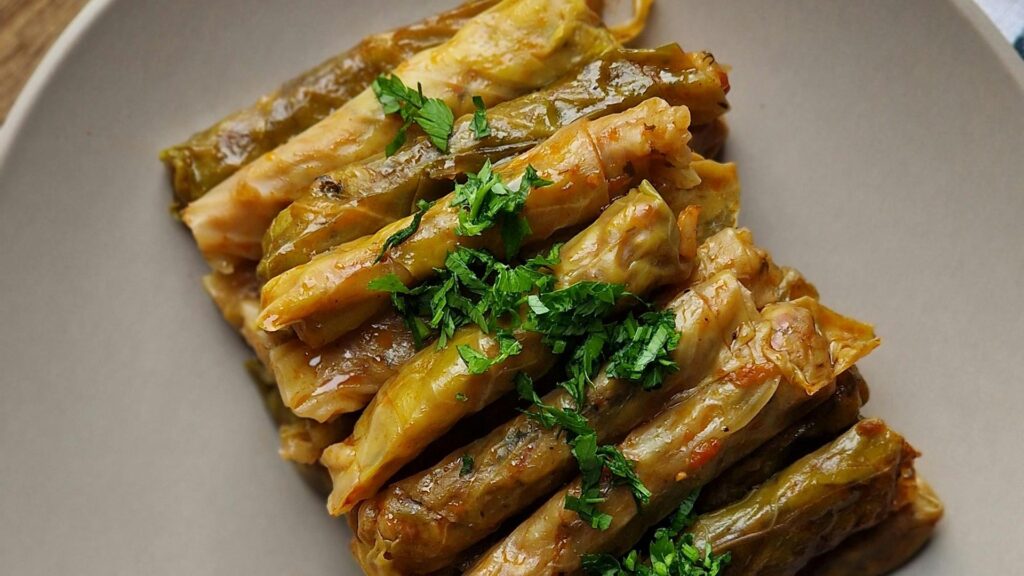
Meet Romania’s sarmale: rolled up cabbage leaves are stuffed with a mix of pork, rice and herbs that get simmered in tomato sauce for hours until they become super tender. It’s said sarmale was a peasant dish that was so delicious it became royal fare, proving that patience and simplicity can create magic in the kitchen. A good sarmale is at once savory, slightly sweet and herby, and the cabbage leaf should melt in your mouth. It’s a dish often served during holidays and family gatherings, eaten with polenta on the side and a dollop of sour cream.
Pelmeni
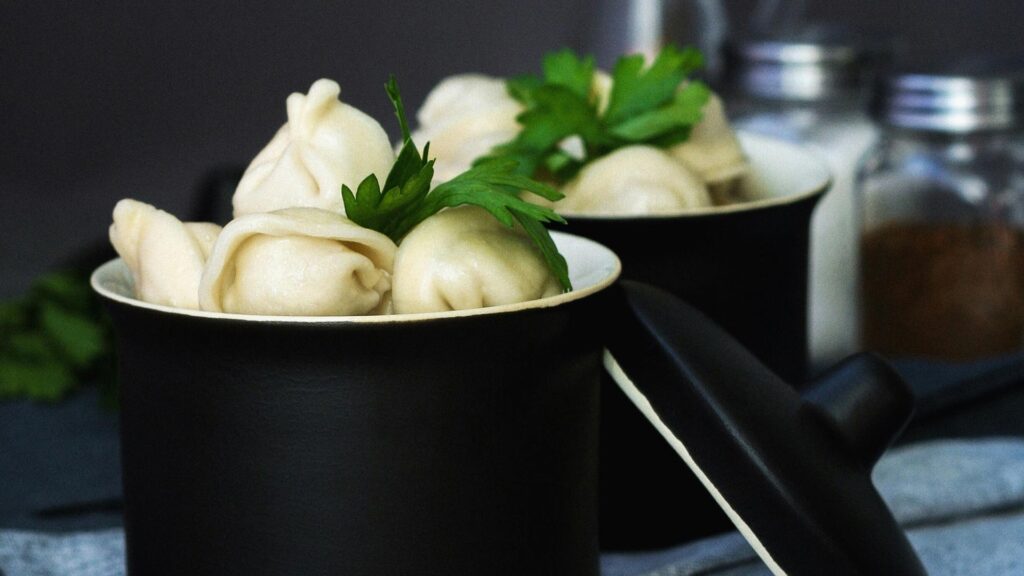
Siberia’s frosty regions gave birth to pelmeni, a hearty dumpling traditionally filled with minced meat – beef, pork or lamb – spiced lightly and wrapped in a thin dough. Pelmeni are boiled or sometimes fried. The story goes that hunters would freeze them outside to preserve them, then pop them straight into boiling water when hunger struck. Today, they’re a delicious comfort food found across Russia, often served with butter, sour cream or vinegar.
READ NEXT: Why a trip to Central and Eastern Europe feels like you’re stepping back in time
Bigos
Bigos, or “hunter’s stew,” is Poland’s answer to winter hunger. This hearty traditional Balkan dish combines sauerkraut, fresh cabbage, and a mix of pork, sausage and sometimes even game meats. All that is simmered in a pot for hours until the deep, rich flavors are unleashed. Spices, mushrooms and prunes add layers of sweet, sour and smoky. Time is important, and bigos is said to taste better the next day (or week!). Bigos is food that warms from the inside out.
Khachapuri
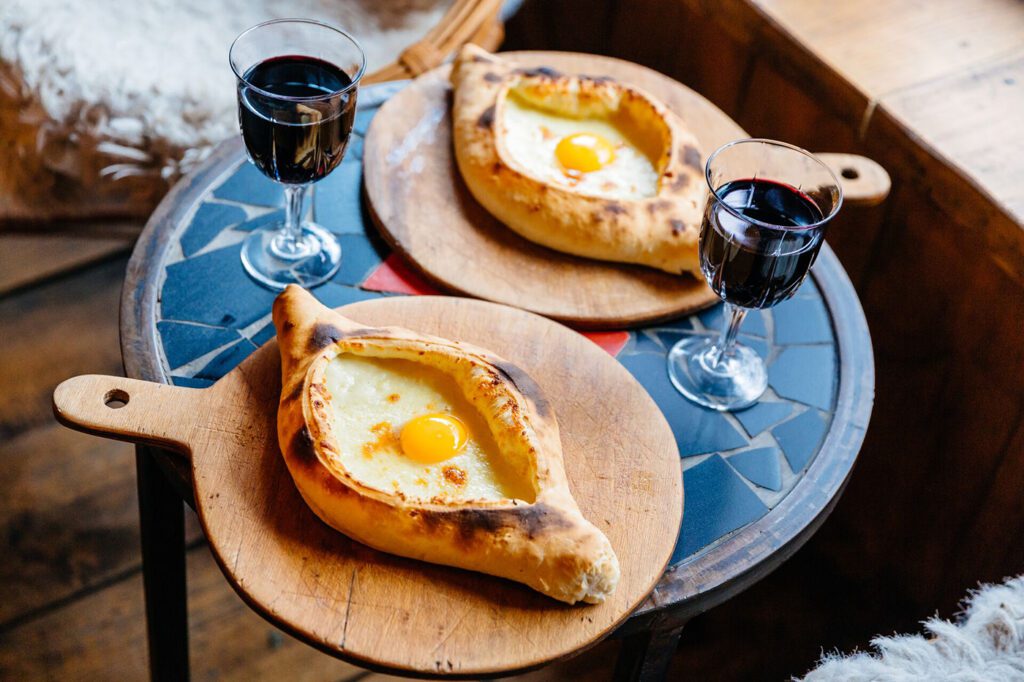
Georgia’s boat-shaped cheesy bread is as indulgent as it looks. The dough is stuffed (and sometimes topped) with melted cheese, butter and eggs, creating a gooey, pull-apart experience. Each region in Georgia has its own version, from Imeruli’s simple circle to Adjaruli’s decadent cheesy boat. It’s a dish that celebrates abundance, so no Georgian feast is complete without it. A good khachapuri should be crispy on the outside, molten on the inside. Watch the locals tear it apart with their hands, then mix and dip the bread into the molten insides.
READ NEXT: 11 incredible icons you’ve never heard of (but should have) in Eastern Europe
Pljeskavica
The Balkans’ answer to the burger is pljeskavica, a flat, grilled patty made from beef, lamb or pork plus herbs and spices. Its origins are Serbian, and you’ll find it served in a bun, with onions, ajvar or kajmak (a creamy fresh cheese). Look for it at street food stalls at markets or at barbecues.
Varenyky
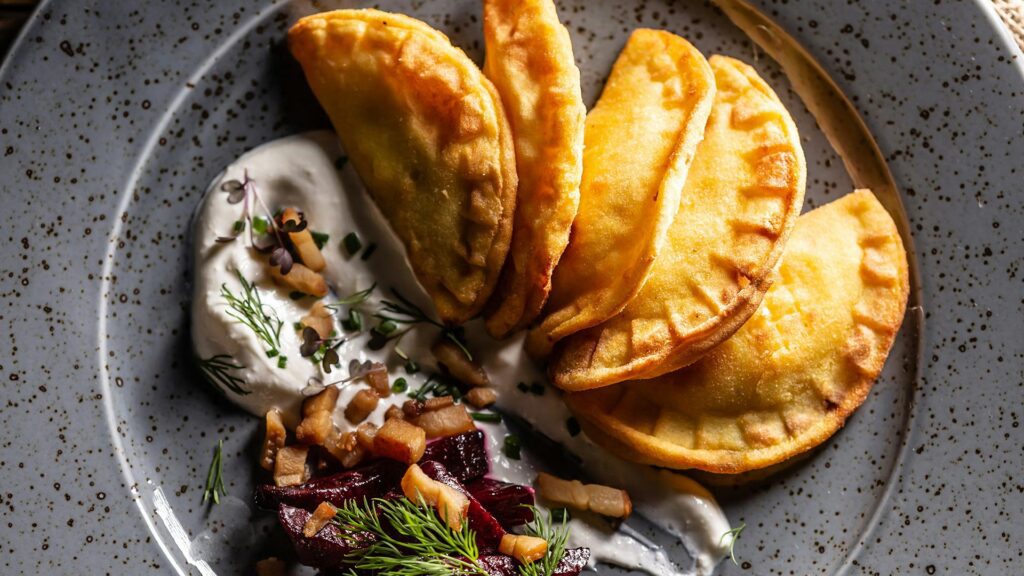
Varenyky are pierogi’s Ukrainian cousins. Traditionally filled with potatoes, cheese, cherries or cabbage, these doughy dumplings can be sweet or savory, and are boiled and served with butter, onions or sour cream. It’s said monks first created varenyky as a “pocket of heaven” to feed the hungry, and today they remain a Ukrainian festival staple, especially at holidays. Varenyky are often a family affair, with everyone gathered to roll, fill and pinch the little dumplings.
READ NEXT: What to pack for a city trip to Eastern Europe
FAQs about Eastern European food
What are some favourite Eastern European recipes?
Where to begin with Eastern Europe’s favourite recipes? Lots of dishes are built for sharing and can be fun to make together. Think pierogi stuffed with potatoes and cheese, folded by hand at the kitchen table. Or there are stews – like goulash simmered low and slow with paprika, or vibrant borscht – that make a home smell amazing. Cabbage rolls like sarmale or sarma take time, so save those for a weekend cooking project.
What Eastern European foods are must-eat dishes?
Anything that’s a carb is always a must, so Pillowy dumplings like pierogi and varenyky are a must-try and Georgia’s khachapuri is comforting, cheesey heaven. For the experience, Borscht is a must – try it hot or cold. Meat lovers have to taste locally made ćevapi and pljeskavica. Basically – whatever country you’re in, look for th emost famous dishes.
What food is from Eastern Europe?
Eastern European food is built on ingredients that survive cold winters and long journeys – think cabbage, potatoes, beets, grains, dairy and meat. You’ll find dumplings in endless forms and hearty soups and stews that double as meals. These dishes cross borders and reflect centuries of migration, trade and home cooking in the east.
Have we missed your favourite Eastern European food? Let us know which dish we should add in the comments…