



Traveling to Europe in 2026 brings up a lot of acronyms and plenty of questions: namely, “what is ETIAS, EES or ETA?”
To help ensure you don’t get mixed up and find yourself caught out at the airport we’ve decoded some of the most important information that you need to know before taking your next trip to Europe.

What is ETIAS?
ETIAS is the European Travel Information and Authorisation System, a new travel requirement for travelers who are visa-exempt but still want to visit European countries within the Schengen Area.
The ETIAS will become operational six months after the EES is in place (more on EES below). Currently ETIAS is set to start operations in the last quarter of 2026, but exact dates will be released later in the year (stay tuned for updates). While there’s nothing mandatory for you to do just yet, you can apply for ETIAS here so you’re prepared when it becomes official.
After launch there will be a six-month transitional period during which travelers are encouraged to apply for ETIAS authorization. During this time, if you meet all other entry conditions, you won’t be refused entry solely for not having an ETIAS.
Who does ETIAS affect?
If you previously entered Europe without a visa, you will now need to apply for ETIAS. ETIAS affects travelers from the 60+ visa-exempt countries including the US, UK, Canada, Australia and Japan. Find the full list of ETIAS-eligible countries here.
A valid ETIAS visa waiver lasts for three years, covering travel for short-term stays of up to 90 days within a 180-day period.
Travelers who are already in Europe under another type of visa, or those with a valid passport or citizenship in a country using the ETIAS system are exempt.
What is EES?
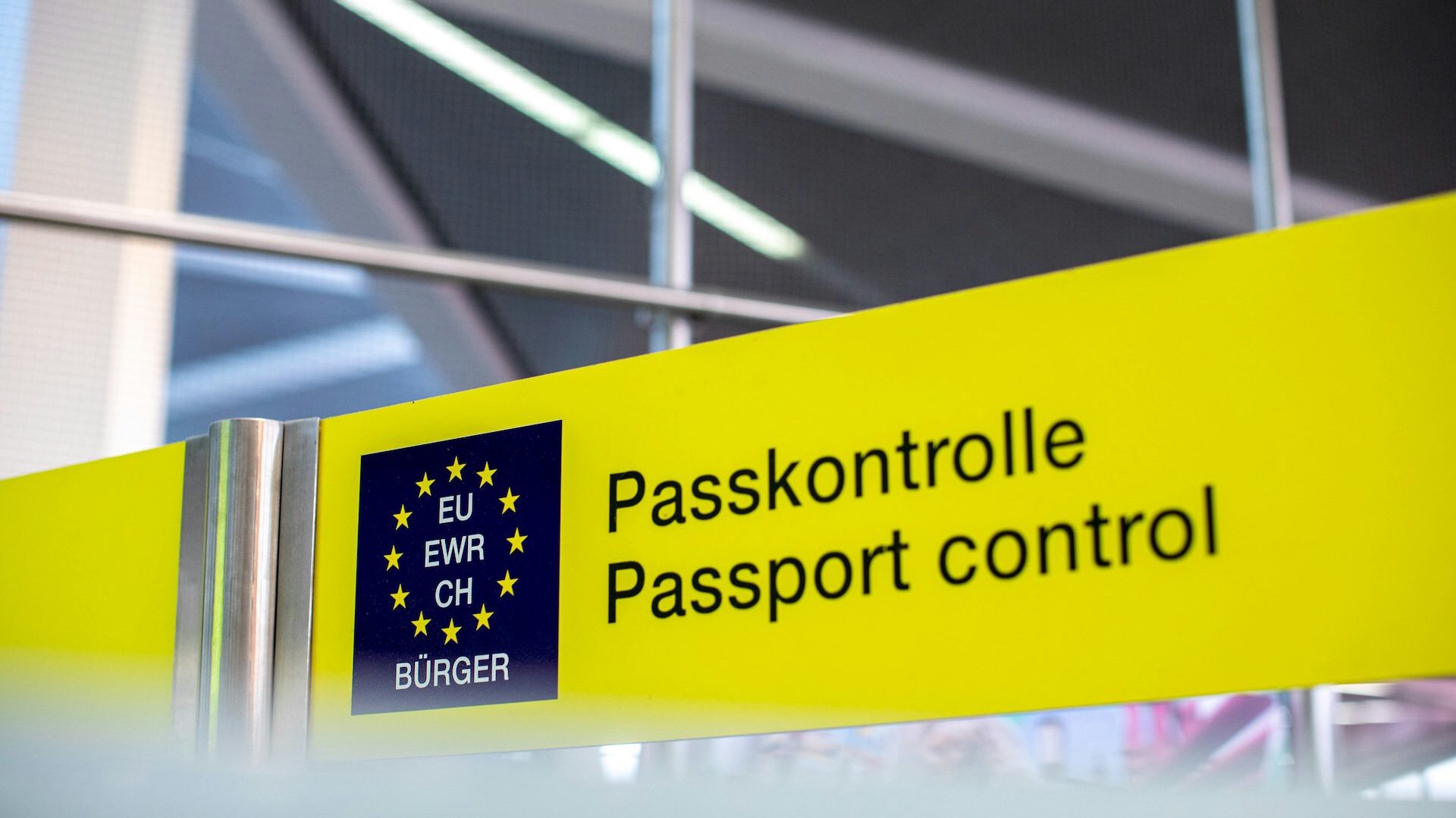
EES is the EU’s new Entry/Exit System, which began operations in October 2025. The electronic system will replace the manual stamping of passports on arrival to EU countries.
Your entry and exit dates will be logged electronically, as the EU aims to speed up border checks and more accurately track the number of visitors moving in and out of the EU.
The first time you enter the EU once EES is in place you’ll need to register at a self-service kiosk in the arrivals area of your destination airport, where you’ll be asked to provide your biometric data (fingerprint and facial image) and other basic information. Once you’ve completed this step you’ll be able to cross the border as normal, and future trips to or from the EU will be quicker and smoother.
After you’ve registered on your first visit, you’ll only need to scan your passport and provide either biometric data or a photograph to enter or exit the EU for the next three years, or until your passport expires (whichever is sooner).
The EES will be deployed gradually across the external borders of the 29 participating European countries over a six-month period. Different elements of the EES system are being implemented in phases, such as the collection of biometric data, with full implementation by 10 April 2026.
Who does EES affect?
EES applies to UK and non-EU nationals (any travelers not holding the nationality of any European Union country or the nationality of Iceland, Liechtenstein, Norway or Switzerland) who are entering or exiting the EU. British passport holders with EU residency or Irish passport holders are exempt from EES – find the full list of EES exemptions here.
It will apply to those traveling for a short stay on vacations or business trips. In most cases, the EES checks will take place in Europe – when you arrive at your destination airport or port, and when you leave at the end of your trip.
You will need to have a biometric passport to use to self service systems for EES. If you don’t, you will not be refused entry – you may just have to wait longer.
Unless you have European residency or a suitable visa, you can only spend 90 days in any 180-day period in the EU.

What is ETA?
ETA is an electronic travel authorisation that gives you permission to travel to the UK for tourism, visiting family or certain other reasons for up to 6 months. ETA must be applied for and granted before traveling to the UK, and your airline may check that you have a valid ETA before allowing you to travel.
ETA is not a visa. ETA is for short stays and visa-exempt visitors, while a visa is still required for longer stays and specific activities like studies, work or extended business.
The purpose of ETA is to enable authorities to pre-screen visitors for improved national security and smoother travel experiences (much like the US Electronic System for Travel Authorization (ESTA)).
ETA is valid for two years once approved, or until the expiry of your passport used in the ETA application (whichever is sooner). You can make multiple trips to the UK during the validity of your ETA.
Who does ETA affect?
If you’re allowed to travel to the UK as a visitor without having to apply for a Visitor Visa, you’ll need an ETA. This includes nationals from Europe, the US, Australia or Canada (as well as other countries). Check if you can apply for an ETA here.
If you have a British or Irish passport, or permission to live, work or study in the UK, you do not need an ETA.
Nationals from countries on the visa national list will have continue to apply for a ‘Standard Visitor Visa’. This will need to be done in advance of traveling to the UK, and you will not need to apply for an ETA alongside it.
No more wondering what is ETIAS, EES or ETA – book your trip to Europe with Trafalgar to have everything else on your trip taken care of.