



Something beautiful that visitors to Italy often notice is seasonality – the way the locals ebb and flow with what naturally grows from month to month. And spring is an exciting time, after the cool-climate vegetables of winter, spring produce arrives with fistfuls of young asparagus and glossy artichokes.
Italian spring recipes are greener and lighter than much of the rest of the year, leaning into the natural sweetness nature provides and showing a real respect for ingredients. Often all that’s needed for these more traditional Italian spring recipes is a drizzle of the best olive oil you can buy, quality dried pasta and whatever is at the peak of its season that week.
Let’s explore some classic Italian spring recipes that show off the season.
What are the best recipes for spring? Vegetables in season in Italy
Spring cooking in Italy starts at the market. As the weather softens, farmers start to appears with new season produce – vegetables and greens that thrive in a little sunshine and increasing warmth. The locals will be guided by what’s freshly harvested rather than what’s written in a cookbook. Since it’s about respect for the ingredient, often the dish will hero a vegetable that appears for just a few weeks.
If a dish tastes like spring in Italy, it’s almost certainly built around some of these ingredients:
- Artichokes
- Asparagus
- Fava beans
- Fresh peas
- Spring onions
- Wild greens
- Lettuce and tender herbs
READ NEXT: Italian Cuisine Is Officially the Best In the World
8 must-try classic Italian spring recipes
Carciofi alla Romana (Roman-Style Artichokes)
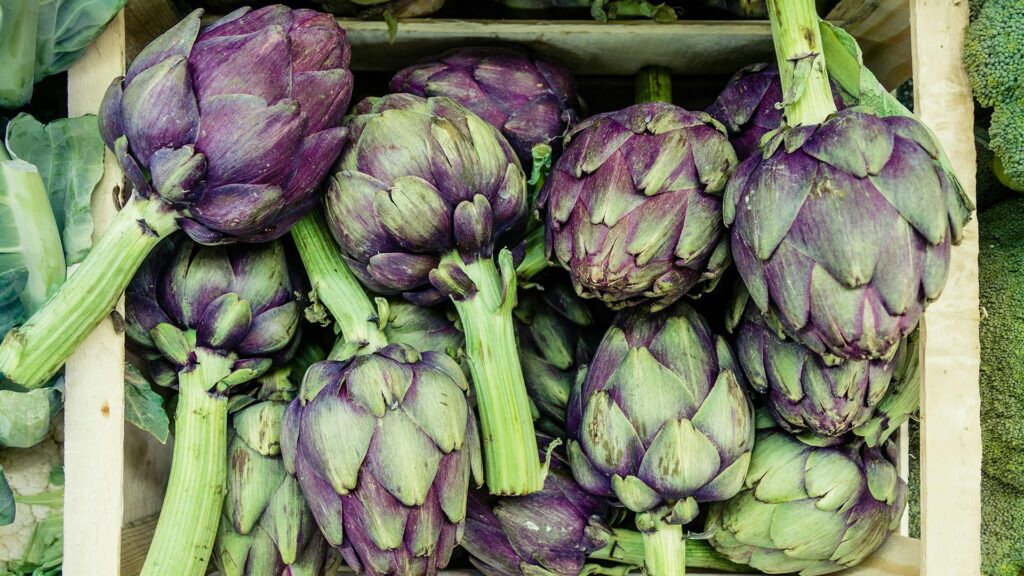
Carciofi alla Romana is one of Rome’s long standing spring dishes. This city has a serious love affair with artichokes, which usually come from nearby Ladispoli. Whole Romanesco artichokes are trimmed, opened like flowers and slowly braised stem-up in a pan with generous olive oil, garlic and a fragrant mix of fresh mint (mentuccia) and parsley. As they cook, the artichokes become super tender.
This dish is only possible during the brief artichoke season, making it all the more special.
Ingredients
- 4 large Romanesco artichokes
- 3-4 tbsp olive oil
- 2 garlic cloves, peeled
- Small bunch fresh parsley, finely chopped
- Small bunch fresh mint (ideally mentuccia variety, if available), finely chopped
- 1 lemon
- Salt and black pepper
- Water or dry white wine (optional)
Method
Trim the artichokes, removing tough outer leaves and shortening the stems. Rub with lemon to prevent browning. Gently open the leaves and season inside with salt, pepper, garlic and the chopped herbs. Place the artichokes stem-up in a snug pan, drizzle generously with olive oil and add a splash of water or wine. Cover and leave to braise gently for 30-40 minutes, until tender. Serve warm or at room temperature with pan juices spooned over the top.
Risotto agli Asparagi (Spring asparagus risotto)
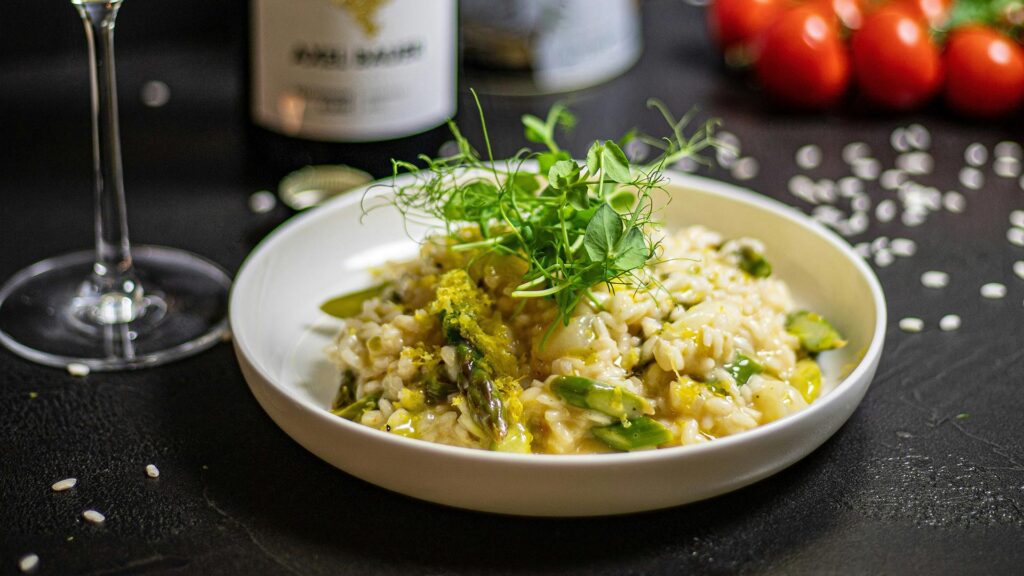
Risotto is most popular in northern Italy, particularly in Lombardy and Veneto, where rice fields and asparagus farms share the same flat, fertile landscapes. This dish appears as soon as asparagus season begins. Locals get excited for the fresh, grassy flavor and delicate bitterness that asparagus adds to the dish.
Like other Italian risottos, this dish relies on technique – you want to coax the creaminess from the rice and stock rather than add cream.
Ingredients
- 300g asparagus
- 250g risotto rice (Carnaroli or Arborio)
- 1 small onion or shallot, finely chopped
- 2 tbsp olive oil
- 1 tbsp butter (optional but traditional)
- 1 liter hot vegetable stock
- 50g Parmigiano Reggiano, finely grated
- Salt and black pepper
- Lemon zest (optional)
Method
Trim the asparagus and cut into small pieces, keeping the tips separate. Gently sauté the onion in olive oil until soft, then add the rice and toast briefly. Add the asparagus stalks and begin adding hot stock, a ladle at a time, stirring regularly. Halfway through cooking, add the asparagus tips. Continue until the rice is creamy and just tender. Finish off the heat with butter and Parmigiano, season well, and add a little lemon zest if desired. Rest briefly before serving.
READ NEXT: Northern vs Southern Italian food: What’s the difference?
Pasta Primavera (Italian-style, not the American version)
Pasta primavera in Italy isn’t a fixed recipe but a seasonal idea. This recipe is just pasta dressed with whatever vegetables spring happens to offer that week.
Long before the name appeared on menus abroad, Italian cooks were tossing asparagus, peas and tender greens through pasta with olive oil or a light sauce. The emphasis is always on freshness, letting vegetables stay bright and lightly cooked. We’ve included some suggested vegetables in our recipe, but work with what you can find locally.
Ingredients
- 400g dried pasta (penne, fusilli or spaghetti)
- 1 bunch asparagus
- 150g fresh peas
- 1 small courgette
- 2 garlic cloves
- 4 tbsp olive oil
- Parmigiano Reggiano, grated
- Salt and black pepper
- Fresh herbs (basil or parsley)
Method
It’s a quick recipe! Boil the pasta in well-salted water. Meanwhile, sauté garlic gently in olive oil, then add sliced vegetables and cook until just tender. Drain the pasta and reserve some pasta water. Toss the pasta with the vegetables, herbs and a splash of pasta water. Finish with Parmigiano cheese and season.
Caprese Salad (Insalata Caprese)
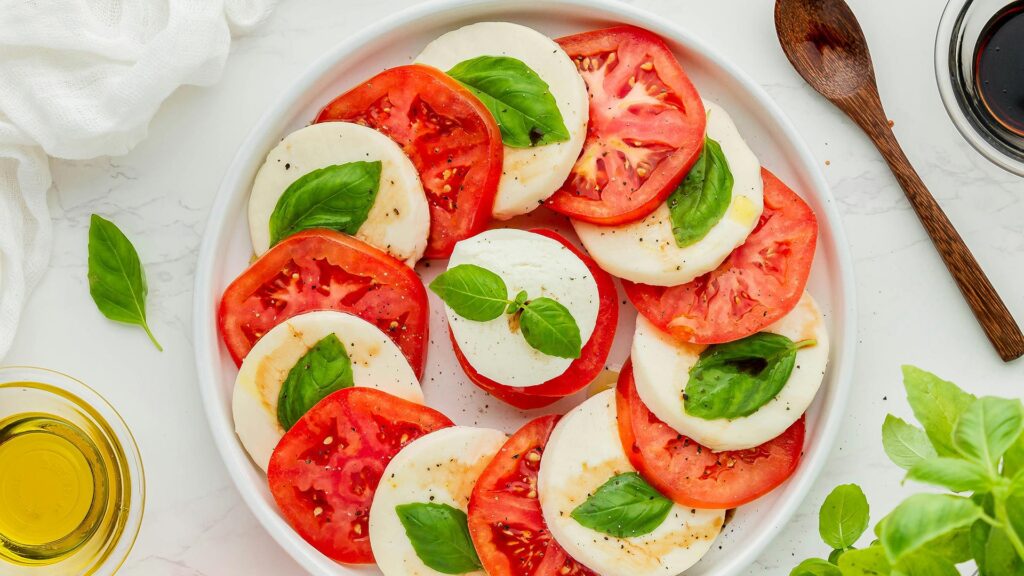
As the name hints, the Insalata Caprese comes from the island of Capri. Traditionally made with just tomatoes, mozzarella and olive oil, it reflects southern Italy’s belief in few but high quality ingredients.
While often associated with summer, early spring versions appear as soon as young tomatoes and fresh herbs are available.
Ingredients
- Ripe tomatoes
- Fresh mozzarella
- Extra virgin olive oil
- Fresh basil leaves
- Salt
Method
Slice the tomatoes and mozzarella and arrange on a plate. Season lightly with salt, scatter over basil leaves and finish with generous olive oil. Serve immediately, at room temperature. Simple!
Focaccia Primavera (Spring vegetable focaccia)
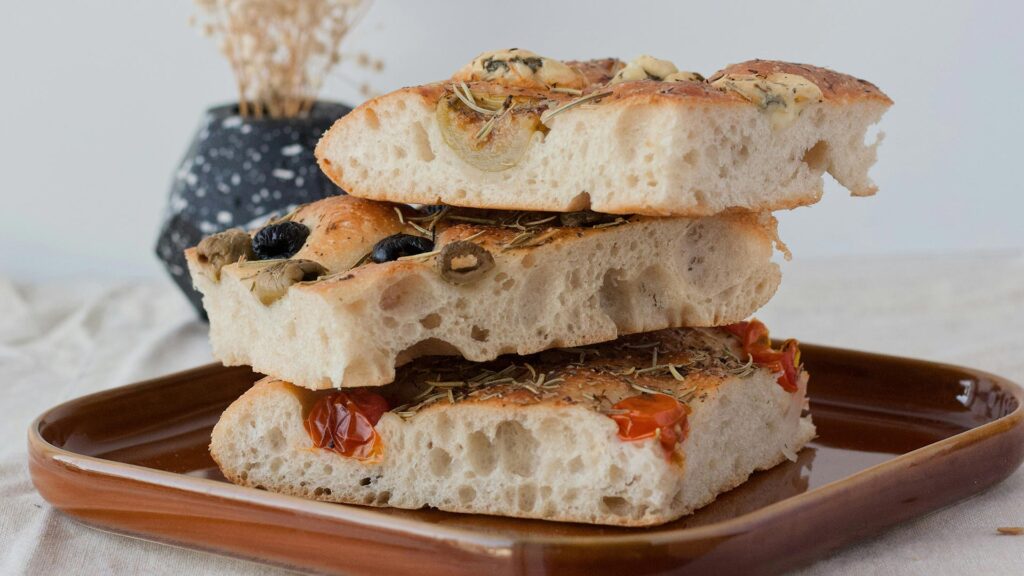
Focaccia has been baked along Italy’s coastlines for centuries, particularly in Liguria where it’s eaten at all hours of the day. In spring, bakeries often top focaccia with seasonal vegetables – think onions, asparagus or tender greens.
This version leans into that tradition, combining soft, olive-oil-rich dough with vegetables that roast gently into the surface as it bakes. If you’ve always wanted to try baking focaccia, why not try it this Italin recipe in spring?
Ingredients
- 500g strong bread flour
- 7g dried yeast
- 300ml warm water
- 4 tbsp olive oil
- 1 tsp salt
- Spring vegetables (onions, asparagus, herbs)
- Coarse sea salt
Method
Mix flour, yeast and water into a soft dough, then knead in olive oil and salt. Leave to rise until the dough doubles. Focaccia dough takes at least 3 hours to rise, and slower ferment overnight – specifically in the fridge – will create a tastier, airy bread. Once the dough is ready, press it into an oiled baking tray tray, dimple the surface with your fingers, add vegetables and drizzle with more olive oil. Sprinkle with sea salt and bake until golden.
READ NEXT: Best Time to Visit Italy
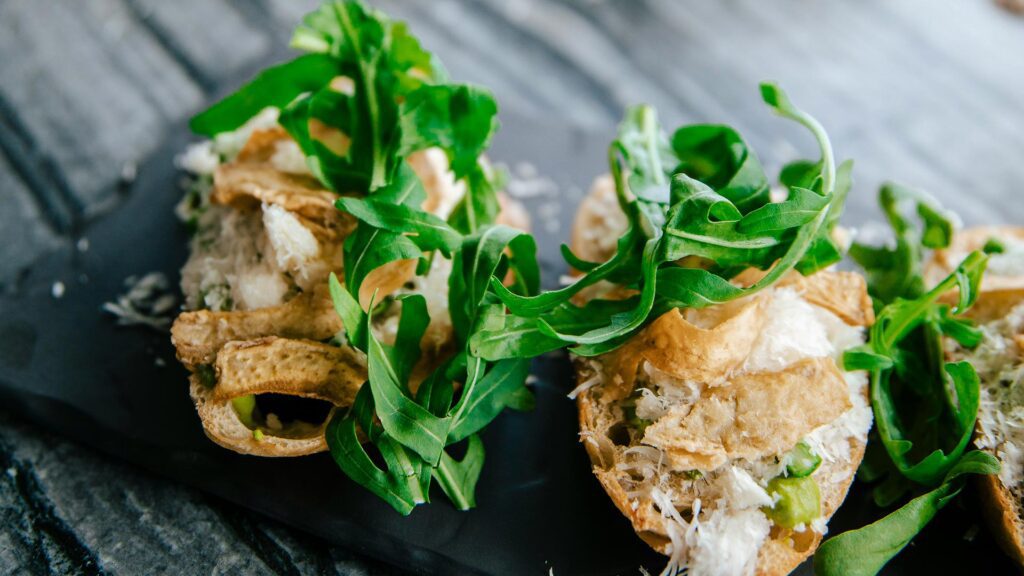
Bruschetta with spring vegetables
Bruschetta began as a way to use up bread and showcase new-season olive oil. While you’ll likely know the dish as toast topped with a diced tomato salad, in truth anything can become a bruschetta.
In spring, use vegetables like artichokes, asparagus and fava beans for a fast lunch or easy appetizer. It’s a good way to use leftover vegetables!
Ingredients
- Rustic bread slices
- 1 garlic clove
- Olive oil
- Spring vegetables (such as asparagus, artichokes, fava beans), marinated, cooked or ready-to-eat
- Salt and black pepper
Method
Grill or toast your bread until crisp. Rub the toast lightly with a peeled garlic clove and drizzle with olive oil. Top toast with your lightly cooked or marinated vegetables, season and serve immediately.
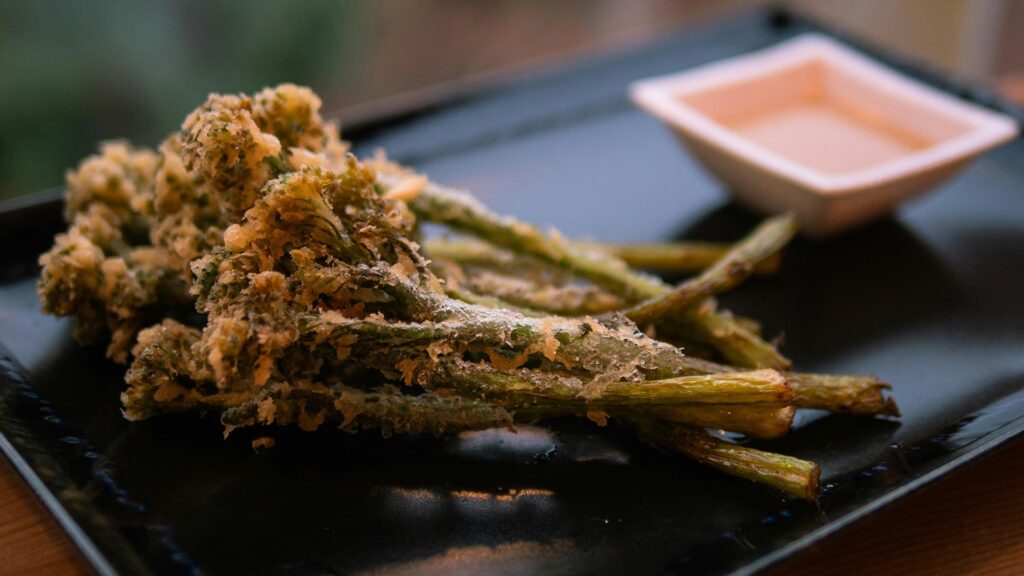
Pezzetti Fritti (mixed fried spring vegetables)
Pezzetti Fritti is a traditional way of celebrating spring vegetables across central and southern Italy, especially during festivals and family gatherings. The name simply means “little fried pieces” and vegetables are chosen based on availability.
A traditional Roman batter is thick but more modern versions – like ours – use a lighter, crispier batter made with sparkling water.
Ingredients
- Spring vegetables (artichokes, courgette flowers, asparagus)
- Plain flour
- Cold sparkling water
- Olive oil or vegetable oil, for frying
- Salt
Method
Slice vegetables into bite-sized pieces. Make a light batter with flour and sparkling water (for 250g of flour, use around two cups of sparkling water). Dip vegetables into the batter and fry in hot oil until crisp and pale golden. Drain and season with salt. Serve immediately.
READ NEXT: Home cooking and stunning views on Italy’s most famous lake
Vignarola (Roman spring vegetable stew)
Vignarola is one of Rome’s most seasonal dishes, cooked only in spring when all its key ingredients briefly overlap. The hearty spring dish is from the Roman countryside where it was traditionally made by vineyard workers who used vegetables harvested between tending the vines. The dish captures the essence of Roman spring: artichokes, fava beans, peas and lettuce.
Ingredients
- Artichokes
- Fresh fava beans
- Fresh peas
- Spring onions
- Romaine lettuce
- Olive oil
- Salt and black pepper
Method
Gently sauté spring onions in olive oil, then add sliced artichokes. Once softened, add fava beans and peas with a splash of water. Simmer until tender, then stir in chopped lettuce just before serving. Season and serve warm.
READ NEXT: 7 reasons why shoulder season is the best time to visit Italy
Those are our 8 favorite traditional Italian spring recipes. Any more we should try? Leave us a comment…