


Beyond the iconic sites and postcard-perfect views of each destination, there’s something that lingers with you long after you leave a place – and that’s its culture. From beliefs and values to unique customs and behaviours, culture is how communities express themselves to each other and the rest of the world, but it’s often overlooked when it comes to awards and accolades. Which is exactly why the European Capitals of Culture initiative was born in 1985.
Since then, more than 70 cities have been spotlighted through the European Capitals of Culture initiative from the European Commission. These cities have used the title to celebrate diversity, strengthen European identity and shape their future through culture.
What makes a European Capital of Culture?
Celebrating its 40th year in 2025, the European Capitals of Culture began in Greece in 1985. The initiative was driven by the then-Greek Minister of Culture Melina Mercouri and French Minister of Culture Jack Lang, and Athens was the first city to hold the title.
The idea was — and still is — to highlight the richness and diversity of European cultures, raising awareness of their common history and values to bring Europeans together. Now the Commission of the European Union manages the title, and each year the Council of Ministers of the European Union formally designates European Capitals of Culture.
An international panel of cultural experts assess the proposals of cities for the title, according to criteria specified by the European Union; two capitals are chosen each year from EU member states.
Cities aren’t assessed on their cultural heritage or its current vibrant cultural offers, but instead on a forward-looking programme and set of criteria. Essentially, it’s a chance for these cities to reinvent themselves through culture, community, and international partnerships. It isn’t a one-off, one-year award but a sustainable, long-term legacy that can act as a catalyst for cultural development and breathe new life into a city.
With that in mind, get ready to meet your 2026 European Capitals of Culture.
2026 European Capitals of Culture
Oulu, Finland
Found on the western coast of central Finland overlooking where the Oulujoki River meets the Bay of Bothnia, Oulu (pronounced “oh-loo”) is Finland’s fifth-largest city, 100 miles south of the Arctic Circle in the region of North Ostrobothnia.
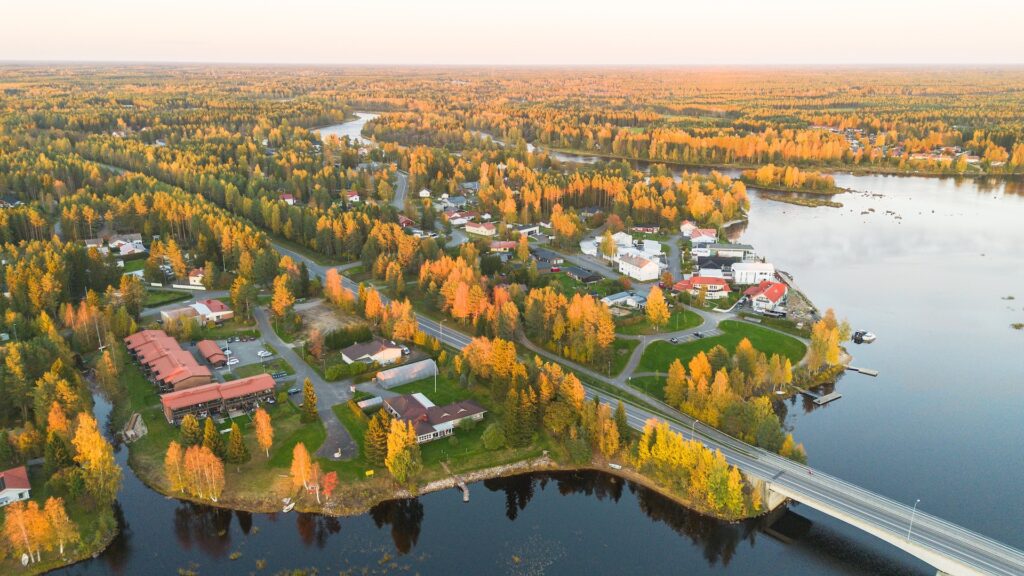
Oulu isn’t far from the ‘fairytale’ Finland most people imagine (snow, sleds, huskies), but being on the coastline instead it offers sea views, lakes and rivers, sprawling forests bordering the city, and 600 miles of cycle lanes. It’s also a leader in technological advancements and renewable energu, with the University of Oulu pioneering 6G and earning it the title of ‘Arctic Silicon Valley’.
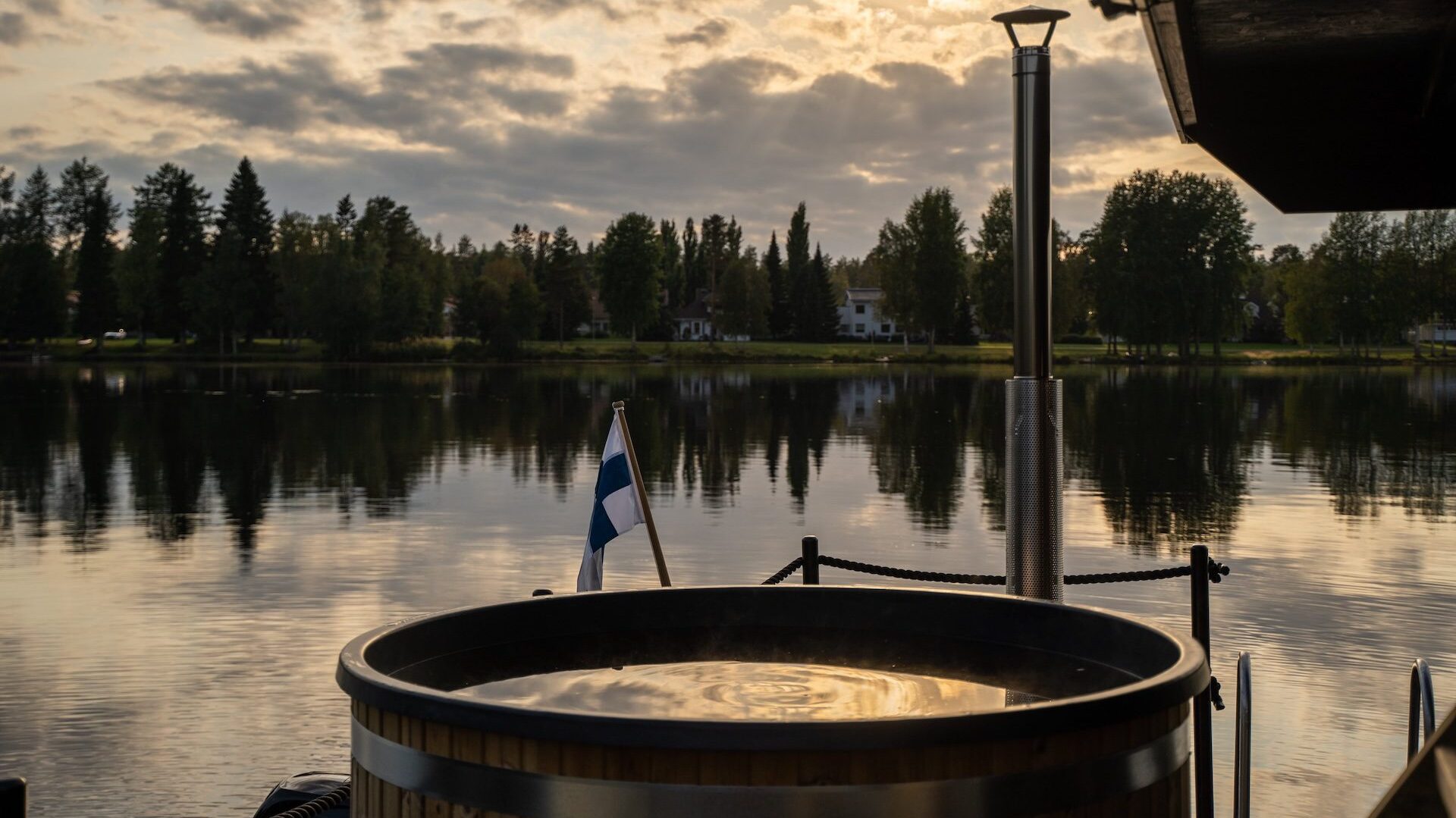
Oulu is already home to many quirky events — and that’s before you take the 2026 event lineup into account. It’s hosted the Air Guitar world championships for 30 years, sees startups pitch their business ideas in icy water at the annual Polar Bear Pitching event, and is home to Huutajat, the world’s only Screaming Men’s Choir (which is exactly what is sounds like). Of course there are also saunas, many of which are found floating on lakes or boats.
Oulu is the largest Sámi village in Finland. More than half of the approximately 10,000 Sámi people living in Finland reside outside the Sámi homeland, and around 1,000 of them live in the Oulu area.
Oulu 2026 will celebrate all these parts of the city’s identity, inviting hundreds of artists, creators and culture professionals from the city and its surrounding region, and also from across Europe. Oulu’s program is built around the theme ‘Cultural Climate Change’, addressing current global challenges including sustainable development, cultural diversity, and resilience. The city has the ambition to encourage audiences to rethink how culture is made, experienced, and shared.
Trenčín, Slovakia
In northwest Slovakia near the Czech border, Trenčín sits far above the sea (262 meters (860 ft) to be precise) both among the foothills of the vast White Carpathian mountain range and on the banks of the Váh river, and is best known for its imposing castle. If it sounds idyllic, that’s because it is.
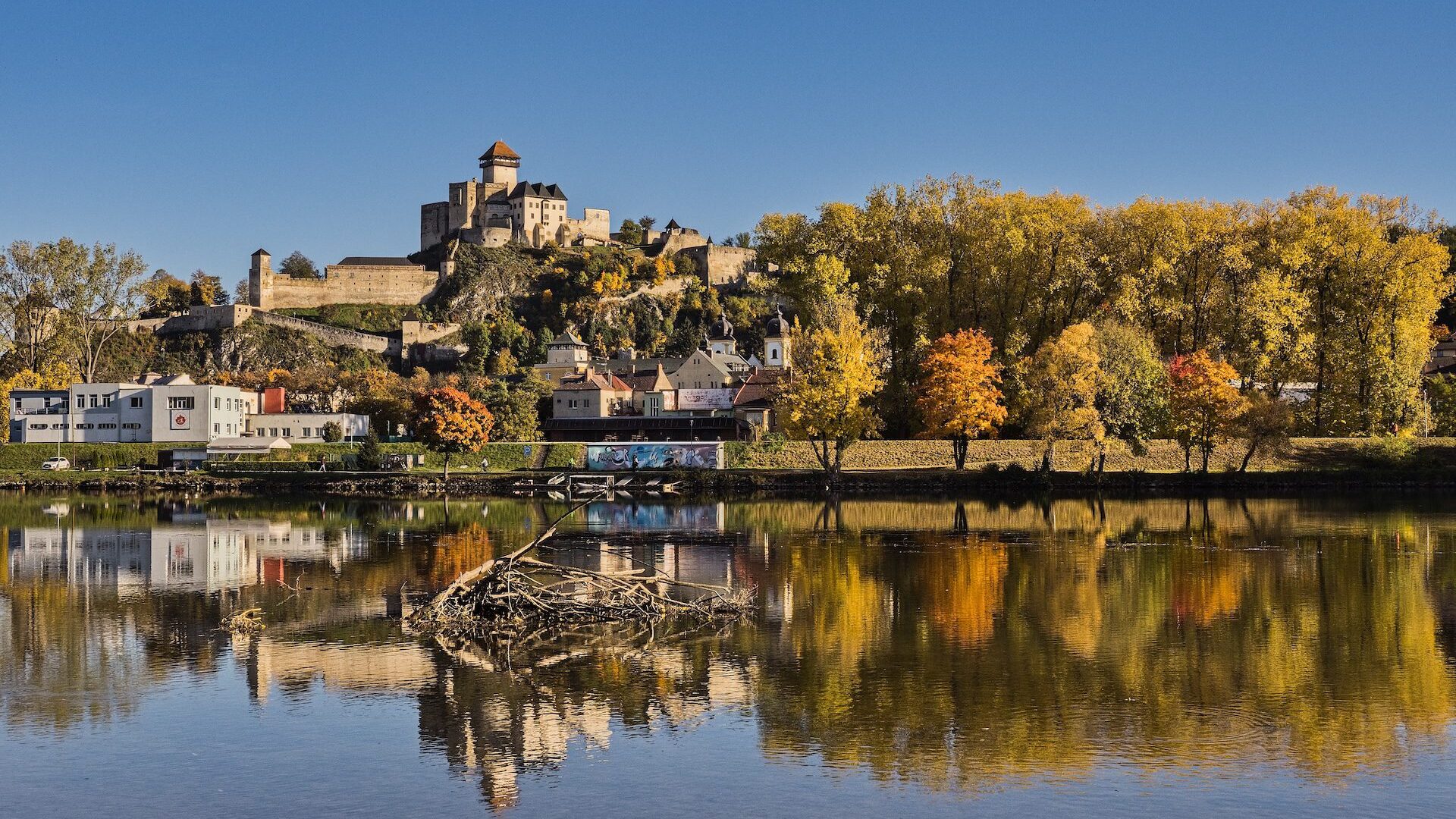
The castle’s history dates back to the Roman Empire, which we know thanks to an inscription on the rock below telling the victory of the second legion at Laugaricio (a nearby military camp) in 179 AD. This historic monument is one of the oldest pieces of evidence of Roman settlement in the region.
Now, Trenčín pairs Medieval architecture with a distinctly modern, laid-back vibe. Brutalist architecture is peppered throughout the city, contrasting with the yellow buildings and terracotta roofs.
Since 1997 the city has been home to one of the country’s largest music events, Pohoda. It hosted just eight bands in its inaugural year, and now welcomes over 120 acts to a former military airfield in the valley of the river Vah.
The nearby Trenčianske Teplice is known for its therapeutic spas, where people have flocked to seeking health and wellness since 1247. The town has made us of the natural thermal sulphuric water flowing from five local springs, each one now with a bathing pool built directly over the spring.
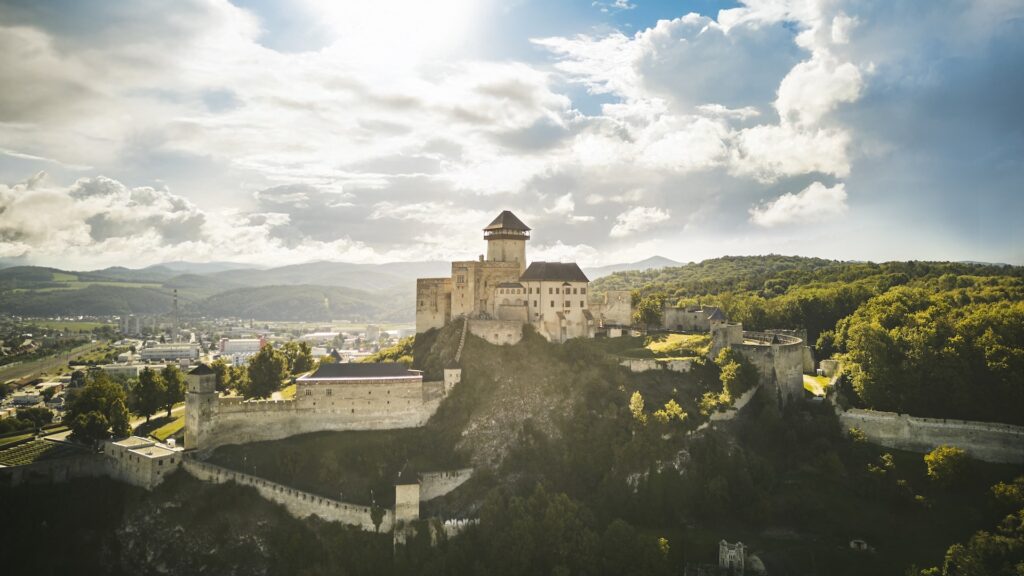
The theme for Trenčín 2026 is ‘Curiosity’. The city is aiming to inspire bridge-building between people, between past and future, and between imagination and reality.
The programme seeks to reimagine public spaces, strengthen community relationships, and inspire creativity and innovation. The city of Trenčín is positioned as a hub for cultural exchange and exploration, with the goal of fostering a vibrant, inclusive, and sustainable society.
Trenčín Castle will become a venue for contemporary art in a multimedia exhibition, while Trenčín Literary Festival will bring writers, along with theatre, music, and stories from Trenčín and across Europe.
A new symbolic landmark is being built for the programme, which will be unveiled at the end of the summer: the Fiesta Bridge, an old railway bridge first built in 1883 and which is now being reconstructed. The old railway bridge has so far connected the two banks of the Váh River, but after reconstruction it is to become an extended part of the city centre. In September, the city will bring together both banks of the river and local communities around this new landmark through theatre, music, children’s activities and sports events.
Visit these future Capitals of Culture with Trafalgar
Because becoming a European Capital of Culture is a long-term undertaking for the host, each city is designated four years before the actual title year – meaning the winners have been decided up until 2030.
You can visit many of the future Capitals of Culture with Trafalgar, so get ahead of the curve and see these unique cities before everyone else catches on.
Évora, Portugal (2027)
Found in the Alentejo Region of Portugal, the ancient city of Évora has a town-like feel with just over 50,000 inhabitants. It’s known for its sun-baked olive groves, cork oak woodlands, fortified towns and excellent wines, while the entire walled center is a UNESCO World Heritage Site.
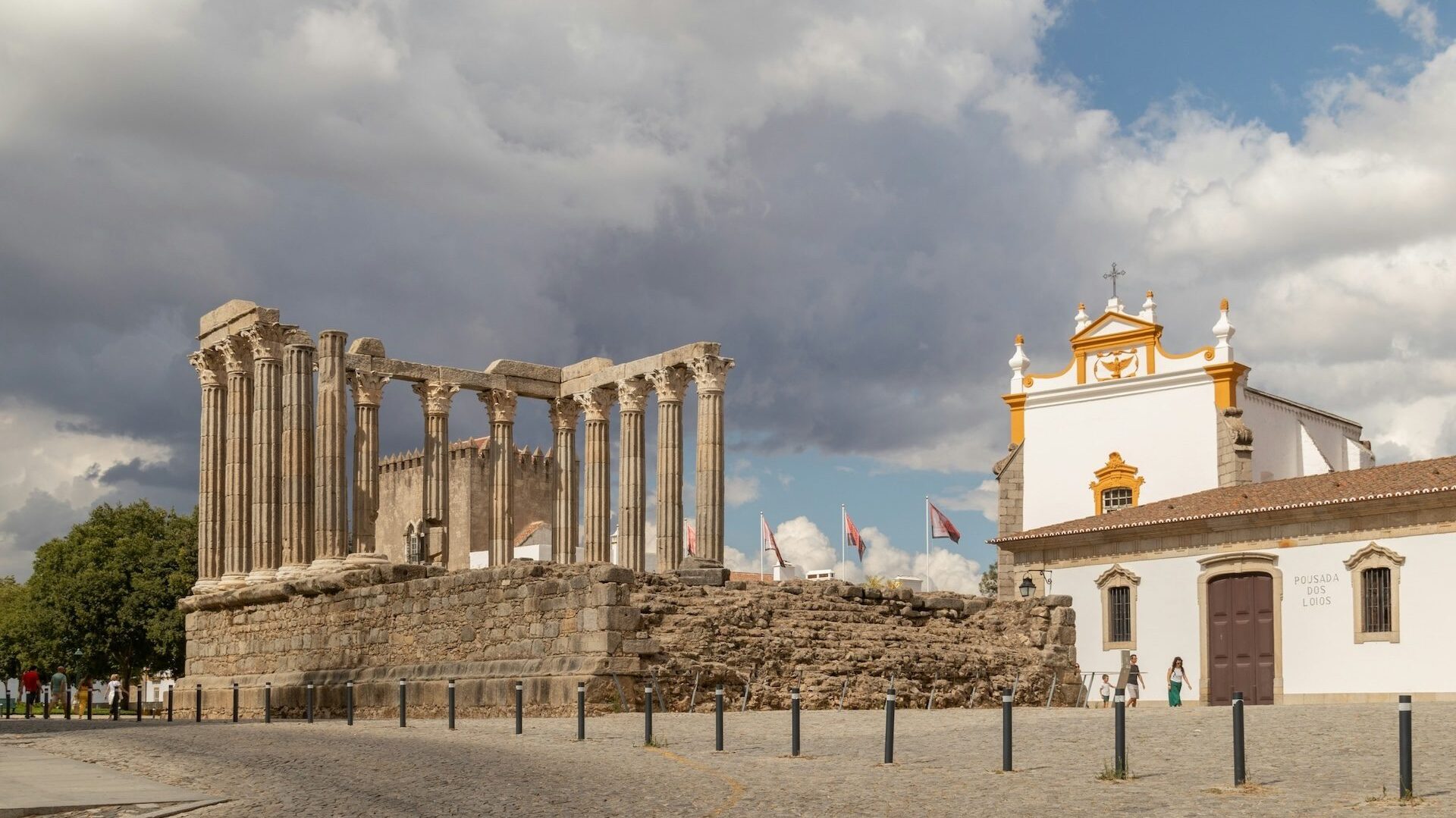
The theme for Évora 2027 focuses on the theme ‘Vagar’, a slow-living philosophy meaning “taking the time” in Portuguese. The program aims to highlight regional heritage, culture, and sustainable development throughout Europe, emphasizing the relationship between humans and their environment.
With Trafalgar, you’ll explore this UNESCO-listed city with a Local Specialist to explore the elaborate cathedral, Roman temple and the Chapel of Bones, with plenty of time to delve into the medieval history of this enchanting city. Trace centuries of history along its city walls, and reward yourself with a bica and bolo (espresso and pastry) in Praça do Giraldo square.
See it on: Best of Portugal
Skopje, North Macedonia (2028)
The capital of North Macedonia, Skopje – known as the City of Statues – is a characterful, unique Balkan city, with Roman-era archaeological sites, ancient-looking architecture (that was actually built in the 2010s), and the Vardar River flowing through the center.
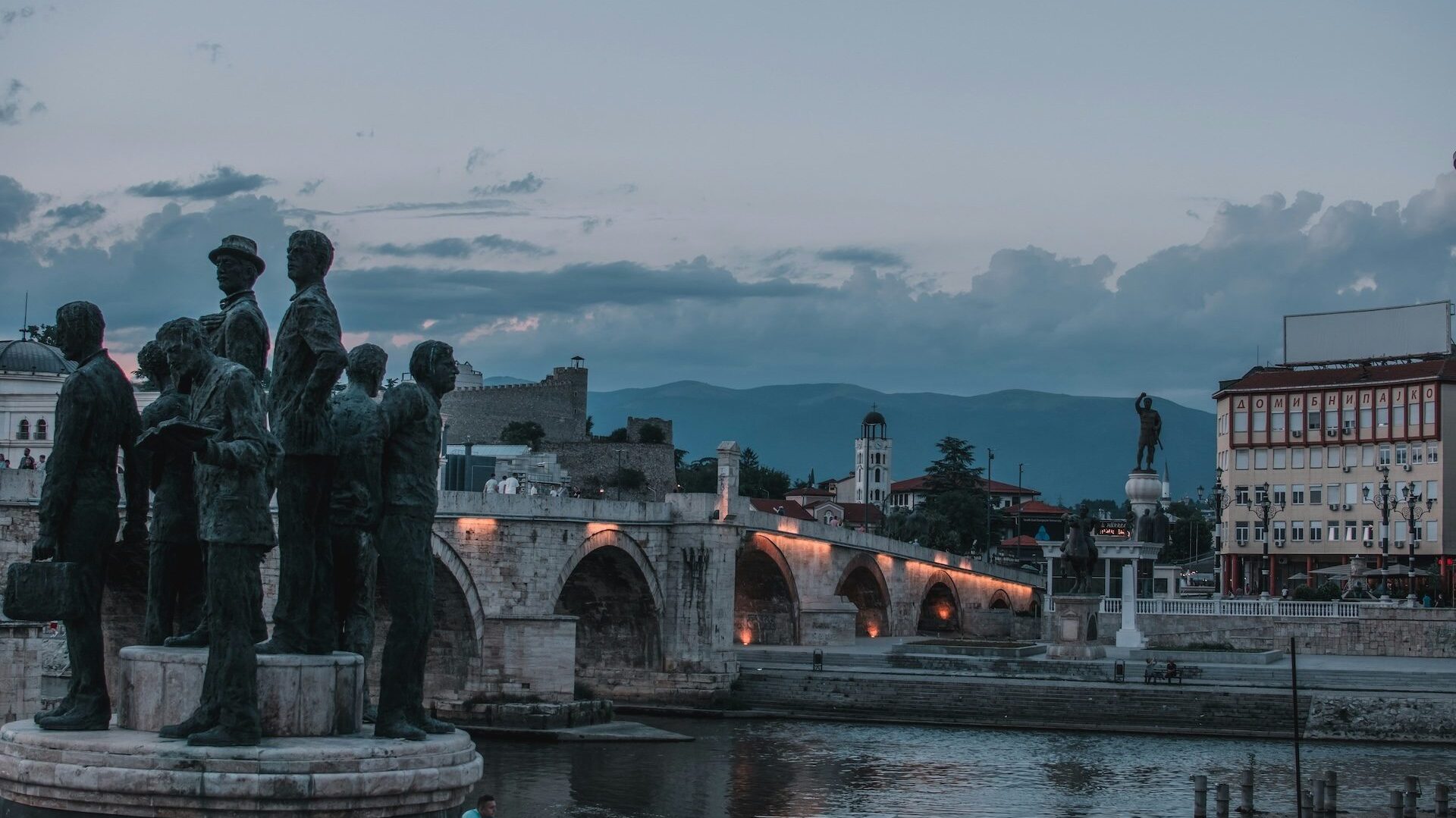
The theme for Skopje 2026 is ‘Culture over Division’, aiming to bridge divisions in society through culture, stating that culture is the root of educational, social and commercial institutions. Skopje wants its inhabitants to conceive arts and culture as “a way of life”, and to see culture as a lever for bringing about necessary changes in society by having culture bridge what would otherwise divide.
the capital, a religious crossroads, and a vibrant medieval trading centre. See the Ottoman Empire’s legacy in the mosques and bazaars as you join a Local Specialist for a sightseeing tour this afternoon.
You also have the option of feasting on a dinner of North Macedonian specialities in a charming, rustic setting with local musicians providing entertainment – a true taste of local life and culture.
See it on: Balkan Adventure
Bourges, France (2028)
The theme for Bourges 2028 is ‘Territories of the Future’, focusing on human-scale, ecologically sustainable cultural programs.
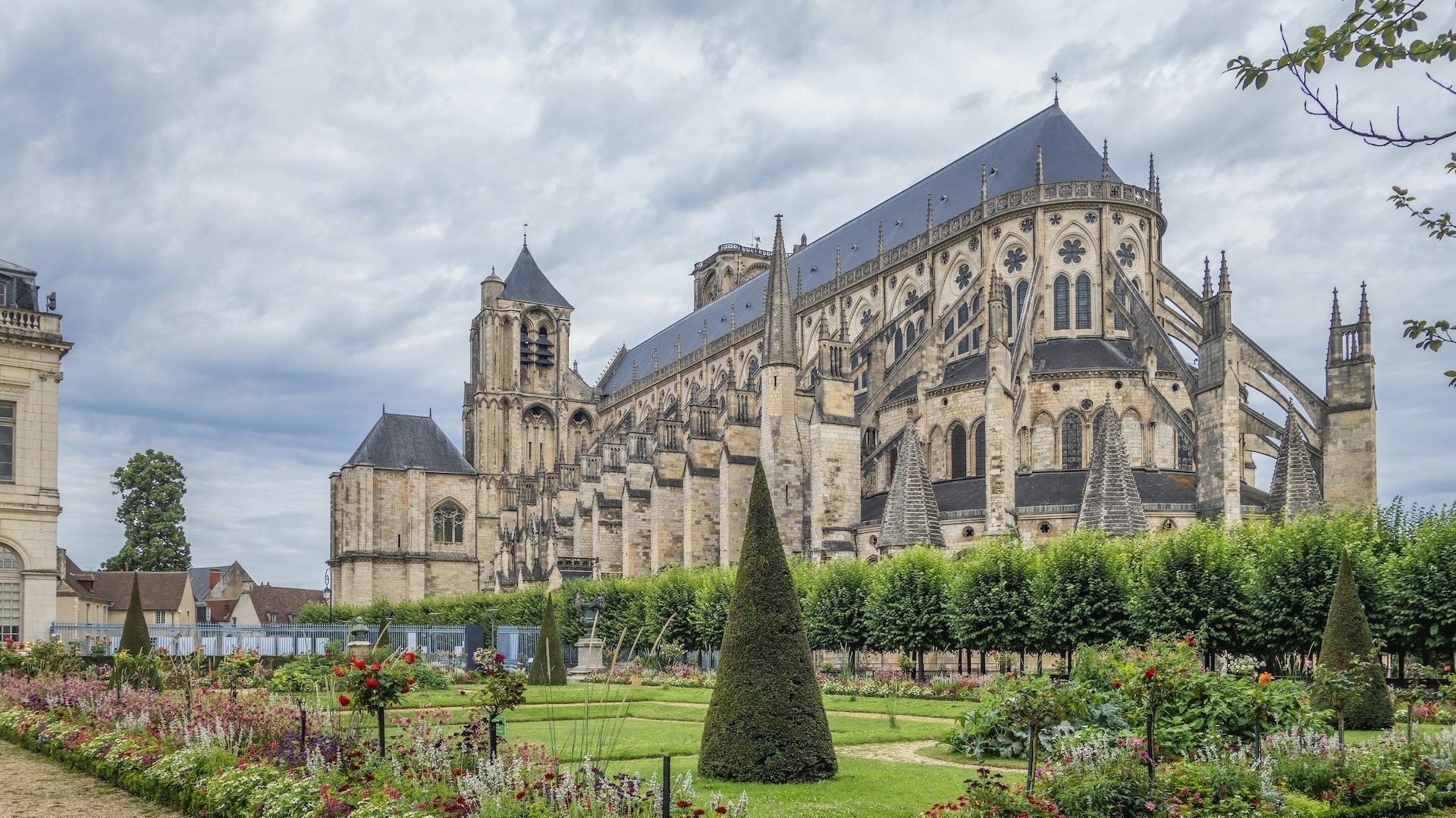
Bourges 2028 believes that small- and medium-sized cities are the territories of the future and can be the future of Europe. Bourges is hoping to become a blueprint and lead by example, offering new ways to interact equitably with nature and the environment, and focusing on all residents’ accessibility to cultural rights.
Your time in Bourges with Trafalgar will see you explore the medieval city centre with a Local Specialist. Hear the stories behind its timbered lanes and grand landmarks as you visit the 13th-century UNESCO-listed Cathédrale Saint-Étienne and the ornate Palais Jacques Cœur – a merchant’s palace that reflects the city’s wealth and power in the late Middle Ages.
Visit on: Villages of France
Kiruna, Sweden (2029)
After Stockholm in 1998 and Umea in 2014, Kiruna will be Sweden’s third city to become a European Capital of Culture. Kiruna’s proposition is an interesting one; the city was built on a mine over 120 years ago and remains integral to the city’s existence. But the mining activity is causing the ground to crack, affecting roads, buildings and infrastructure. The city will relocate, but the question is how to find and keep its soul, character and culture in the process.
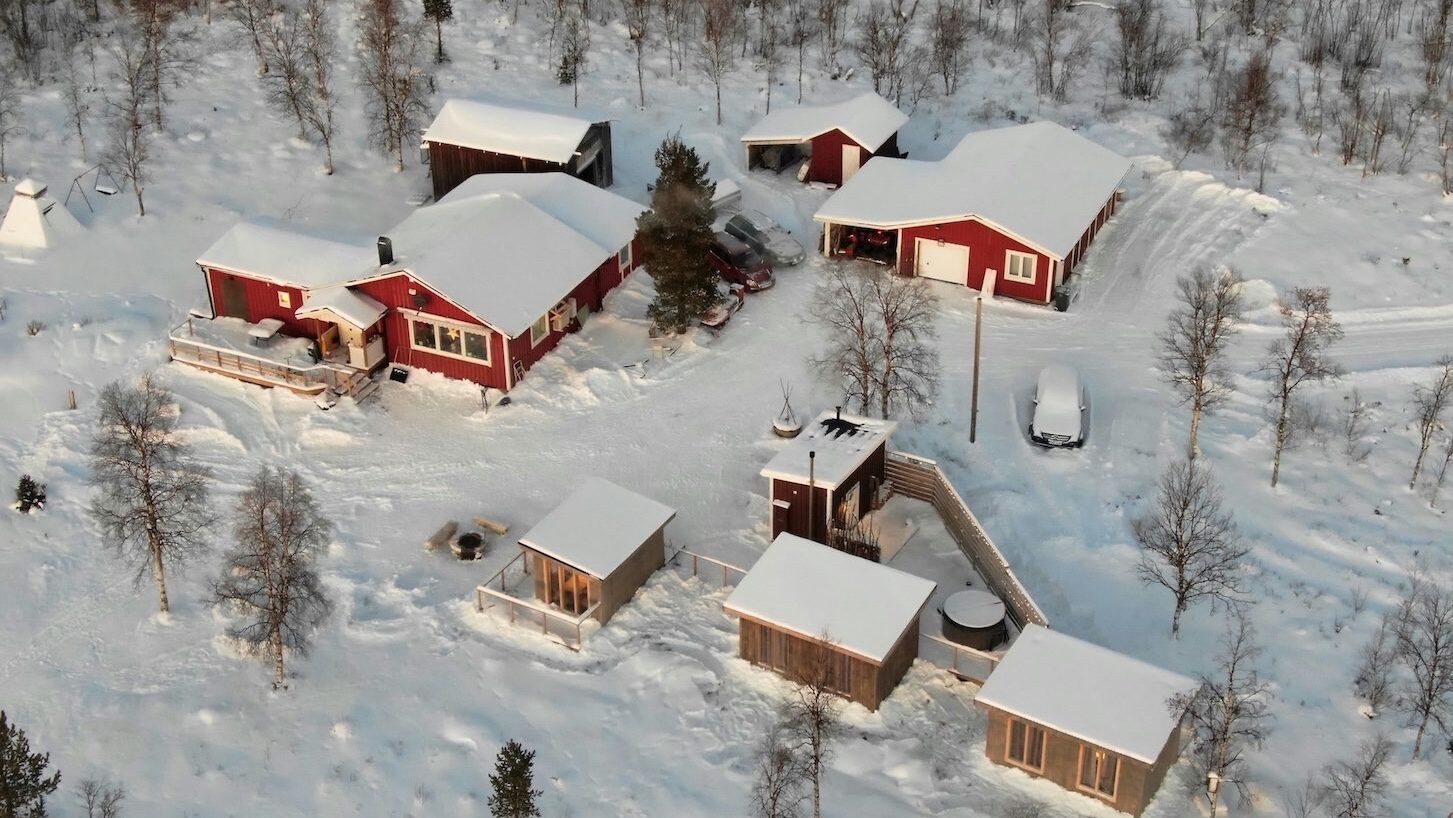
The theme for Kiruna 2029 is ‘Movement – Below Ground. On Earth. In Space.’ The city will creatively explore the strong Arctic and industrial blend, addressing issues that create cracks and conflicts within their society, as well as highlighting the joy and compassion between people, and fostering care for future generations, history and nature. Kiruna will use this relocation as an opportunity for something new, vibrant and colorful to take place.
With two nights and a full day in Kiruna when you travel with Trafalgar, you’ll have plenty of time to soak up the nuances of this resilient place. A walking tour with your Local Specialist will help you understand how this mining town is being reshaped and relocated, while a Be My Guest experience with a Sámi reindeer herding family inside their lavvu will give you first-hand experience into their way of life in the far north. Optional Experiences give you the chance to take a husky safari, visit a working sled dog kennel, and visit the Aurora Camp for dinner under the Northern Lights.
Visit on: Scandinavian Northern Lights