



There are many destinations around the world that are defined by their color, from the dusty pink of Jaipur to the white-washed houses of Santorini, and even the yellow cabs of New York City. But what if a place wasn’t defined by just one color, but by its vibrancy? A new study has determined the world’s most colorful cities, and Lisbon came out on top. Explore the best things to do in Lisbon not by taking the tourist routes, but by following the rainbow.
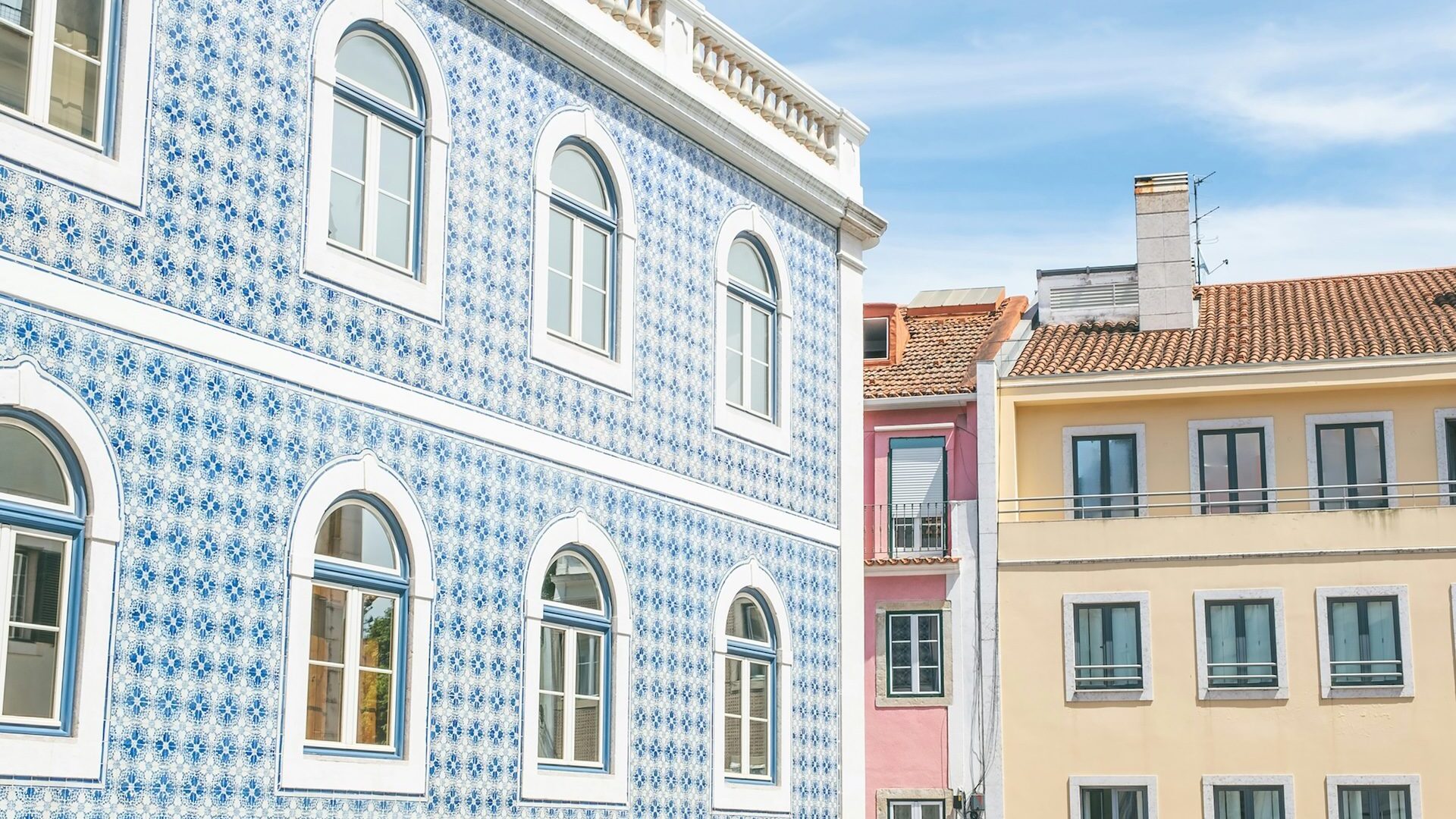
Is Lisbon the world’s most colorful city?
In short: yes. The study from JustCover measured a list of the most iconic colour-drenched cities around the world. with more than 2.6 million unique colours identified in Lisbon earning the city a vibrancy score of 100/100. (Portugal also claimed third place with Porto earning a vibrancy score of 91.6.)
To measure each city’s vibrancy, multiple photos were selected from across each location including aerial or skyline views, plus street-level images showing recognizable landmarks, architecture, or neighborhoods.
Each image was taken in clear daylight without heavy filters, before a color analysis tool was used to measure the number of unique colours within each image. The results were combined to calculate an overall vibrancy score using pixel-level data, revealing the most vivid destinations of all.
With its iconic yellow trams, blue and white tiles, pastel architecture and terracotta rooftops, it’s little surprise Lisbon took the crown. Here’s your technicolor guide to Portugal’s vibrant capital city.
Red
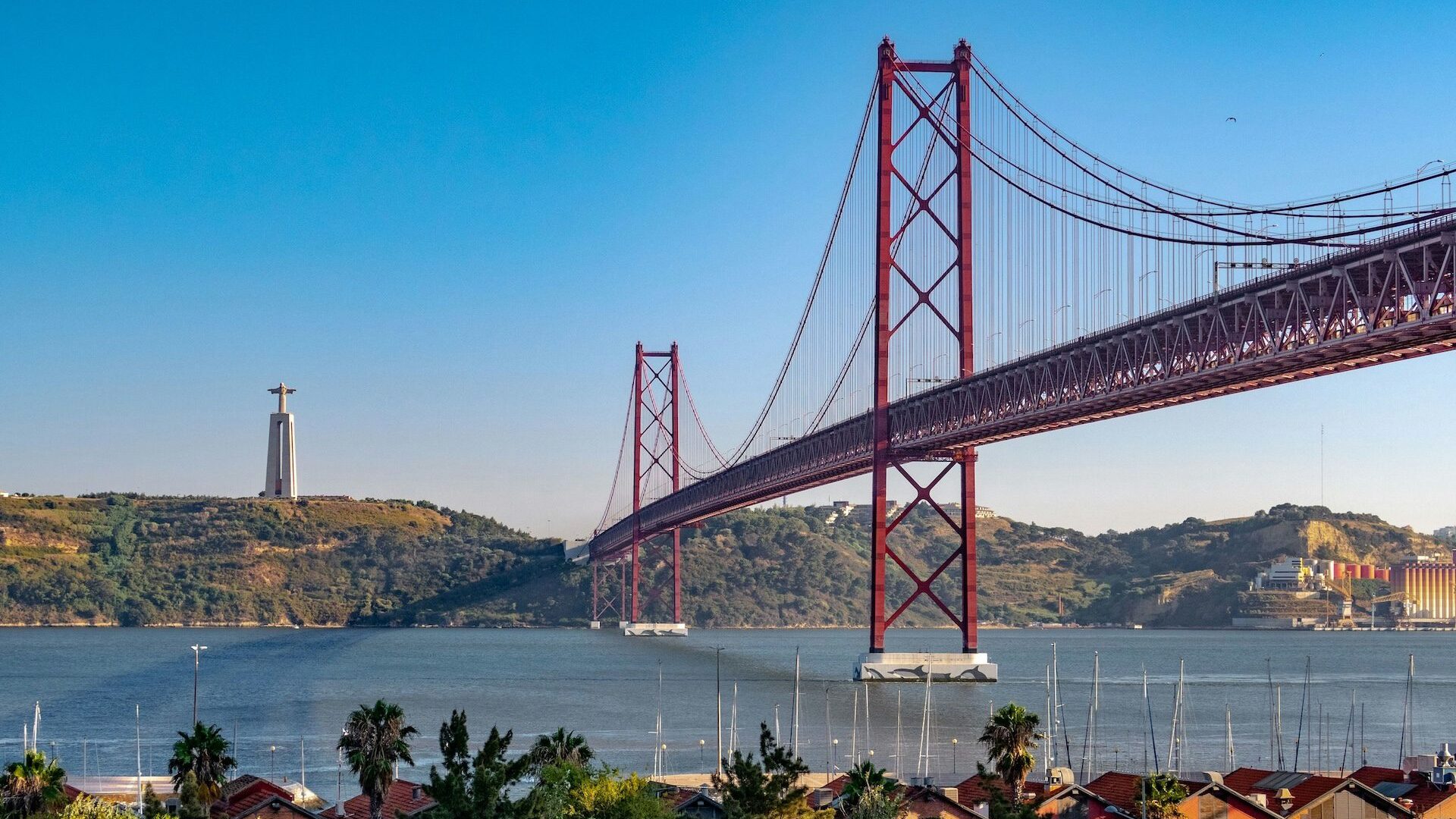
The first stop on the color wheel, and the first thing you see when you enter Lisbon across the Tagus River from the south: Ponte 25 de Abril (25th of April Bridge). This striking red bridge overlooks the city and isn’t just one of Lisbon’s most iconic sites, but at an impressive 1.4 miles (2.3 km) long it’s also the longest suspension bridge in Europe. It’s the only bridge leading south out of the city, connecting Lisbon with the Almada district.
Of course, we couldn’t tick off the color red without mentioning Lisbon’s – and Portugal’s – world-famous fortified wine, port. Though it’s produced further north in the Douro Valley, there’s no shortage of exceptional wine bars in the capital, the most famous of which being Taylor’s, one of the oldest port houses. Head to the lively Bairro Alto neighborhood during the evening and you’ll be spoilt for choice with wine bars and taverns.
Orange
Lisbon’s orange trees are an integral part of the city’s streets, particularly along Travessa da Laranjeira (‘Orange Tree Lane’) and throughout the Laranjeiras neighborhood which isn’t just decorated with the fruit, but features tiled artwork of oranges throughout the Laranjeiras metro station. But remember – these aren’t for eating. They’re incredibly sour, so leave the fruit on the trees and appreciate them for their aesthetics, not their taste.
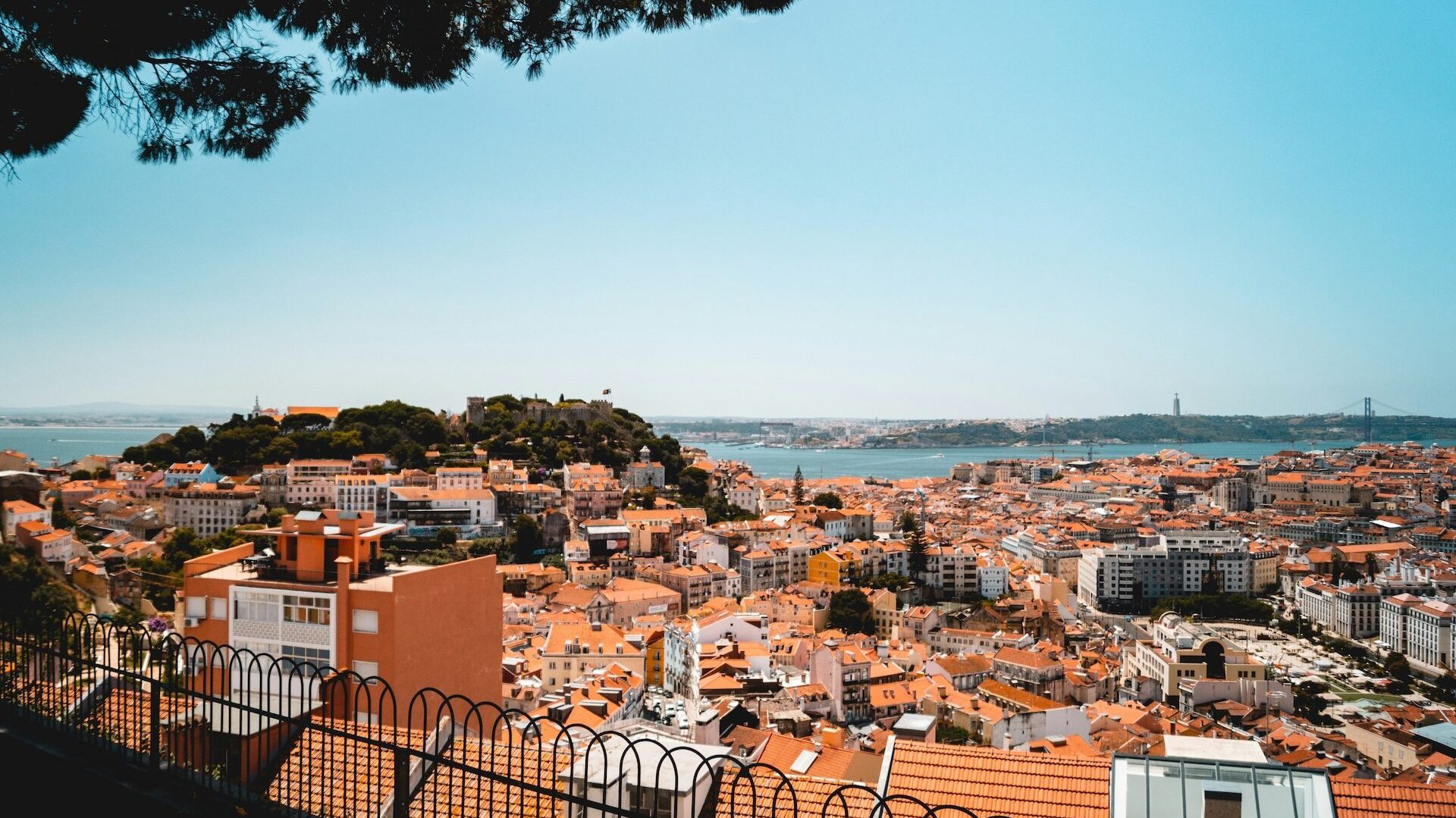
While from below Lisbon’s buildings are largely white, head up to the hilltop neighborhoods of Graça, Alfama, Castelo or Bairro Alto and the city will become a sea of orange as you gaze over the terracotta roofs. Miradouro de Graça (pictured) is one of Lisbon’s best vantage points, capturing the warm orange tiles against the blue of the river and green of São Jorge hill, on which Castelo de São Jorge sits.
Yellow
Though there are 2.6 million colors embedded throughout the streets of Lisbon, the sunshine-yellow of the city’s historic Tram 28 might be its most iconic. Winding through the same route for nearly 100 years, it passes through the city’s steepest hills and most historic neighborhoods: Alfama, Baixa, Estrela, and Graca, passing Lisbon cathedral and the Miradouro Portas do Sol vista. Riding the tram is simply one of the best things to do in Lisbon.
Though the tram’s exterior is what you see on the postcards, its interior isn’t to be missed – it’s like stepping inside a time capsule back to the 1930s with dark wood and brass fixtures, leather-padded seats and wonderfully retro mechanical folder levers in the driver’s cabin.
Given its century or so of service, no tram on the 28 route is the same, with each one rattling around the corners and inclines in its own way.
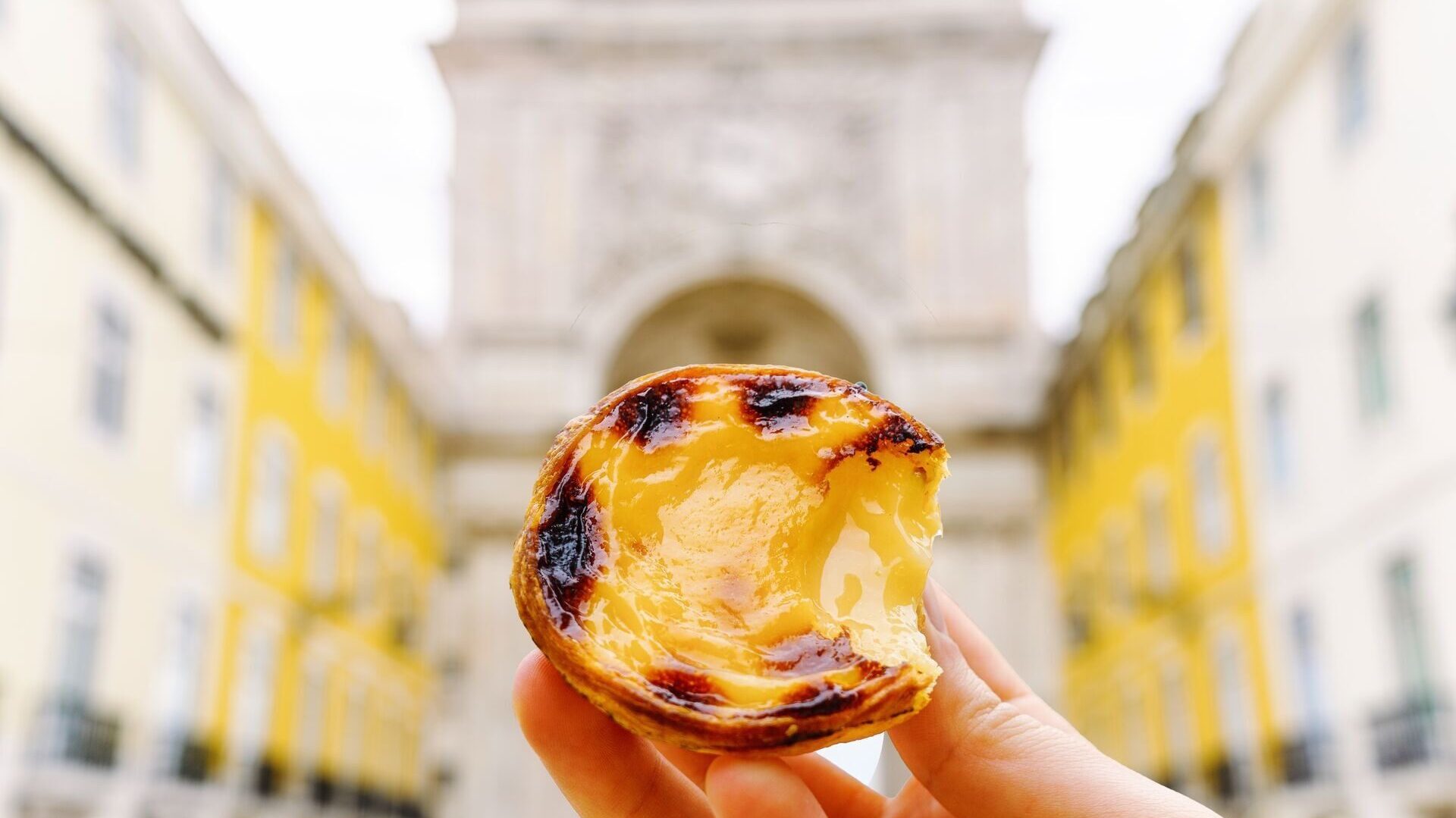
On the yellow theme, how could we forget pastel de nata, Portugal’s decadent custard tart? These golden, burnt-topped delights are the perfect mid-morning treat with a strong bica, Lisbon’s smooth espresso coffee. When you travel to Lisbon with us, you’ll visit Pastéis de Belém, a patisserie in the Belém district known as the birthplace of the original Portuguese custard tart. It’s been operating since 1837, and you’ll get to taste their delicacies produced using a secret recipe that’s been guarded for nearly 200 years.
Green
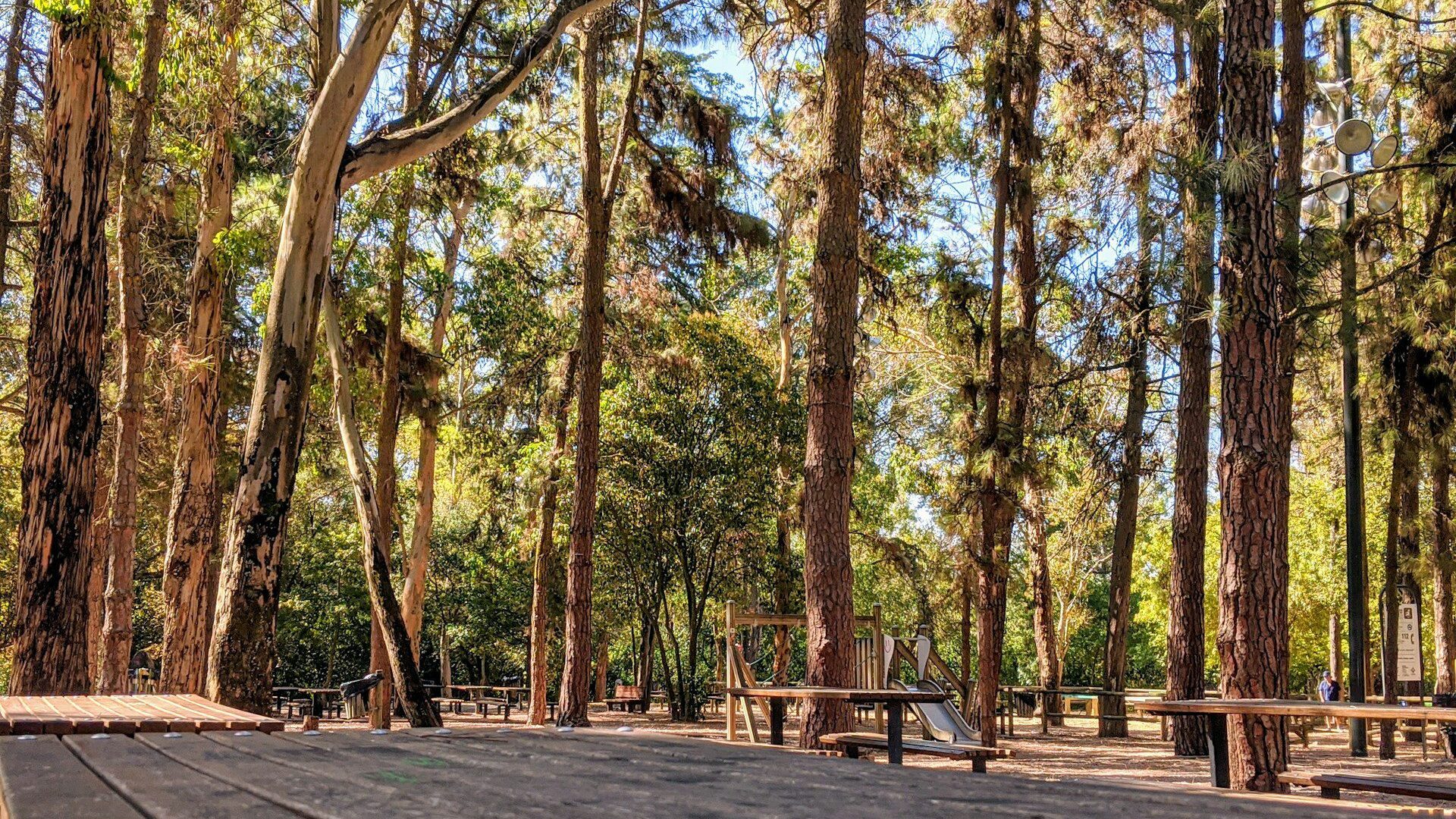
Parque Florestal de Monsanto (Monsanto Forest Park) is known as Lisbon’s lungs, owing to its place as the largest green space in the city. The forest sprawls to the west of Lisbon, covering over 900 hectares (2,200 acres) brimming with hiking trails, cycle paths, and beautiful viewpoints. It’s a vast green oasis less than a 10-minute drive from the city itself and offers a break from the city break, perfect for all ages.
Blue
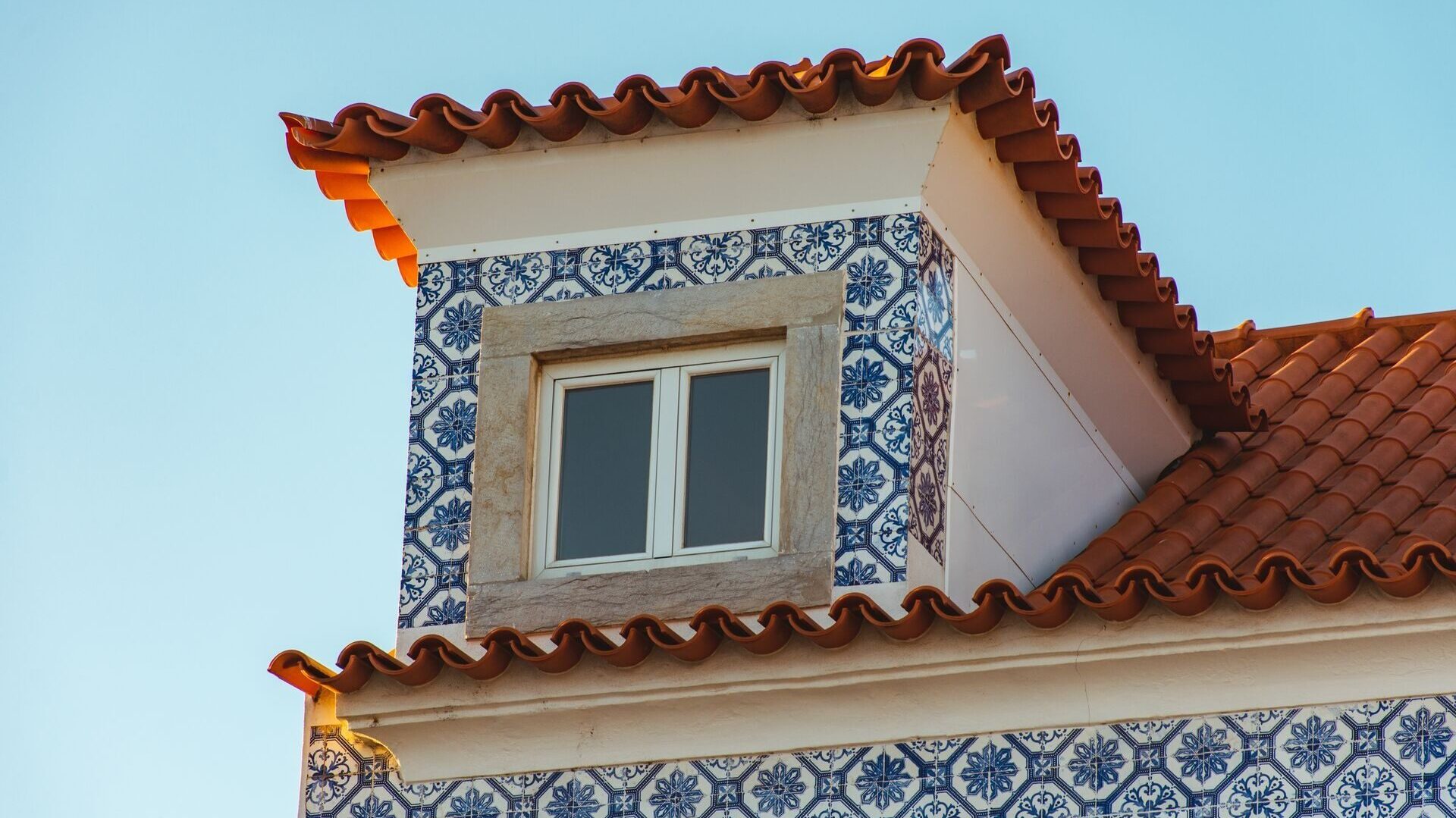
Blue in Lisbon could undoubtedly be covered by the Tagus River, the longest river in the Iberian Peninsula and the city’s historic trading lifeline. However, the blue-and-white azulejos that adorn countless houses, churches and metro stations throughout this colorful city are just as embedded in its history. These glazed ceramic tiles date back to the 13th century, and are a remaining mark of when the Moors invaded Portugal in 711 AD. But don’t let us spoil the history – one of the best things to do in Lisbon is head to the National Tile Museum to learn the rich backstory of these functional and ornate decorations, and witness the impressive 23-meter tile panorama up close.
Purple
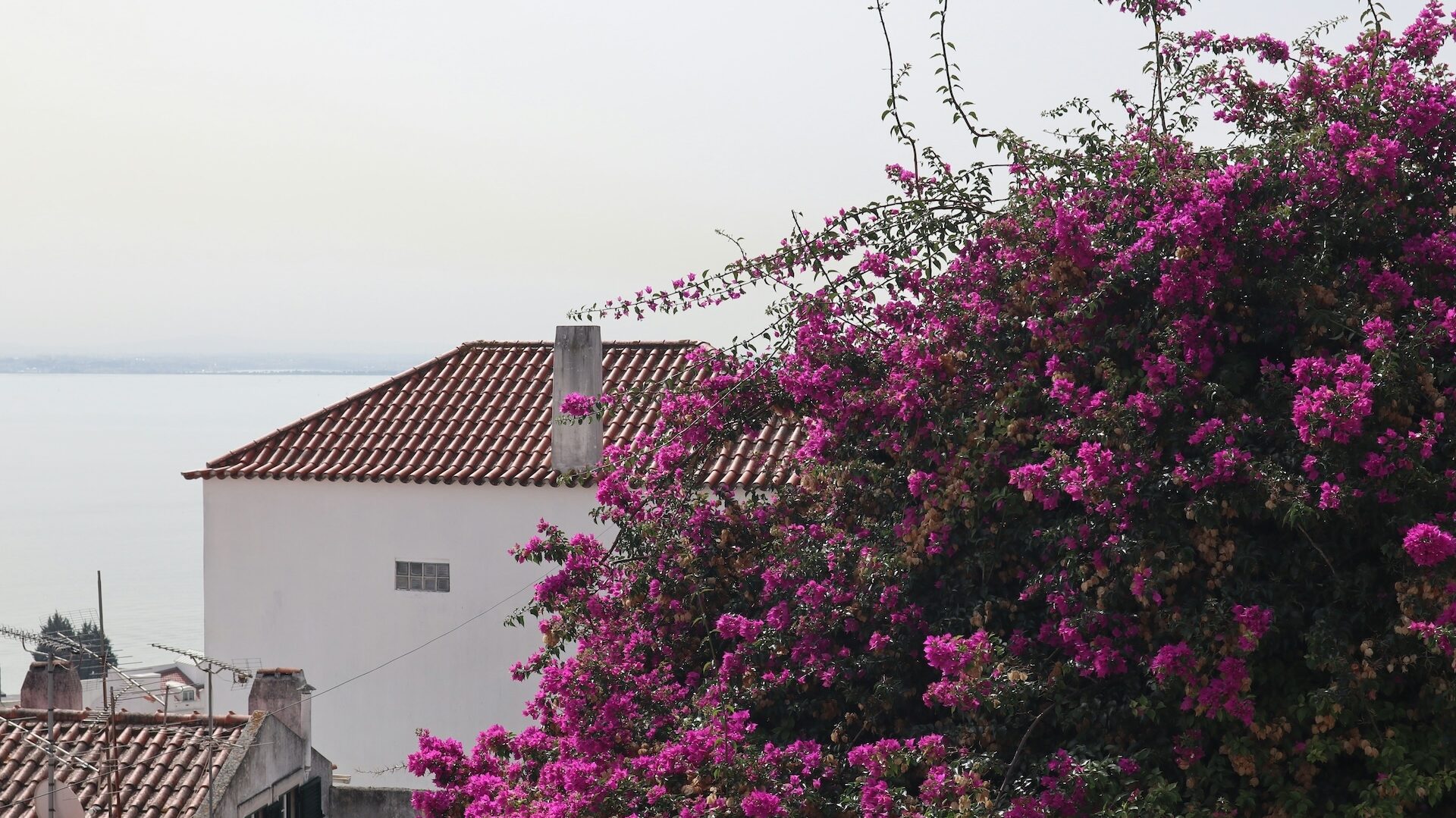
It’s Lisbon’s flowers that bring splashes of purple across the city. Vibrant, deep purple bougainvillea tumble over walls in some of Lisbon’s more historic neighborhoods like Alfama from spring through fall, with some plants climbing up the side of buildings and others featuring multiple winding trunks twisted around whatever can support them. One of the best places to see these flowers is the Miradouro de Santa Luzia, with panoramic views across the river.
The tropical jacaranda, which made its way over to Portugal from Brazil, flowers in late spring in Lisbon – most impressively in the Jardim Botânico Tropical (Tropical Botanical Garden) in Belém. Over 500 tropical and subtropical plant species thrive here, some of which no longer exist in their original habitats, and the mature Jacaranda trees here put on some of the finest flowering displays in the city.
White
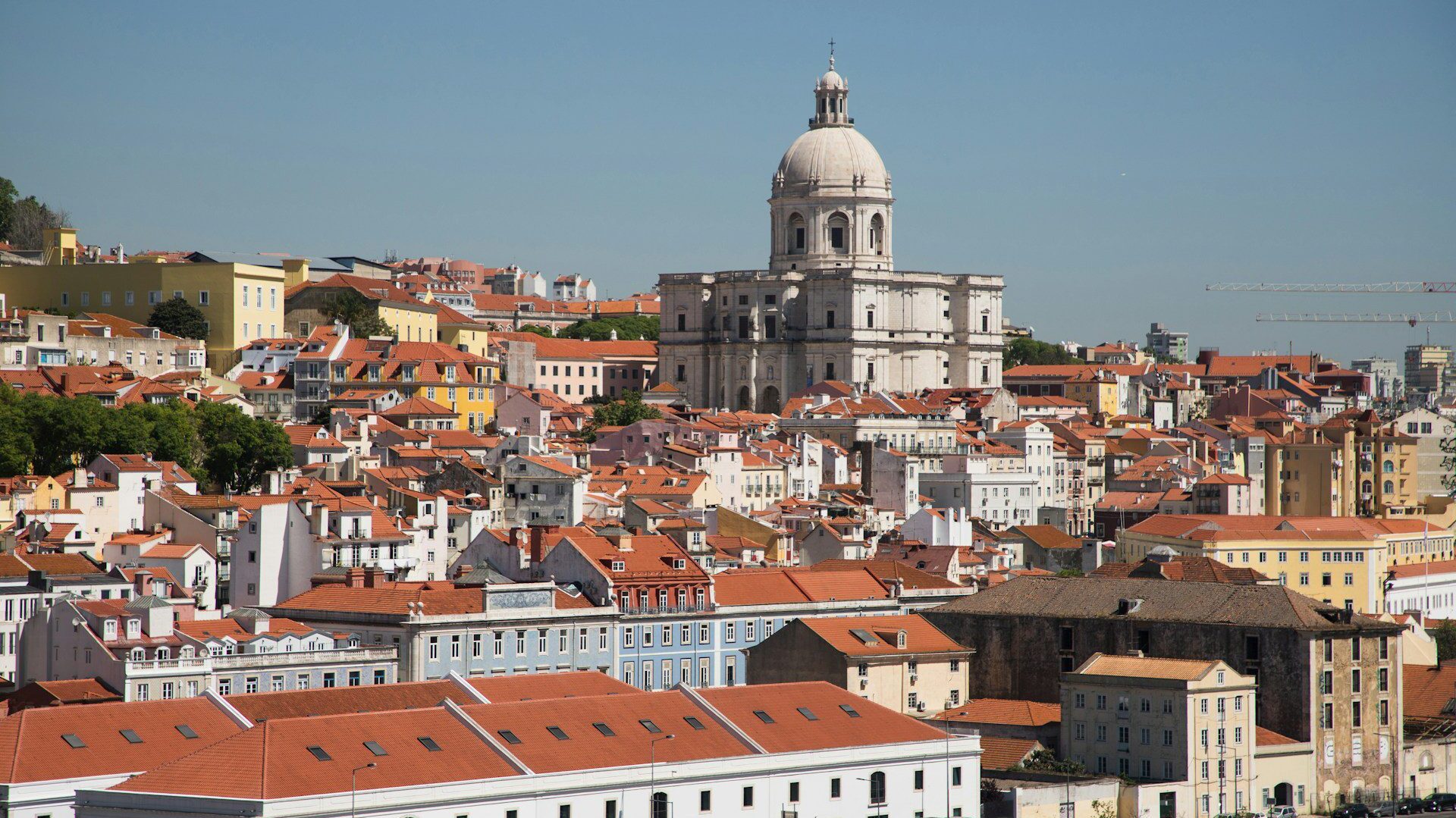
Despite it taking the crown as the most colorful city in the world, Lisbon is also known as the ‘White City’ because of its whitewashed buildings and limestone architecture. Perhaps the ultimate icon of the White City is the magnificent white-domed church perched high above Alfama: Panteão Nacional (National Pantheon).
Set in the hilltop Santa Catarina neighborhood, the Baroque church was originally built as the Church of Saint Engratia in 1682, but became the National Pantheon in 1916, with the iconic dome only completed in 1966. Out of all of Portugal’s monuments, Panteão Nacional took the longest to complete – but the incredible views from the dome’s terrace were certainly worth the wait. It’s one of the best things to do in Lisbon on a Tuesday or Saturday, when there’s a flea market which has been held at that site since the 13th century.