
Getting off the beaten path is high on many travelers’ lists, but doing so in Europe can be difficult. However, you can still find pockets that are relatively undiscovered — if you know where to look (or who to ask). One of the most magnificent, according to Trafalgar Travel Director Maddy, is The Picos de Europa — Spain’s 20km-long mountain range, stretching inland from the Cantabrian Sea on Spain’s northern coast, and brimming with lakes, meadows, gorges, rivers and mountains.
Maddy has only lived in Spain permanently for a couple of years, but this vibrant country has been drawing her in for much longer. “I first visited the Picos de Europa six years ago and I’ve been three more times since, so there’s still so much for me to explore,” she says. “It really is such a beautiful place, and it’s still a little undiscovered. You arrive and think, ‘How is nobody on this hiking trail?’”
“Whatever way you hike it… you’ll see the beauty”
Maddy’s first trip to the Picos started as an add-on to her itinerary. “My friend lived in Barcelona and she wanted to go to Northern Spain — San Sebastián, Oviedo, Gijón — because she’s a foodie. I started looking into what else we could do. I found the Lagos de Covadonga lakes up in the mountains, and I’m an absolute sucker for that kind of stuff,” she says.
“We wanted to hike the Cares Trail, which most people do from Poncebos to Caín, but we couldn’t find accommodation in Poncebos — so we realized we could drive through the mountains, stay in Caín and hike it from the other side. We didn’t realize that we had to drive through the entire mountain massif to get to that village.”
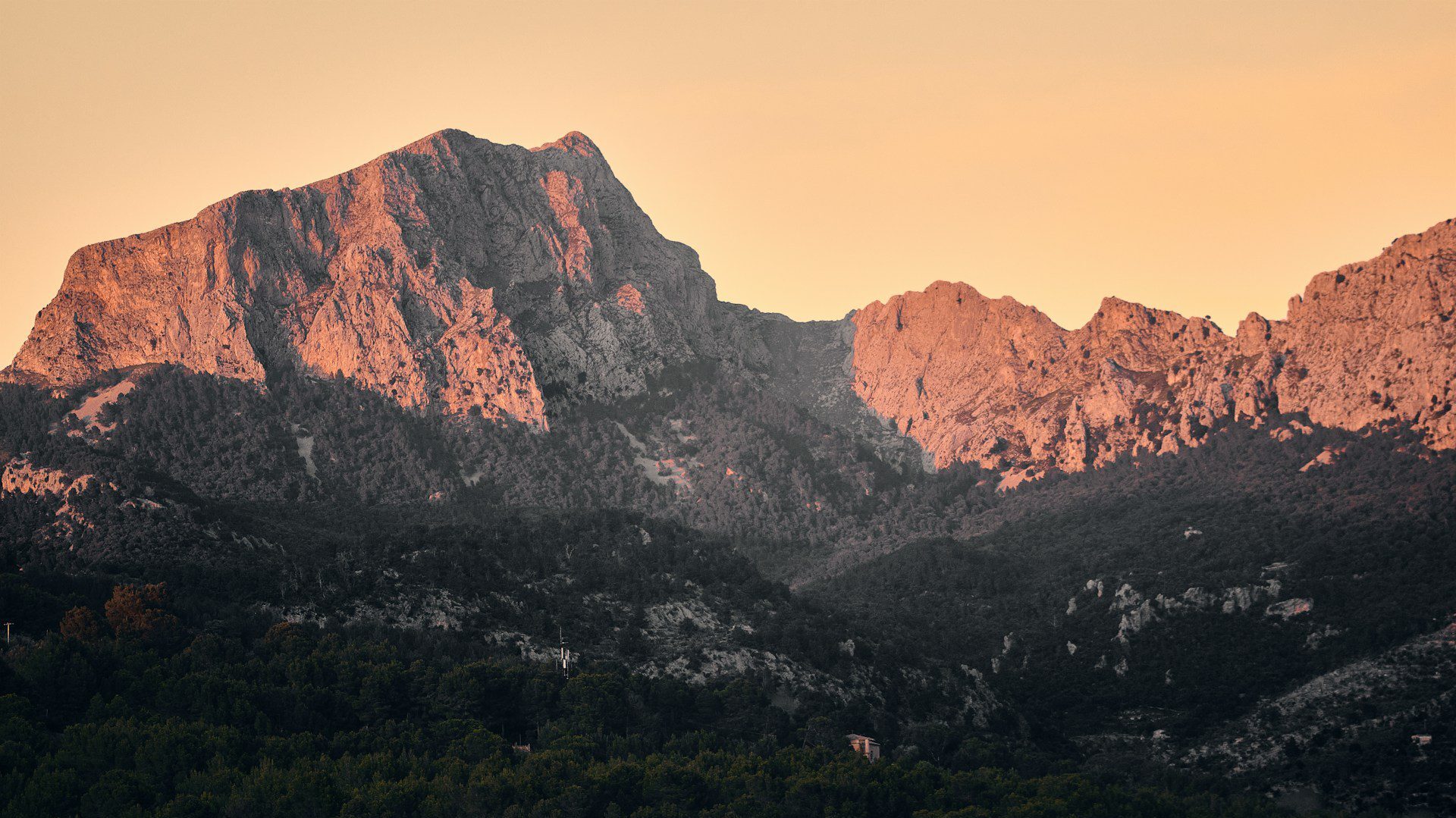
“We stopped at every viewpoint because the sun was about to set. Sunsets and sunrises in the Picos are just beautiful. In the morning it’s this pinkish–purple color, and in the afternoon it’s more orange.”
“We didn’t know what to expect, but the section in Caín is beautiful. The path along the gorge has mountains on both sides, with the gorge dropping nearly three hundred meters down into a valley where the river is. The river is glacial, so the water is cold but super clear. It’s almost like being in Switzerland.”
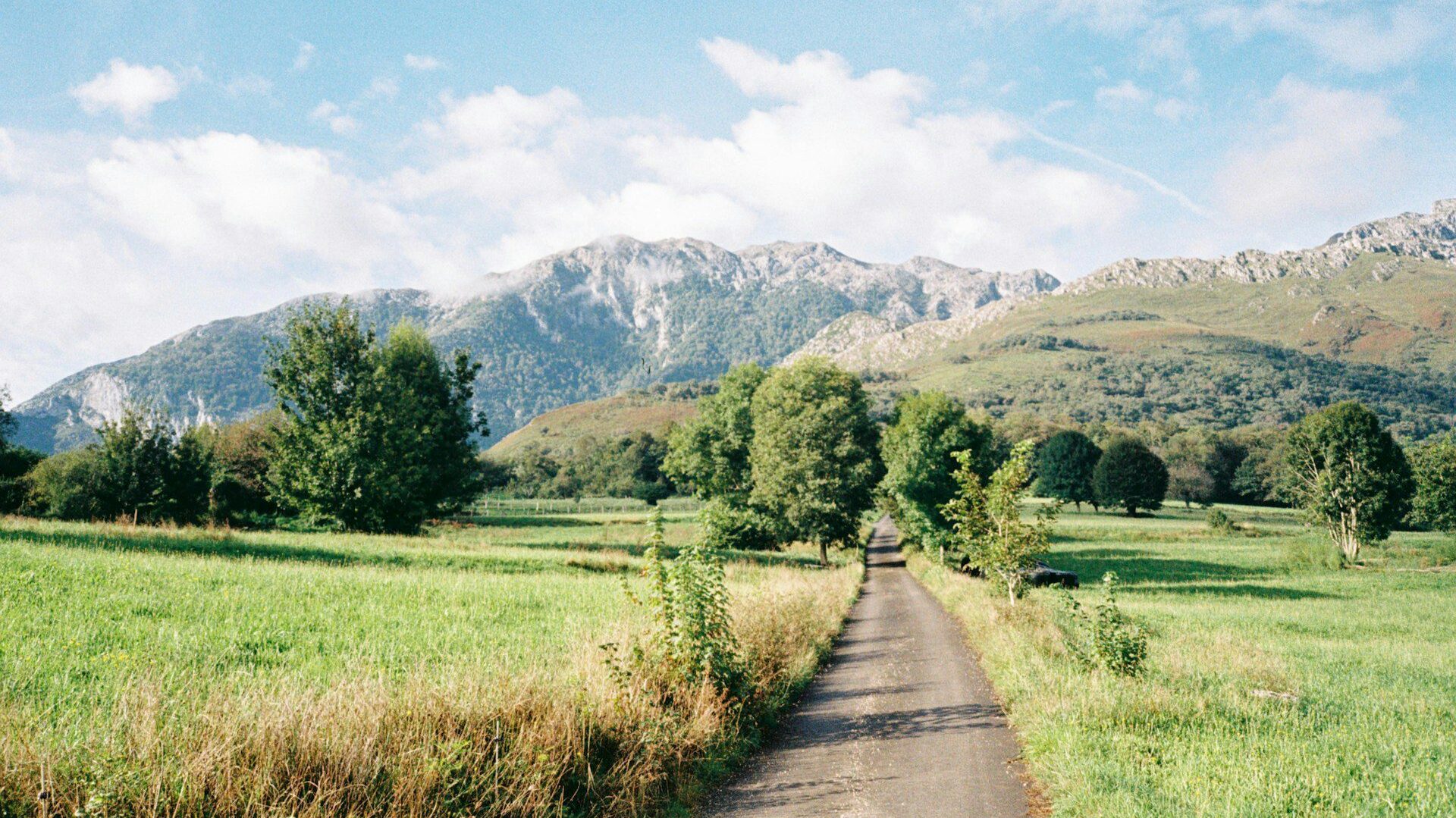
Although Maddy took an untraditional route through the park, she acknowledges that it’s difficult to go wrong in this beautiful part of the world. “Whatever way you hike it, if you go through the whole gorge you’ll see the beauty of it.”
“On one side you have the ocean, and on the other the mountains”
One of the most unique things about the Picos de Europa is its proximity to the ocean — some areas are just 12 miles (20km) from the coast. “That makes a big difference,” says Maddy. “You have ocean beaches, then green flat meadows and towns like Cangas de Onís, Covadonga and Potes. Then you enter the mountain massif, all within maybe an hour’s drive. Depending on what direction you’re traveling, on one side you have the ocean and on the other you have the mountains”, she explains.
“Further in you enter the gorges, which were created by the rivers running through the area. The gorges are so narrow that everything feels much higher than it really is.”
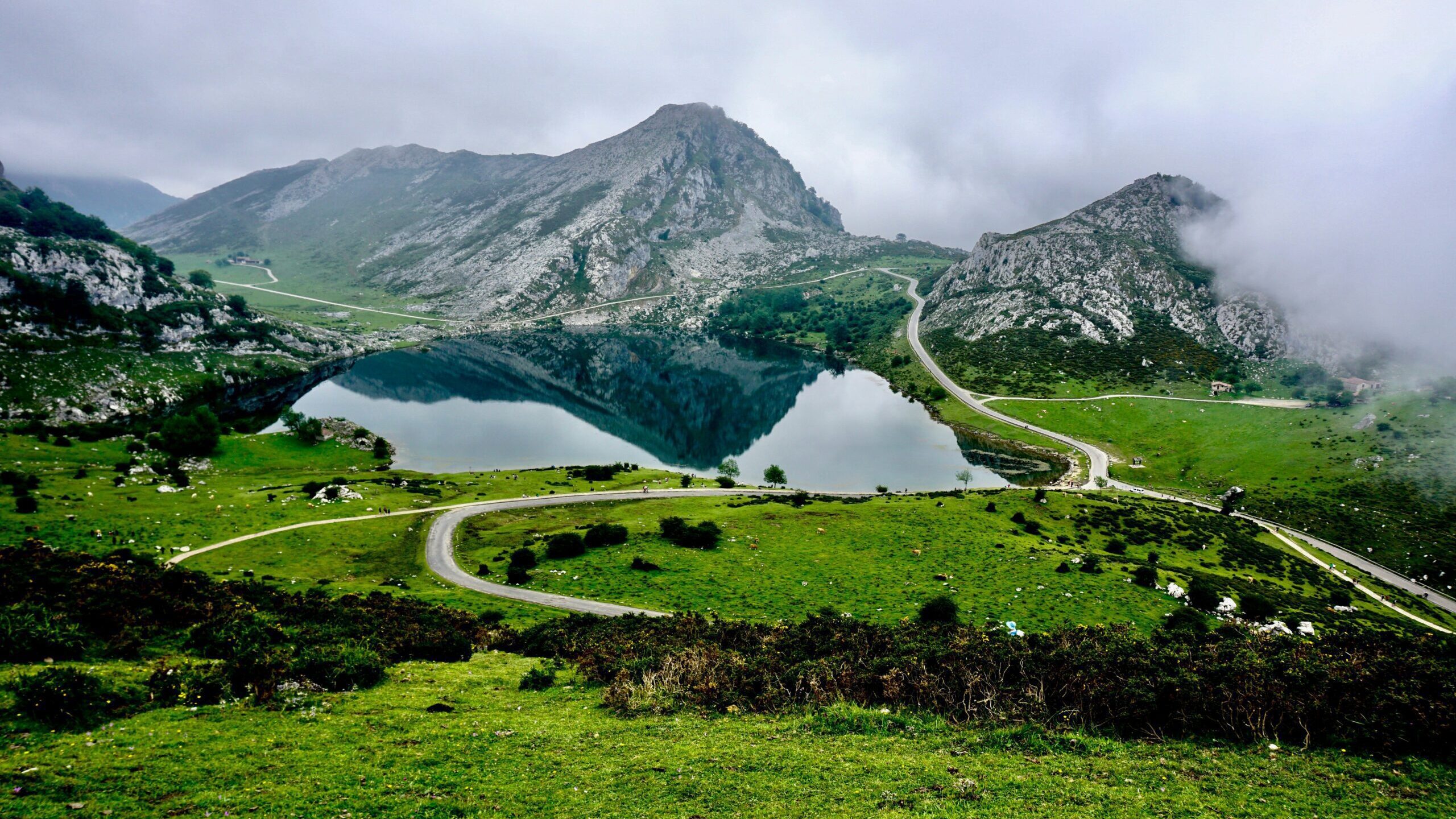
“The higher you get in altitude the more rugged it becomes. It’s proper mountain terrain, almost glacial with light gray limestone. Due to tectonic plate movement and glacier movement, there are plateaus and basins up there — that’s where the Lagos de Covadonga are. They’re around 1,500 meters altitude but still luscious and green, with beautiful blue lakes in the middle. They formed during the ice age; when the glaciers melted, the lakes and basins were created.”
“That part of the country is often forgotten”
So why is this area still relatively underrated?
“Spain is associated with beaches and big cathedrals — people don’t necessarily think of green Spain,” says Maddy, referring to Northern Spain. “That part of the country is often forgotten, in part because it’s not as accessible by train or plane.”
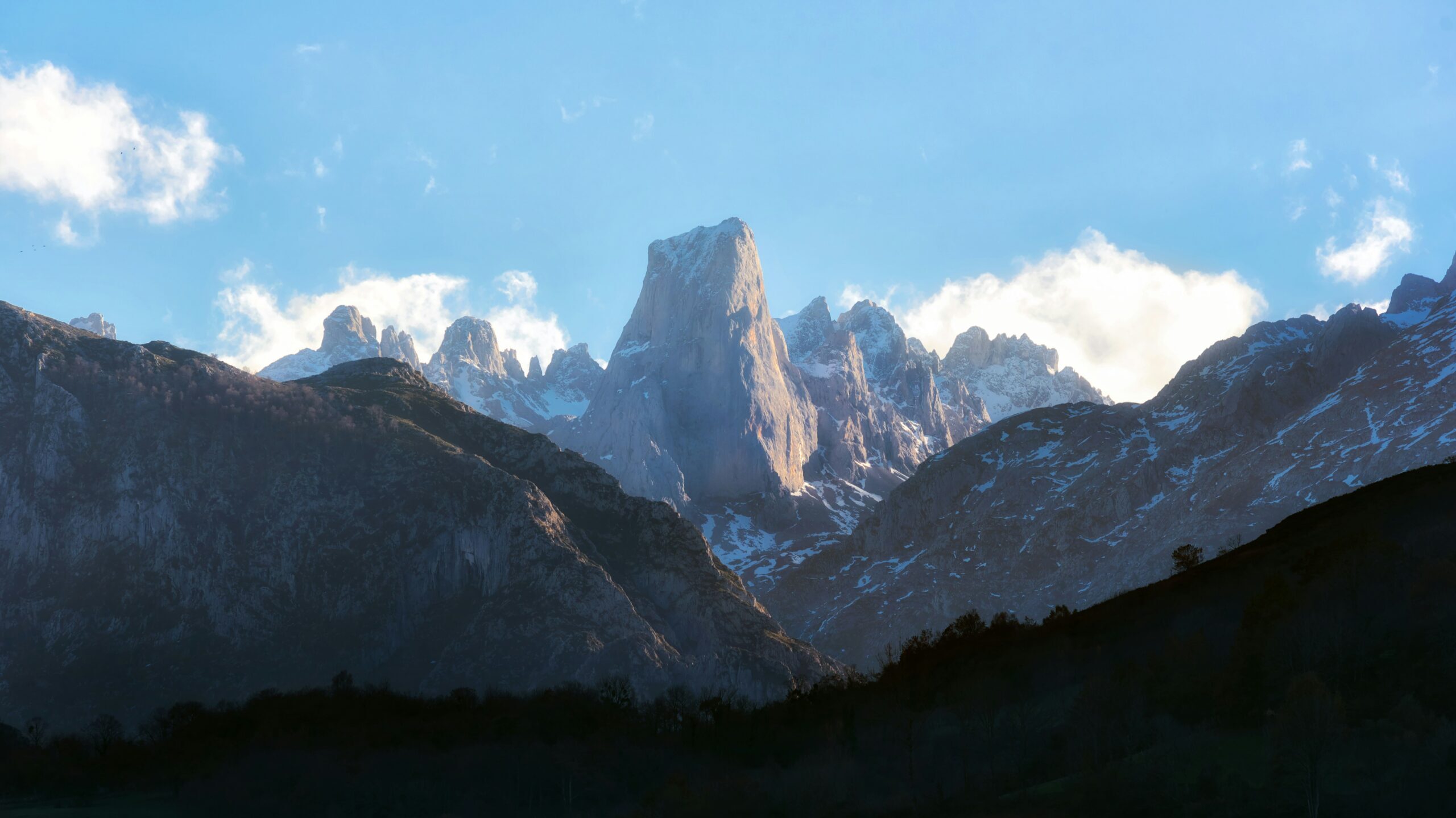
“The Picos were also discovered a lot later than other European mountain ranges. There’s one very famous mountain in the Picos called the Naranjo de Bulnes (‘Picu Urriellu’ in Asturian). It’s a unique shape and so steep that you can’t really hike the mountain itself — you can only climb it. People first climbed it maybe 100 years ago, whereas people were climbing mountains like the Matterhorn or the Jungfrau 70 years before then, so those were already established mountaineering destinations.”
Though it is becoming more popular — it recently topped Time Out’s list of most beautiful places in the world — as travelers seek quieter, off-the-beaten-path destinations, it hasn’t lost its magic. “When you go to the Picos, it still feels like you’re finding a place that hasn’t been fully uncovered or made it into typical guidebooks yet,” Maddy says.
“Look into what you want to experience”
There’s no simple answer when it comes to the best time to visit the Picos de Europa as it depends on what you prioritize, but Maddy has her favorites.
“The Spanish tend to go in May or June, when the heat starts moving in further south. In July and August it does get quite crowded — it’s summer holidays, and people from the southern coast often come up into the mountains to escape the heat,” she explains.
“I really like traveling in September because the weather is just a little more stable, but late May to mid–June is really special too. There’s a higher chance of rain, but the mist adds to the atmosphere and makes it feel mystic. You still have a little snowmelt, so there are small streams coming down. Everything is starting to bloom.”
“I’d say the shoulder seasons — May and September — are the best times to visit. It never gets as crowded as, say, the mountains in Switzerland, Austria or Italy. The Picos are still very underrated by comparison.”
But doing your own research into what you’d like to experience — spring flowers, quieter trails, flowing rivers — is paramount. “I’d definitely recommend looking into what you specifically want to experience to work out when to visit,” Maddy suggests.
“The weather changes as drastically as the scenery”
Spain is known for dry summers, sunny days and sandy beaches. But, as Maddy’s already explained, that doesn’t apply to northern Spain — so here are her tips for visiting the Picos de Europa, and how to settle into mountain life.
“Expect all weathers in one day. We would drive into a valley with pouring rain, then go through a tunnel into another valley and it would be sunny. The weather changes just as drastically as the scenery itself. You have to be open to that.”
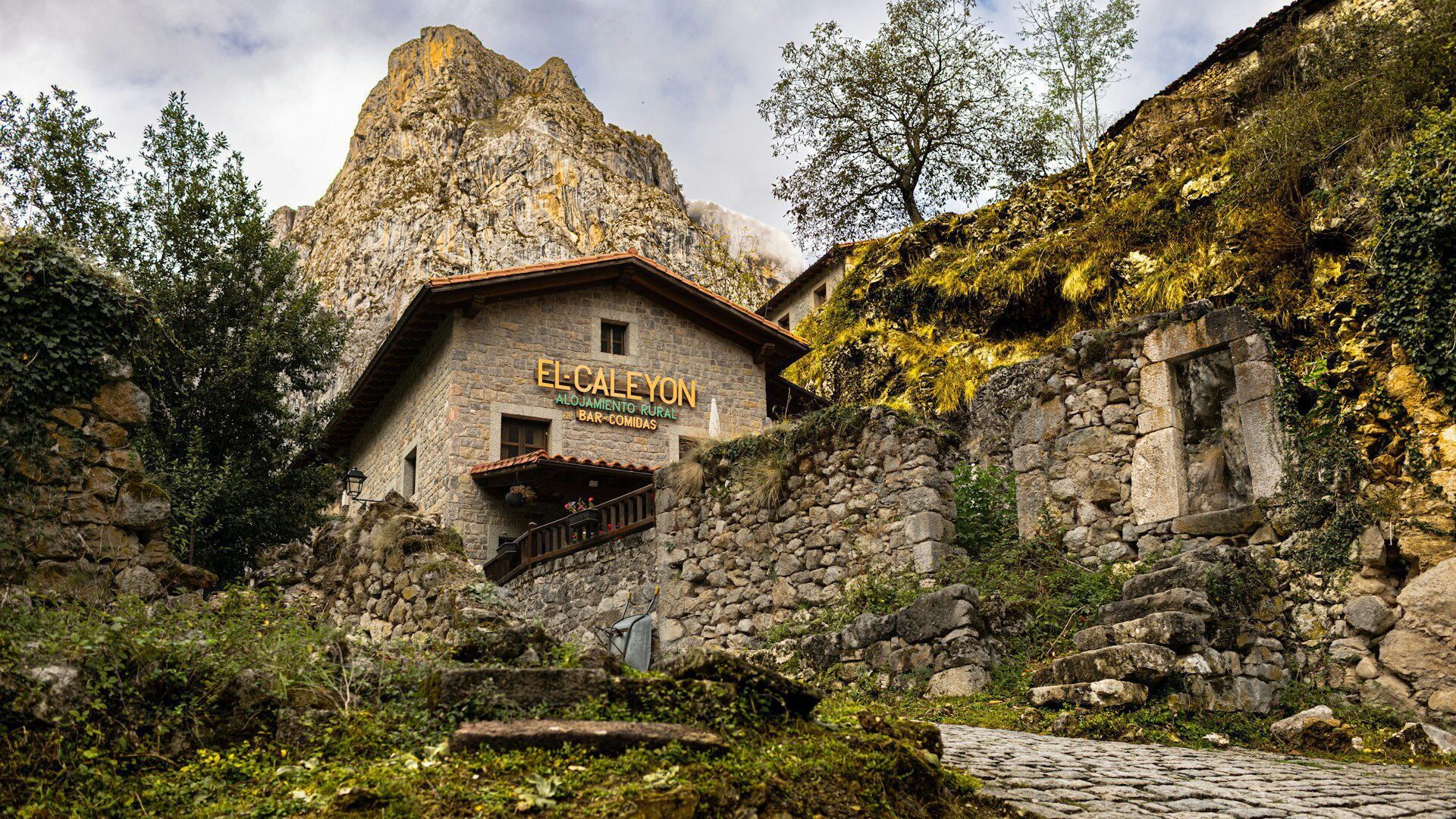
“In terms of where to base yourself, you can stay in the bigger coastal cities like Oviedo or Gijón where you can get into the park within an hour. But to really experience the essence of the Picos, I’d strongly suggest going further in and staying in one or two of the small towns,” she advises. “A lot of them are tiny — maybe four or five B&Bs and just a small convenience store — but you can find little bars and restaurants in most places. The Spanish are still Spanish, even in the mountains. They like to sit down and have their coffee or beer.”
Though experiencing the viewpoints and hiking trails of these mountains is a huge draw for travelers, a trip to the Picos isn’t all go. In fact, it’s strongly advised to do a little less in this part of the world. “The locals told us: when the sun starts setting, just sit outside, have a glass of wine, and watch how everything changes with the light,” Maddy recalls. “Because the color of the limestone is so light, when the sun goes down the mountains almost look like they’re on fire. Then the sun drops completely and they become silhouettes, and the sky fills with stars. There’s absolutely no light pollution; it’s just a sea of stars.”
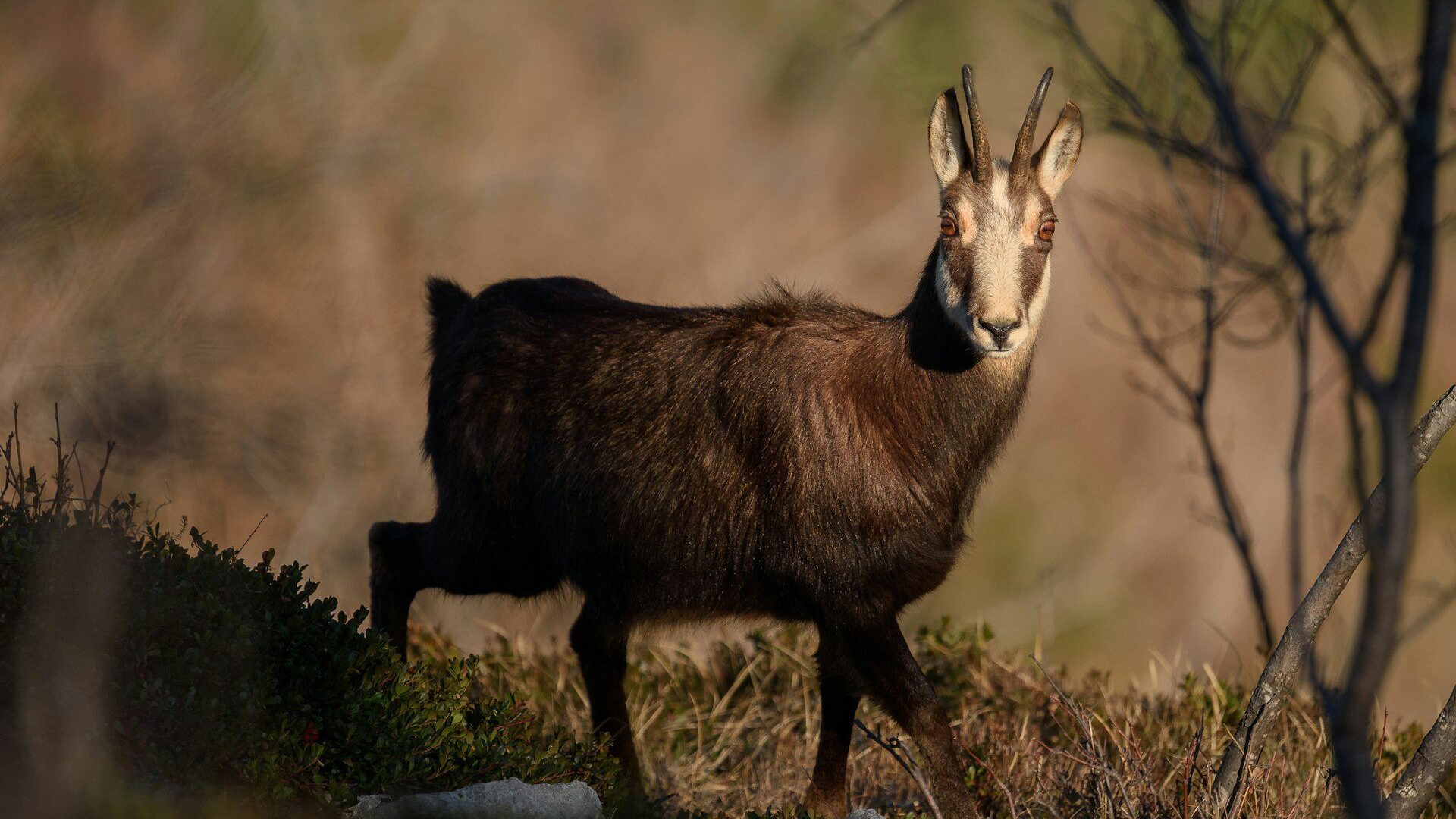
“It’s a place where humans, animals and nature coexist. You really have to take the time to just enjoy it; the fresh mountain air, the locals you hear in the distance, cicadas or other animals running through. When you go further into the mountains and the small villages, it’s a beautiful opportunity to just slow down.”