


Checking the weather before my trip to Madeira, there came a spanner in the works: a few days of rain. I’d planned for a week of outdoor exploring and hiking, not wet weather, but it turns out even the ‘island of eternal spring’ needs a shower from time to time. I clocked the Madeira Banana Museum, a short walk down the steep hill from where we were staying.
I half-seriously added it to our itinerary, not convinced we’d go — it sounded a little niche. But when the scheduled day of rain arrived, this little museum gave me some deeper context to the island, which recently found itself the top trending travel destination of 2026.
Madeira’s pride
Do you really know how bananas grow? I didn’t — to my shame.
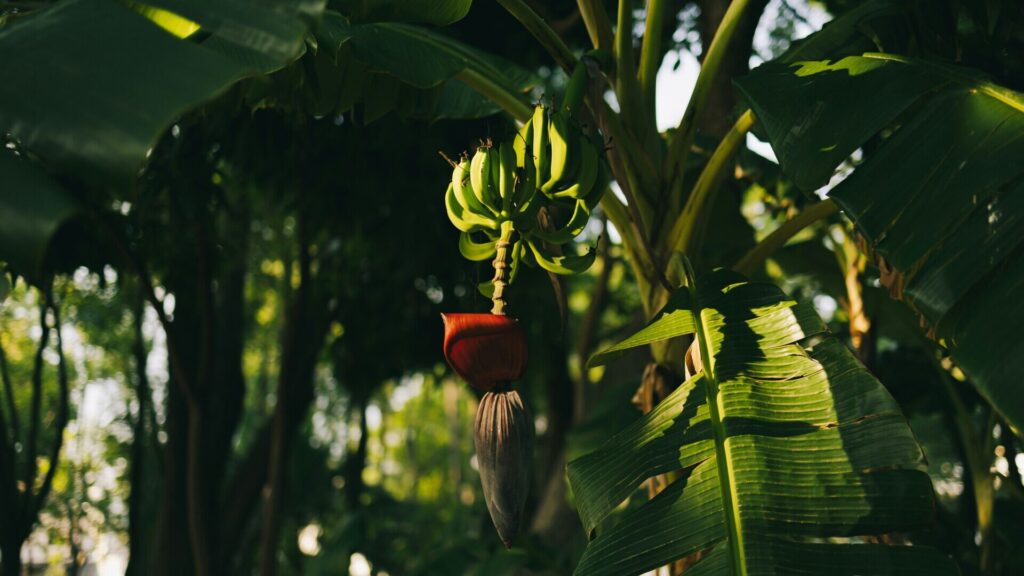
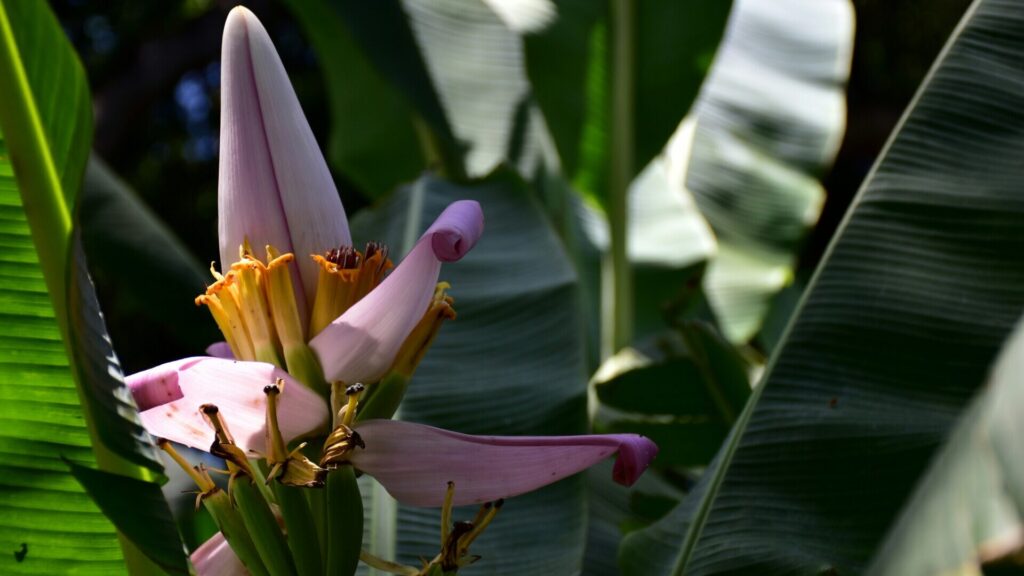
What I found out is that banana plants are not trees, they’re herbs, and what’s commonly called the trunk is really just a stack of tightly-wrapped leaves. Bananas themselves start out as little tubular flowers that then become fruit (in this case a berry, botanically-speaking). Those little flowers are wrapped inside what looks like one giant flower (known as the bud) made up of closed, dark red petals, which peel back layer after layer to reveal new clusters — or bunches, if you will.
I should not have had to travel to Madeira to get a greater understanding of how the world’s most exported fruit grows. I did, however, have to venture there to discover how the island has been shaped by this fruit bowl staple since it was first imported in the 16th century.
Bananas are not native to Madeira. They were first brought to the island by Portuguese traders in the 16th century, and went from growing solely in the gardens of nobility to becoming one of Madeira’s main exports by the 20th century. Thousands of tonnes of Madeiran bananas were transported to mainland Portugal, England and northern Europe.
Now, unless you’re in Madeira or Portugal you’ll be hard-pressed to find one of the island’s signature fruits, as EU legislation adopted new standards for length and curvature of bananas in the 1990s — the small, curved Madeiran banana didn’t fit the mold. But they’re still a huge source of pride for the island, notably sweeter than the globally recognized Cavendish banana.
The southern side of Madeira, where its capital Funchal is based, is the sunnier side and where you’ll see most of the banana plantations. Growers cover the hillsides with leafy green terraces, sprawling steeply down towards the Atlantic Ocean.
On this mountainous island, bananas are grown on terraced plots and irrigated by levadas, Madeira’s centuries-old irrigation system. These narrow canals transport water from the wet mountains in the north to the southern dry coastal slopes. The levadas are another important piece of Madeira’s history puzzle, with a network of over 3,000km covering the island. I’d highly recommend walking along a levada trail; following these extensive channels takes you past plantations, waterfalls, through tunnels and along cliff-sides.
Visiting the Banana Museum
Officially known as Centro Da Banana da Madeira, affectionately known as BAM, Madeira’s Banana Museum opened in 2022 — so it’s a relatively new addition to the island, found 15km outside the main city of Funchal among those picturesque terraced hillsides.
Tradition meets innovation in this small but mighty attraction. Around one corner you’ll find a wooden tabletop from 1901, crafted from indigenous trees and inlaid with pictures of men carrying bunches of bananas, gifted to King Carlos I and Queen Amelie (the final reigning monarchs of Portugal). Round the next, holograms transport you across the island and a digital installation shows the stages of banana ripeness in highly scientific terms.
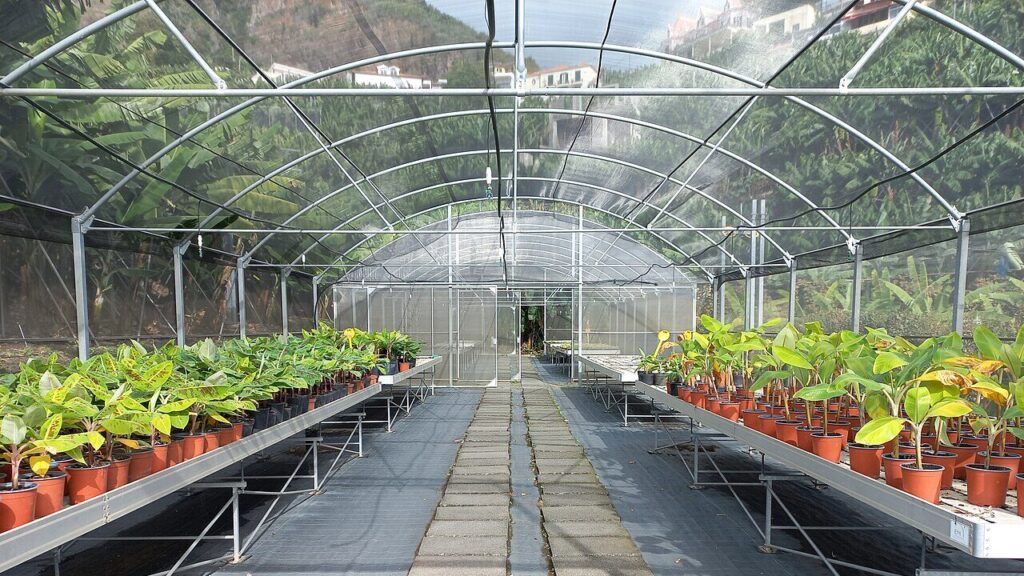
Of course, there’s no way a museum about bananas could be fully indoors. You can also wander through experimental plantation fields, high-tech greenhouses and working agricultural plots, with banana nurseries where you can see young plants (‘pups’) at different stages of growth up close.
But I’ll stop there — I don’t want to give it all away.
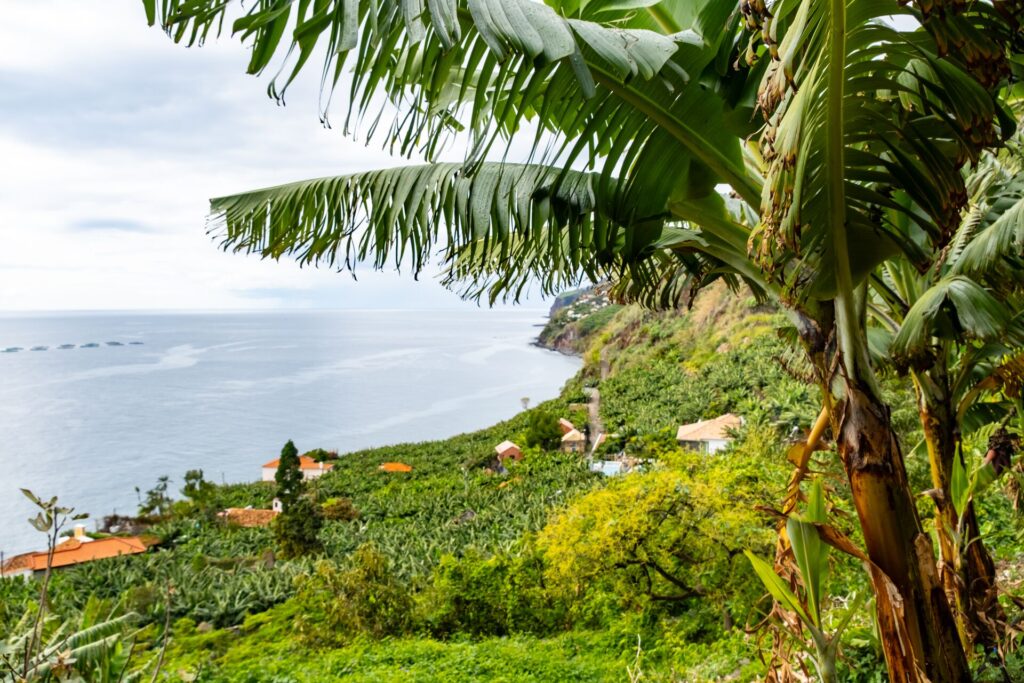
I learned about the fruit, but I also learned about the island: the difference between the lush, green north and the warmer, drier south; how Madeirans have been balancing cultivation with respect for the land, and why they are so proud of their produce.
Speaking of which, the whole experience has to be rounded off with a visit to the cafe. Try banana bread, banana pastel de nata, or if you’re feeling adventurous, a banana beer — all enjoyed with views out over the rugged coast of Ponta do Sol.
This relatively short visit left its mark on the rest of my trip. It gave me the courage to try ‘espada com banana’, the signature dish of fried black scabbardfish and cooked banana (it shouldn’t work but it does). When I came across the countless fruit markets dotting the street corners of Funchal, I didn’t just want to stock up on Madeiran bananas but other local produce, like papaya and passion fruit.
I’m so glad I peeled back the layers of this island’s history before climbing its mountain peaks. Like the local banana, sometimes it’s the smaller things that are worth seeking out.