



“Portugal has a kind of a dual personality…if it were a zodiac sign, it would be Gemini.”
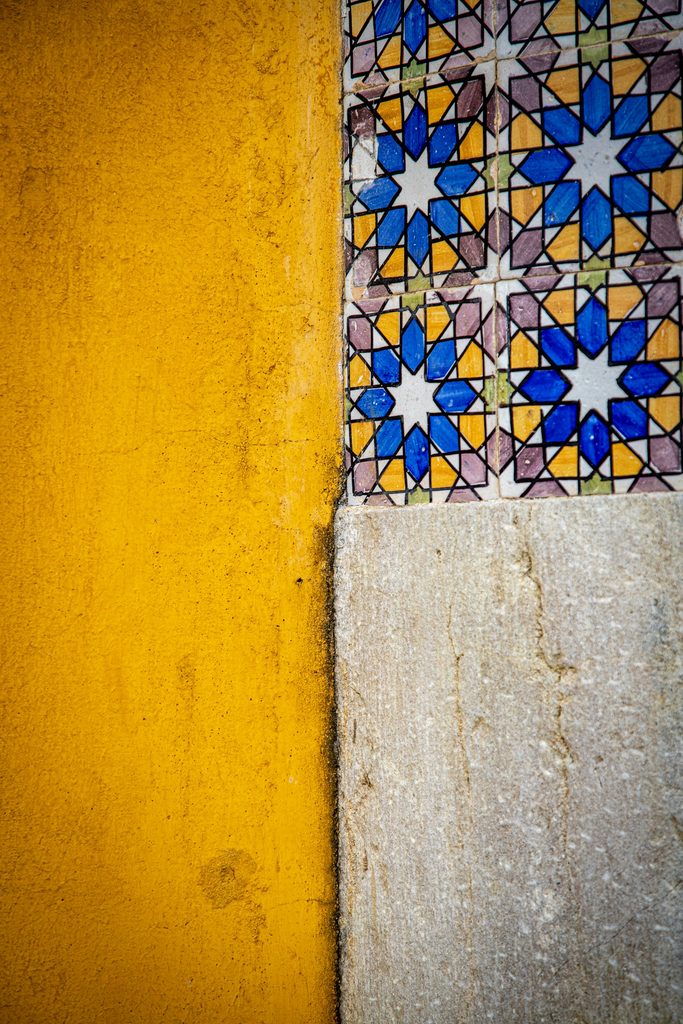
Famous for its unhurried beauty — found in azulejo tiles and creamy custard tarts — Portugal is one of Europe’s oldest nations and was unrivalled on the sea during the Age of Discovery. Alongside this legacy, found in the quiet of untouched medieval towns and slow fishing villages, it looks to the future with bustling tech hubs being built along its coast. This is a country of contrasts, conquests and delicious custards unpacked by Sara Veloso, who has led guests here as a Trafalgar Experience Director for the best part of a decade.
What’s your personal connection to Portugal?
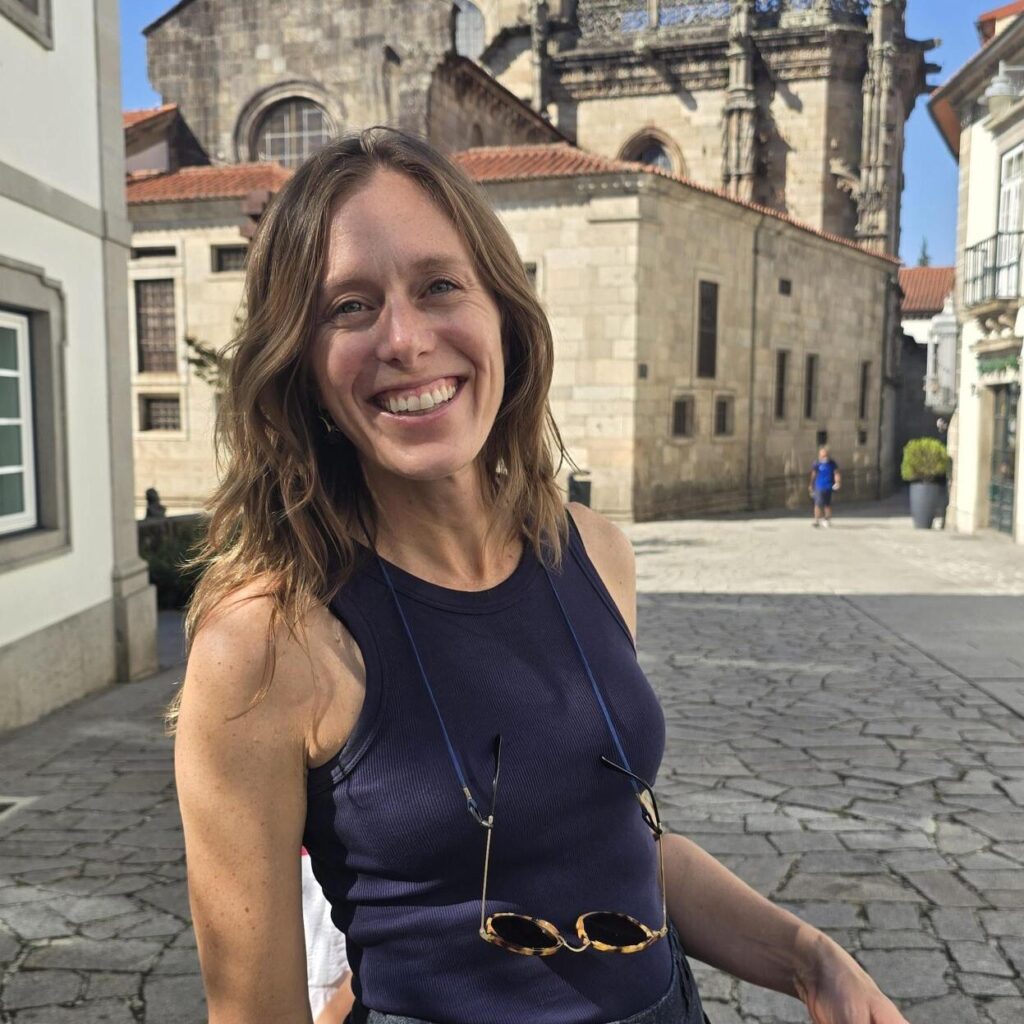
“My husband. We met in London, but decided to raise our family in Portugal, where he’s from. So I’ve been living here for 14 years now. I’m originally from British Columbia, Canada, so a long way away. They’re worlds apart. The weather obviously is quite different, so the climate is a significant change for me, but I love it. I was a Travel Director for about 10 years. When I started, I was doing European trips that cross through many European countries, then I specialised in UK and Ireland trips, and when I moved to Portugal, I specialised in Portugal and Spain. Now I’m in the TTC office, where I am able to take my on-road knowledge and understanding exactly what the guest experience was, and translate that into the content work I’m doing now.”
What was your favourite place to visit on tour, and why?
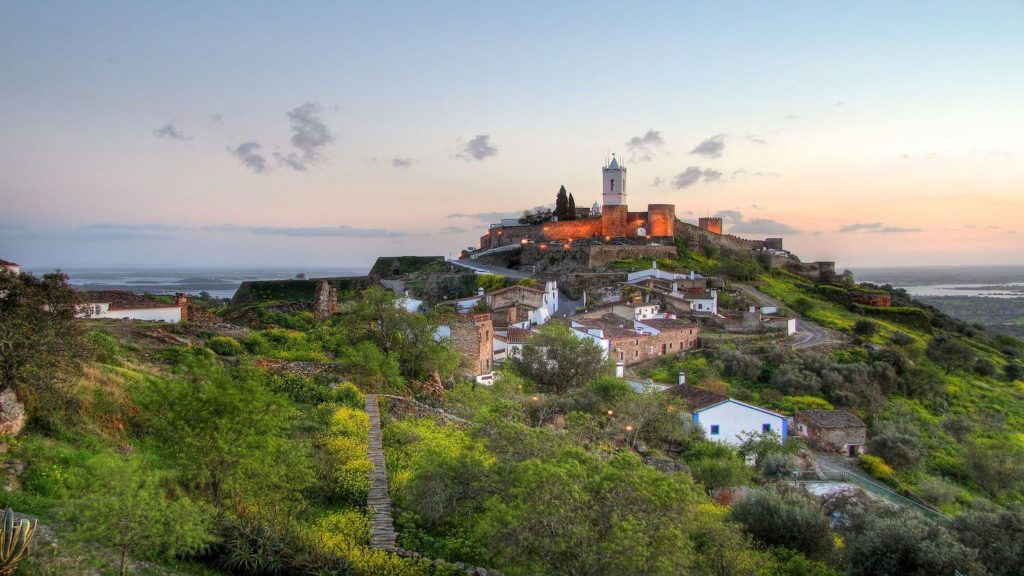
“When I was running trips, one of my favourite places to visit was Monsaraz. It’s a little hilltop town in the middle of rural Alentejo. You’ve got narrow cobblestone streets, only accessible by foot, typical whitewashed houses, a medieval fortress, and panoramic views across the surrounding plains, hills, lake, and even into Spain. The views are incredible. The thing with Monsaraz is that it’s quite far off the beaten track. It’s not one of those commonly visited towns or cities, so it’s not a place that our guests would probably travel to on their own. And it’s completely unexpected. When I was working as a Travel Director, it always delighted me to see the wonder on their faces when they would see Monsaraz for the first time, because it really is a special place in the world.”
You may also like: Spain vs Portugal: which country should top your travel list?
If Portugal were a person, how would you describe their personality?
“This is a difficult one to answer, because Portugal has a kind of split personality, or dual personality. You’ve got its historic impact during the Age of Discoveries. It’s undeniable how important Portugal’s history is and how interconnected it is with the rest of the world, and it still reflects those strong maritime traditions. But then you look at modern Portugal and you see it’s also a very forward-focused country. Look at Portuguese inventions that have influenced the world, and ongoing development in the tech industry too. It’s a country that is holding on tight to its past while also looking very fixedly at the future. So I would say it’s got a dual personality. If it were a zodiac sign, it would be Gemini. You really feel it in the north, that tech investment, basically between Porto and Braga.”
What’s the biggest misconception visitors have about Portugal?
“That it’s nothing more than a beach holiday destination. Don’t get me wrong, it’s got almost 1,000 kilometres of coastline, and the beaches are great, but the country has fascinating history. The nature is gorgeous, food is excellent, hospitality is generous, and the lifestyle is relaxed. So it’s a great place to visit. When you get away from the coastline, there is so much to dive into.”
Is there a stereotype about Portugal that makes you laugh because there’s a grain of truth to it?
“Definitely: that it’s a very slow-paced country. It is very relaxed here, so there’s always time for a quick coffee and a chat. Generally, people don’t appreciate a rushed lifestyle. They opt instead for long meals with extended conversations. So the slow pace is a stereotype that I would say is true. You find very hardworking and industrious people, but they know how to have a good time.”
What question did guests ask you most about Portugal?
“The comparison with Spain is one of the most common questions that I would get. For example, does Portugal have a siesta like Spain? And the answer is no. Portugal and Spain have very different cultures and traditions. Spain’s known for its siesta culture, but Portugal is probably better known for its meal culture. Even today, many businesses will close for an hour and a half for a long lunch, and that is standard across the country.”
What do you miss most when you’re away from Portugal?
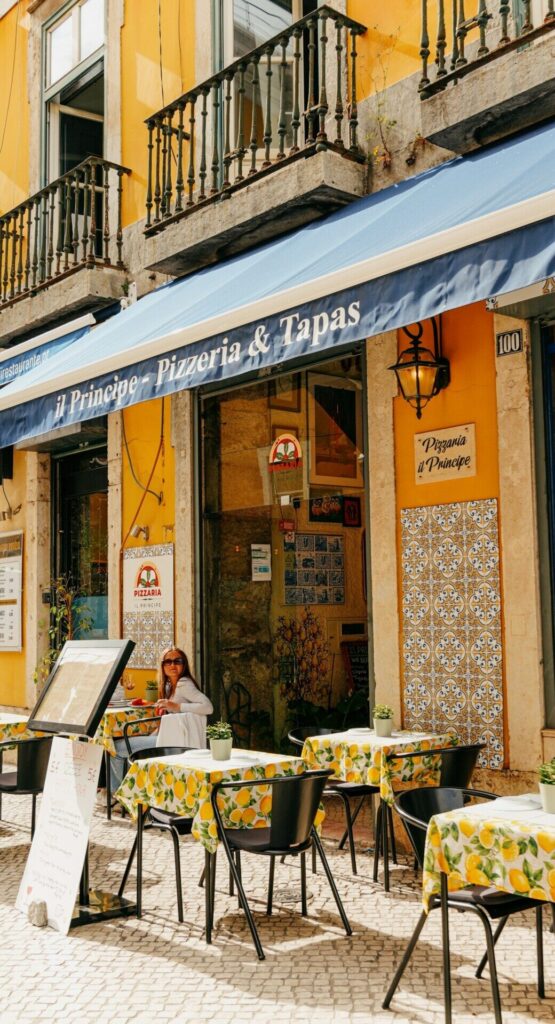
“Definitely the food. One thing I enjoy telling my guests is one of the rules of cooking in Portugal: if it needs a lot of spice and sauce to have good flavor, you’re working with the wrong ingredients. Portuguese cuisine is centered around simplicity and quality ingredients, and often it’s the healthier way to go. So when I leave Portugal, one of the first things I miss is the food.. If we’re going to go with a lovely mid-afternoon snack, I would recommend bolinhos de bacalhau, which are salted cod fritters, with a nice cool glass of vinho verde, which is young white wine. Every town, every city has its own claim to fame, and you can find the local speciality in any local bakery. Braga, for example, has a pastry called tibias, which is meant to resemble the tibia bone in your leg. It’s filled with custard and it’s got a soft doughnut casing with powdered sugar sprinkled on top.”
You may also like: France, Unpacked with Travel Director Tim
What’s your most valuable piece of advice for a first-time visitor?
“Bring good walking shoes. Historic city centres here are designed for walking, but you’ll encounter cobblestones and hills, so my recommendation is to come prepared. That way, you’re going to make the most of your time, and you’re going to really enjoy the city. When you visit Porto, there are some streets that you could never fit a car down, but you’ve got beautiful architecture or a beautiful view just around the corner. So you want to walk it. Porto, like Lisbon, is built on hills. They’re on riverbanks, and so you are definitely going to need those good walking shoes.”
Finish this sentence: you haven’t truly experienced Portugal until…
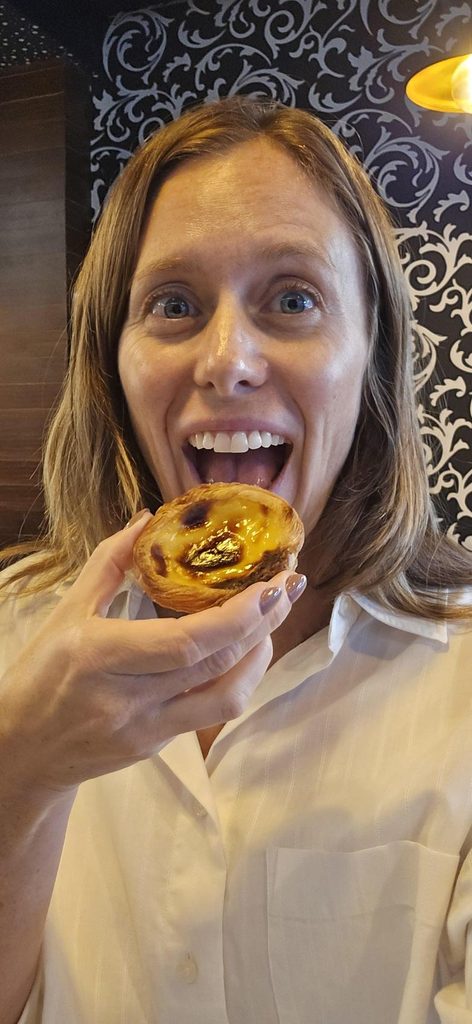
“…you’ve eaten a pastel de nata. Flaky pastry, warm creamy custard, with the Portuguese sun on your face…it’s better than a selfie with Cristiano Ronaldo.”