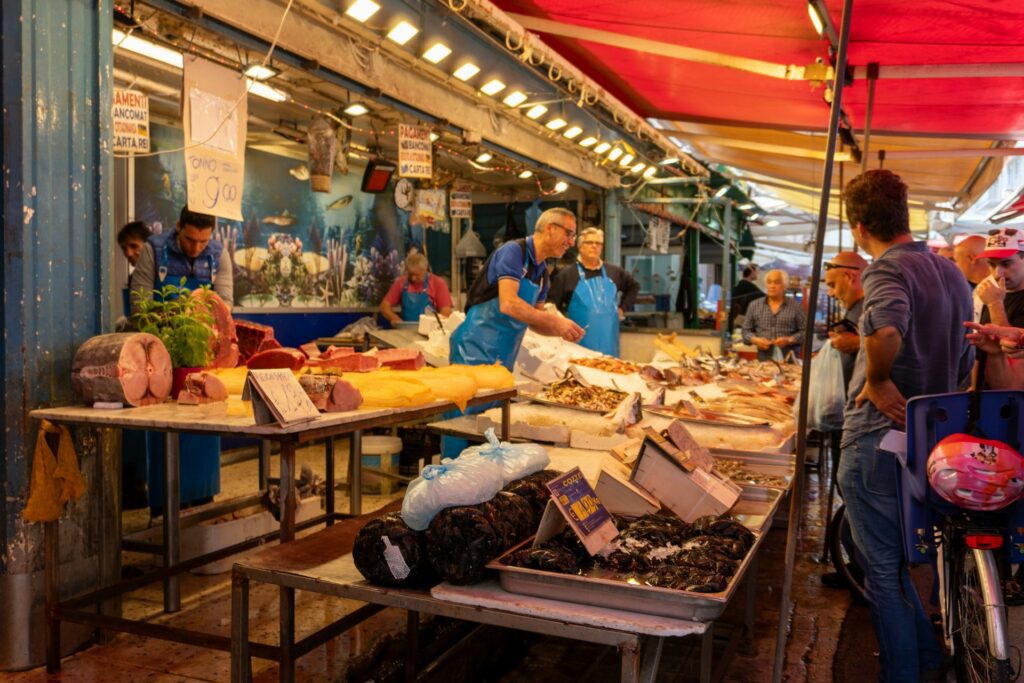


When planning a trip to Europe’s most famous culinary destination, one question always sparks a passionate debate: where can you find the absolute best food in Italy? Everyone has their favorite spot, and finding the best food in Italy often depends on whether you prefer hearty rustic dishes, fresh Mediterranean seafood, or world-class street food.
To settle the score, or maybe just make us all really hungry, we sat down with Travel Directors (and resident Italians), Margherita and Patrizia, to hear their local insights. They share their top picks for where to find the best food in Italy, what dishes you absolutely must try, and the dining rules every visitor needs to know.
If you had to pick one city for the best food in Italy, which is it — and what makes it stand out?
Patrizia: “I think you know the answer to that question and the answer is Bologna. It’s the mecca of lasagna and lasagna verde, with spinach in the dough so you have the three colours of the Italian flag. In Bologna they also have the Accademia della Cucina Italiana: the book with all the recipes.”
Margherita: “If I had to pick one city it would be Bologna. Nicknamed ‘La grassa’ (the fat), it’s the capital city of Emilia Romagna. The diversity and variety of amazing products we cook, prepare and serve is second to none, the region is very agricultural so we have a rich variety of vegetables but we also love meats, especially pork.
What does this city do better than anywhere else?
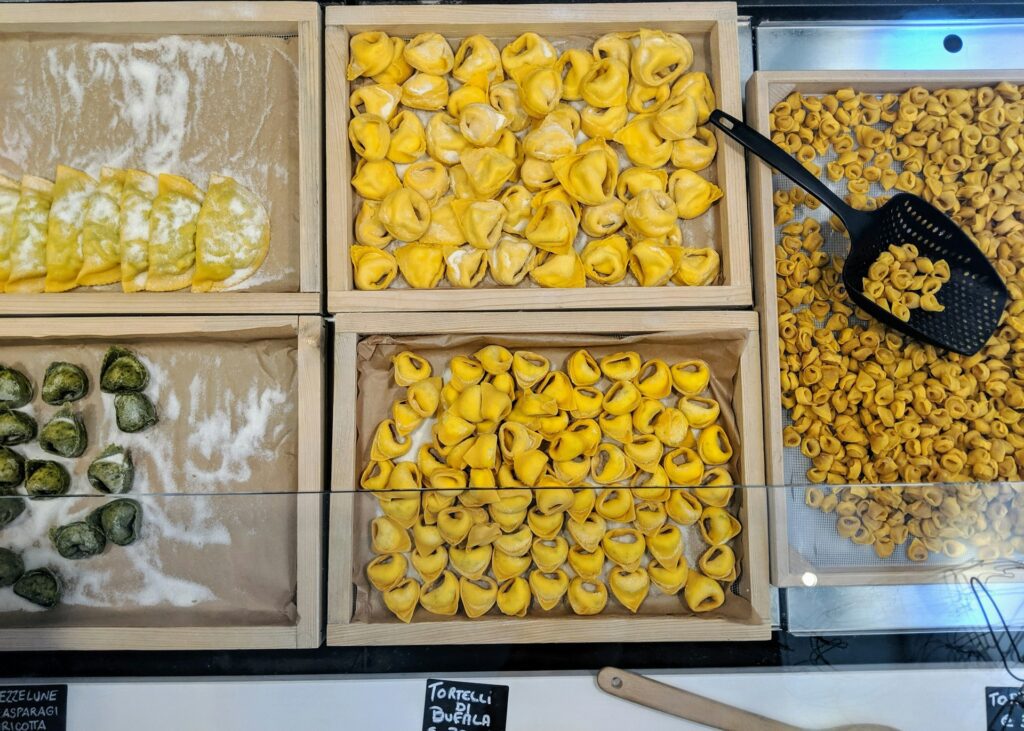
Patrizia: “I think I picked Bologna because of the variety of the pasta. You have regular lasagna, the lasagna verde, you have the tortellini and tortellini in brodo, which is served in a broth. And then they have the tagliatelle with ragu, but you also have cannelloni which is tubed pasta stuffed with bechamel sauce, ragu and tomato sauce.
“You also have huge ravioli called balanzoni, they can have inside radish, artichokes, spinach… and they can be so colorful. Even just walking on the market street near the main church, you see all these big ravioli and it’s just ‘wow’. The pasta is all fresh, and when they make the dough they make it flat before they do their cuts, it’s very thin. It’s like wafer-thin. So when you eat your tortellini from Bologna, it melts in the mouth.”
Margherita: “Our tradition in Emilia-Romagna puts family and good company at number one in the list of priorities so the most important thing about a meal is to enjoy it with those you love and have fun with: laughing out loud and being loud in general is key at our tables. Our typical Sunday meal doesn’t last a whole day like in southern Italian regions, it normally goes from 11:30 to 2:30 pm as pisolino (afternoon nap) is another key ingredient to a great meal and to happiness.”
If a guest only has 24 hours there, what are the 3 “must-eats”?
Patrizia: “Tigella is when you make dough like you want to do a pizza, but you make a little disc and then you warm it up — and then once it’s cooked, you cut it and stuff it with mortadella, squacquerone (similar to cottage cheese) or anything else. I would have that and gnocco fritto with ham, and then have either tortellini or lasagna.”
Margherita: “If you are in Bologna you must try gnocco fritto with mortadella as a street food, then sit down in a Trattoria and have a bis (two different servings of pasta) of tortellini in brodo and tagliatelle al ragù. Must drink wines: Pignoletto, Barbera and Lambrusco, which is a delicious sparkling red, served cold.
What’s the best place to try it?
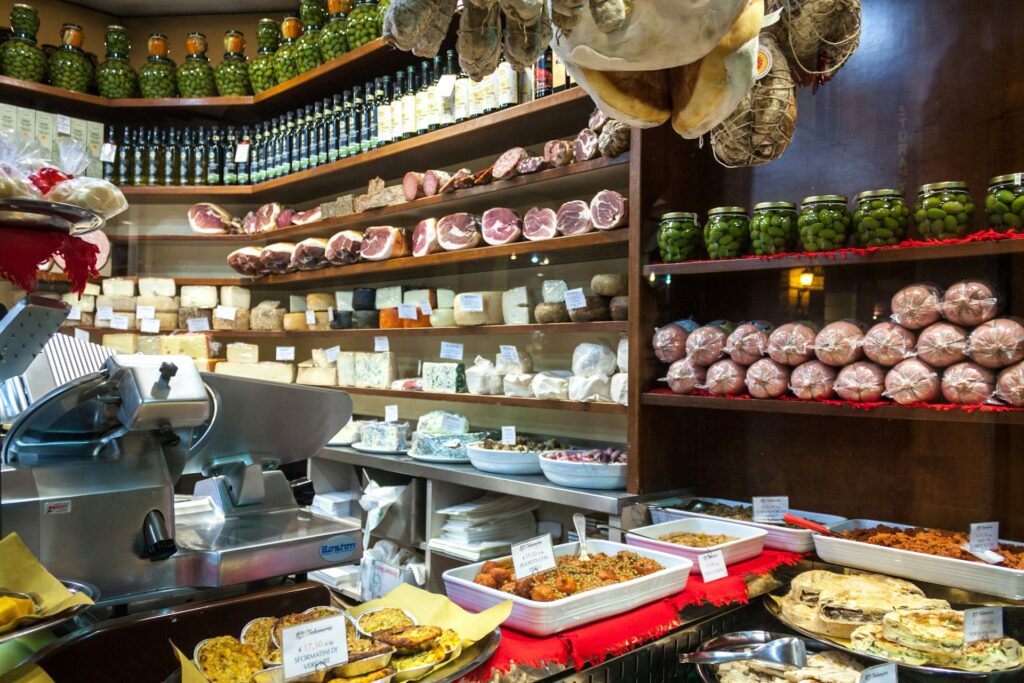
Margherita: “There are so many open-air food markets in town that you can stop at while strolling the charming historical center of Bologna and so many local restaurants, it’s really hard to find a bad meal in this city!”
Patrizia: “Look for a family-run trattoria — the signs to look out for are that it really looks like old world, not a stereotype of Italy. It will probably not be found on a piazza, but down a small side street. It might have check-patterned tablecloths, but more importantly it will be run by members of the same family, from grandmothers to grandsons. The menu should be short and written in Italian. If it’s in multiple languages with pictures, it’s not authentic. Perhaps the best clue of all though is if you see a lot of Italians inside — maybe a large family with the babies and the grandmother, all eating together.
What’s the best time of year to visit for food, and why?
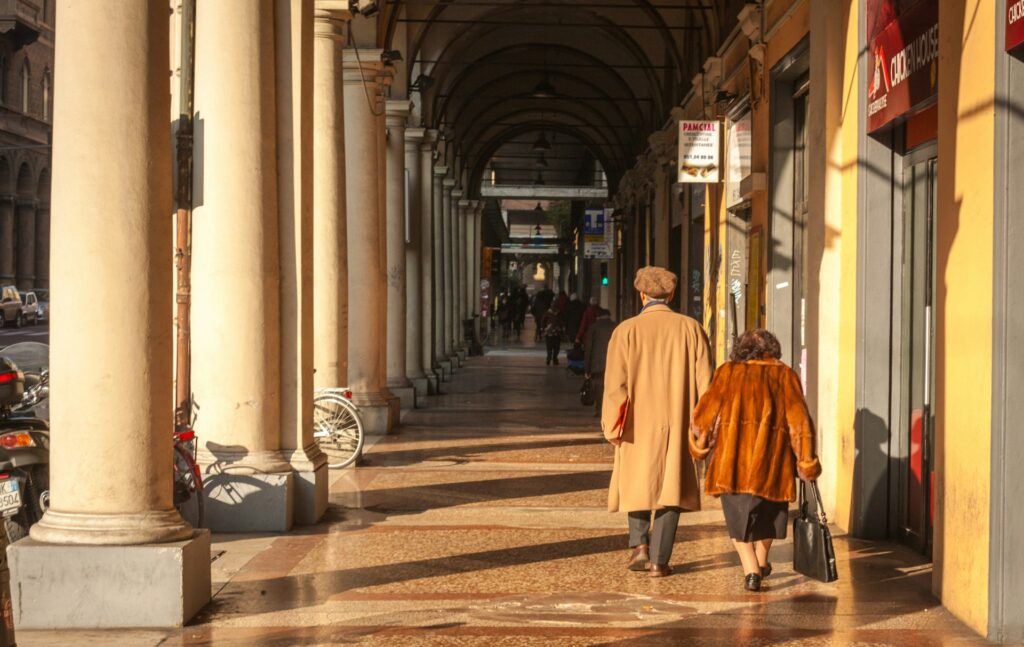
Margherita: “For Christmas there is a magic atmosphere and all the porticoes that make the city famous will protect you from any bad weather while introducing you to all the shops (food and so much more). As the region is mainly agricultural you’ll find different produce at different times of year — so between spring and summer you’ll find asparagus and artichokes, tomatoes, eggplants zucchini and zucchini flowers. Then in the fall, mushrooms and truffles. Mother Nature gives and the Bolognesi cook and eat.”
What do visitors often get wrong when they eat in this city?
Patrizia: “Expecting to eat food that doesn’t really exist in Italy, such as ‘spaghetti with meatballs’ or ‘fettuccine Alfredo’. Also, expecting to be able to eat in the later afternoon or early evening. Most restaurants don’t start serving until around 7:30pm, but it’s more normal here to eat between 8-9pm.”
Margherita: “What many visitors often don’t understand is that what is typical in one region of Italy might not exist in another region. If you want to understand our culture then you must dive into gastronomy and spend time at the table, talk about food and understand what you are having and where it comes from. Understand that at the core of our way of eating is freshness and knowledge and respect of the products we use. Don’t look for “Italian Dressing” because Italians don’t even know what it is, we dress our dishes with liquid gold which is extra virgin olive oil, and you don’t need anything else if not some salt and pepper (and maybe balsamic vinegar — which is from Modena which is also in Emilia Romagna, of course).”
What city comes at a close second, and why?
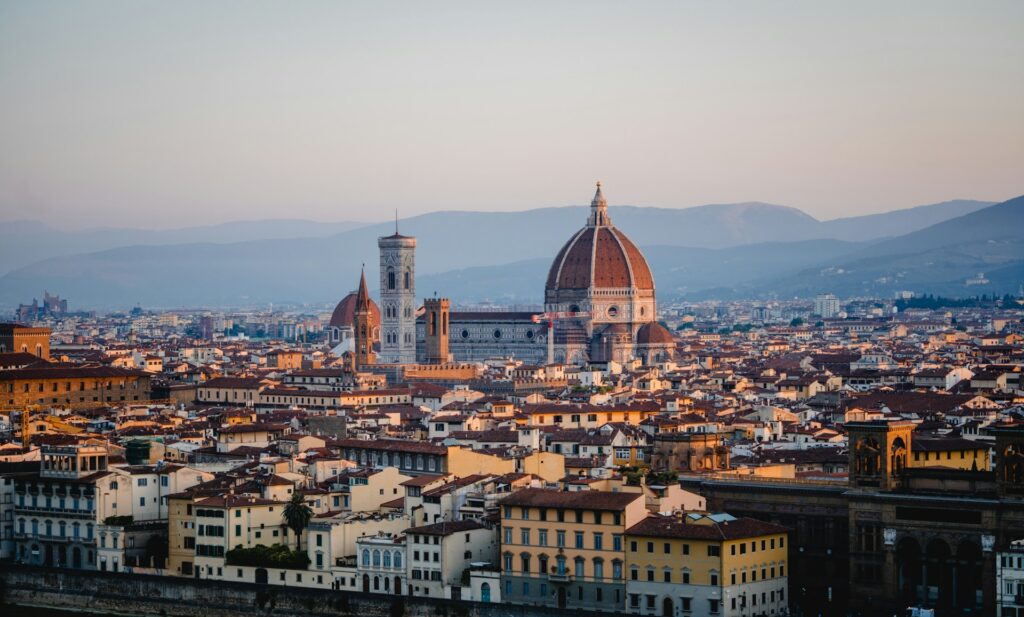
Margherita: “The city that comes second for me, and I must admit I was in doubt if putting it at the first place so I really like it, is Florence. I generally love the way they eat in Tuscany as they serve a lot of seasonal vegetables which are my favorites, they are our neighbours (Tuscany and Emilia Romagna regions border) so we have a lot in common. The biggest difference: they adore their cows and we adore our pigs (Chianina beef and T-bone Florentine steak vs. mixed grilled pork meats).”
Patrizia: “As a second, I picked Rome because it’s got the famous stuff. So Carbonara, Puttanesca, Cacio e Pepe, Amatriciana, Gricia, which is like carbonara but with no egg. And then they have their fried artichokes, artichokes done in any way you can think of. And then they have coda alla vaccinara, which is like a stew with the tail of the cow. I think Rome for this variety of well-known recipes and you can’t get it wrong. It’s easy to find. It’s all over the place.”
What’s your favourite region for food, overall?
Margherita: “My super favorite foods comes from my super favorite region which is my region and that is Emilia-Romagna. This is where I was born and raised so for me the best dishes come from here as they are connected to precious memories and also because we have rich traditions that combine great products and flavours. A lot of what you know as ‘Italian’ actually comes from Emilia-Romagna but you don’t know it does. Parmesan cheese, Bolognese sauce, Parma ham = prosciutto, balsamic vinegar, Ferrari, Lamborghini, Ducati, Pavarotti…!!!”
Patrizia: “I picked Sicily because of my Sicilian descent. Eggplant is a thing in Sicily, there are a million recipes with eggplant: eggplant stew and grilled and sliced and breaded and all sorts. There’s Caponata, which they often put cubes of swordfish or tuna, which is nice because you prepare it ahead of time and then you usually eat it lukewarm or actually cold and it’s something that goes well for the summer heat. And then they have pasta al forno, which is a big pasta like in loops. It’s like a ring and they do it with sauce and they can put eggplant, they can put cheese and so they bake it. Same concept, you prepare ahead of time and then you just warm it up just before it’s time to eat it. And then fish. All the fish you can think of, not just tuna and swordfish, but all the sea bass, the snapper, cod, mullet. A lot of fresh fish like the catch of the day, fresh off from the boat and all the seafood, all the mussels and clams and calamari…”