



When’s the best time to visit South Korea? Well, it really depends on what interests you. This Asian nation experiences four significant seasons, each offering a different experience to visitors. From crisp spring days dusted with cherry blossoms to the fall foliage of autumn, when you decide to visit shapes the landscape and your experience entirely. In this guide we’ll dive into each season and the best and worst times to visit so you can decide when to book your South Korea tour.
Best time to visit South Korea: seasonal breakdown
Spring (March – May)
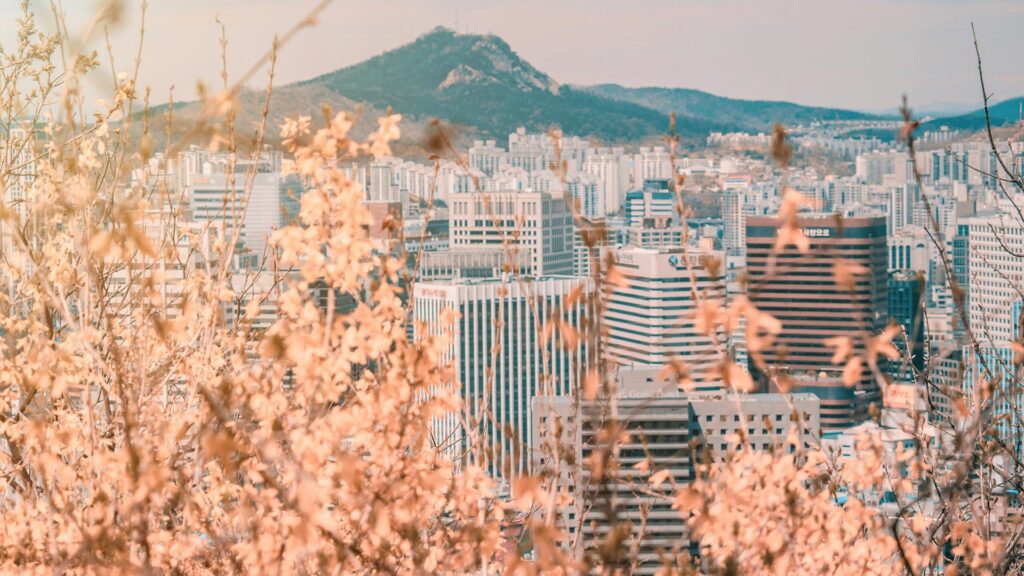
Spring in South Korea offers up mild temperatures and pleasant weather, making it a popular time for travel. Note that the average temperatures soar from around 6°C (43°F) in March to 17°C (62.6°F) by May. In spring you’ll find a blooming display of cherry blossoms, forsythia, and azaleas brightening the landscape, beginning in the southern regions and moving northward. It’s a prime time for flower festivals and sightseeing before the summer heat – but it’s also a peak tourist season so expect larger crowds and higher prices for flights and accommodations.
Summer (June – August)
Summer in South Korea is hot, but the energy is electric. It’s a great time to visit Busan’s beaches or cool off at waterpark with average temperatures ranging from 23°C (73.4°F) to 29°C (84°F). Note that the monsoon season, known as jangma, usually falls between late June to late July, bringing heavy and frequent rainfall. The rain often comes in powerful, short bursts, leaving plenty of time for exploring – but it could dampen your fun a little! Expect high humidity and the potential for typhoons later in the season.
Autumn (September – November)
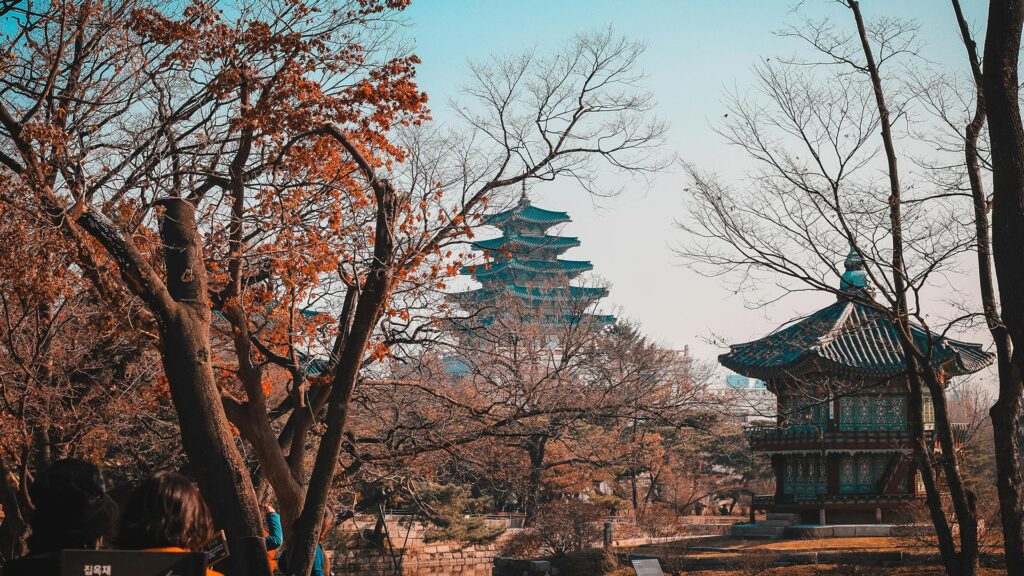
Autumn is an optimal time to visit South Korea thanks to the cool, dry weather and clear skies. Humidity drops off and temperatures average between 10°C (50°F) and 20°C (68°F). The primary draw of this season is gorgeous fall foliage. The leaves on mountains and trees turn brilliant shades of red, orange and gold, starting in the north in late September and progressing south through November. An ideal time for hiking and photography! As with spring, autumn is a peak season – so book your travel or South Korea tour well in advance.
Winter (December – February)
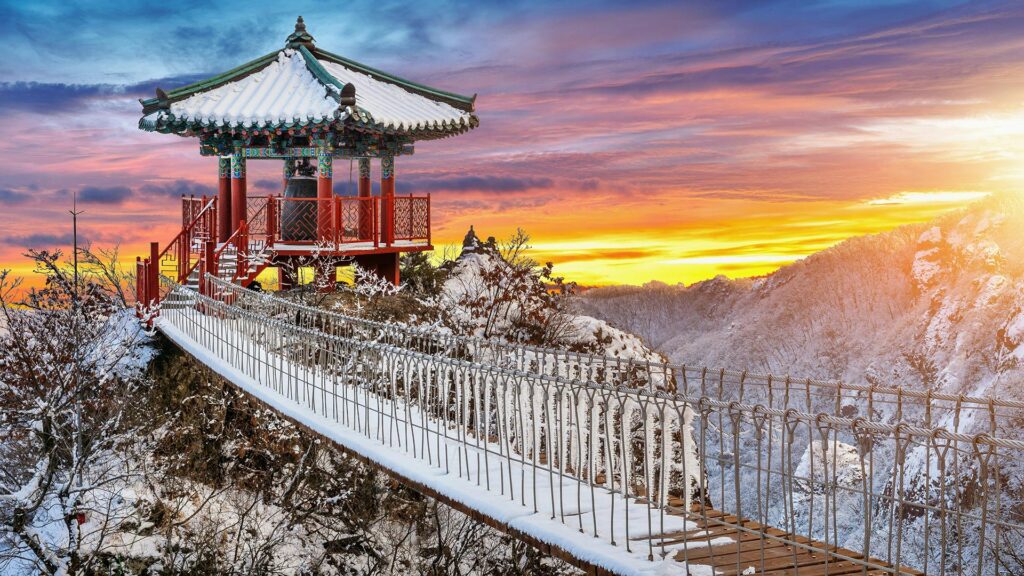
Winter is cold and dry, particularly in the northern parts of the country where temperatures often drop below freezing! A blanket of snow often covers the landscape, adding a layer of charm to historic palaces and temples, and the average temperatures in Seoul sit around -2°C (28°F). If you like skiing and snowboarding, visit the resorts in Gangwon-do province. You can also go ice fishing or visit festive holiday markets. Winter is considered an off-peak season, so expect fewer crowds, lower rates, and steaming bowls of seolleongtang (ox bone soup) after a day of sightseeing.
READ MORE: Korean Christmas dinner and more festive traditions
What is the best time to see cherry blossoms in South Korea?
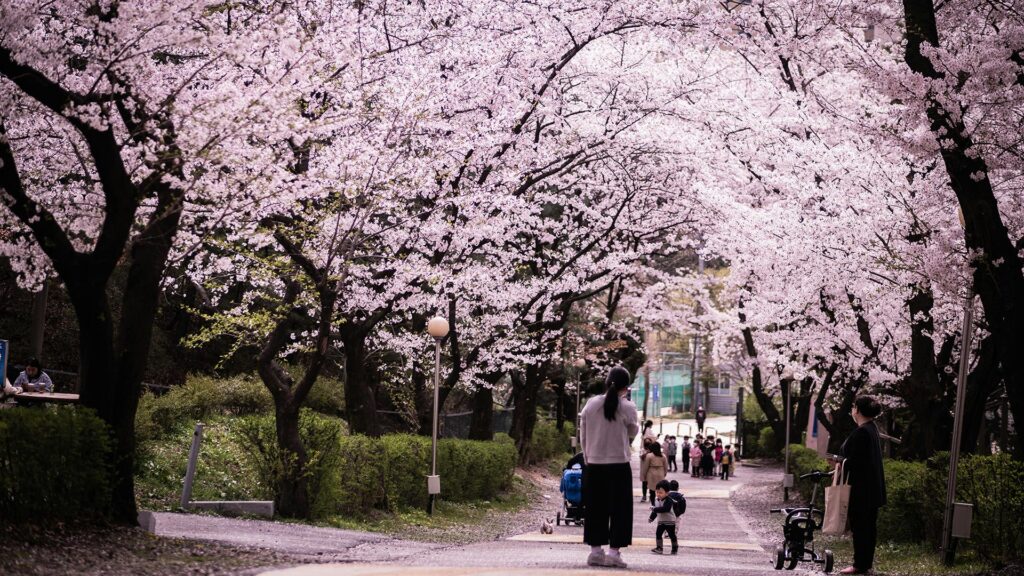
Spring is the best time to see cherry blossoms in South Korea, specifically from late March to mid-April. Just like in neighboring Japan, the blooms progress northward – starting on Jeju Island and in southern cities like Busan and Jinhae in late March, before reaching Seoul and the central regions in early to mid-April.
The full bloom typically only lasts about one to two weeks, and the flowers are highly dependent on yearly weather conditions. It’s tricky as you need to book flights, tours and accommodation well in advance due to popularity – try to check the annual blossom forecasts but know that nature is the ultimate boss!
What is the hottest month in South Korea?
August!. In August, average daily temperatures in Seoul reach 26°C (79°F) and highs often exceed 30°C (86°F). The heat is often accompanied by high humidity, particularly in the south. August is the best month for beach activities and water festivals.
What is the coldest month in South Korea?
January is consistently the coldest month of the year in South Korea. Average daily temperatures in Seoul hover around -2°C (28.4°F), with lows that can drop significantly – especially in the northern, mountainous provinces. This season is ideal for winter sports like skiing and snowboarding.
READ MORE: South Korean food: top traditional dishes you need to try
What are some famous festivals in South Korea?
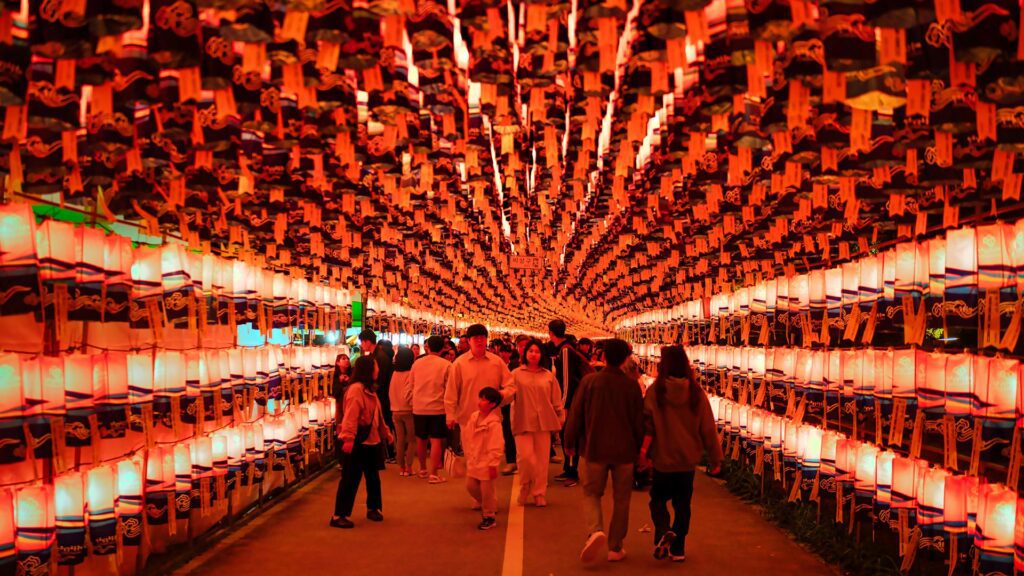
South Korea’s calendar is packed with cool and curious festivals. For visitors, there are a handful of special events that showcase the country’s rich cultural heritage and seasonal beauty that you should seek out.
In spring, the Jinhae Cherry Blossom Festival draws millions to witness a sea of pink blooms. Summer brings the lively Boryeong Mud Festival, a massive, messy party on the coast, and the Busan Sea Festival. Autumn is celebrated with the Jinju Lantern Festival, where thousands of lanterns light up the Namgang River. Autumn also has Chuseok, which is a national holiday during harvest time where families give thanks to their ancestors. For winter, the Hwacheon Sancheoneo Ice Festival offers unique activities like ice fishing in a frozen river.
When is the monsoon season in South Korea?
South Korea’s monsoon season, known as jangma, falls during the summer months from late June to late July. While it’s not a typical tropical monsoon, this period each year brings heavy, frequent rainfall and high humidity. Though the rain can be intense, it often comes in short bursts, leaving many sunny periods to enjoy outdoor and indoor activities.
When is the cheapest time to visit South Korea?
The off-peak season, from around January to mid-March and again in late November and early December, is usually the cheapest time. During these months, demand for flights and hotels is significantly lower so you can secure much better deals and enjoy popular attractions with fewer crowds. Just note the major national holidays around Lunar New Year (Seollal) and Chuseok, when domestic travel surges.

READ MORE: Where was Squid Game filmed?
How many days do I need in South Korea?
More is more, of course! But here’s what you could do with different itinerary lengths in South Korea.
5-7 days: This would be a quick, focused city trip. Concentrate on exploring Seoul with a few day trips to nearby locations like the Demilitarized Zone (DMZ), national parks and islands.
10-14 days: This length is perfect for a cross-country experience. Go beyond Seoul to the coastal city of Busan and the volcanic island of Jeju. Trafalgar offers the perfect 10-day South Korea tour that dives into the country’s unique spirit.
2-3 weeks: With this much time you can plan a really in-depth trip or travel at a relaxed pace. Multiple weeks allows time to spend days hiking in national parks and enjoying local life with the rush.
READ MORE: The Ultimate South Korea Itinerary: How to Spend the Perfect 10 Days
When is the best time to visit Seoul?
The best time to visit Seoul is during the spring (March, April and May) and autumn (September, October and November). These months offer the most pleasant weather for exploring. If you visit in spring, time it to catch the cherry blossoms in parks across the city, or look for fall foliage in autumn. Both seasons are peak travel times, so book ahead!
When is the best time to visit Busan?
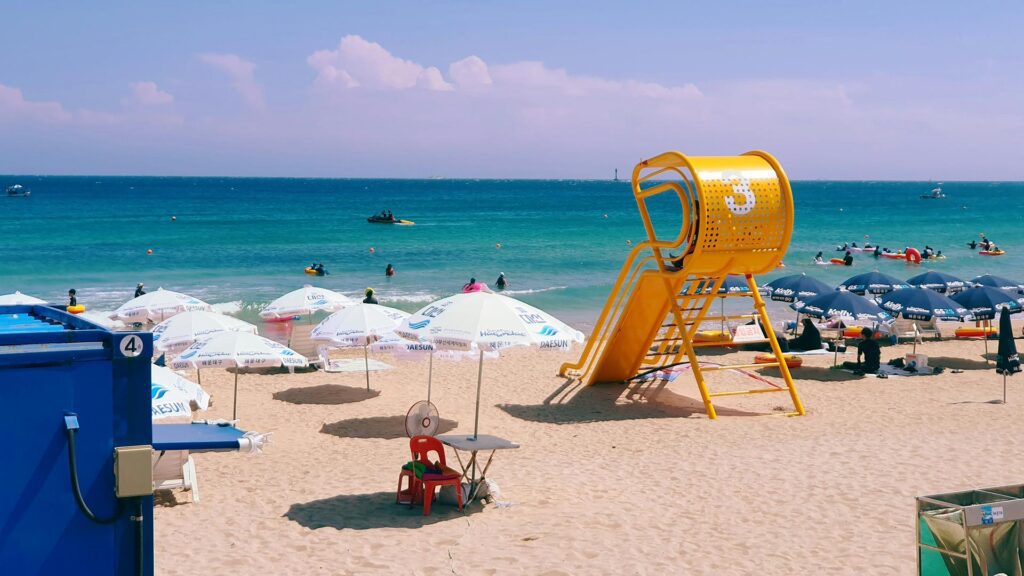
Just like Seoul, the best time to visit Busan is also spring and autumn due to the mild, pleasant weather and clear skies – perfect for exploring temples and coastal walks. But unlike Seoul, summer is a great time to visit this coastal city – it’s the hottest and most popular season for Busan, drawing crowds to the beaches for swimming and lively festivals.
When is the worst time to visit South Korea?
Some might say the summer months of July and August are the worst due to the high heat and very high humidity. Temperatures often exceed 30°C (86°F) and it’s the height of the monsoon or rainy season – expect heavy, frequent downpours that can disrupt travel plans.
Any more questions about when is the best time to visit South Korea? Leave us a comment…