



From palaces with thousands of rooms to tidal islands and 1,200+ cheeses, there are dozens of quirky and fun facts about France that will make you stop and think. Did you know France invented the hot air balloon, photography and metric system? Even everyday things, like bread or perfume, have stories behind them. Here are 29 interesting facts about France that show the country’s culture, creativity and unique charm.
How big is France? It’s the largest country in the EU by land area
With an area of about 551,695 km², metropolitan France is the biggest member of the European Union by surface area. It’s larger than Germany, Spain and Italy! It also calls itself L’Hexagone as the country has a six-sided shape.
France is the most visited country in the world
France attracts over 90 million tourists annually – perhaps thanks to its blend of famous sights, world-class food and wine, charming villages and diverse landscapes from mountains to beaches. Paris itself – a city of roughly 2.05 million inhabitants – and the Île-de-France region receive around 47.5 million tourist arrivals per year.
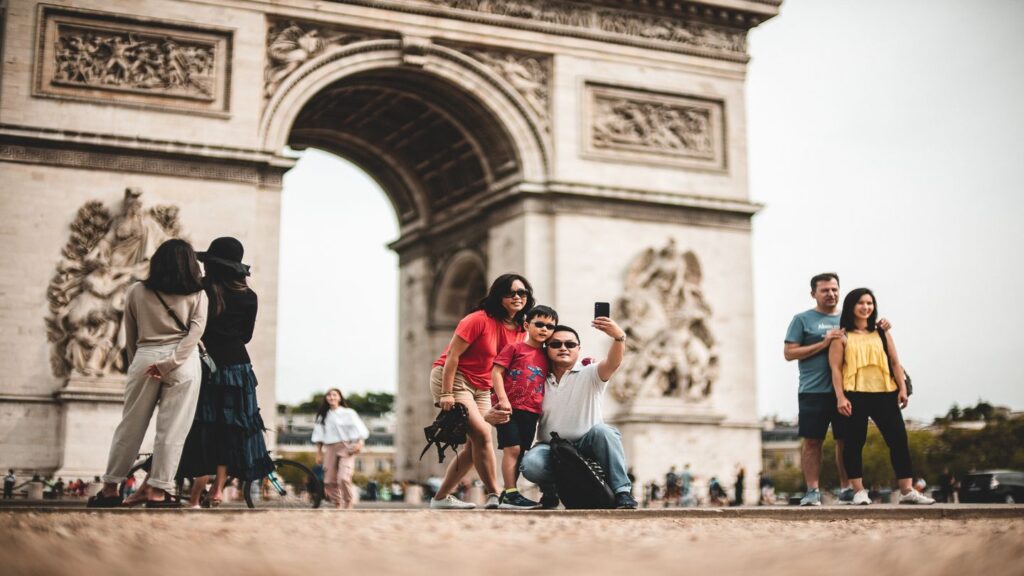
French is spoken not only in France but in 33 countries worldwide
The French government 300 million French speakers in 33 countries across the globe, an increase of 9.6% since 2014. There are 29 countries where French is an official language, and the International Organisation of La Francophonie encompasses many more nations with French as a working or educational language.
READ NEXT: Discover the best of France
France has a higher life expectancy than the global average, around 82 years
According to WHO data, life expectancy at birth in France was 81.9 years in 2021. That places France above many global and EU averages.
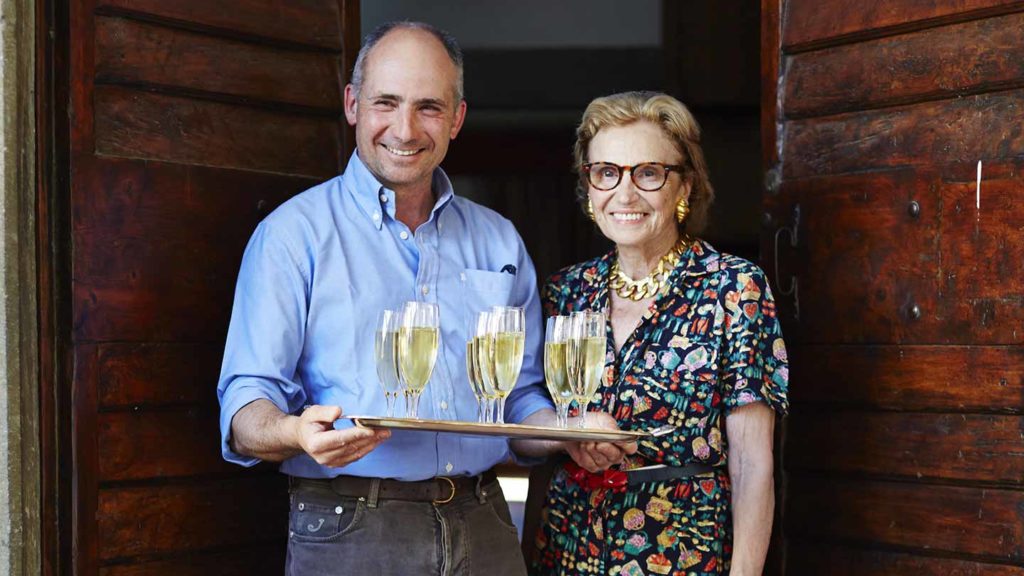
Champagne must come from the Champagne region to legally carry the name
Under EU and French law, only sparkling wine produced in the strictly defined Champagne region using the méthode champenoise can legally be labeled “Champagne.”
What is France known for? Cheese… and it produces over 1,200 distinct types
From soft, creamy Brie to pungent Roquefort and hard Alpine cheeses like Tomme de Savoie – any cheese shop is filled with wonderful wheels you’ve likely never heard of. There may even be up to 1,800 different French cheeses!
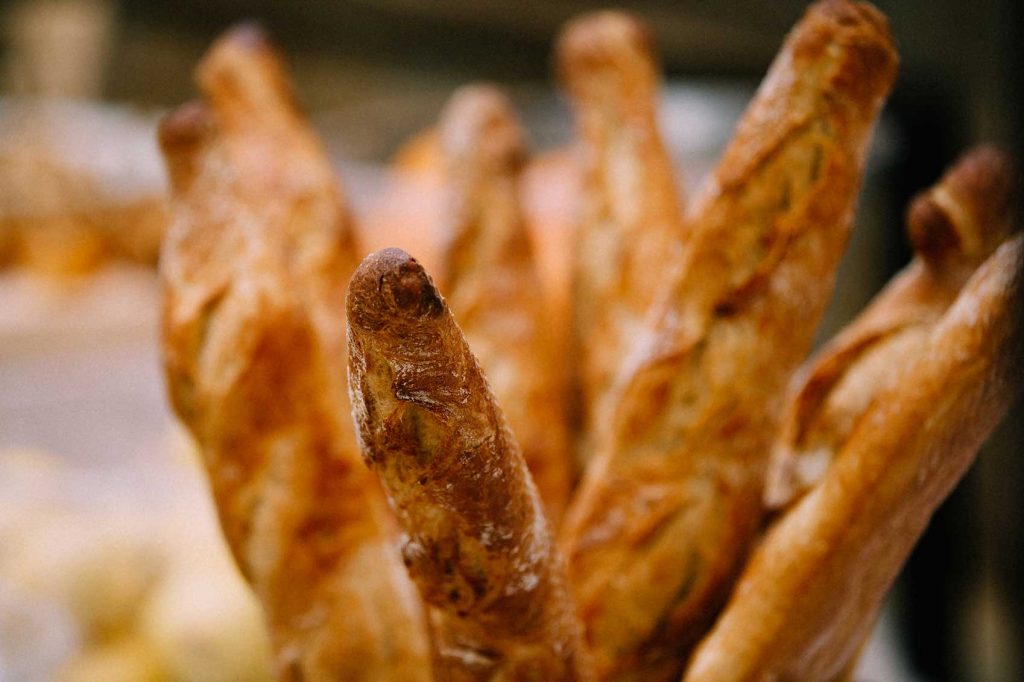
The baguette became a protected cultural icon in 1993
The French government officially recognized the baguette de tradition (made without additives) as part of France’s cultural heritage in 1993, protecting its traditional recipe and shape.
The Eiffel Tower wasn’t initially popular with Parisians
When it was built for the 1889 World’s Fair, many Parisians considered the Eiffel Tower a modern eyesore. Prominent artists even signed a petition calling it a “monstrous” intrusion on the city skyline. Well, imagine if they saw it today!
READ NEXT: 7 ways our Wonderful France tour adds oh-la-la to your life
France has 45 UNESCO World Heritage Sites
That puts France among the world’s most culturally rich nations. It’s UNESCO sites span prehistoric caves, Gothic cathedrals, historic city centres and exceptional natural landscapes – including the Historic Centre of Paris (Banks of the Seine) and the Loire Valley.
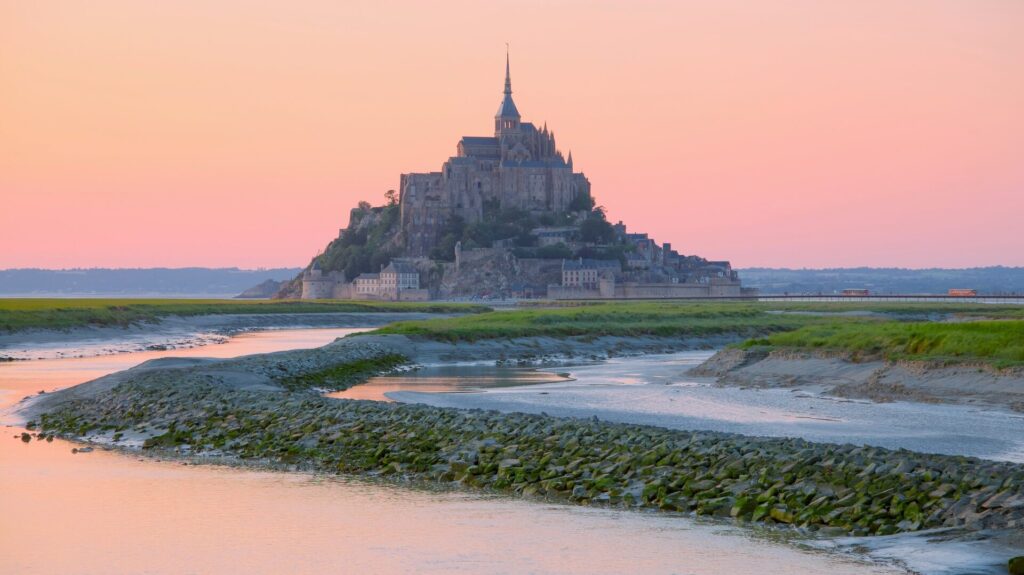
Mont-Saint-Michel has the highest tidal range in continental Europe
The tidal island of Mont-Saint-Michel welcomes over 3 million visitors a year, making it one of Europe’s most iconic and photographed pilgrimage sites. But it’s not always easy to reach the UNESCO-listed destination – the tides in the bay can rise fast, climbing up to 15 meters (50 feet) within hours, transforming the site back into an island.
The Palace of Versailles has over 2,300 rooms
If you get lost, will you ever find the front door again? The opulent Palace of Versailles contains more than 2,300 rooms, from grand ceremonial halls to intimate royal apartments to the dazzling Hall of Mirrors. This monumental building reflects the height of French monarchical power and artistry.
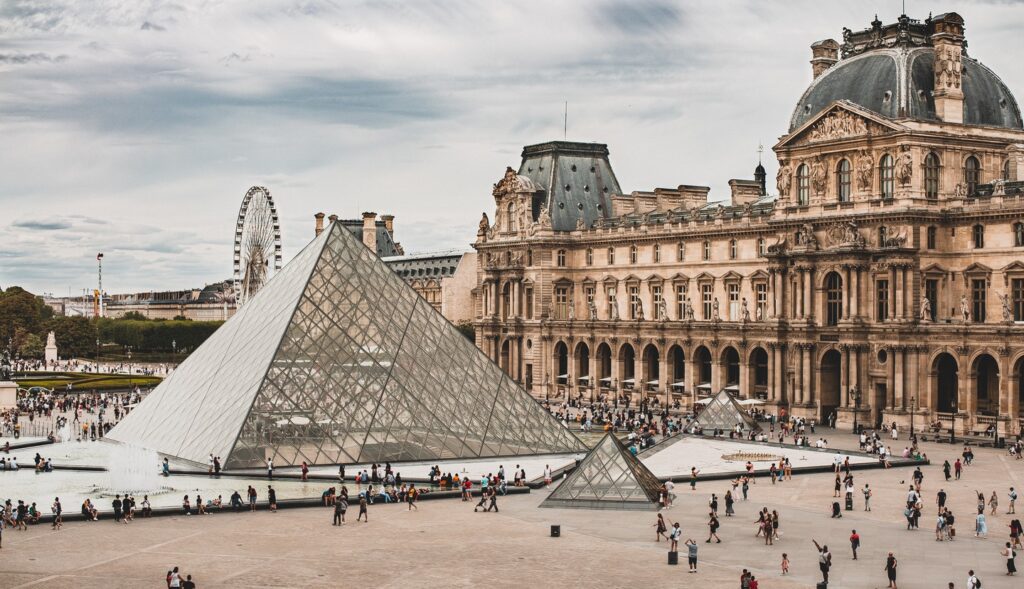
The Louvre is the most visited museum in the world
The palace-turned-gallery welcomes millions annually (8.7 million in 2024) with treasures like the Mona Lisa, drawing more visitors than any other museum on the planet.
The Millau Viaduct is the tallest bridge in the world at 343 meters (1125 ft)
This breathtaking engineering feat stands taller than the Eiffel Tower and gracefully spans the Tarn Valley in southern France. Construction used some 290,000 tonnes of steel and concrete, and it is held up by 1,500 tonnes of steel cable.
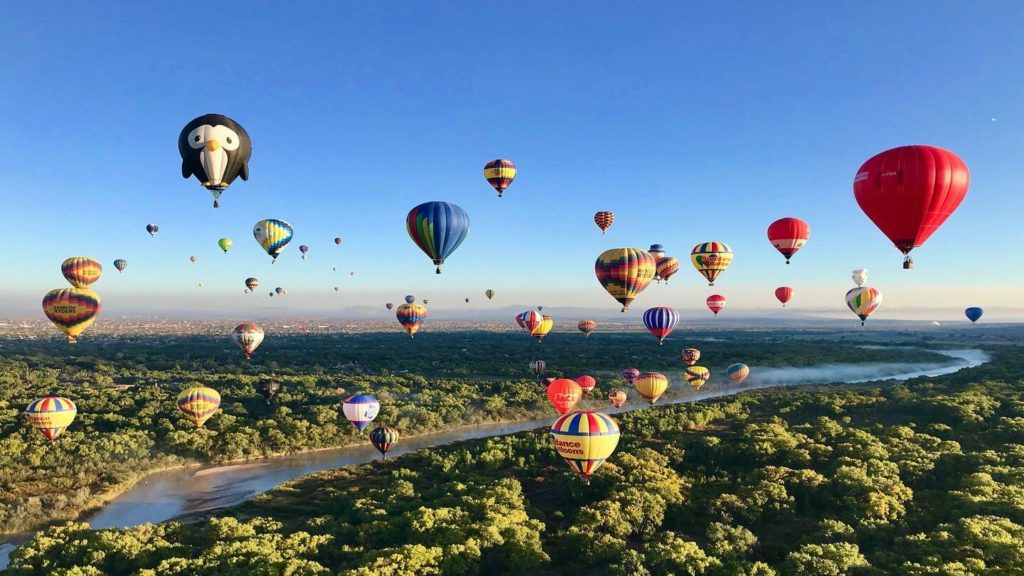
The hot air balloon was invented in France
The Montgolfier brothers, Joseph-Michel and Jacques-Étienne, demonstrated the world’s first public, untethered flight in 1783. The first passengers in this historic flight were a sheep, a duck, and a rooster.
The Michelin Guide originated in France in 1900
What does the tyre company have to do with the world’s elite restaurants? Well, it was started by the Michelin brothers to encourage early motorists to burn some rubber – fast forward to today, and Michelin – and its stars – are the world’s most influential restaurant rating system.
France is home to the world’s perfume capital
The town of Grasse, in the south of France, remains the epicenter of global perfumery. Here they cultivate flowers like jasmine and rose that form the base of countless luxury fragrances.
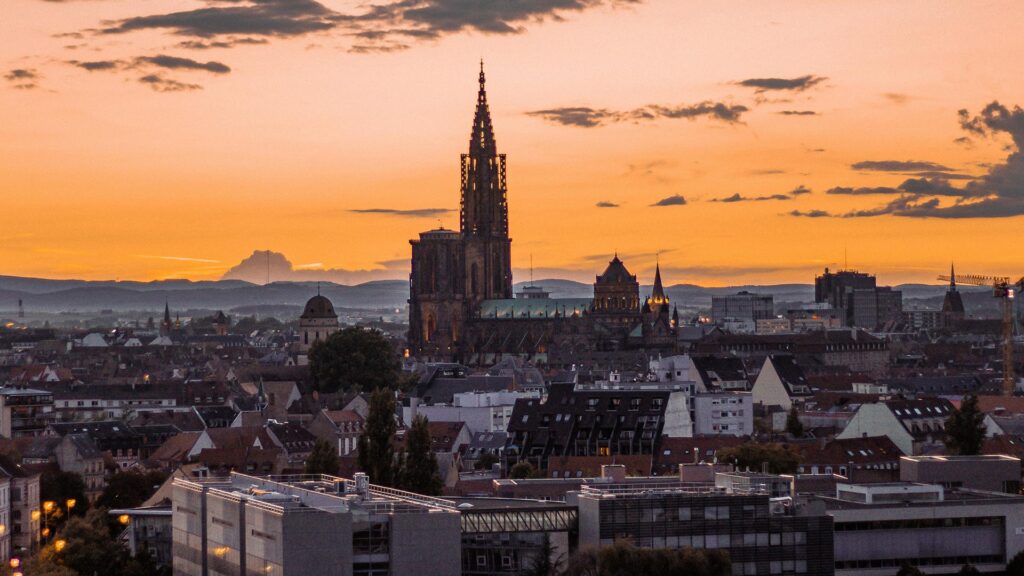
Strasbourg Cathedral was once the world’s tallest building
From 1647 to 1874, more than two centuries, Strasbourg Cathedral’s soaring Gothic spire dominated Europe’s skyline and it remains one of France’s most striking medieval landmarks.
Napoleon crowned himself emperor in 1804 at Notre-Dame Cathedral
Rejecting tradition, Napoleon Bonaparte placed the crown on his own head to assert that his authority came from himself, not the Pope. This day marked France’s shift from a republic to an empire.
READ NEXT: The Most Beautiful Places in France
The longest French baguette measured over 140 meters (461 ft)
Bakers in Suresnes, a suburb of Paris, made the big baguette in 2024, which officially measured 140.53 meters (461 feet). This effort successfully reclaimed the Guinness World Record for France.
France holds the record for the most Nobel Prize winners in Literature
While 16 French authors have been awarded the prize, philosopher Jean-Paul Sartre famously declined the honor in 1964. He stated that a writer should not allow himself to be turned into an institution. Officially, France has 15 Nobel Prize winners in Literature.
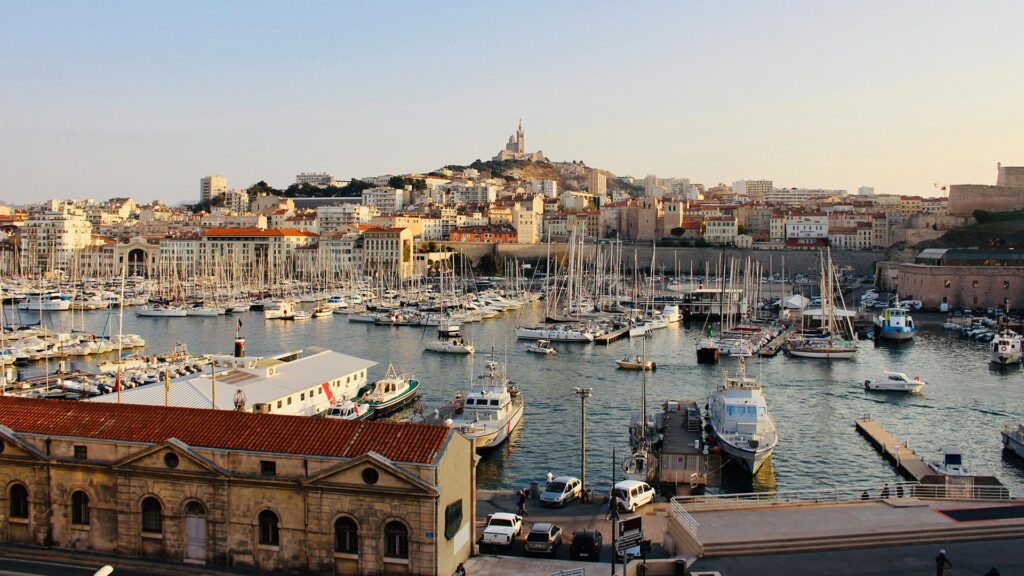
Marseille is the oldest city in France
On the southern coast, Marseille was founded around 600 BC by Greek sailors from Phocaea. Originally called Massalia, it is one of the oldest continuously inhabited settlements. Marseille has served as a major Mediterranean trading port for over 2,600 years.
France is the birthplace of the metric system
To replace the confusing array of traditional measurements, the French National Assembly officially adopted the metric system in 1795. This system, based on the meter and kilogram, was made compulsory for all French citizens by 1840.
READ NEXT: A guide to French Christmas traditions
The first Tour de France was almost entirely accidental
It was created in 1903 by a newspaper, L’Auto, to boost sales. The Tour de France offered a huge cash prize that caused some competitive carnage and launched the world’s famous bike race.

The TGV is one of the world’s fastest conventional trains
France’s high-speed rail, the TGV (Train à Grande Vitesse), has operating speeds up to 320 km/h (200 mph). Plus it holds the world speed record for a conventional train, reaching 574.8 km/h (357.2 mph) during a 2007 test run.
Photography was invented in France
You can thank French inventor Joseph Nicéphore Niépce the next time you snap a selfie. He’s credited with taking the world’s oldest surviving photograph of a real-world scene, taken around 1826-1827 from his estate window in Burgundy. It likely took several days to develop!
The French can legally marry a dead person
Under rare circumstances, French law permits a posthumous marriage. It usually only happens when a civilian or military partner dies before a wedding, after the couple has completed all necessary administrative procedures.
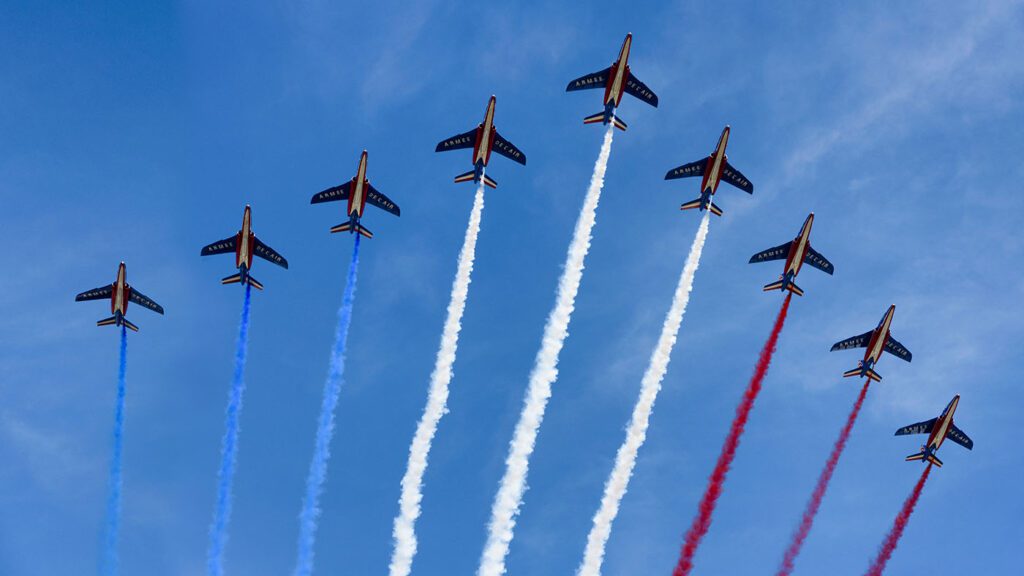
Bastille Day commemorates two events
You might have heard of Bastille Day – or the French National Day, celebrated on July 14th (La Fête Nationale). It commemorates not only the Storming of the Bastille in 1789 (a major event of the Revolution) but also the Fête de la Fédération on July 14, 1790, which celebrated the unity of the French people
READ NEXT: This is how the locals celebrate Bastille Day in France
French radio stations legally have to play French music
French radio stations are legally required to dedicate a minimum quota of their airtime to French-language songs, with the general requirement being 40% of songs in French (or a regional language). This law, from 1994, aims to protect French linguistic heritage.
The French consume 41L of wine per person every year
While France is the second-largest wine producer after Italy, French people consistently rank among the world’s highest per capita consumers. While in recent years the figure has been dropping – from 51 liters per year down to 41.5 – wine consumption with the French remains high!
Did you enjoy those facts about France? Any others we should add to the list? Leave us a comment…