



The first time Dora Hillebrecht saw the Northern Lights, she wasn’t standing on a frozen mountaintop with a camera in hand. In fact, she wasn’t even looking for them. “I just stepped outside the house because I saw some weird light through the window,” she recalls. “I remember laying down on the ground and just looking up. I was like, ‘Oh, this is amazing.'” It was a moment that changed everything.
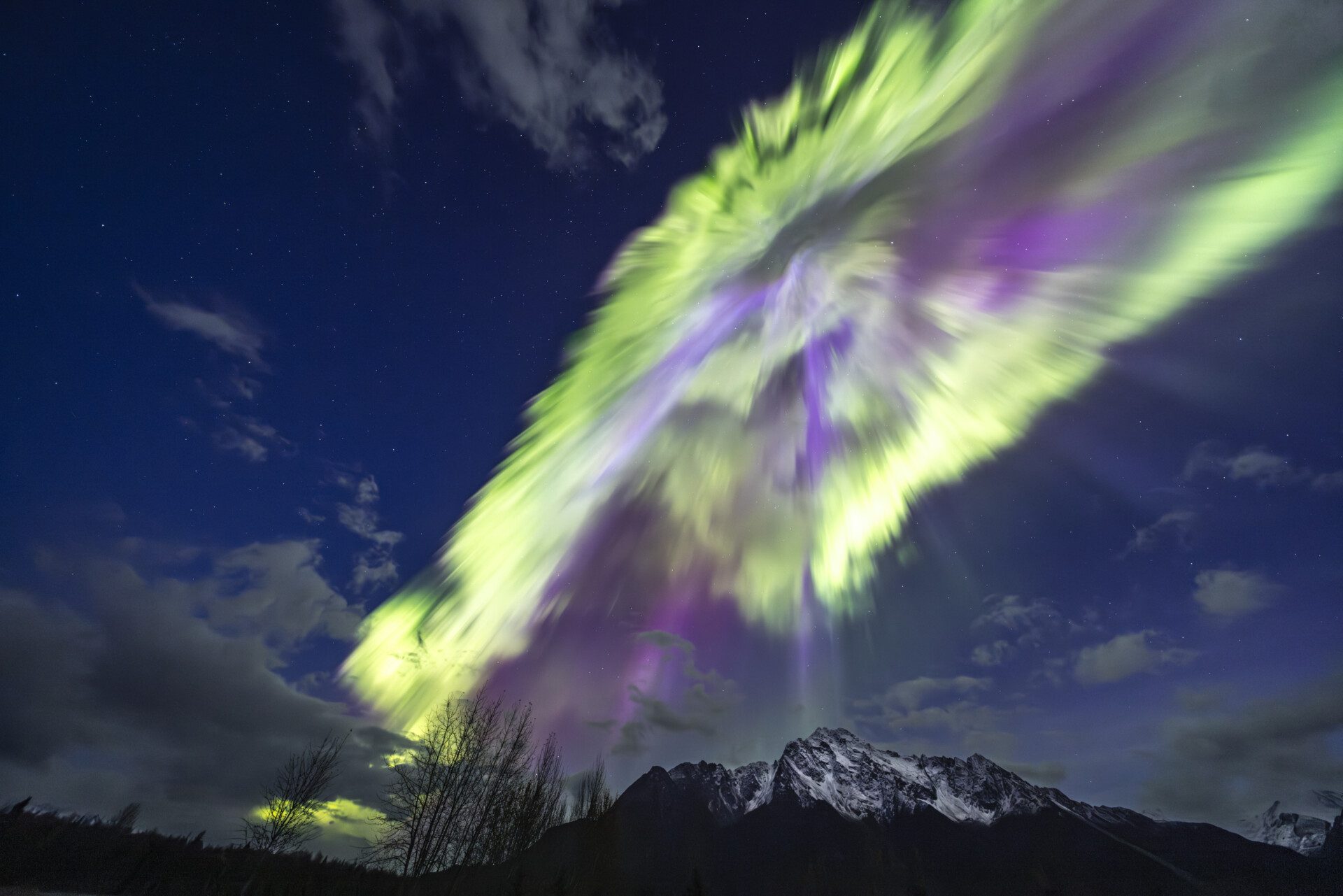
“That was the moment I knew who I was in Alaska”
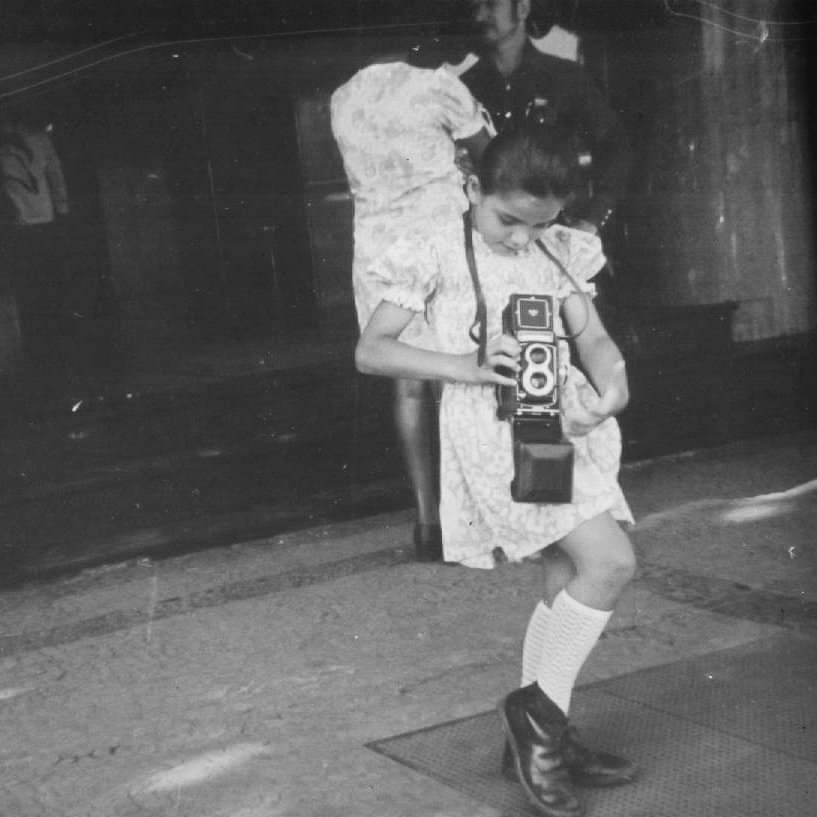
Born and raised in São Paulo, Brazil, Dora has spent her whole life around cameras — from as early as she can remember to her first job as a fashion photographer. But when she moved to Alaska in 2001, the Aurora Borealis wasn’t something she’d grown up dreaming about. “We didn’t have social media, smartphones or Google yet,” she laughs. “In Brazil, nobody talked about the Northern Lights. We’d talk about which beach had the best sand.”
When her new friends in Alaska kept telling her she needed to see the ‘aurora’, she looked at them perplexed. “I had to go to the library to figure out what the Northern Lights were,” she remembers. A few months later, standing outside her home beneath ribbons of green light, everything clicked. “That was the moment I knew who I was in Alaska,” she says. “That was my calling. I needed to share this with the world.”
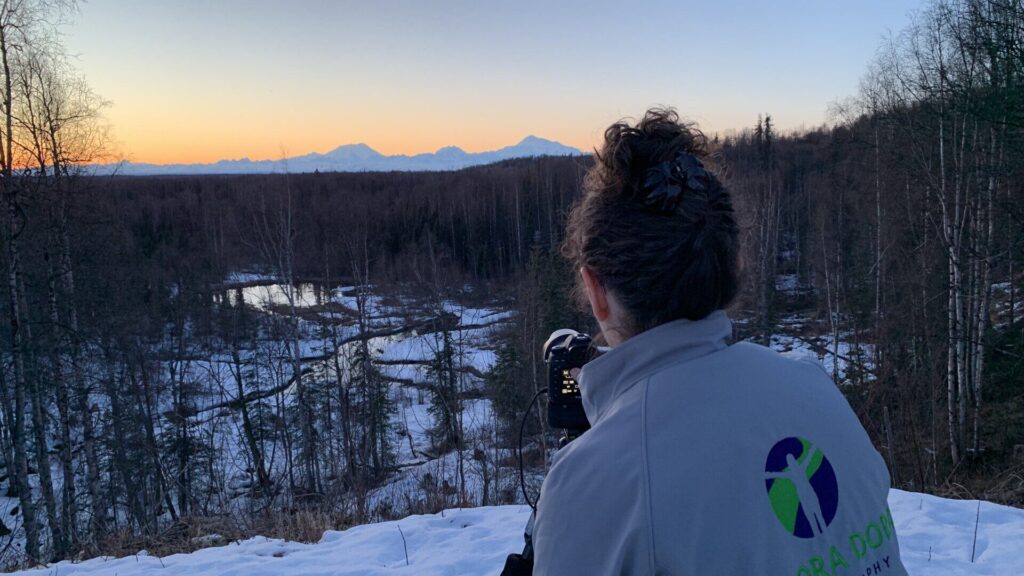
For more than two decades, she has been photographing the Northern Lights, teaching workshops, giving presentations and welcoming visitors to her log cabin-style gallery in downtown Talkeetna under the catchy nickname Aurora Dora, given to her by her friends. Trafalgar guests meet Dora during the Alaska Northern Lights tour, where she shares her story and reveals some of her secrets for photographing the night sky.
“You can hear the rain when it’s rainy. You can hear your thoughts”
Before the Northern Lights changed the trajectory of her career, Alaska was already starting to change something deeper. The contrast of her life before and after her move could hardly have been greater. She left São Paulo — a sprawling metropolis of millions — for Talkeetna, a postage stamp-sized community on the banks of the Susitna River. At the turn of the century it would have been a bustling hub town for gold miners and workers building the Alaska Railroad between Seward and Fairbanks — today it’s home to barely a thousand residents.
In São Paulo, there was always noise — traffic, crowds, the constant hum of activity in the background. “Here in Talkeetna, you have the birds. You can hear the rain when it’s rainy. You can hear your thoughts. That was wild for me,” says Dora.
Talkeetna became home almost by accident. Dora originally arrived with her young son and planned to stay for six months before deciding whether to return to Brazil, but by the end of those six months, she’d fallen completely in love — with the sense of peace she found in the landscape, and with the people, too.
Talkeetna, she explains, is an unusual mix of artists, railroad workers, hunters, fishermen, Native Alaskans and free spirits. “We don’t need to dress to impress,” she says. “We can be who we are. No one is going to judge you.” It’s a place where a sense of community isn’t just a nice to have, it’s a necessity, Dora explains.
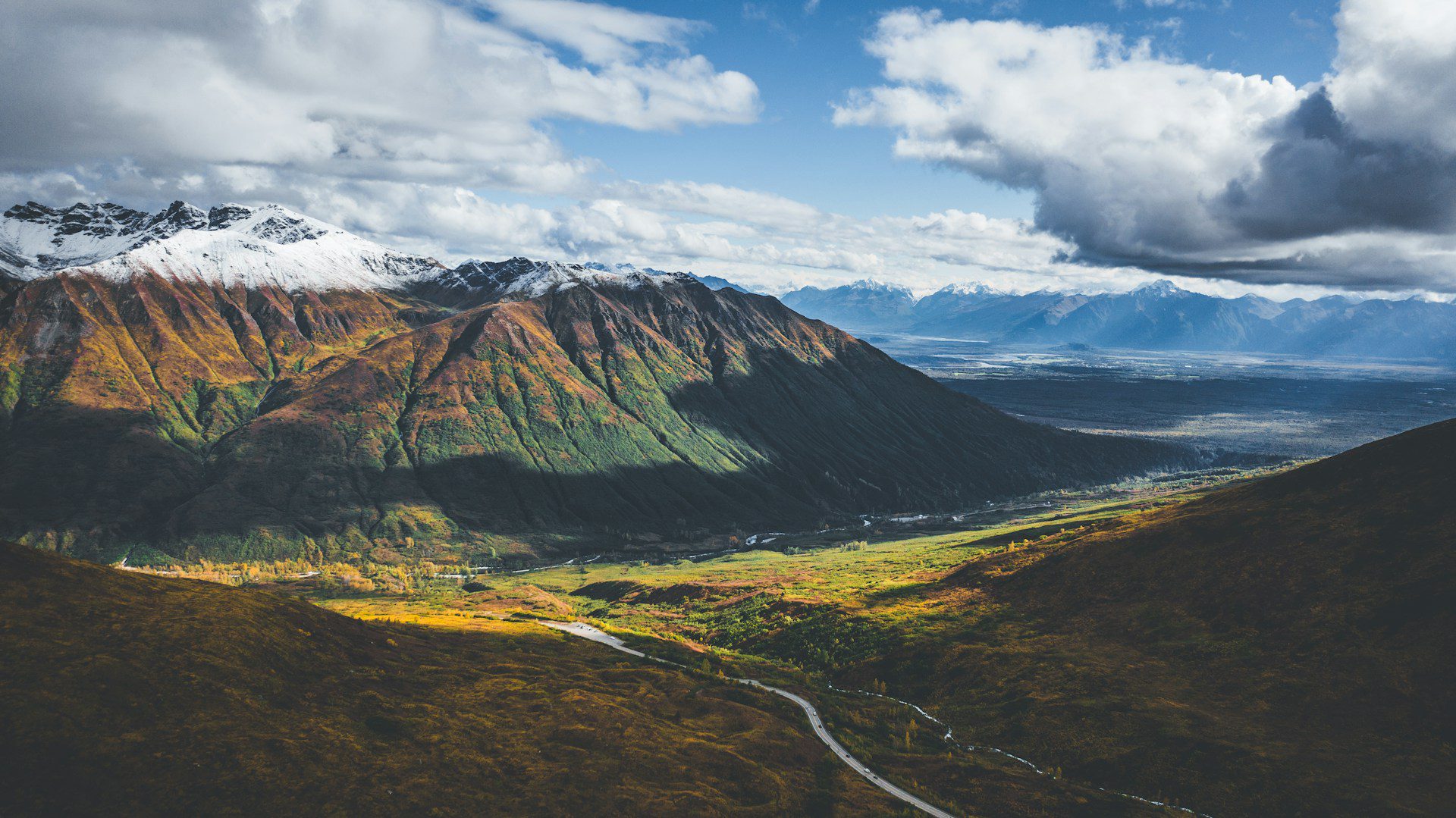
This especially important given Talkeetna’s remoteness, coupled with the harshness of Alaska’s winters. “If I’m stopped on the side of the road, people will pull over and ask if I need help,” she says. “That happens.” Even now, after years of travelling the world, she feels the pull of the place, beckoning her home. “When I turn onto the Talkeetna Spur Road, that’s the moment I look and say, ‘Oh, I’m home.’ It gives me a deep-rooted sense of peace.” It also gives her something that few other places in the world can: a front-row seat to the Northern Lights for roughly 8 months of the year.
“You can never predict what the sky is going to do”
Photographing the Northern Lights might sound like a dream job, but Dora’s work depends entirely on something she can’t control. “Mother Nature is in command, not us,” she reflects with a wry chuckle. Perhaps that’s part of what keeps her fascinated after 25 years — the thrill of the chase, the fact that every aurora is different, and every night sky presents a fresh challenge or opportunity. And unlike many photographers, Dora has learned to embrace that uncertainty. “The uniqueness is incredible,” she says. “You never can predict what the sky is going to do.”
Her year follows a rhythm dictated by darkness and light. Aurora season begins around mid-August and continues through April. Summer, meanwhile, brings almost endless daylight. For most Alaskans, that’s cause for celebration. For Dora, however it’s akin to torture. “As a night photographer, summer is the most boring season of the year because it’s daylight for three months nonstop,” she laughs. “It drives me nuts.”
Winter is when her world comes alive. She’s out photographing the aurora, leading workshops, speaking at events and helping visitors understand the science and wonder of the night sky. When asked about the educational side of things, Dora’s eyes light up. For her, education isn’t academic — it’s about helping people feel something. “It’s not just sharing visually,” she says. “It’s about giving people the experience of being under the aurora.”
That’s why she still challenges herself to see the Northern Lights with fresh eyes. Once a week, she walks into her gallery and tries to experience it as though it’s her first time seeing her own work. “I want to have that impression that I never saw it before,” she says. “I want to go, ‘Wow.'”
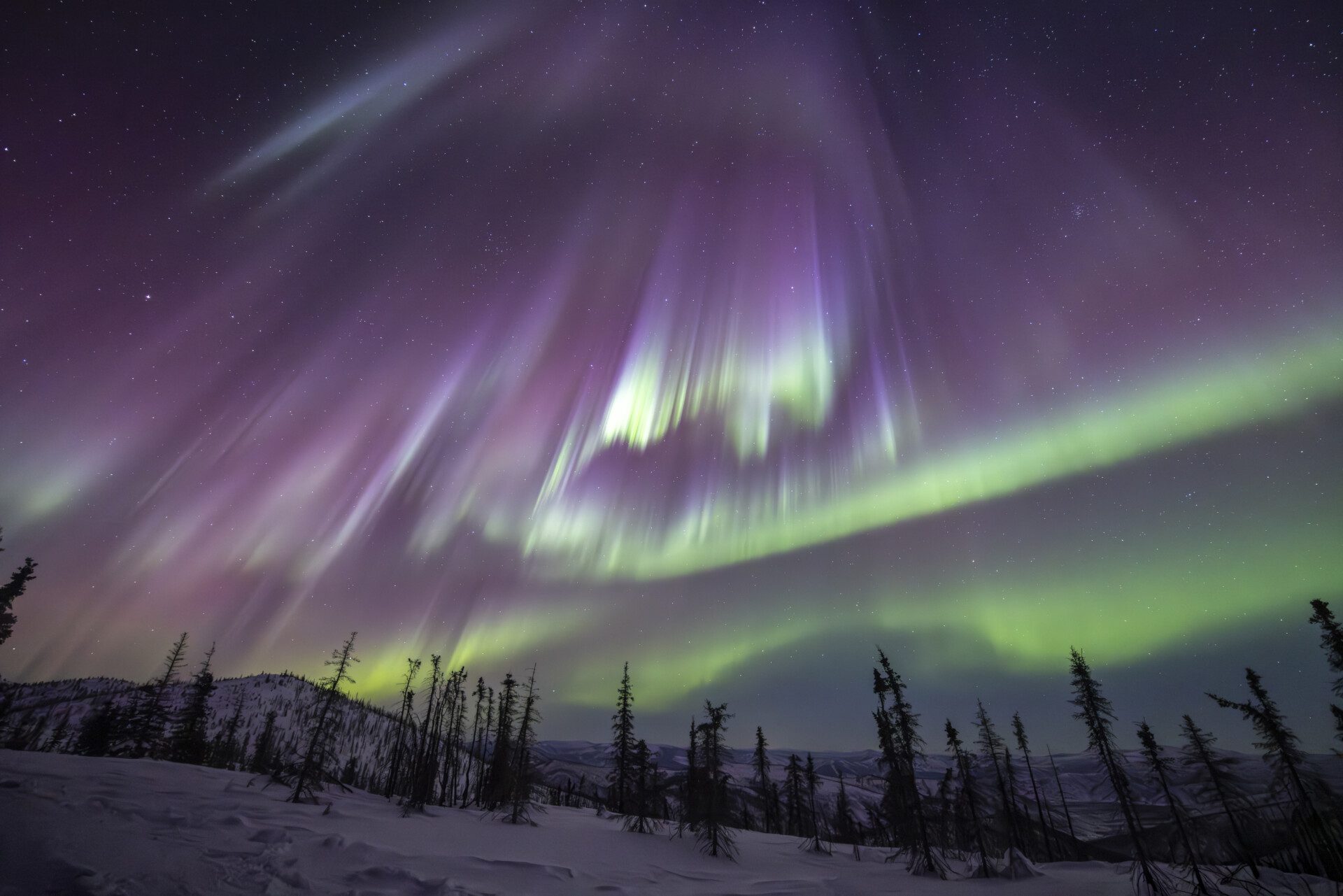
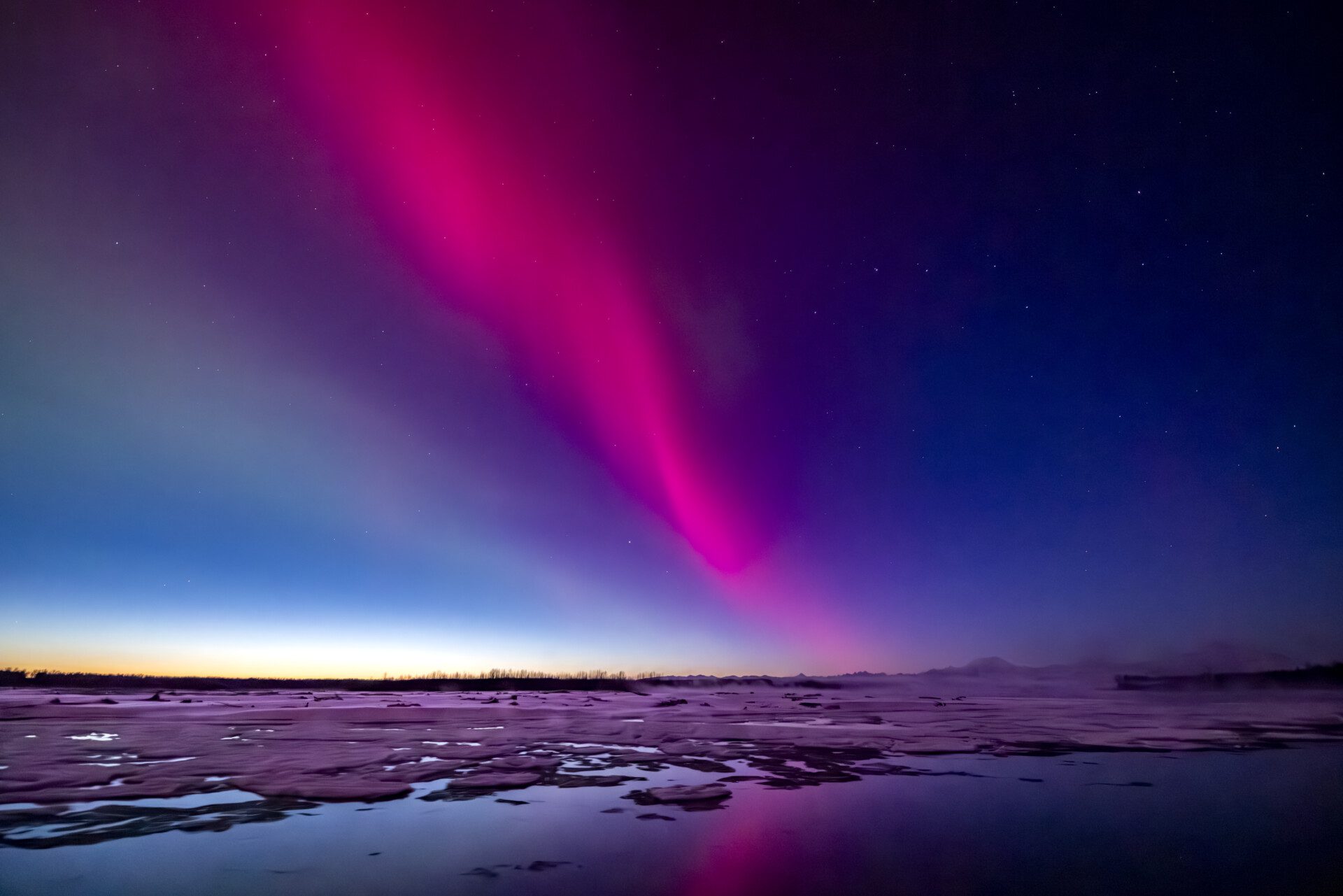
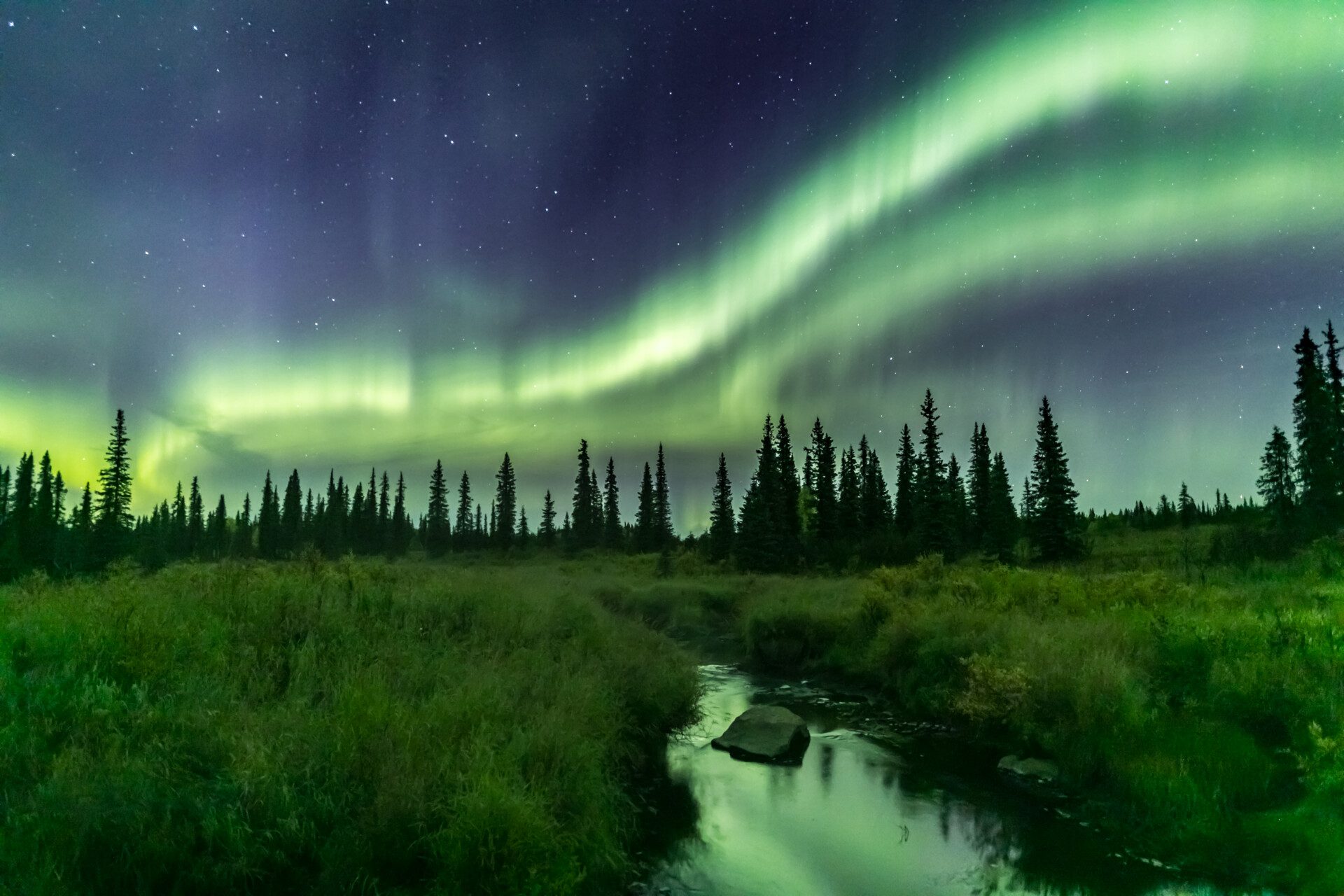
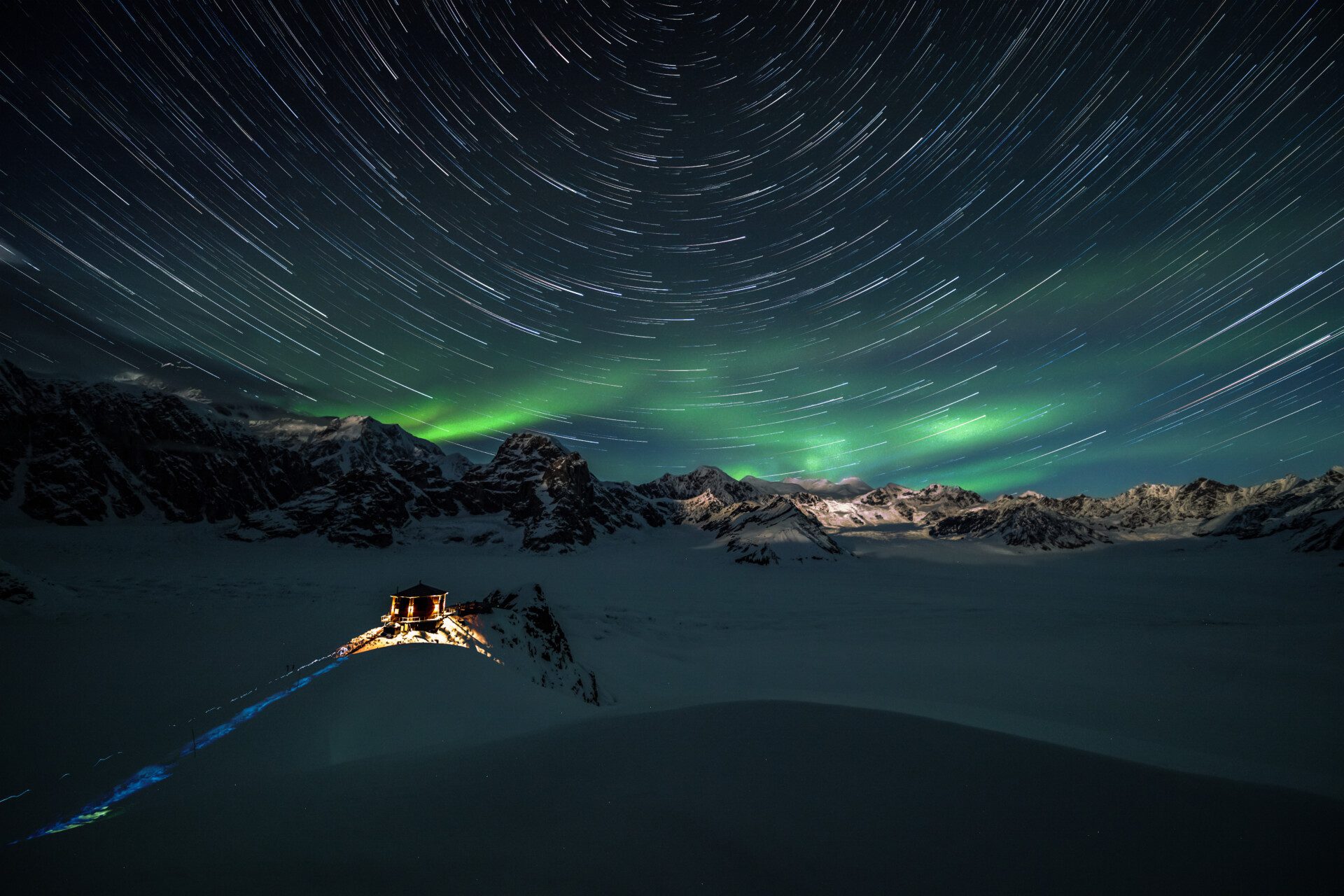
“My photos are not just a pretty picture… They’re a moment in my life”
For all her expertise as a photographer, Dora believes the most important lesson she can teach has nothing to do with cameras — it’s about paying attention to the world around you.
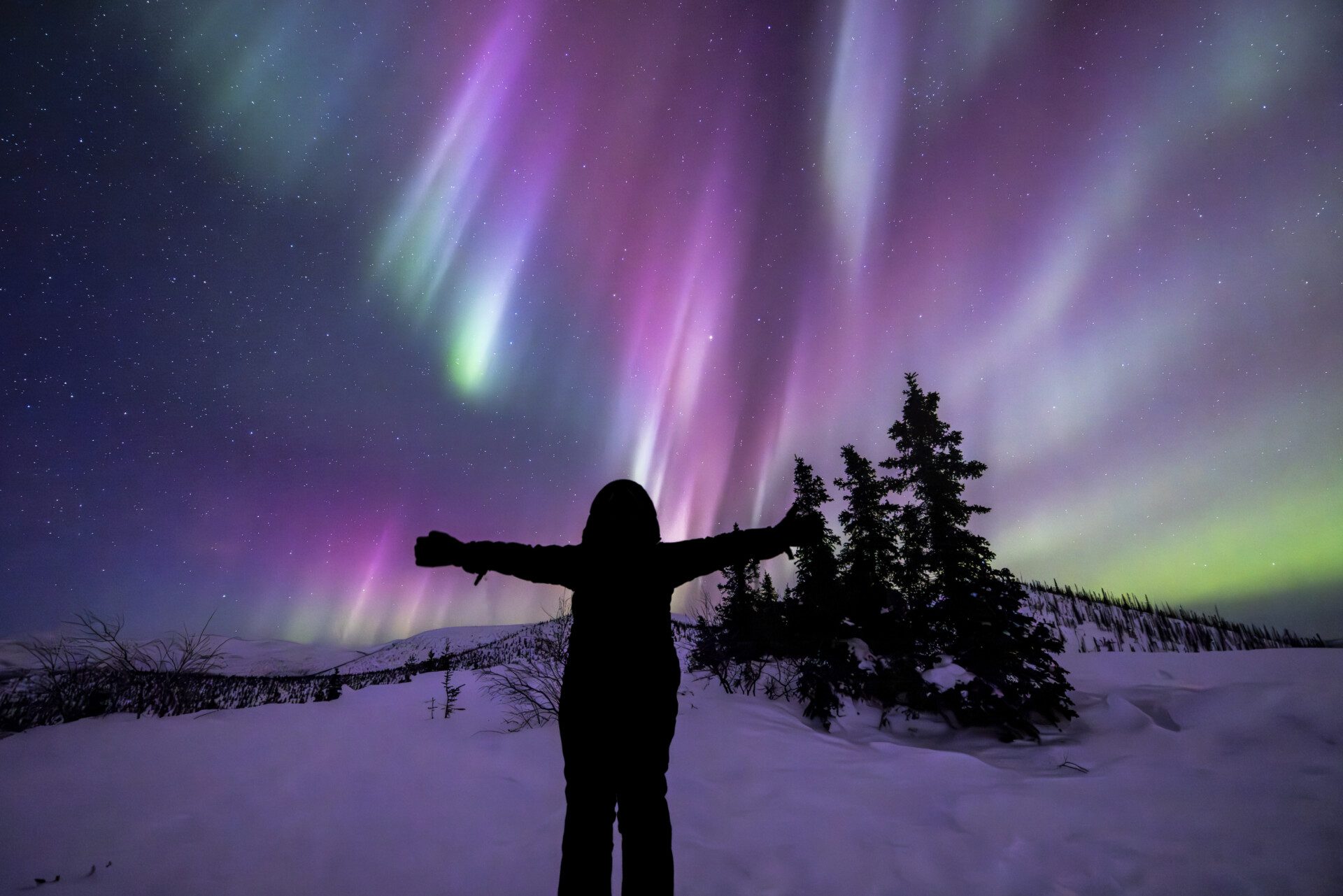
Years ago, while photographing in Denali State Park, she was working alongside another photographer who was racing between multiple cameras, time-lapses and equipment setups. Meanwhile, Dora stopped shooting altogether. She lay down in the snow and looked up. “My friend came over and said, ‘Dora, are you okay? What happened?'” She laughed. “I’m awesome. Check it out,” she said. They both lay down together and just took in the view.
It’s a snapshot that captures something fundamental about the way she sees travel — and life. “My photos are not just a pretty picture on a wall,” she says. “They are a moment. A moment in my life. A moment on this planet.” It’s why she encourages people to put their cameras down from time to time, to stop documenting, stop curating. To be fully present in the experience — an experience you might only get to have that once.
“I think a photo is to bring you back to the moment,” she says, “rather than the moment existing for you to take a photo.”
“When it’s dark, I see the lights.”
When Dora isn’t photographing the Northern Lights, she’s usually travelling in search of a different night sky phenomenon. “What I do for a living is photograph the aurora,” she says. “What I do for fun is photograph the Milky Way.”
Recent adventures have taken her to Bolivia’s high-altitude deserts, Chile’s Atacama Desert and Easter Island. Next on her list are the Australian Outback and New Zealand. But whether she’s beneath the Milky Way in the Southern Hemisphere or standing under the Aurora Borealis in Alaska, she’s still chasing the same feeling — to be reminded of how vast the universe is, and how lucky we are to experience it.
For Dora, the Northern Lights have never simply been something to photograph. They are a daily invitation to stay curious, stay present and keep looking up. Or, as she puts it: “When it’s dark, I see the lights.”