



Two accountants walk into a barn. No, this is not the off-beat set-up to a corny joke — it’s the very real beginning to John and Megan Behrens build-it-from-scratch business fairytale, which started just over 10 years ago.
From brewing cider in their parents’ garages while majoring in accounting, to crafting the business plan for a full cidery in the early hours of the morning, it was with the help of family, friends and sheer determination that John and Megan transformed an abandoned barn in the woods of rural Michigan into the home of Farmhaus Cider. Their creations have since won the People’s Choice Award at the Cider Summit Chicago, the world’s largest cider festival, four times.
But Farmhaus is about more than great cider; it’s on a mission to educate people about where their food really comes from, how it’s grown, and create a space to escape the every day. Not to mention give their passionate owners a way to escape to 9-5 and get their hands dirty.
“My personal motto is: ‘build the life you’ve always dreamed of’,” says Megan. “I feel like that’s what we’re doing — literally building it. We’re so proud of what we’ve achieved, and want to share that with Trafalgar guests.”
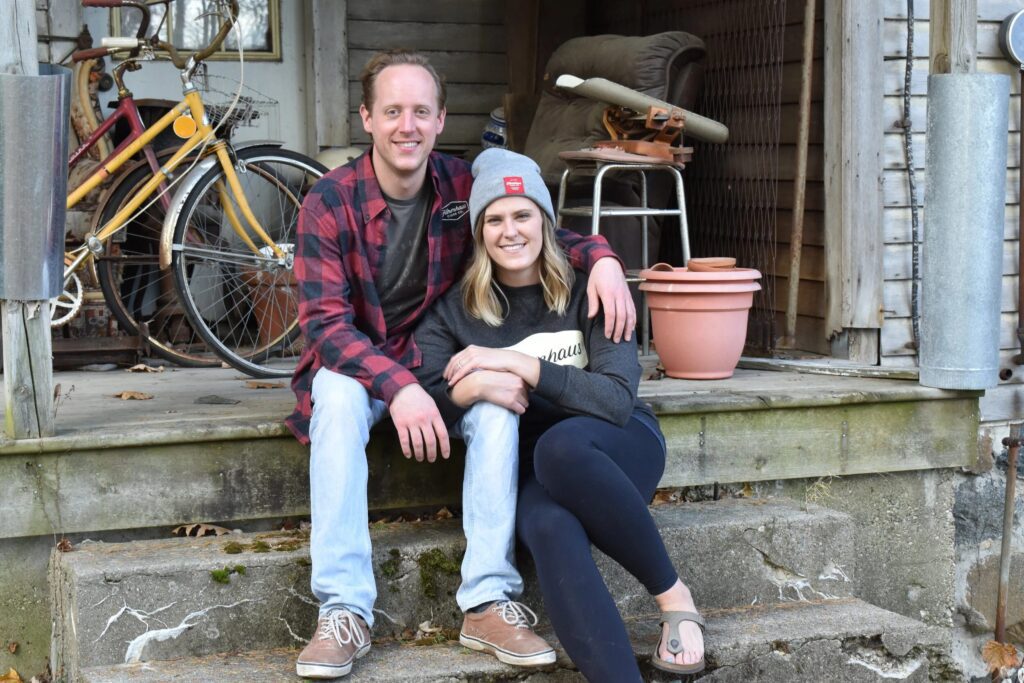
“We don’t know how we’re going to do this”
John and Megan met when they both worked in corporate accounting almost 15 years ago, but home brewing cider, beer and wine had always been a side–passion of John’s.
When John’s grandma passed away he bought her property — an old apple orchard and disused barn — simply to keep it in the family, without knowing for what purpose. “I planned a cidery tour for his birthday and our friends kept commenting that they actually liked his cider better. All night long, people kept telling him: ‘You should start a cidery there’,” Megan recalls. “We were in corporate accounting at the time, so I took it as a funny, drunken joke. But I woke up in the morning and John had sent me an email with the name, licensing, recipes, all overnight. Sometimes I call it the best hangover ever, and sometimes I call it the worst!”
Based just outside of Grand Rapids, Michigan, the business is now made of two parts: the cidery, which they’ve run since 2014, and the farm, which they’ve had since 2023. “Megan’s most famous words were saying she was bored,” John adds. “It just felt like every month was the same, no matter how busy we were. But the minute she said that, this 80–acre farm appeared for sale 10 minutes away from the cidery. When we found out our offer was accepted, we looked at each other like: ‘we don’t know how we’re going to do this’.”
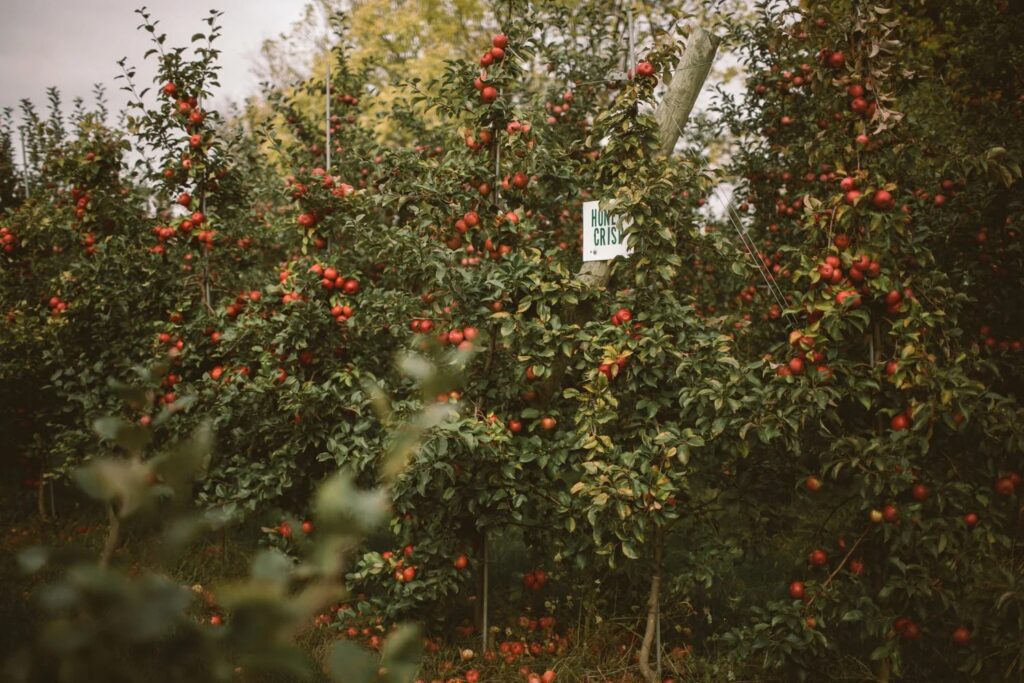
“Behold — I helped create this apple!”
“We’re just two accountants learning how to farm an apple orchard,” he says. “Not only using the fruit in all our ciders, but developing an excellent bakery using the ingredients straight from the farm. It’s been an adventure — and Megan won’t say she’s bored ever again.” Now 90% of their cider apples come from their farm, which also grows peaches, pears, plums and cherries.
“You get to work outside, and help create something with your own hands,” says John. “As an accountant, the finished product was a spreadsheet. Whereas now it’s like: behold — I helped create this apple!”
“Something was just missing with being in an office all day,” Megan adds. “There’s nothing that makes you happier than picking the first apple of the season and taking a bite.”
“We always try to do things differently”
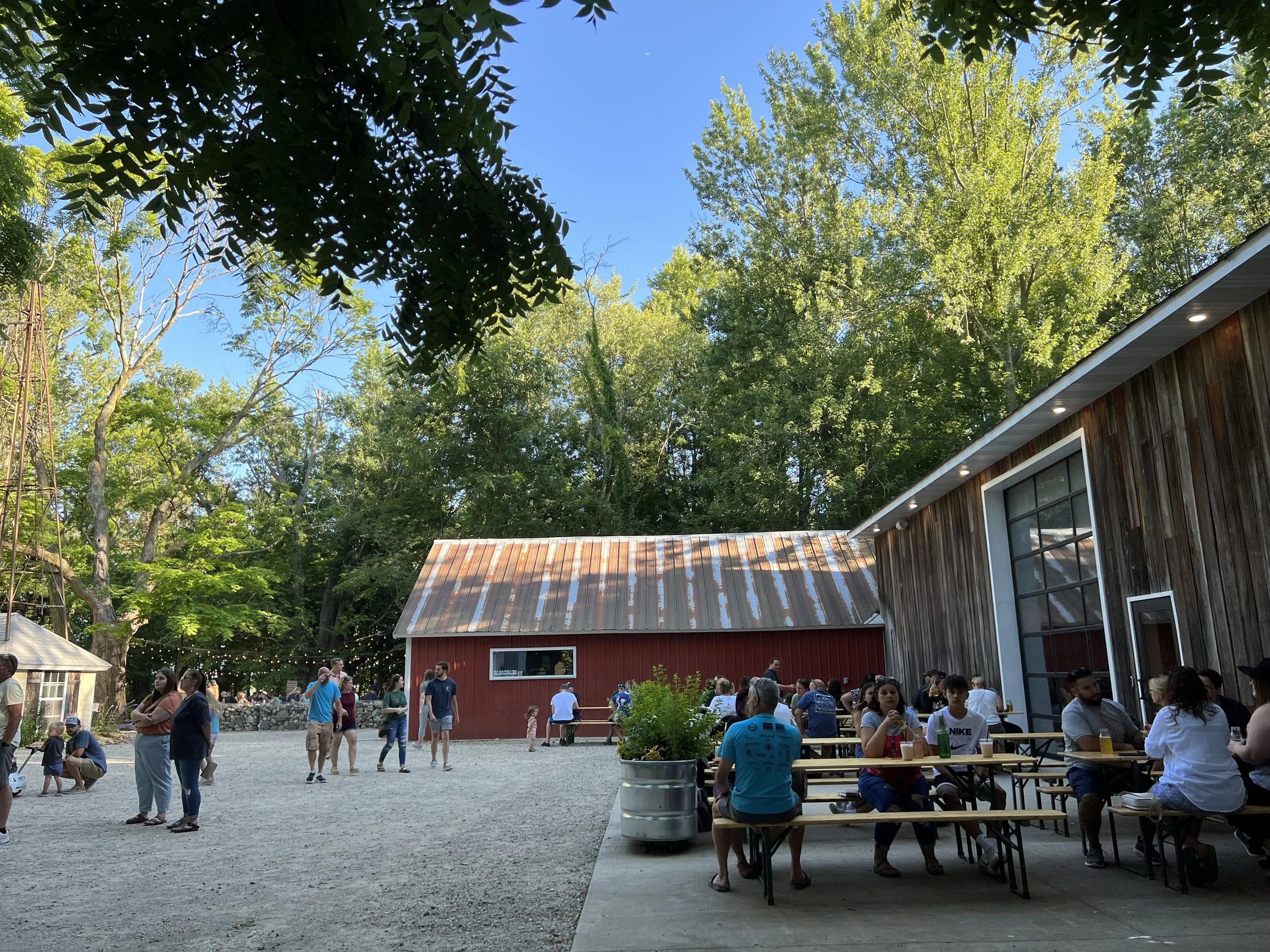
“It’s a modern take on an old tradition,” explains John. “The farm was very much a traditional apple orchard when we bought it. We always try to do things differently; we’re passionate about education and providing exceptional hospitality, but also helping people connect with where food comes from and how it’s grown.”
“Our long term goal long term is to open up the farm so that it becomes more the community’s farm, where they can come and just get their coffee, grab a pastry and take a walk,” explains Megan.
John explains that the pair have taken the long road, but their business is all the better for it. “I think if you knew what you were doing, you might not do what we have done. But in the end, it’s better. If you go in knowing there are shortcuts, you’re going to start out doing that, whereas we started thinking: ‘what’s the best way to do this?’”
“People have forgotten there are seasons”
“In a world where you can go into a grocery store and get fresh strawberries year-round, people have forgotten that there are actual seasons to fruit,” says Megan. “In February, a couple came to the farm in the middle of a blizzard and asked where the apple picking was, but we’d been done with that for about four months!”
“People not understanding that apples have one season, that fruit trees are once a year — that’s really what’s driving us to create more of the farm–to–table thing. The feeling of being connected to where you’re eating and drinking, and knowing that what you’re having came straight from this land.”
“We’re five to 10 minutes from the middle of a city in a region of about a million people, but it feels like you’re in the middle of a farming village,” John explains. “It’s not a special trip far out of the way, which is what makes this farm–to–table experience in a city setting more unique.”
“It’s this huge exhale”
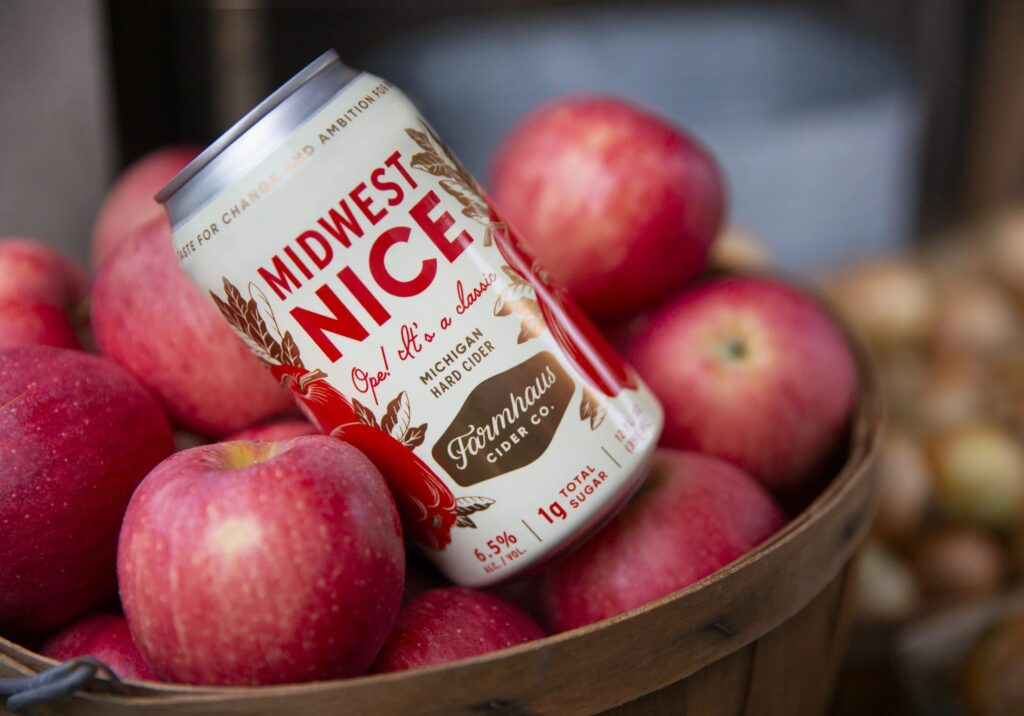
“Our cidery is three doors down from where I grew up — it’s where my grandma lived,” says John. “In high school I was planning to get as far away as possible. But the more I’ve traveled, the more I’ve come to appreciate what’s here. The people are some of the nicest I’ve met anywhere. That’s the Midwest hospitality — ‘Midwest Nice’.” (Not just a saying, but also the name of one of their Farmhaus ciders, ‘the most agreeable cider around’.)
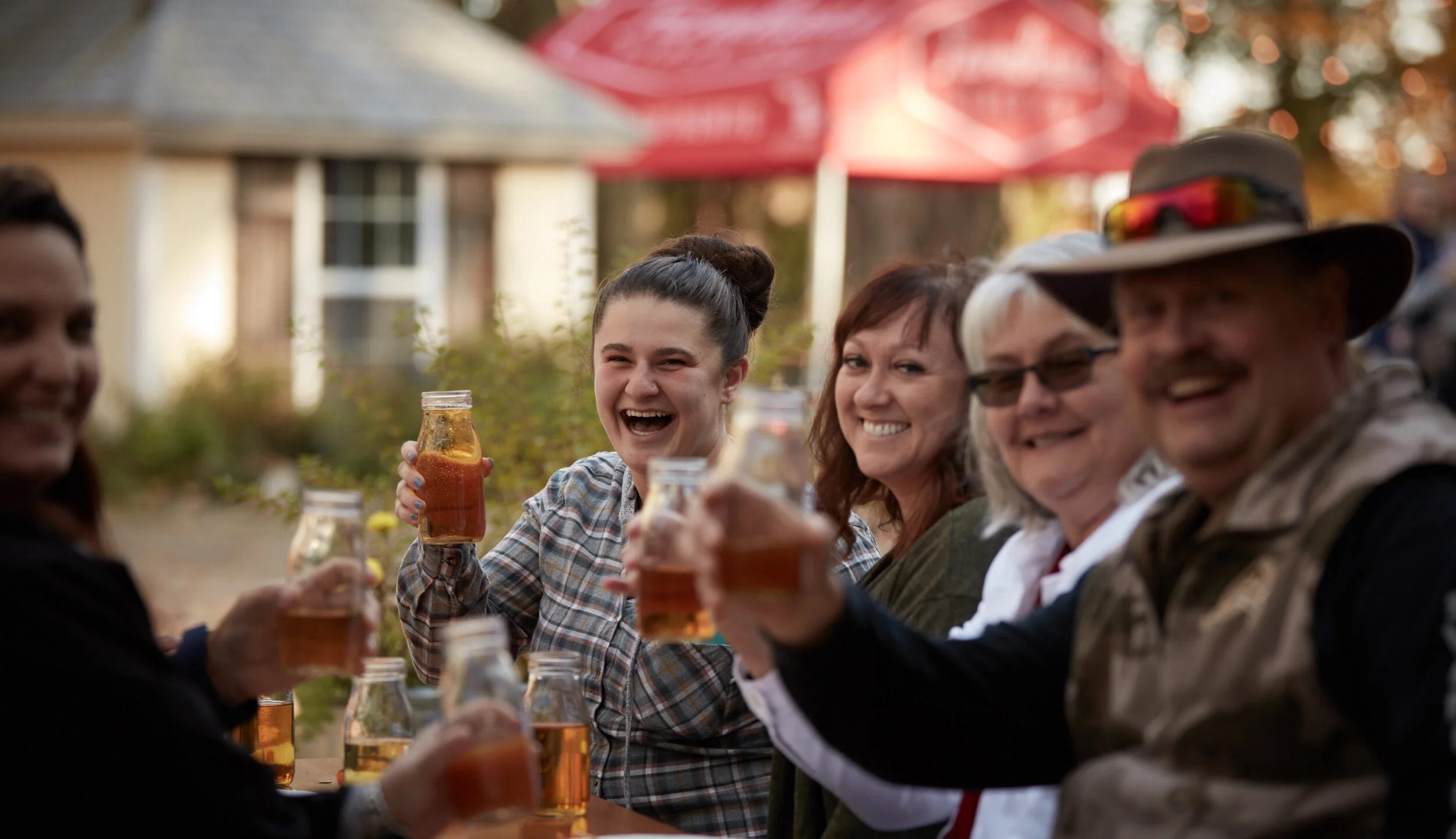
“People come here and it’s this huge exhale,” he continues. ““You arrive at the farm, and the hospitality makes you forget your problems — and keeps you from checking your phone every 30 seconds. By the time you go back to your car, you feel like the weight has come off your shoulders.”