



If you’re travelling through Scotland, you’ll quickly realise that English is only half the story. Scots slang is woven into everyday conversation, and learning a few Scottish slang phrases is one of the easiest ways to understand the culture, whether you’re chatting in a pub, listening to locals on the street, or riding along on a guided tour.
Here are 20 Scottish slang phrases you’re likely to hear, and what they actually mean.
1. Aye
Meaning: Yes
“Aye” is used constantly, often on its own or paired with a nod. You’ll hear it in response to questions, directions, or plans, and it can sound firm, enthusiastic or laid-back depending on the tone.
2. Wee
Meaning: Small / little
In Scotland, “wee” applies to far more than size. You might be offered a wee cup of tea, a wee walk, or a wee dram – even when the thing itself isn’t actually that small.
3. Bairn
Meaning: Child
“Bairn” is a traditional Scots word that’s still widely used today. You’ll hear it in everyday conversation, especially when locals are talking about family or childhood memories.
4. Blether
Meaning: A chat or long talk
A blether isn’t a rushed exchange – it’s a proper conversation. If someone says they stopped for a blether, expect stories, laughter and possibly a cup of tea involved.
5. Dreic
Meaning: Grey, damp, miserable (weather)
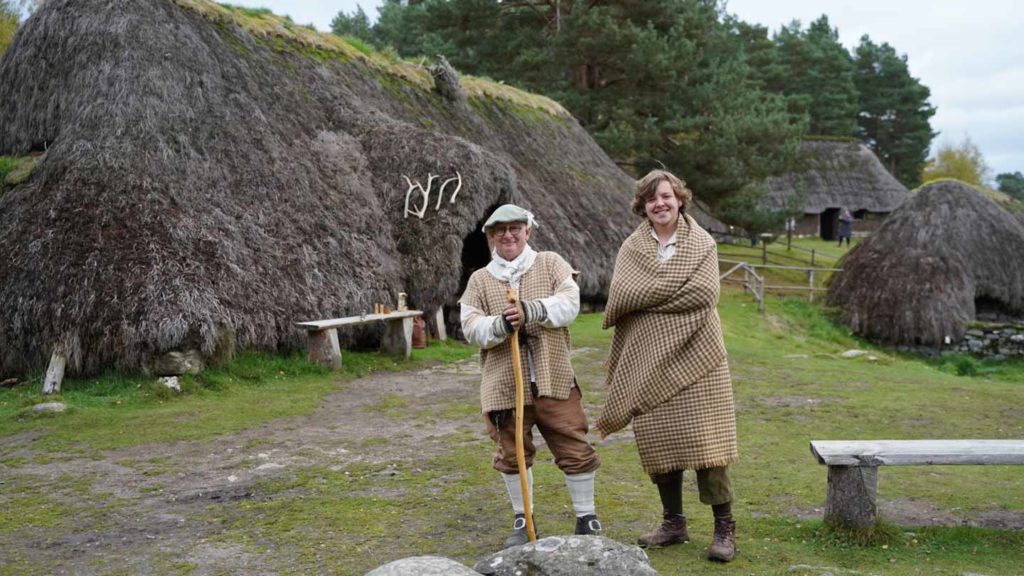
This word perfectly captures those misty, overcast Scottish days. It’s often said with a shrug or a laugh, as if to say, “Well, that’s Scotland for you.”
6. Baltic
Meaning: Freezing cold
If a Scot says it’s baltic, they really mean it. You’ll hear this a lot in winter, or even on summer mornings when the wind picks up unexpectedly.
7. Crabbit
Meaning: Grumpy or bad-tempered
Being crabbit is usually temporary and often forgiven. Someone might blame the weather, the lack of coffee, or the early start rather than their personality.
8. Ken
Meaning: Know / understand
“Ken” slips easily into conversation, especially at the end of a sentence. It’s often used to check understanding or create a friendly, informal tone.

9. Messages
Meaning: Groceries or shopping
If someone says they’re “away for the messages,” they’re heading to the supermarket. This phrase catches many visitors off guard the first time they hear it.
10. Steaming
Meaning: Very drunk
You’ll usually hear this the morning after, often followed by laughter and stories. It’s rarely said harshly – more as a humorous confession.
11. Glaikit
Meaning: Silly, foolish, or vacant-looking
Being glaikit doesn’t mean you’ve done something terrible – just something daft. It’s often used teasingly rather than as a serious insult.
12. Minging
Meaning: Disgusting or unpleasant
“Minging” can describe food, smells, weather or situations. If a Scot calls something minging, you’ll know exactly how they feel about it.
13. Gallus
Meaning: Bold, cheeky, confident
Gallus people aren’t afraid to speak up or take centre stage. It’s often said with admiration, especially when someone shows confidence or humour.
14. Swithering
Meaning: Hesitating or unable to decide
If someone’s swithering, they’re stuck between options. You’ll hear this when choosing meals, deciding plans or debating whether the weather will hold.
15. Peely-wally
Meaning: Pale or looking unwell
This phrase is usually said with concern rather than criticism. It’s often followed by advice to sit down, have a cup of tea, or take it easy.
16. Braw
Meaning: Lovely, fine, excellent
“Braw” is a simple, positive word you’ll hear about scenery, weather or experiences. If someone calls a day braw, it’s gone well.

17. A belter
Meaning: Something really good
This can describe views, jokes, stories or moments. If something’s “a belter,” it’s memorable in the best way.
18. Pure dead brilliant
Meaning: Extremely good
This phrase adds emphasis in true Scottish style. It’s enthusiastic, expressive and usually said with feeling.
19. Outwith
Meaning: Outside of / beyond
This word is common in Scotland but rare elsewhere, which often surprises visitors. Once you know it, you’ll start spotting it everywhere.
20. Lang may yer lum reek
Meaning: A traditional good-luck wish
Often heard around Hogmanay, this phrase wishes warmth, prosperity and a long, happy life. It’s poetic, old-fashioned and still very meaningful.

Understanding a few Scottish slang phrases goes a long way. It helps you follow conversations, connect with locals and appreciate Scotland’s humour and warmth – especially when travelling beyond the big cities.
On Trafalgar tours through Scotland, you’ll hear these phrases used naturally by locals along the way. Before long, you may even catch yourself using a few too.
Aye, that’s when you know you’re doing it right.