


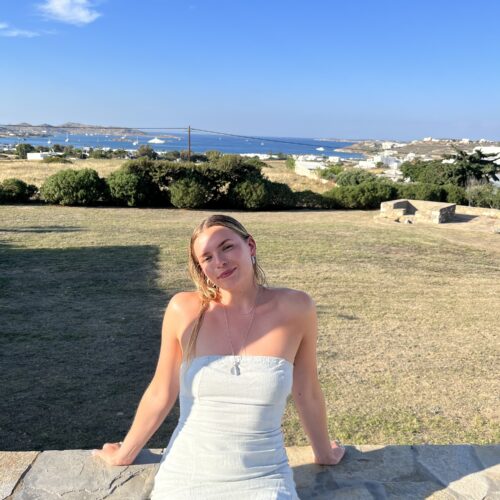
Sarah Rose isn’t quite sure what exactly it was that drew her to Italy in the first place. Was it Italy’s respect for the earth? Its slow pace of life? Her family roots? Or perhaps something more mysterious altogether. Born in the US, but now living in Italy while leading tours across Europe, Sarah Rose owes a lot of her personal development to her time in Italy. She’s now spent around a third of her life there learning many lessons along the way — a few of which she decided to share.
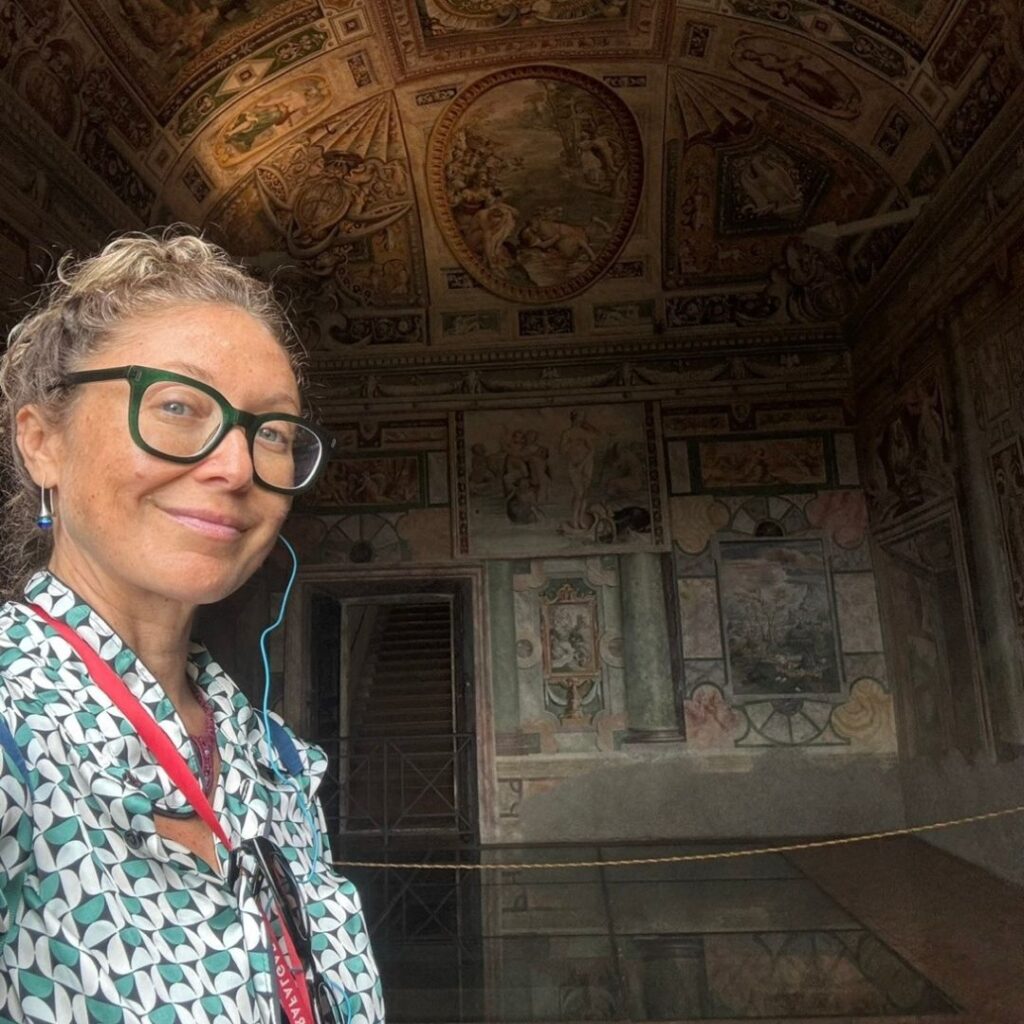
“Italy is magical”
Sarah Rose wants to get one thing out of the way. “I love Italy,” she says immediately. “I’ve lived about a third of my life there; it’s where I got into tourism, went to university, and it’s part of my family background, which is Irish and Italian.”
Italy is the world’s fifth most-visited country when it comes to tourism, but what exactly is it the draws people in? “As a destination, Italy is magical,” she continues. “I have often questioned why out of all the places in the world — but it’s just because it is. Italy’s landscape has the mountains, sea, lakes — the same things many other places have, but there’s something else. It’s like in a dream, and that draws people. Italy is escapism at its grandest.”
“Don’t get me wrong, there’s magic everywhere. But Italy’s the place that people can’t pin down why.”
“Rome feels like home”
Asking Sarah Rose to choose a favorite region or city in Italy is like picking a favorite child. “Oh, that’s so hard! I lived in Rome for a third of my life. As a human being, I feel like most of my personal development happened there, much more so than the States, because I left when I was 16 and never wanted to come back,” she says. “Knowing that my family came from around Rome, for me it feels like home, it will always feel like home. I know the streets, I know every corner, I know the little hidden places.”
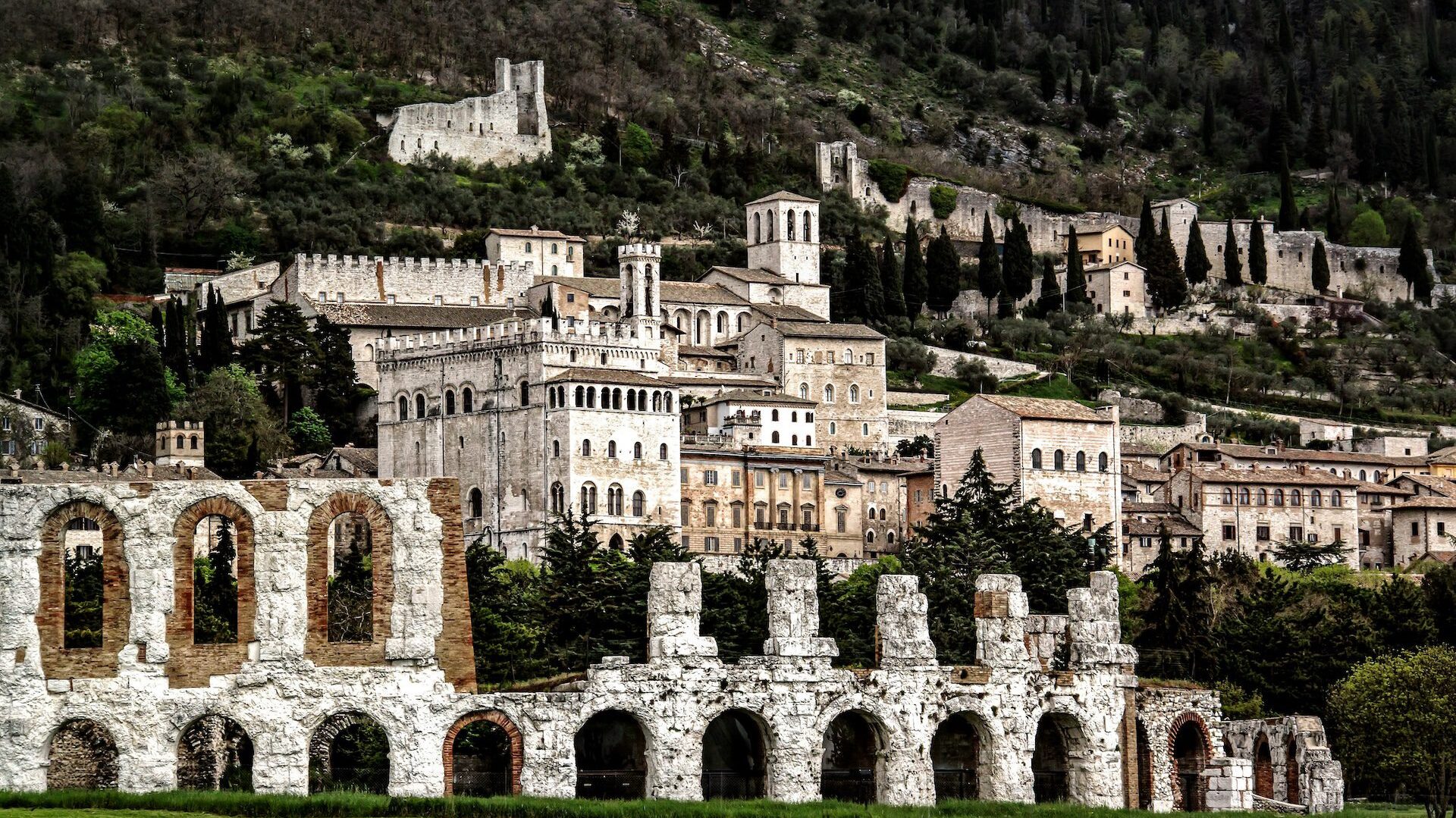
“At the same time, I also lived three years in Umbria. Umbria is really, really magical in a different way, because it has this countryside that not that many people go to,” she continues. “When we stop over in Assisi, I tell my guests: ‘I have literally four hours to convince you to come back to Umbria, because Umbria doesn’t get love like some of the other places — and it’s so much more than Assisi. There are beautiful mountains, waterfalls and rivers, cities like Gubbio that has the largest Christmas tree in the entire world.”
“I believe there’s a lot to experience in the south of Italy too. I think Calabria is going to be the next region I really dive into. I hope that in the future there’s more interest in this region.”
“There’s a huge culture for the earth”
Sarah Rose’s experience of living in Italy was led by locals, giving her an experience beyond the guidebooks — which she can now pass on to her own tour guests. “I first moved in with a guy I met in Rome, and he lived in Norcia (a few hours north of Rome). So I got this really unique experience to live in an isolated, small town. They initially had to collect all their water in a container on the roof and had four hours of electricity per day with a generator. People lived in such rustic conditions, but they did it on purpose because they wanted to be out of the cities.”
“Everybody has their own gardens; you grow a huge amount of your own food. It was totally different than living in Rome, and it was really interesting for me to experience that.”
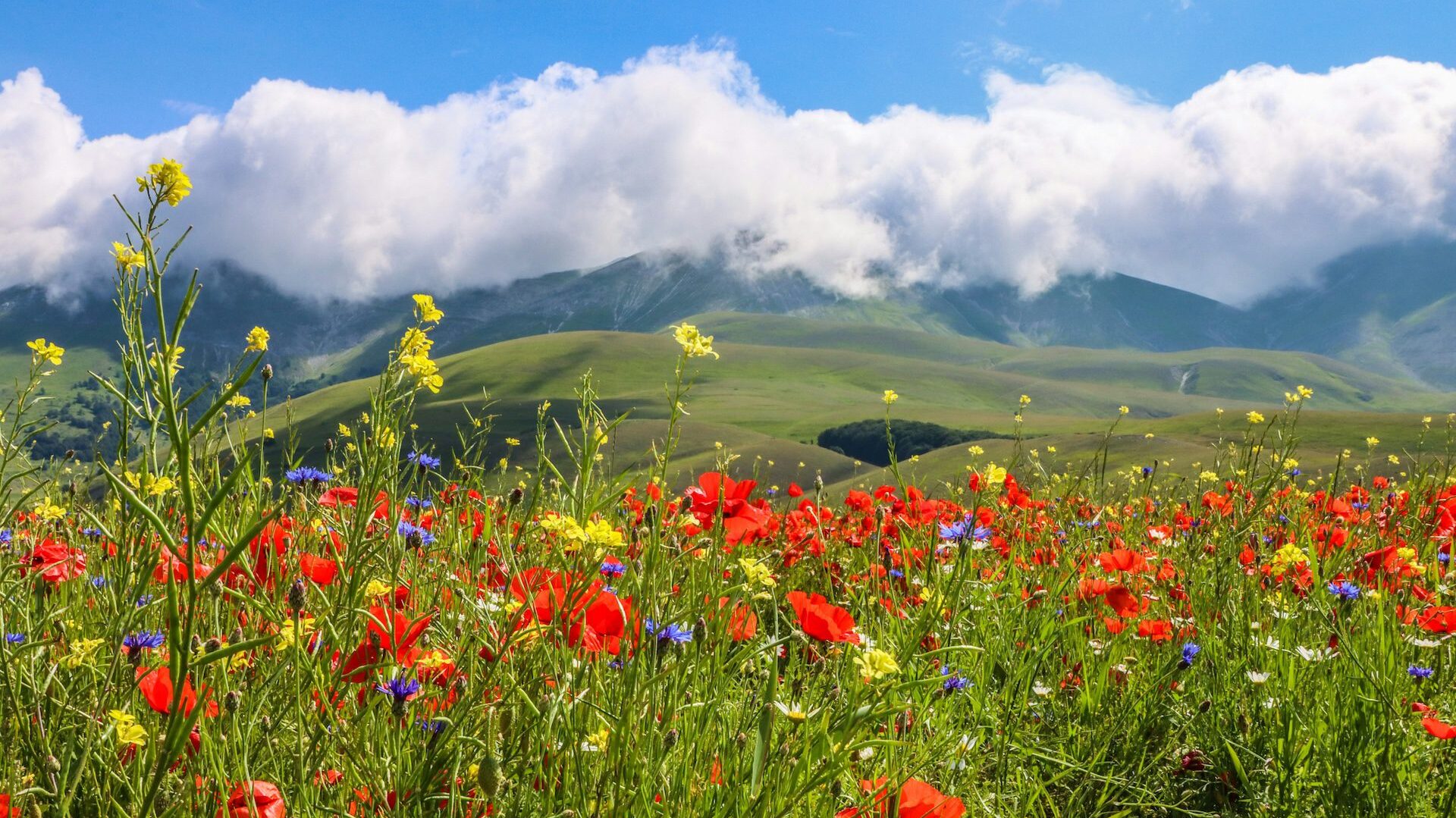
“Italians are very much into using food and nature to keep yourself healthy,” she continues. “There is a huge culture for the earth, and a green culture there that is so unknown because it’s in hidden pockets — like Umbria. When I lived there, we would have meetings about apicultura, taking care of bees, flowers, foraging. Elderly people walking along the road know exactly what plant is edible and how to pick it. We’ve lost a lot about sharing the importance of the earth and taking care of it.”
“I say to my groups: you’ve taken the time and energy to learn about this country, you’re not just here to consume and go. You’re here to learn, and we’re going to let you do that.”
“Dolce Vita is slowing down”
La dolce vita. Seen on t-shirts and Instagram captions accompanying Aperol spritzes and views of Italy’s glistening coastline. But, much like the Danish/Norwegian notion of Hygge, has it been lost in translation?
“It can mean such a variety of things,” Sarah Rose acknowledges. “Dolce Vita for me, the real version, is slowing down. It’s not stress, it’s not consuming.”
“You could have a consumer sense of Dolce Vita, splashing cash, buying lots of things — but that’s just capitalism. The Dolce Vita of one time was people just slowing down, taking things at a slower pace. This had no impact on the environment the way it does now. What we’ve done is capitalise the concept of Dolce Vita into just being a consumer. That’s not Dolce Vita.”
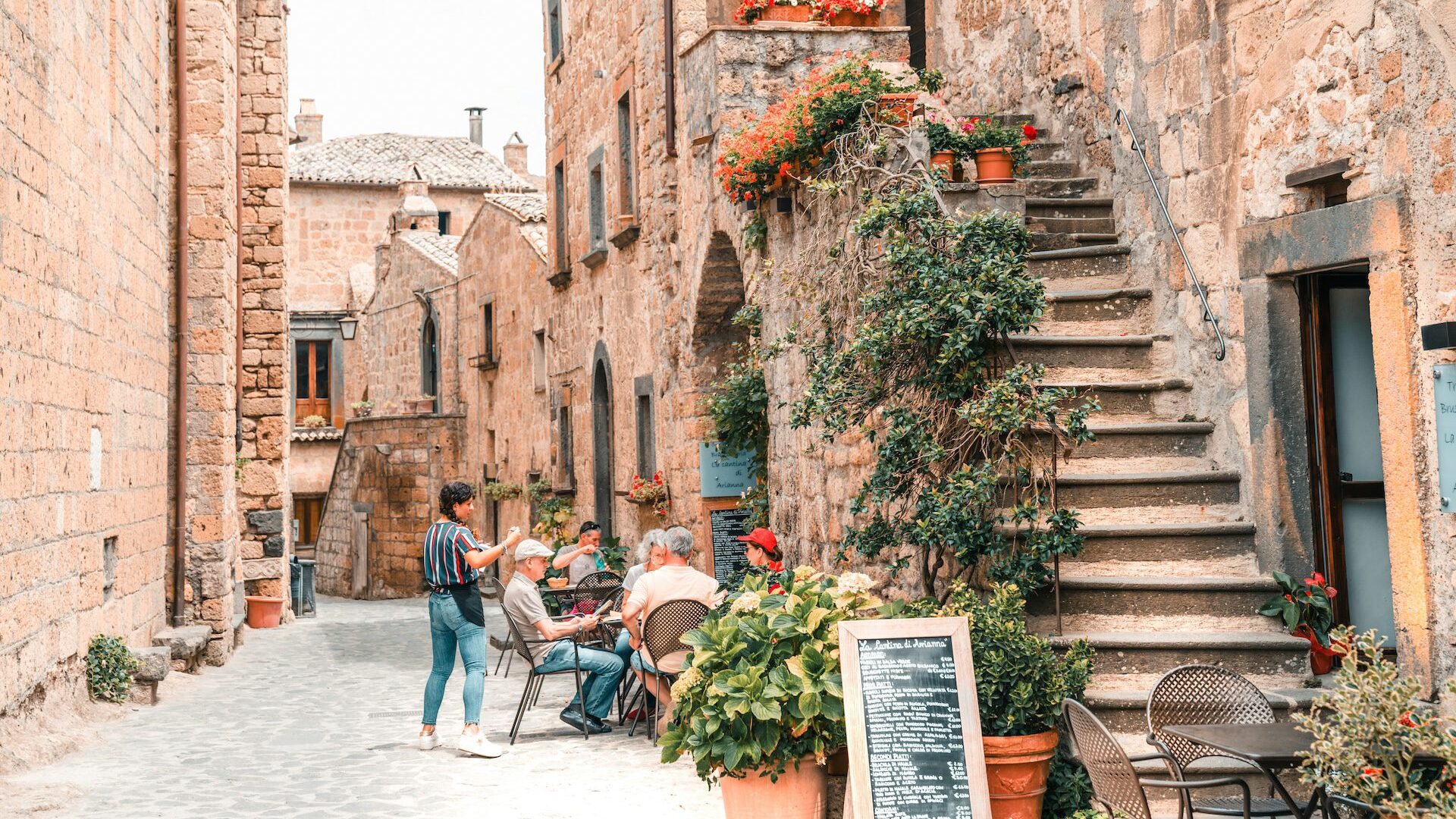
The one who’s enjoying Dolce Vita most is the little old man sitting at the bar, having his tipple or his coffee, watching the world go by. That is the best version of Dolce Vita you could imagine. So the meaning has been lost — but that’s why Travel Directors are awesome, because we can explain it.
Not only can our Travel Directors teach you the history of these Italian nuances, but you’ll meet locals who embody them in their daily lives. “On one of the trips I run, we meet a tour guide named Nora who’s lived in Italy for 50 years. She goes at a slow pace and walks with a cane. She says: ‘we’re going to go at my pace, because you know what, I go slow, and guess what? That’s what you’re supposed to do when you come to Italy.’”
“November is for foodies”
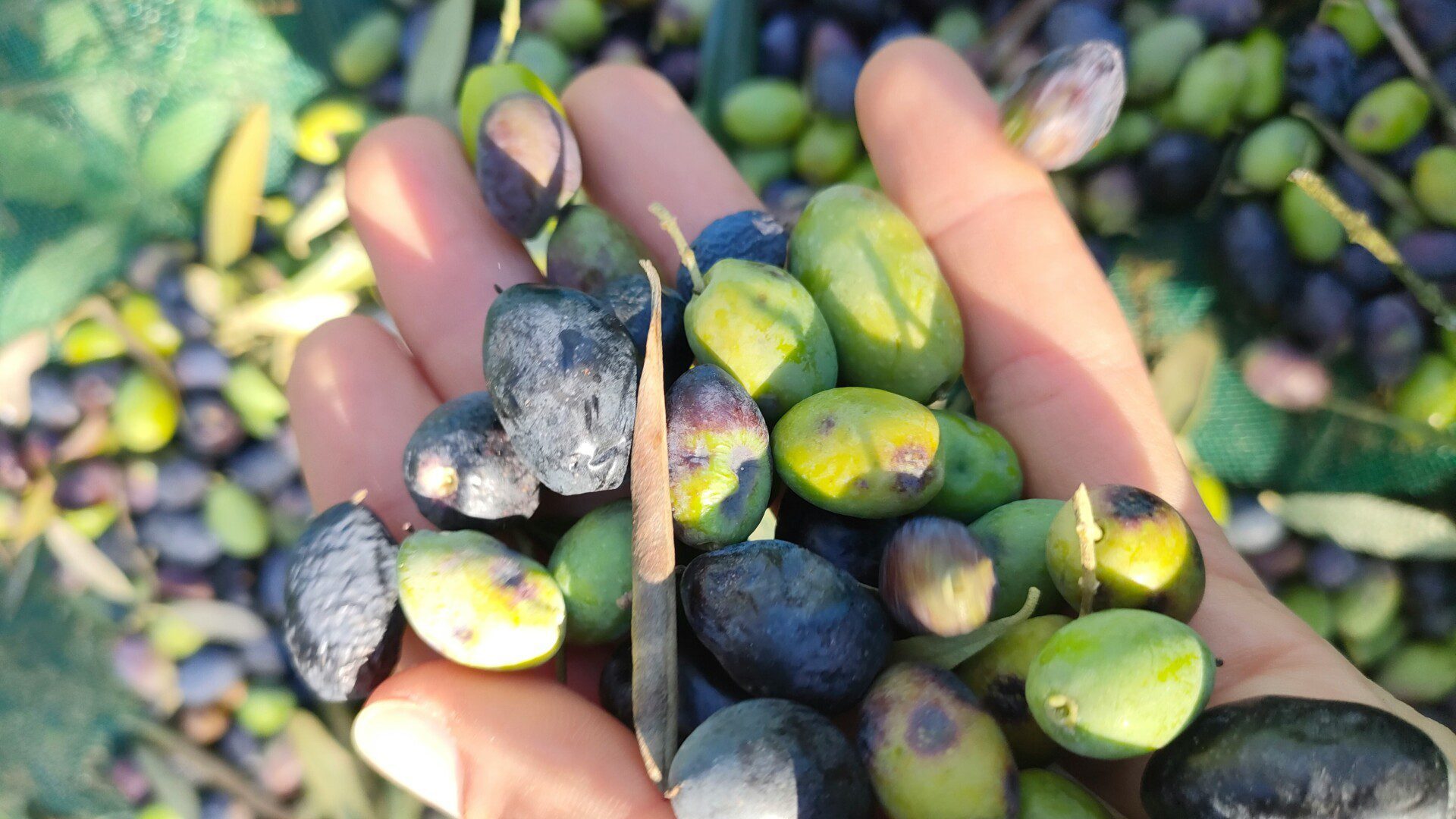
The best time to visit Italy is hotly debated — but if you love food (and who in Italy doesn’t love food?), Sarah Rose has a clear winner. “I think for sightseers the best time to visit is April and May or September and October. But for a foodie, my favorite time in the whole year is November,” she says. “Fresh olive oil, baby! You’ve got all the olive oil getting pressed, wine getting pressed, it’s truffle season, it’s porcini mushroom season. Umbria has these frantoio aperto events, where they open up all the olive presses and you can go from one olive press to another and try the fresh stuff. For wine lovers they also do Cantina Aperta (‘Open Cellars’), where again you go from cantina to cantina. November is for foodies.”