



Think leaving a tip shows gratitude? In Japan, it might just earn you a confused stare or your waiter will run down the street to awkwardly return your money. Japan flips the script when it comes to rewarding service and in the ‘Land of the Rising Sun’ tipping can actually be considered rude.
Receiving impeccable service is more of a given, not a transaction. When you travel across the world and interact with different cultures it’s important to be respectful. Let’s break down the dos and don’ts of tipping in Japan so you can master the art of appreciation, the Japanese way, for your next tour to Japan (plus we’ll touch on special exceptions).
Do people tip in Japan?
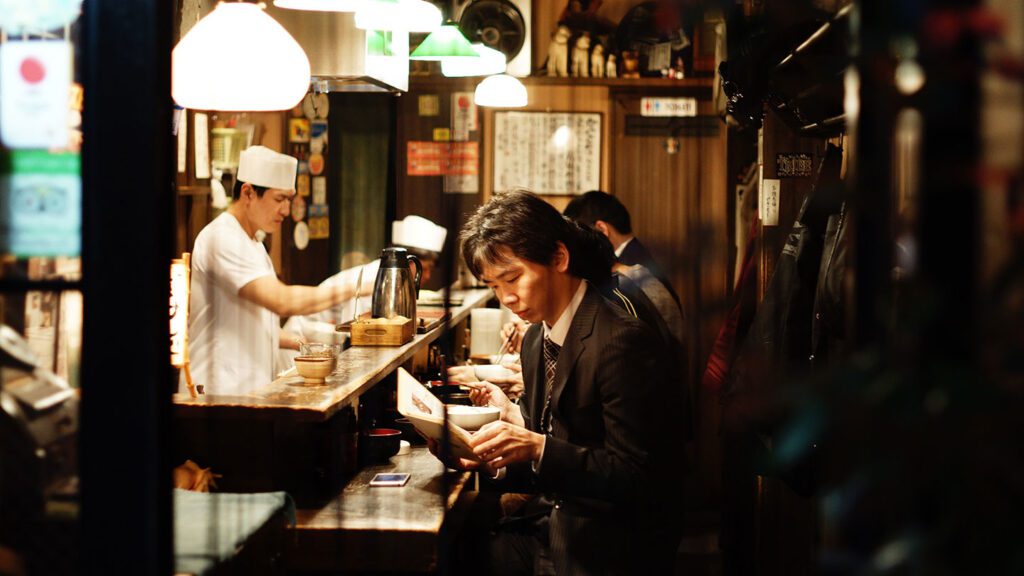
The answer is simple: no, tipping is not part of everyday Japanese service culture. It’s not that service is bad – it’s just that excellent service already comes included in the price. The Japanese government’s Consumer Hotline for Tourists clearly states: “There is no custom of tipping in Japan… if you leave money quietly on the table as a thank-you for good service, you will cause a panic and might have staff running after you to give you the money back.”
While recently there has been a spike in international tourism – with more than 40 million visitors expected to enter Japan in 2025 – the consensus is that locals hope their tipping culture doesn’t change with foreign influence. In fact, Japan has a lot of unique customs and unwritten rules that might confuse first-time visitors – from bowing to taking off shoes in homes.
British restaurateur – whose Japanese wife’s family run a central Tokyo izakaya – told DW: “Quite often when I’m handing a bill to people I suspect are in Japan for the first time, I make a point of politely saying that one of the wonderful things about Japan is that tipping is not required, which immediately cuts out any awkwardness.”
So, tipping for services is confusing for both the traveler and the local worker. Just don’t do it!
Why is tipping rude in Japan?
Leaving a tip in Japan can accidentally send the wrong message. What feels generous in Western cultures might come across as awkward, rude or even disrespectful. That’s because Japanese hospitality runs on “omotenashi” – a word that describes the art of wholehearted service done with pride, not for reward. The word means anticipating guests’ needs without expectation of a tip.
Tipping disrupts that balance. It can imply the service wasn’t already good enough – or that you’re trying to buy special treatment. As Tokyo-Iroha notes, it may even “create an unwanted sense of hierarchy” between customer and staff.
Japanese service culture is about doing your best because it’s the right thing to do, not because someone might pay you extra.
READ NEXT: 17 Fun Facts About Japan
What to do instead of tipping in Japan?
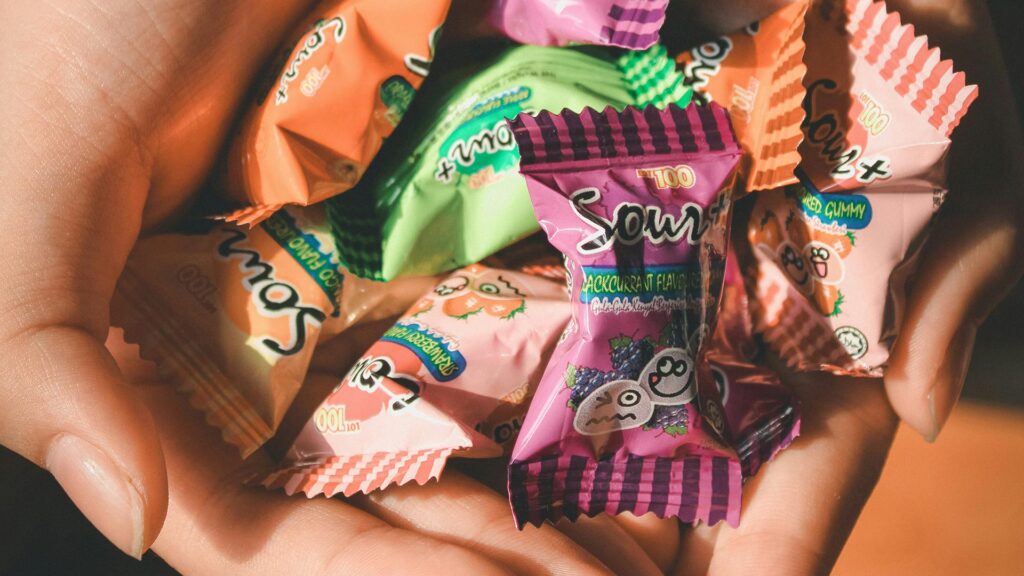
So if tips are off the table, what’s the secret to showing appreciation in a culture that values subtlety over cash? The answer lies in small gestures, sincere words and thoughtful actions. These things all speak louder than money ever could:
- Verbal gratitude – A simple “Arigatō gozaimasu” (ありがとうございます) or “Gochisō-sama deshita” after a meal goes a long way.
- Smile and bow – A small bow carries huge cultural weight and a smile is a universal sign of appreciation.
- Small, thoughtful gifts – Local specialties or snacks from your home country can be a meaningful gift. The Japanese have the social tradition of “Omiyage”, a souvenir brought back for loved ones and colleagues. If someone takes a trip they will return with sweets, snacks or cookies to share. If you do bring something, make it modest and present it with both hands.
- Leave a positive review or feedback – In Japan, business reputation matters. Saying good things to management or writing thoughtful reviews helps more than a tip.
READ NEXT: When Is The Best Time To Visit Japan?
Are there any tipping exceptions?
Yes. While tipping in Japan is generally off the table – you don’t need to tip waiters, taxi drivers, bellhops, hotel staff – there are a few rare, culturally acceptable exceptions. Knowing when and how to do this can help you avoid making a faux-pas.
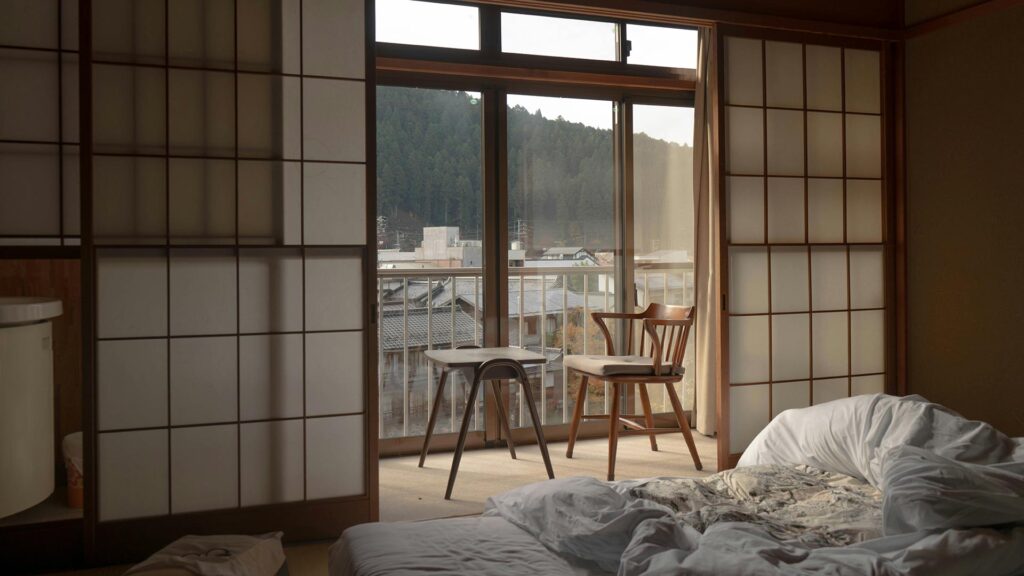
In a luxury ryokan (traditional Japanese inn), especially those with a nakai-san (personal attendant who serves meals, sets up your futon, etc.), guests sometimes give what’s called kokorozuke (心付け) – a small cash gift in a simple envelope as thanks for exceptional personal service. At these high-end ryokans, the amount is modest – often ¥1,000 to ¥3,000 per guest.
Another exception is private tour guides or interpreters who accompany you for a longer period, offer deep local knowledge, handle logistics or go beyond “just showing you around.” In such cases, travelers sometimes give a small envelope tip if they feel the service was outstanding. This is the case on Trafalgar tours, where we advise that an average gratuity for your Travel Director would be USD $10 per guest per day.
Also, in some very traditional or ceremonial settings – geisha performances or private dinners with geisha/maiko – tips (also often in envelopes) may be more culturally accepted.
READ NEXT: 10 eye-opening facts about Japanese cultural etiquette
How to give a tip in these circumstances?
If you do give a kokorozuke or tip in these exceptional cases, there are some guidelines as it is rude to directly hand someone money or leave cash on a table. This is part of the reason why all restaurants will have little trays to place cash into when paying!
- Try to use crisp, clean bills
- Put them in a small envelope
- Offer the envelope with both hands and a bow
If you do decide to tip, discretion is important. You can buy little envelopes for cash at convenience, stationery or 100 yen stores.
If the person declines your tip, accept politely and graciously. It is their choice.
READ NEXT: From samurai to sakura, where to go and what to do in Japan
Should I tip my tour guide in Japan?
Yes, tour guides in Japan generally accept and appreciate tips. Although tipping in Japan is not generally customary in restaurants and hotels, it is appreciated for some services.
On Trafalgar tours, if you want to leave a gratuity for your guide and driver we suggest you follow local customs. Seal the tip in an envelope and present it privately and individually to each person. As for how much to tip, we suggest the average gratuity for your Travel Director would be USD $10 per guest per day, then $5 for your Driver and $2 for your Bus Assistant.
READ NEXT: 16 ways Trafalgar will help you discover the real culture of Japan
Do you feel confident about tipping in Japan now? Leave a comment if you have a question…