



Yes, traditional Italian food includes plenty of pasta (and pizza) but when you dive into the recipes you’ll discover these top dishes are more about place – 20 different, fiercely proud regions that are all deliciously different. Real Italian food is shaped by mountains, seas, grandmothers and stubborn devotion to doing things properly.
Below we’ve rounded up the best traditional dishes and Italian foods you need to try on your next trip to Italy.
What are traditional Italian foods?
Traditional Italian foods and dishes are regional and seasonal. While there are dishes popular across the world, there actually isn’t one national menu. In December 2025, UNESCO actually recognized “Italian cuisine” with its Intangible Cultural Heritage of Humanity stamp. It handed out the label based on Italian cooking as a “social ritual” that brings together family and community, with dishes rooted in sustainability and seasonality.
Much of Italy’s most beloved cooking comes from cucina povera (poor kitchen) ingenuity that turns humble ingredients into something quietly extraordinary. A few ingredients, treated with respect, become something remarkable. Italian cooking is all about geography, so that label ties in everything from Alpine stews in the north to citrus-laced seafood in the south.
READ NEXT: Italian Cuisine Is Officially the Best In the World
Italian antipasti – a traditional starter
A traditional meal will start with antipasto, followed by primo, secondo and a sweet finish with dolce. Here are some traditional well-known antipasti recipes.
Bruschetta al Pomodoro (Lazio & Tuscany)
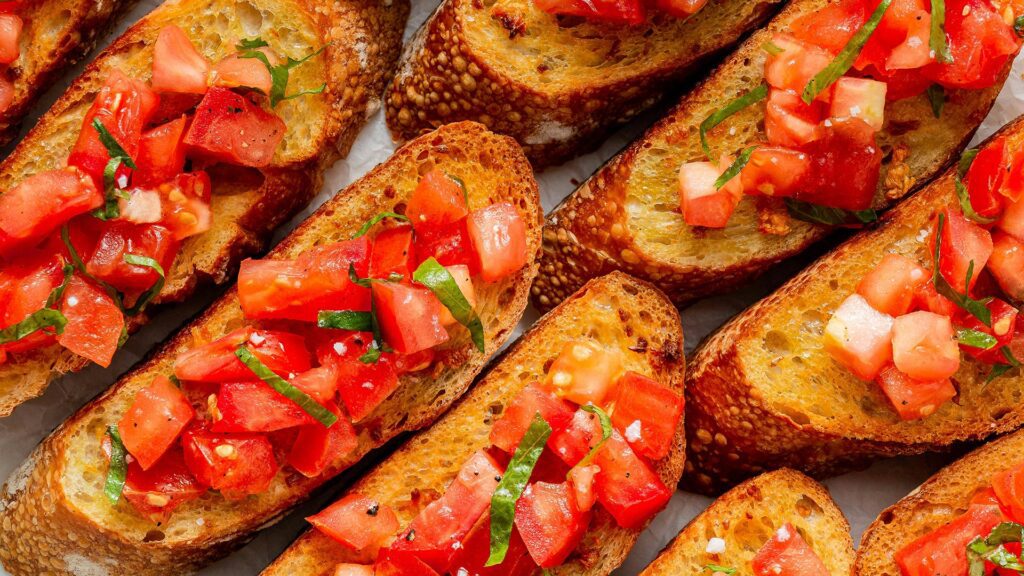
Bruschetta is more of an idea than a recipe. Thick slices of rustic bread are grilled until smoky and rubbed with garlic. Then you can top it with what you like – the most well known combination is peak-season tomatoes chopped and tossed with excellent olive oil and torn basil.
Prosciutto di Parma (Emilia-Romagna)
In Emilia-Romagna region, Prosciutto di Parma is cured for over a year, developing a delicate sweetness and silky texture that dissolves on the tongue. The cured ham is sliced very, very thin and folded onto a plate – sometimes served with shards of Parmigiano Reggiano or sweet melon.
READ NEXT: Home cooking and stunning views on Italy’s most famous lake
Burrata (Puglia)
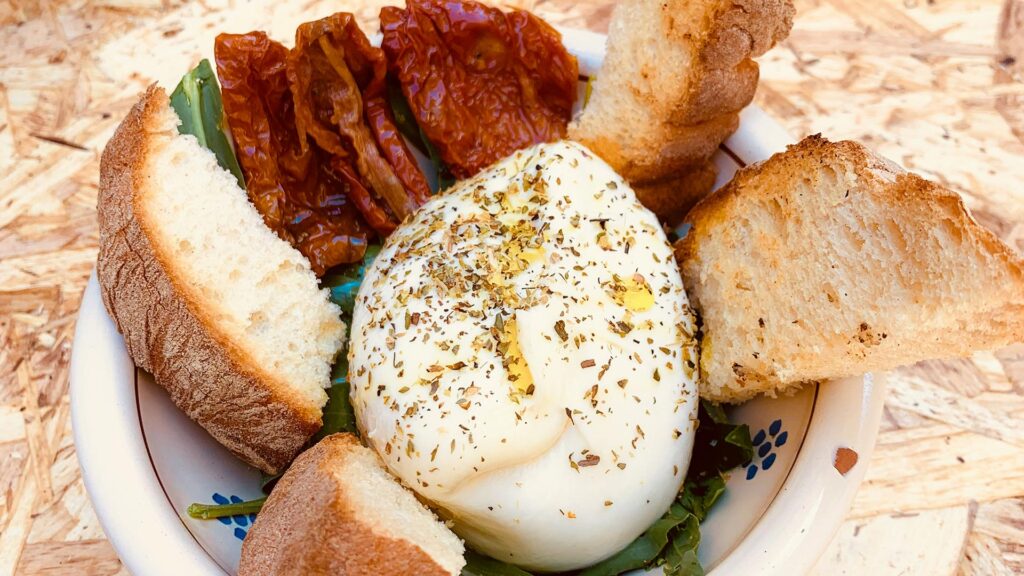
Burrata is like a present – you slice into the round, delicate mozzarella shell to reveal a soft heart of stracciatella cream. Born in Puglia as a clever way to use leftover curds, it’s now one of Italy’s most popular cheeses. Serve it simply with tomatoes, olive oil and sea salt.
Arancini (Sicily)
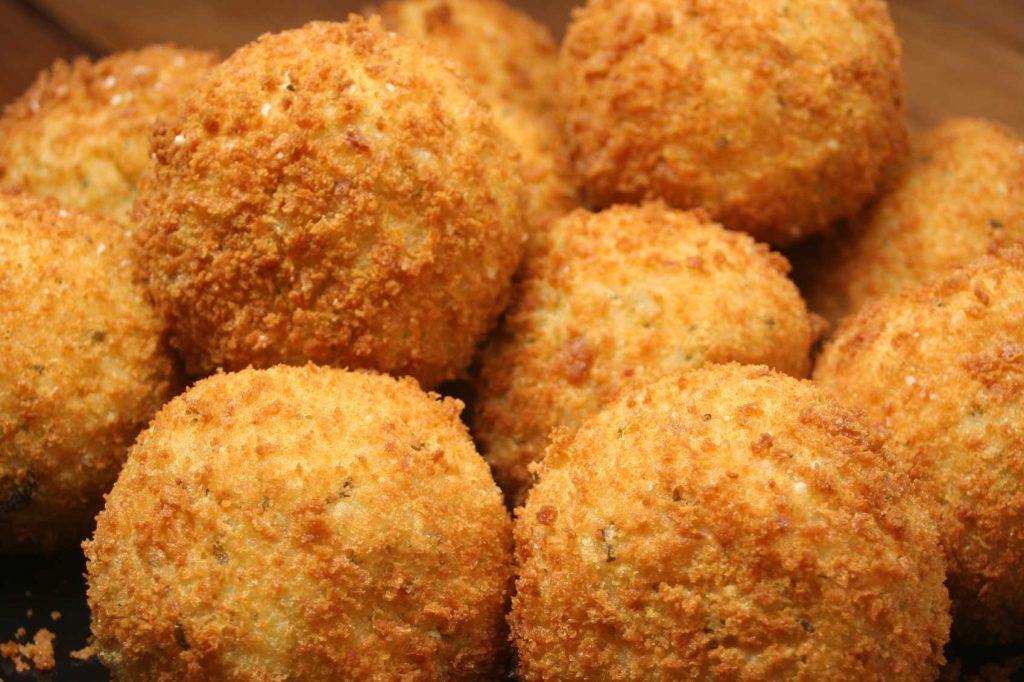
Arancini are Sicily’s most famous street snack – saffron-tinted rice formed into balls or cones, filled with ragù, mozzarella or pistachio, then coated in breadcrumbs and deep-fried. In Rome, you’ll find their close cousin, supplì – smaller, usually filled with tomato sauce and mozzarella. The cheese gives suppli its signature “telefono” stretch when pulled apart. Arancini are typically larger and more varied in filling, supplì are simpler and cheesy.
Pasta & Primi – the first hot course
In Italy, the primo is the first hot course – and this is where pasta comes into play. Shapes, sauces and starches shift dramatically by region, depending on the climate, local agriculture and tradition. The north leans into butter, egg-rich doughs and rice, while you’ll find durum wheat and olive oil in the south.
Tagliatelle al Ragù (Emilia-Romagna)
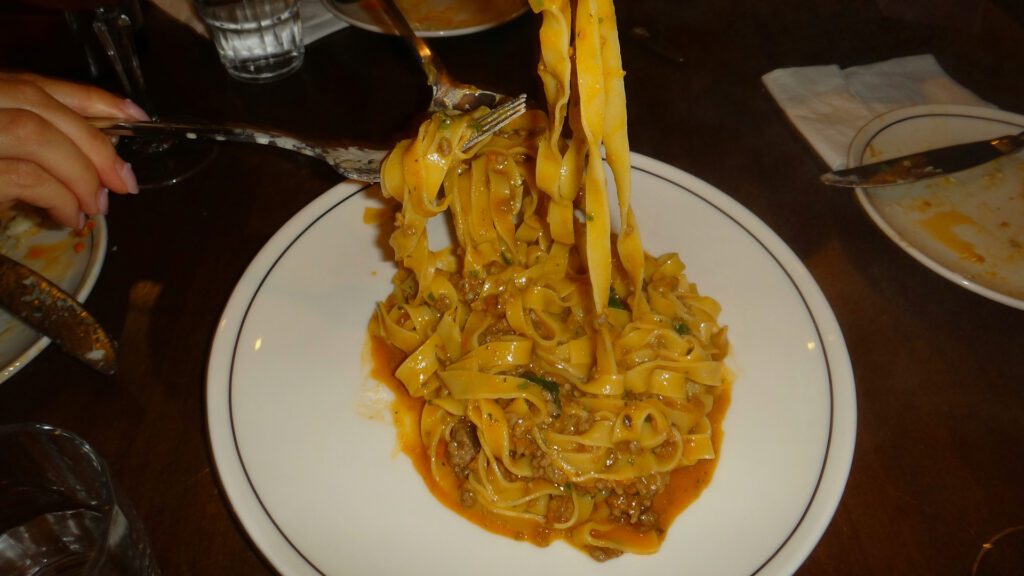
In Bologna, ragù is slow-cooked with beef, pancetta, carrot, celery, onion and tomato, finished with milk for softness. It’s served with fresh egg tagliatelle, never spaghetti. The wide ribbons hold the sauce properly.
Risotto alla Milanese (Lombardy)
Grown in the rice fields of the Po Valley, arborio or carnaroli rice is stirred gradually with stock until creamy but still al dente. Saffron gives traditional risotto alla Milanese its golden hue and subtle earthiness. It is traditionally finished with butter and Parmigiano Reggiano.
READ NEXT: Northern vs Southern Italian food: What’s the difference?
Pesto Genovese (Liguria)
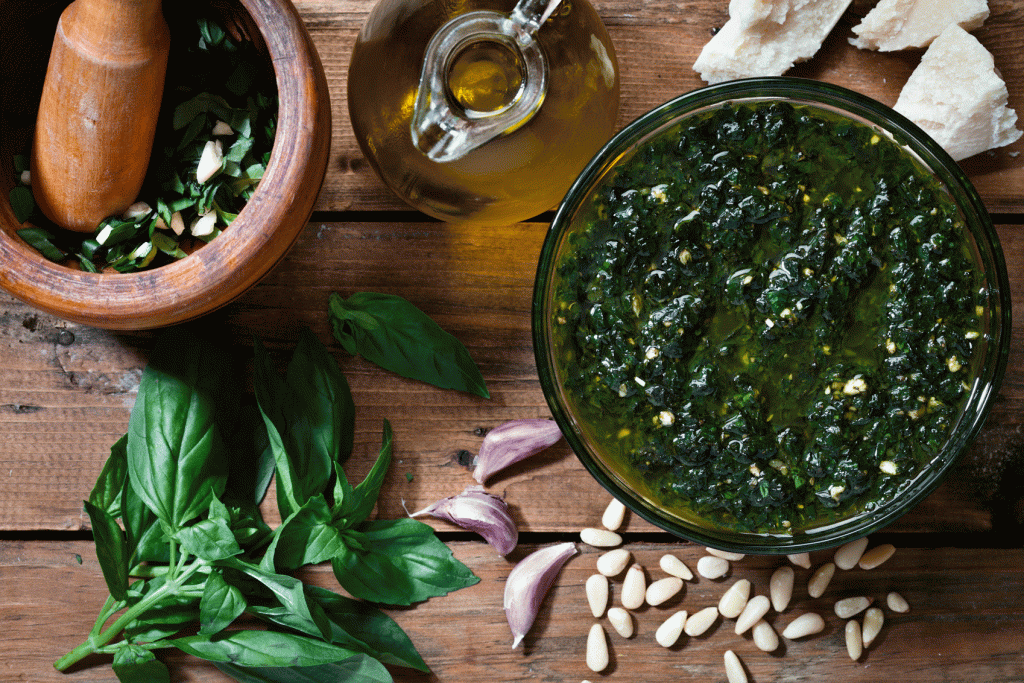
Fresh basil grown on the terraced hills above Genoa is pounded with pine nuts, garlic, Parmigiano Reggiano, Pecorino and Ligurian extra virgin olive oil. Pesto is traditionally using a marble mortar and wooden pestle, then tossed with trofie or trenette pasta – or even potatoes and green beans. It’s aromatic and bright.
Cacio e Pepe (Lazio)
Pecorino Romano, cracked black pepper and starchy pasta water emulsify into a glossy sauce that clings to tonnarelli or spaghetti. No garlic. No butter. No cream! The starch in the water emulsifies the cheese, forming a sharp, peppery coating. There is no more Roman dish!
Carbonara (Rome, Lazio)
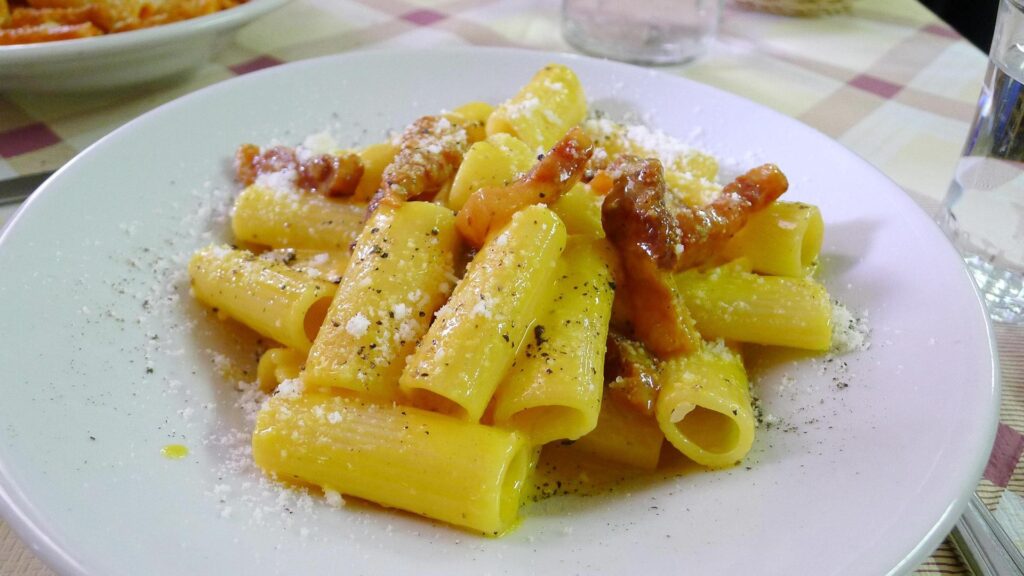
Once again, traditional carbonara contains no cream. In Rome, the pasta sauce is made with guanciale (cured pork jowl), egg yolks, Pecorino Romano and black pepper, tossed quickly with hot pasta to create a silky coating. The texture comes from emulsified egg and fat, not dairy. Done properly, it’s rich without feeling heavy.
Orecchiette con Cime di Rapa (Puglia)
In Puglia, orecchiette (“little ears”) are shaped by hand to cradle cime di rapa, a pleasantly bitter green similar to turnip tops. Garlic, anchovy and chilli add depth, while olive oil binds everything together. Often, pasta and greens cook in the same water, keeping the dish practical and flavorful. A true southern dish!
Pasta alla Norma (Sicily)
Pasta alla Norma captures Sicily’s sunshine. Tomato sauce is simmered until sweet and concentrated, then tossed with fried aubergine, basil and salted ricotta. The aubergine turns silky, absorbing oil and flavor, while the tomatoes stay bright.
Pizza
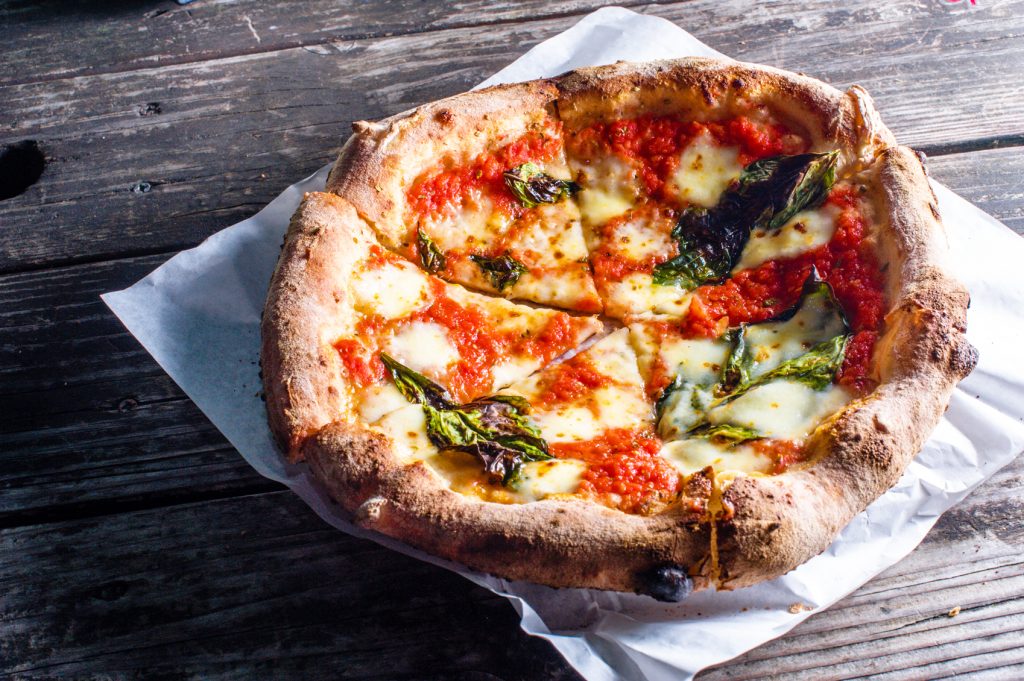
Pizza as we know it was invented in Naples, where wood-fired ovens reach blistering temperatures and the dough is stretched by hand into soft, airy rounds. In Napoli the art of Pizzaiuolo was added to UNESCO’s Intangible Cultural Heritage of Humanity list in 2017. That label recognizes the traditional, four-stage method of preparing dough and baking it in a wood-fired oven.
If there’s one pizza to try it’s the classic Pizza Margherita. Topped with tomato, mozzarella and basil, it reflects the colors of the Italian flag. The crust of a Neapolitan pizza will be slightly charred, and the center of the thin dough will be soft but not soggy.
Roman pizza is different. Bases tend to be thinner and crisper, often cooked longer for a firm bite. As you explore Italy you’ll find pizza varies in thickness, toppings and texture. But a good pizza comes down to quality flour, careful fermentation and restraint.
READ NEXT: Best Time to Visit Italy
Secondi – the main event
When sitting down for a traditional Italian meal, you’ll follow the primo (often pasta) with secondo – usually a meat or fish dish. Here are some common and popular traditional Italian dishes.
Bistecca alla Fiorentina (Florence, Tuscany)
Cut thick from Chianina cattle raised in the Tuscan countryside, the T-bone steak is grilled over hot coals, seasoned simply with salt, pepper and olive oil. It’s served rare, often by weight, and carved at the table. Pair it will a robust red wine for a memorable meal in Florence.
Osso Buco (Milan, Lombardy)
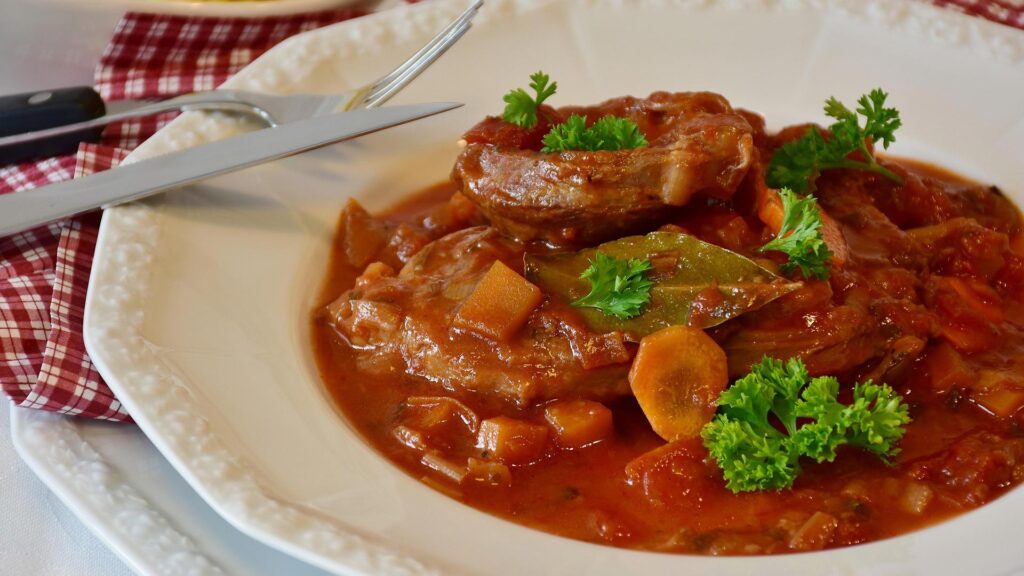
Cold Alpine winters and osso buco go hand-in-hand. Veal shanks are braised slowly with white wine, broth and aromatics until tender, the marrow soft within the bone. The dish is traditionally finished with gremolata – a mix of lemon zest, garlic and parsley – to balance the rich, fatty flavors.
Saltimbocca alla Romana (Rome, Lazio)
Saltimbocca translates to “jumps in the mouth”. Thin veal escalopes are layered with prosciutto and sage, then cooked quickly in white wine and butter. It’s efficient, delicious Roman cooking with bold flavors and minimal ingredients.
Fritto Misto di Mare (Coastal regions)
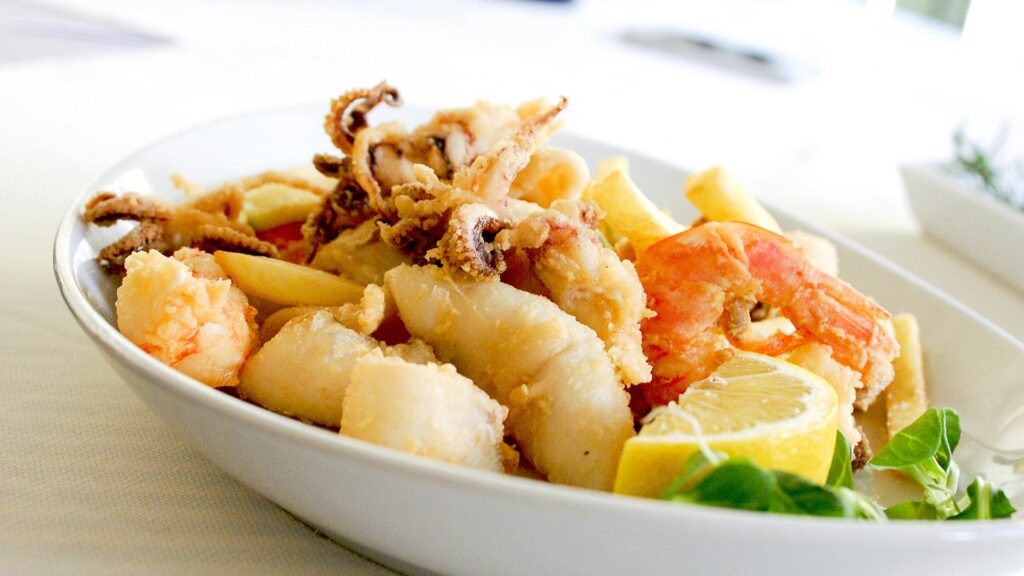
Along Italy’s coasts, fritto misto di mare showcases the day’s catch – squid, prawns, small fish, sometimes anchovies. The seafood is lightly floured and fried quickly in hot oil, served with lemon.
READ NEXT: 7 reasons why shoulder season is the best time to visit Italy
Dolci – traditional Italian desserts
Tiramisu (Veneto)
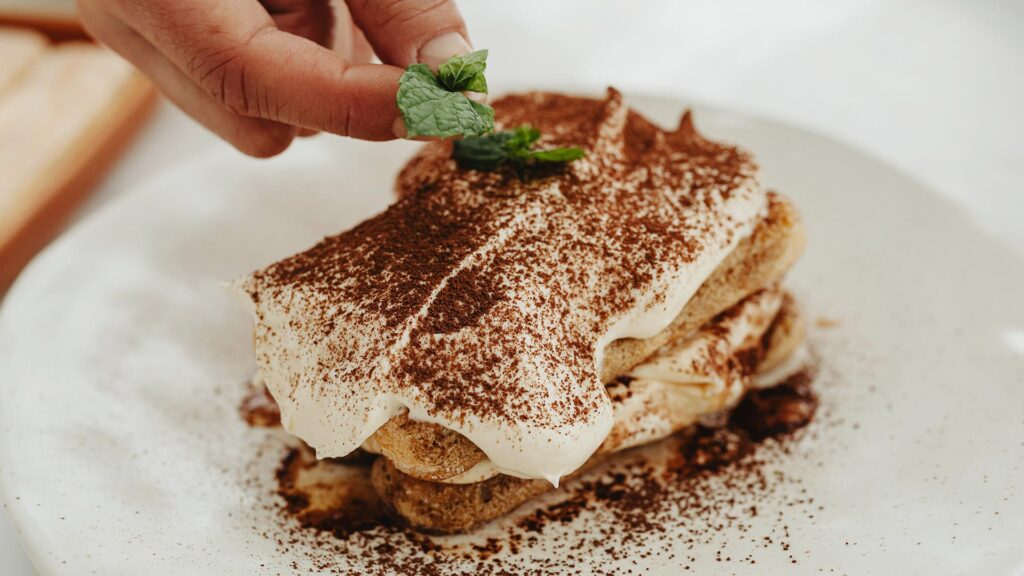
Tiramisu was first developed in the Veneto region, traditionally in Treviso. Layers of espresso-soaked savoiardi (ladyfingers) are sandwiches between a cream of mascarpone whipped with egg yolks and sugar. The final Italian dessert is then dusted generously with cocoa. A traditional tiramisu is quite light rather than heavy, with the bitterness of coffee balancing the sweetness.
Cannoli (Sicily)
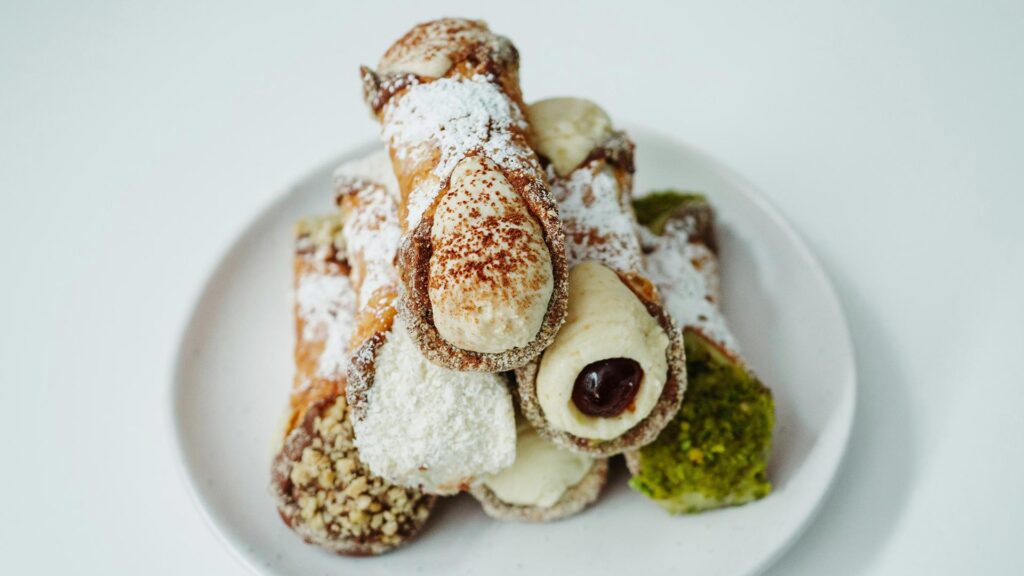
Cannoli originated in Sicily and remain a staple of the island’s pasticcerie. Tubes of crisp, fried pastry are filled to order with a cream of sweetened ricotta, often studded with chocolate chips or candied citrus peel. The shell must stay shatteringly crisp – you want fresh cannoli, not pre-filled.
Panna Cotta (Piedmont)
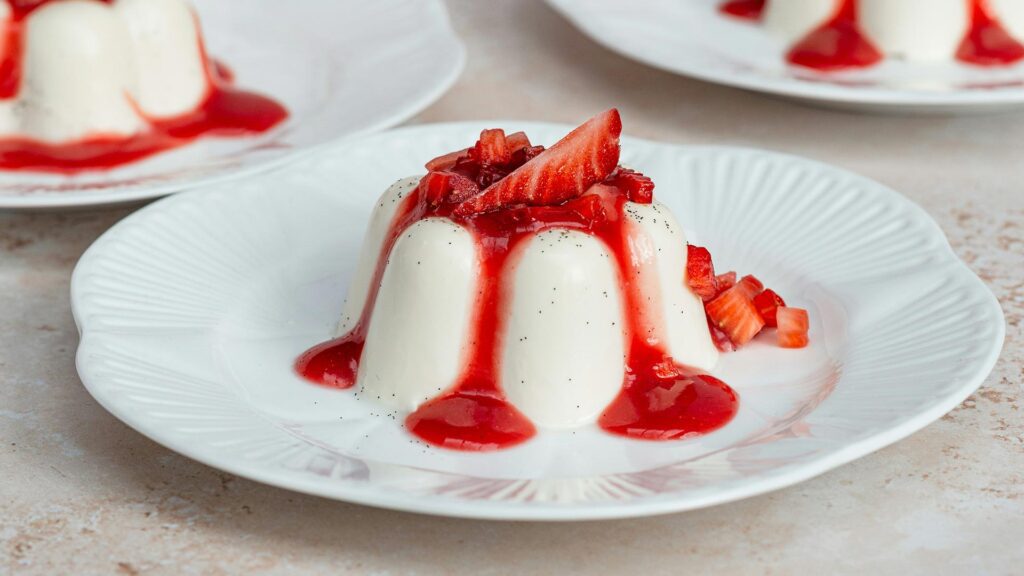
Panna cotta translates simply as “cooked cream”. The dessert is originally from Piedmont in northern Italy. Cream and sugar are gently heated, set with gelatine and chilled until softly firm. It’s typically served with berry coulis or caramel, but the base remains neutral and delicate. The texture should wobble slightly on the spoon.
Gelato (Across Italy)
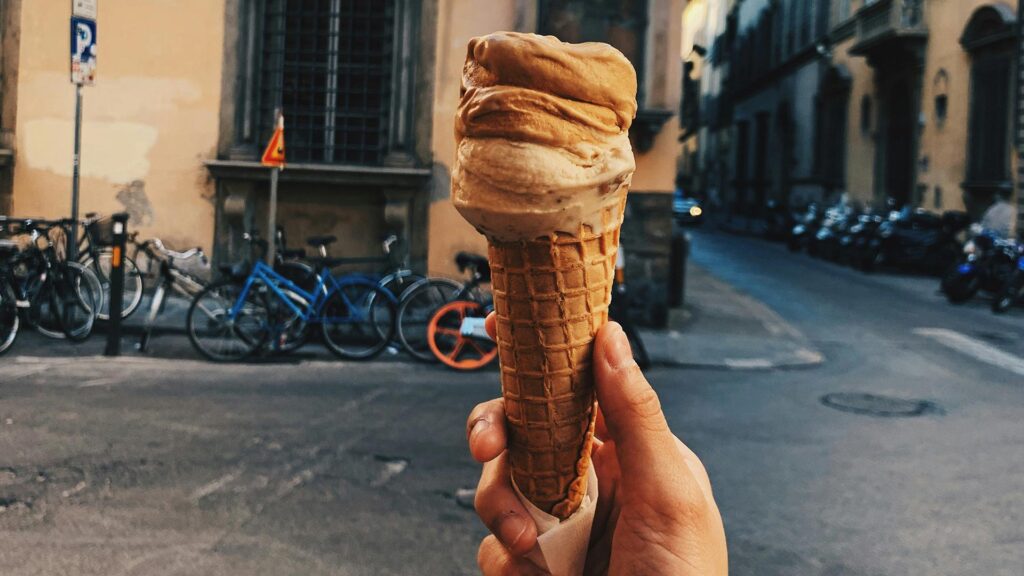
Compared to standard ice cream, gelato contains less air and less fat, resulting in a denser texture and more direct flavour. The best pistachios from from Bronte, hazelnuts from Piedmont, and lemons from Amalfi. Gelato is generally softer and silkier than ice-cream.
What makes Italian dishes unique?
Provenance, seasonality and ingredients. Each region cooks from its own pantry, with traditional dishes shaped by the local climate and history. In Campania, San Marzano tomatoes thrive in volcanic soil, while in Emilia-Romagna you’ll find Parmigiano Reggiano aged for years under strict regulation. Those ingredients can be replicated, but the quality is never the same.
Italians cook with artichokes in spring, porcini in autumn and truffles when the air turns cold. Protections like PDO and DOC safeguard cheeses, wines and cured meats to ensure origins and traditional methods are valued and remain intact.
Are traditional Italian dishes hard to make?
Some are deceptively simple. Italian cooking rarely relies on complicated techniques or long ingredient lists – it’s more about sourcing the best tomatoes, using proper Parmigiano Reggiano and balancing heat. With only a handful of components, there’s nowhere to hide (so don’t burn your garlic!).
While some dishes take all day to simmer away and develop flavor, many are quick and easy. For example, cacio e pepe comes together in minutes. Bruschetta is easy and quick for a light lunch.
Those are the true traditional Italian foods we think you have to try! Any other dishes we should add to this list? Leave us a comment….