



If you’re planning a trip to Europe this year, ticking off one of the continent’s great wine regions should be high on your list. Why? Well, spending a day sipping wines while looking out over green wine terraces is never a bad idea. Visit in spring to see young vines waking up the landscape. Go in late summer for the action of the harvest. Or try autumn to see the hills awash in fall foliage.
If you’ve spent years dreaming of walking the old gravel paths of Bordeaux or tasting the sharp minerality of the Mosel, making it happen is simple! From the sun-baked, hand-carved terraces of the Douro Valley to steep limestone ridges of the Prosecco hills, let’s look at Europe’s most legendary wine regions. You can visit many of these with Trafalgar. You board the coach and hand the logistics over to a driver who knows the tight switchbacks by heart. Your job? Watch the changing valleys roll past your window and get ready to taste. Here’s where to go.
1. Bordeaux, France
Why is Bordeaux unique? Looking for a structured, age-worthy red? You can’t beat a Bordeaux wine.
Main grapes: Merlot, Cabernet Sauvignon, Cabernet Franc, Sémillon and Sauvignon Blanc
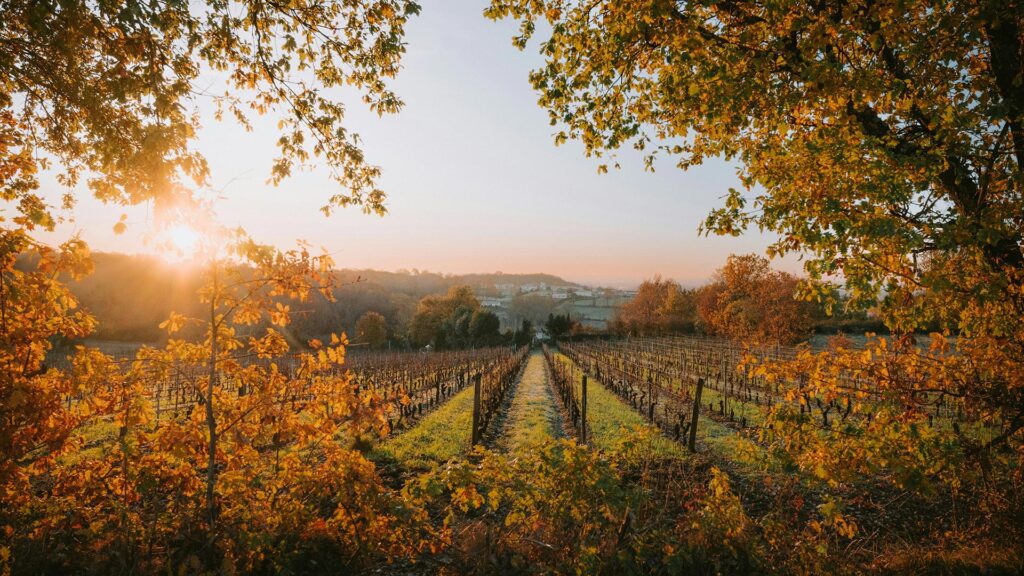
Gorgeous Bordeaux city, with its 18th-century architecture, is more like a mini Paris than a gateway to some of the world’s best red wines. Explore the sleek, ultra-modern Cité du Vin museum before heading out to the Medoc or Saint-Émilion peninsulas. Here you’ll find grand châteaux rising from the gravelly soil. On Trafalgar’s Best of France trip, you’ll trade the city pavements for the vineyards of Saint-Émilion. On your half-day excursion discover the terroir of great Cabernet Sauvignon and Merlot wines.
Did you know… the region has historic ties to the British Crown so the English have their own name for Bordeaux reds – claret.
2. Chianti (Tuscany), Italy
Why is Chianti unique? It is a rugged landscape of silver olive groves and dark cypress trees where the Sangiovese grape is king.
Main grapes: Sangiovese
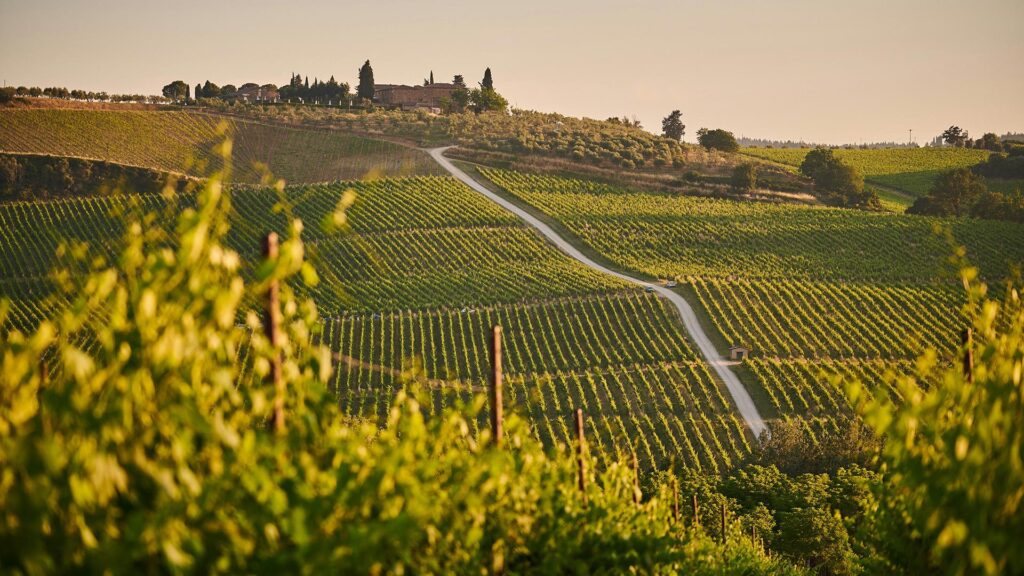
Chianti is a sun-drenched mountainous region that stretches across the Tuscan hills between Florence and Siena. Travelers flock here to drive the winding backroads and stop at family-run fattorias (estates). Eat wild boar ragù paired with wine poured straight from a traditional straw-covered flask! You can experience this slow-paced rural magic on the Trafalgar Rome and Tuscan Highlights itinerary. It gets you out of the crowded city museums and into the quiet countryside and stone villages.
Did you know… the black rooster (Gallo Nero) stamped on every bottle of Chianti Classico stems from a bizarre 13th-century horse race used to settle a border dispute between Florence and Siena.
READ NEXT: Unlock the best Tuscan family recipes: chicken in Chianti wine
3. Champagne & Alsace, France
Why is Champagne & Alsace unique? Between the two find the world’s most celebrated sparkling wines and dry, aromatic Rieslings.
Main grapes: Chardonnay, Pinot Noir, Meunier (Champagne); and Riesling, Muscat d’Alsace, Pinot Gris and Gewurztraminer (Alsace)
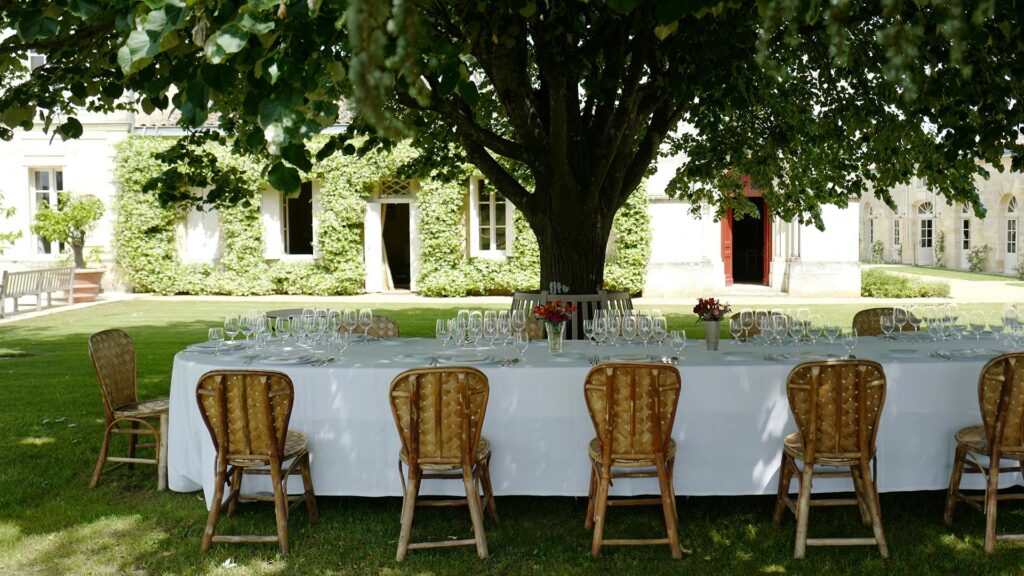
While Champagne boasts deep, subterranean chalk cellars in Reims, neighboring Alsace trades bubbles for fairy-tale timbered villages painted in pastel shades along the Rhine. Trafalgar’s Villages of France tour cuts a loop through both, along with Burgundy, for a 9-day tour exploring the French way of life. Surprise, it includes wine, wine and more wine.
Did you know… the famous Dom Pérignon was actually a monk who spent years trying to get rid of bubbles because they were considered a flaw and defect that made bottles explode.
4. Douro Valley, Portugal
Why is Douro Valley unique? It’s the oldest demarcated wine region in the world with a landscape of steep hand-carved schist terraces that plunge vertically into a winding river.
Main grapes: Touriga Franca, Touriga Nacional, Tinta Roriz, Viosinho, Rabigato
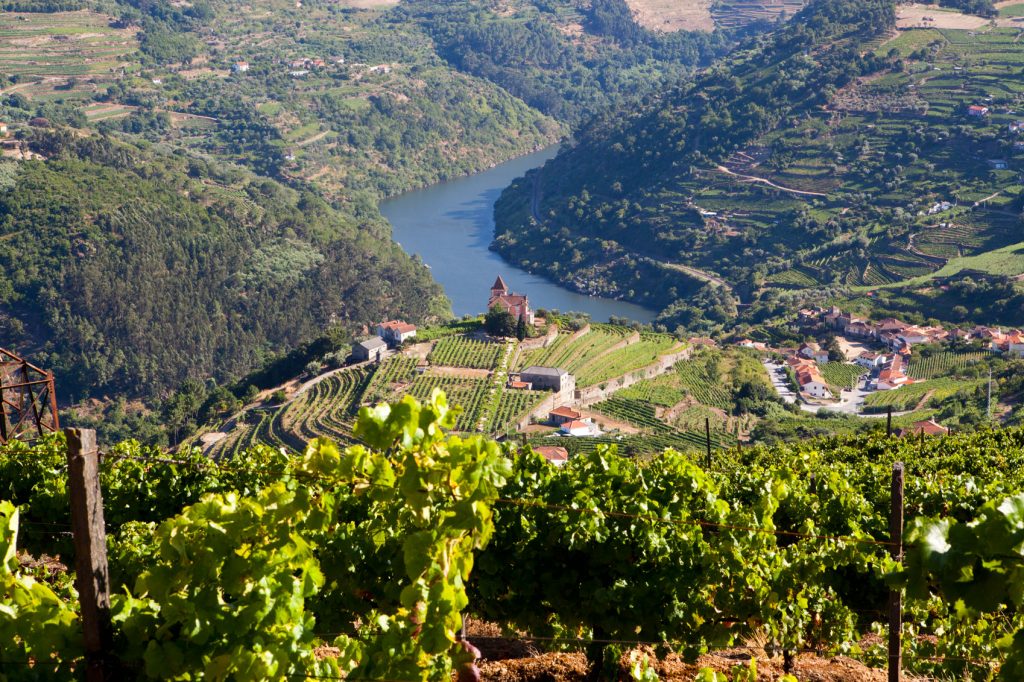
The Douro Valley is a dramatic collaboration between man and nature. Here the steep hills are covered in schist stone terraces. Between wine tastings, board a river boat to see the landscape from a new perspective as white-washed quintas (wine estates) pass by. The Douro Valley is best known for producing rich, fortified Ports and robust table reds. On the Trafalgar Best of Portugal trip, you’ll see this UNESCO-listed landscape firsthand. Learn how generations of families have harvested grapes on slopes too steep for machinery.
Did you know… the Douro was officially regulated in 1756 with stone markers to define the border. The wine was shipped downstream in small boats to Porto where it would become fortified port wine.
READ NEXT: 8 of the best wineries to visit in California
5. Mosel & Rhineland, Germany
Why is Mosel & Rhineland unique? These two wine valleys feature some of the steepest vineyards in Europe, where slate soils reflect sunlight to ripen complex, mineral-driven Rieslings.
Main grapes: Riesling
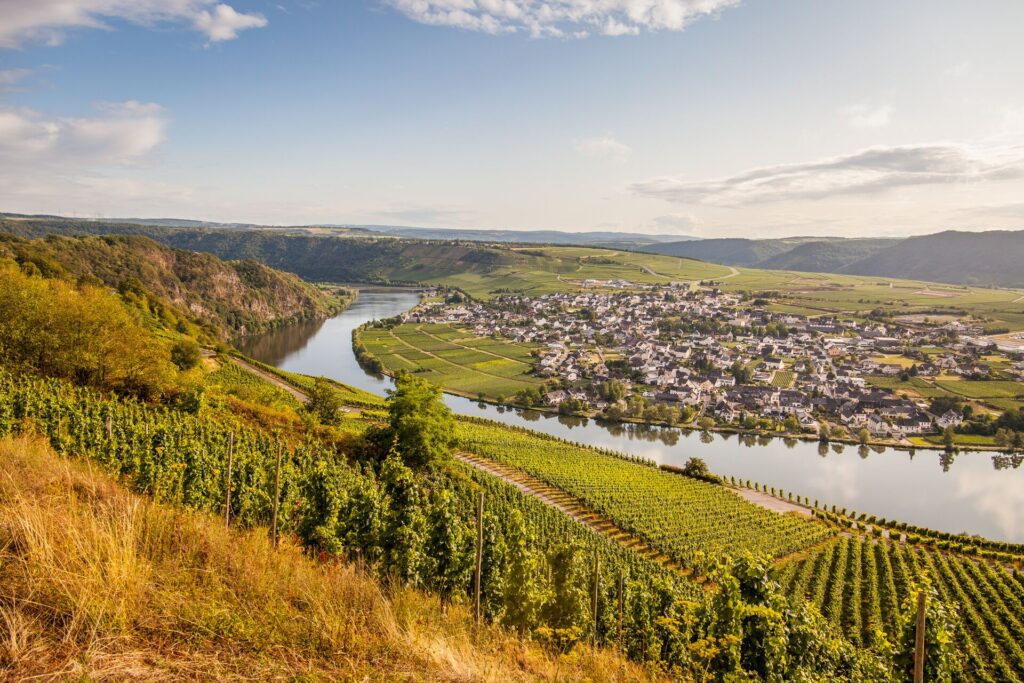
For white wine lovers, the Mosel and Rhine valleys are a bucket-list destination. Here Riseling grapes grow on steep, precipitous slate slopes and many are tended entirely by hand. The dramatic landscapes produces some of the world’s best Riesling wines, from bone-dry to lusciously sweet, and many have great ageing potential. On Trafalgar’s Best of Germany and Austria tour, guests trade the road for the river, boarding a cruise along the mighty Rhine past castles and vineyard-clad hills. You’ll stop for lunch in a 13th-century castle perched above the valley. It’s a pretty special way to Connect With Locals over a Be My Guest lunch as you hear tales of knights and feuding lords and ladies.
Did you know… The Bremmer Calmont vineyard in the Mosel is the steepest in Europe, boasting a terrifying 65-degree incline.
6. Tokaj, Hungary
Why is Tokaj unique? It’s the home of long-aging sweet wines known as Tokaji Aszú
Main grapes: Furmint, Hárslevelű and Sárgamuskotály (Yellow Muscat)
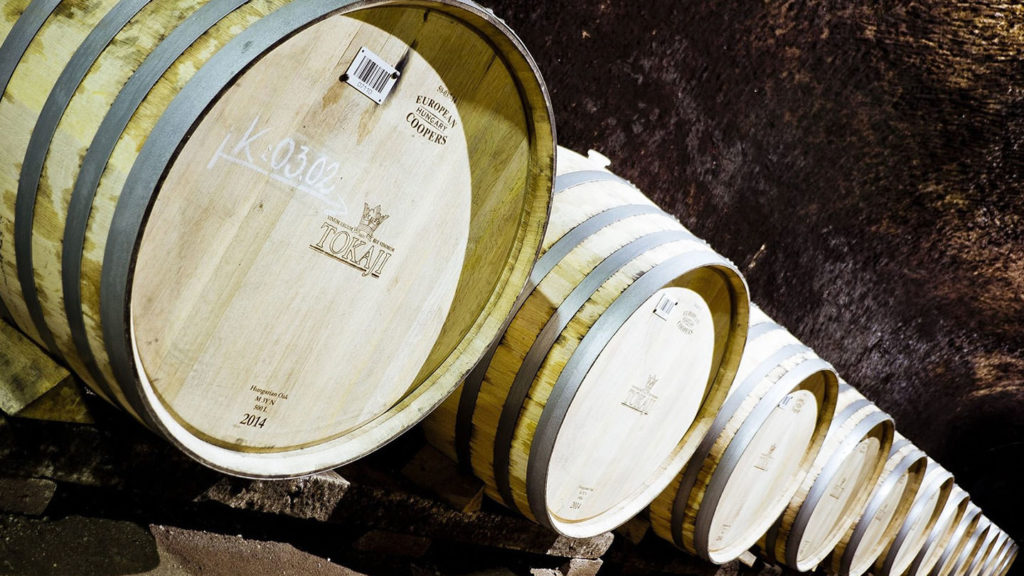
Northeastern Hungary is home to Tokaj, a quiet and unique wine region of volcanic hills and mold-covered stone cellars. It’s fame is linked to a fungus called botrytis (noble rot), which shrivels overripe grapes into smaller, concentrated raisins. To make wines like this, the conditions have to be perfect and in Tokaj the climate is just right. Visit to explore deep underground cellars and taste super sweet wines with notes of dried apricot, honey and a fiery acidity.
Did you know… Tokaj’s sweet nectar was so highly prized by European royalty that Louis XV of France famously declared it “The Wine of Kings, the King of Wines”.
READ NEXT: The Best Australian Wine Regions
8. Rioja, Spain
Why is Rioja unique? Taste oak-aged Tempranillo at avant-garde wineries with striking architecture.
Main grapes: Tempranillo, Garnacha and Mazuelo
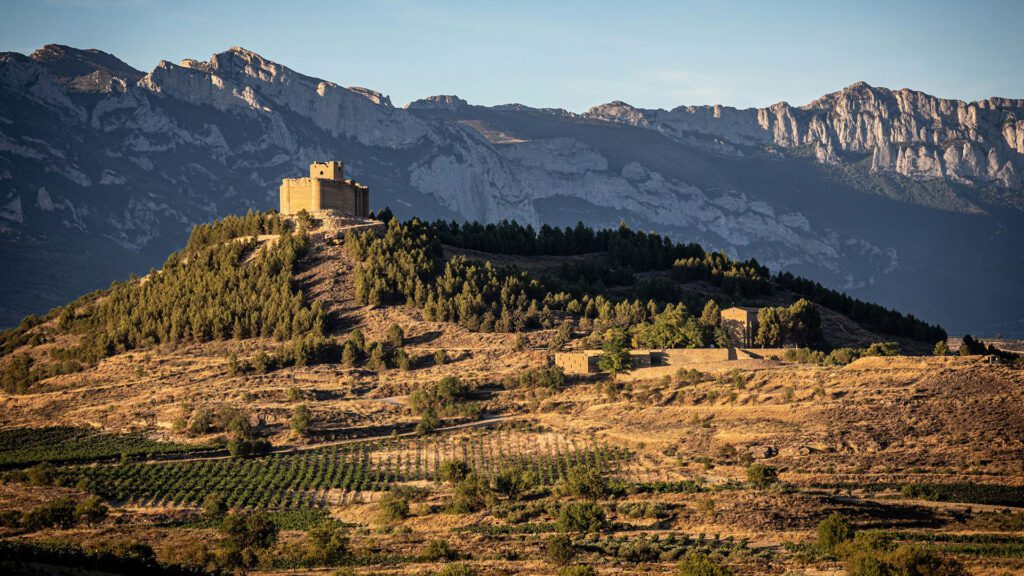
Rioja’s dry, sun-baked plain is framed by the jagged Sierra de Cantabria mountains. Those mountains block the harsh Atlantic weather, creating a perfect Mediterranean microclimate. Around the town of Haro find a cluster of historic 19th-century wineries where you can hop from cellar to cellar sampling robust, vanilla-scented reds. Or plan a road trip around some of the wilder, avant-garde 21st-century wineries.
Did you know… Every June, the town of Haro hosts the Batalla del Vino (Wine Battle). This chaotic festival sees thousands of locals and tourists climb a mountain to drench each other with thousands of liters of red wine using water pistols and buckets.
9. Prosecco (Veneto), Italy
Why is Prosecco unique? Grapes become a fresh, frothy sparkling wine using the tank method.
Main grapes: Glera
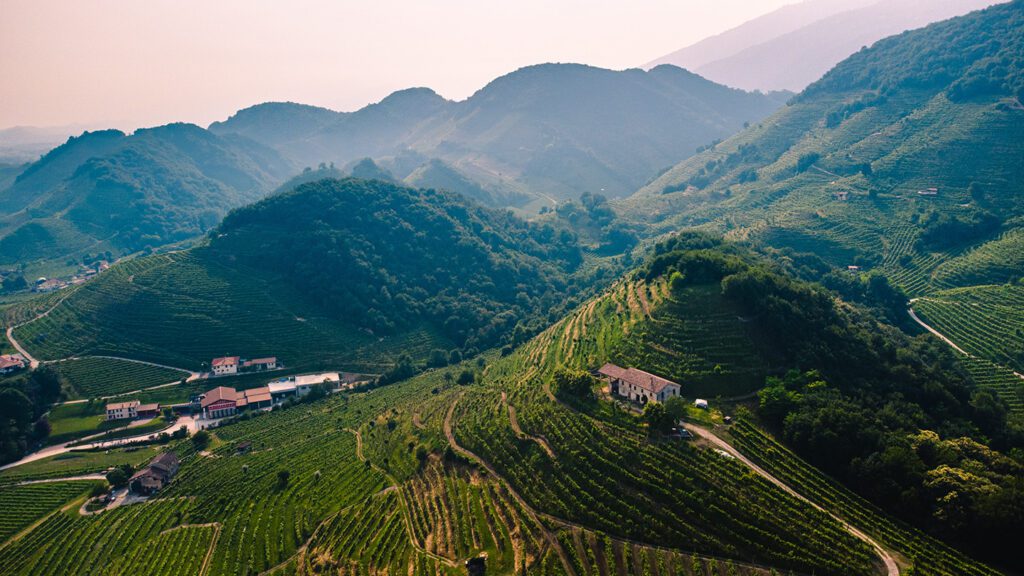
The steep wine terraces of Italy’s Prosecco region lie just an hour north of Venice. You can escape the coastal humidity and head into the alpine foothills where the Glera grape is primarily used to craft bubbly Prosecco wine. Visit rustic Osterias to pair the light, fruit-forward style sparkling with local salamis and Asiago cheese..
Did you know…
READ NEXT: The Prosecco wine region: Veneto’s best kept secret
10. Beaujolais, France
Why is Beaujolais unique? It relies on a unique winemaking technique called carbonic maceration to create incredibly vibrant, low-tannin reds from the Gamay grape.
Main grapes: Gamay
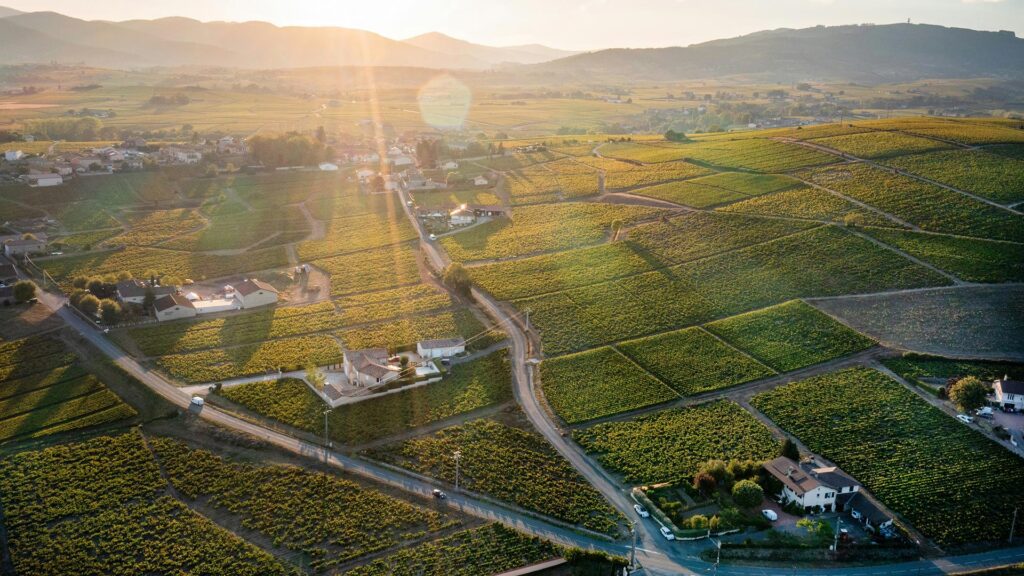
Sitting just south of Burgundy, Beaujolais is a gorgeous wine region with rolling granite hills. Little stone villages, like Morgon and Moulin-à-Vent, break up the landscape. Expect to taste red wines that are surprisingly deep and structured.
Did you know… the third Thursday of November is Beaujolais Nouveau Day. It started back in the 1970s and 80s as a race to ship the newly fermented, weeks-old wine across the world, and now it’s a staple on the calendar.
11. FAQs
Which hidden gem wine regions in Europe are worth exploring?
If you want to escape the crowds, look to places like Spain’s Rías Baixas or Portugal’s Vinho Verde for crisp, sea-salty Albariño. Or try Czech Republic’s southern Moravia region for more aromatic whites.
What are the top European wine destinations for a summer holiday?
For a summer trip, pick coastal or high-altitude regions where cool breezes temper the heat. The terraced vineyards of the Cinque Terre in Italy offer crisp whites right above the Mediterranean. While the high slopes of the Alto Adige in the Italian Alps offer refreshing Pinot Grigio framed by dramatic mountain peaks. In Croatia, islands like Korčula are famous for Pošip and Grk wines, with vines growing by the beach.
Which European wine cities are best for first-time visitors?
Bordeaux and Porto are unmatched for beginners. Both are easy, walkable historic cities where you can explore world-class tasting rooms and urban cellars right in the city heart.
READ NEXT: South Africa’s route 62: the world’s longest wine route
What are the top wine regions in Europe for sparkling wine lovers?
While Champagne is the historical benchmark, sparkling fans should explore Lombardy’s Franciacorta region in Italy, which uses the same traditional method. Or the Penedès region near Barcelona is the true home of Spanish Cava.
That’s our list of the best wine regions to visit in Europe. Where will you go next? Leave us a comment…