



Far more than a backdrop for Parisian selfies, the River Seine is 777 kilometers (483 mile) of living history that winds through northern France from quiet Burgundy to the salty English Channel. Along its banks, you’ll find medieval fortresses carved into chalk, the ghosts of Viking oarsmen and treasures (if you know where to look). It’s a river with human history that stretches back millienia, making it one of Europe’s most interesting waterways to explore.
See it for yourself on Trafalgar’s Best of the Seine with Paris & Normandy river cruise. Here are 10 facts to get you excited.
1. The Seine technically begins in a hole in the ground
Most famous rivers begin with a dramatic mountain spring or a thundering waterfall. The Seine begins with a puddle in a field. That puddle is in the remote commune of Source-Seine in Burgundy. In the 19th century, Paris authorities actually purchased the land where the water bubbles up. There’s an artificial grotto and a stone nymph to guard the spot.
READ NEXT: 5 French Experiences You’ll Love on Our New Seine River Cruise
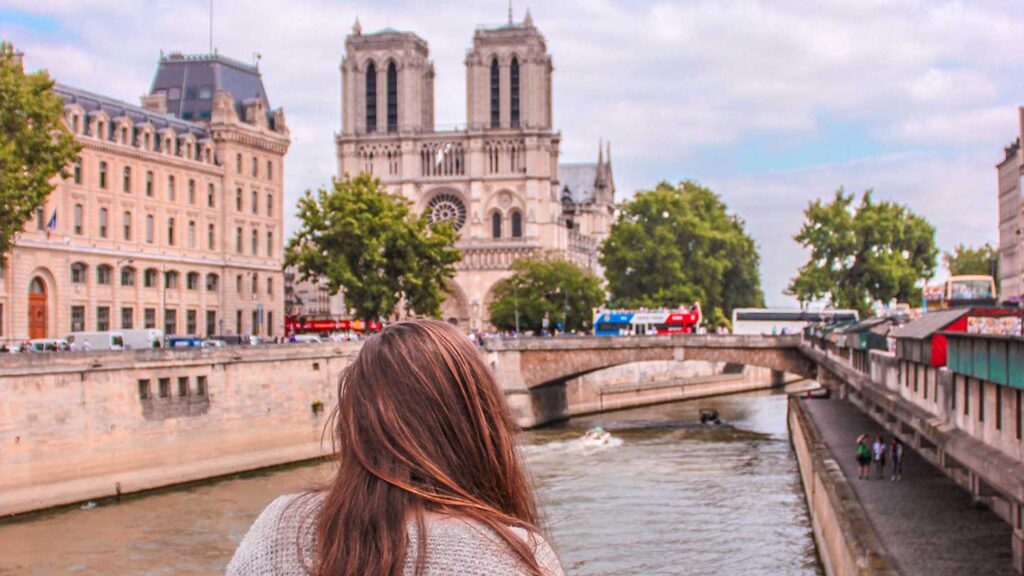
2. During WWI, French authorities built a “Second Paris”
In 1918, before radar could pick up an incoming threat, pilots relied on the silver ribbon of the Seine and the lights of the Gare du Nord to find their targets. To protect the capital from German bombers, French engineers began building a decoy city 10 miles to the north and east. This faux Paris featured strategically placed lights, wood and canvas with movement to mimic a working train and industrial zone. The armistice was signed before the decoy was finished.
3. Viking longships used the river to reach Rouen
In the 9th century, Viking dragonships utilized the river’s deep, navigable channel to bypass coastal defenses and strike deep into the heart of the country. These ships could carry 100 warriors and navigate waters just one meter deep, allowing them to sail all the way to Rouen, the Normandy capital. This is partly why the region is called Normandy – the land of the Norsemen.
CRUISE THE SEINE: Best of the Seine with Paris & Normandy
4. The Seine holds the (literal) ashes of Joan of Arc
In 1431, after her trial and execution in the market square of Rouen, the English authorities were terrified of Joan of Arc becoming a martyr. To ensure no one could gather her remains as relics, they ordered her ashes including her heart, which they claimed wouldn’t burn) to be cast into the Seine from the Mathilde Bridge. Today, while the original bridge is gone, the river remains the only final resting place for France’s national heroine.
READ NEXT: Why 15-Time-Tourer Mita Booked a Trafalgar Rhine River Cruise
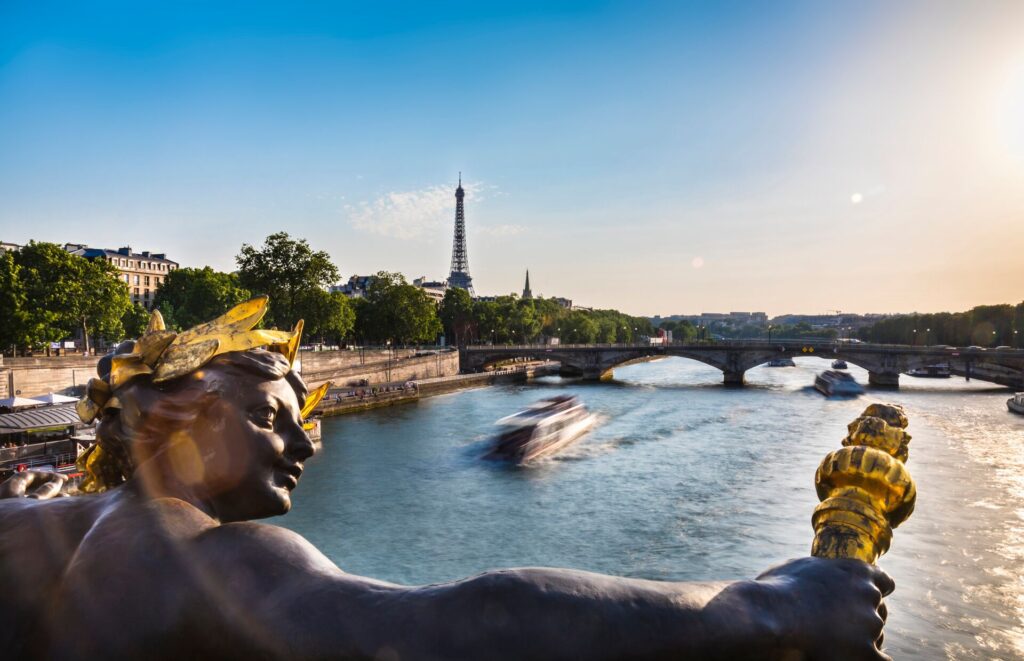
5. It is a graveyard for history
The riverbed of the Seine is like a mud museum. If you go fishingwho knows what you’ll find. As you can gather, the river has been a commercial and military highway for millennia – and funnily enough silt acts as a preservative. Divers and dredging crews regularly pull up artifacts that span the entirety of Western civilization, from Bronze Age daggers and Roman coins lost by merchants, to Napoleonic-era cannons and World War II hardware.
6. There’s a castle carved directly into the chalk cliffs
While the main building of Château de La Roche-Guyon sits elegantly at the base of the cliffs, much of the fortress is actually tunneled into the white limestone. A secret, claustrophobic stairway of 250 steps is carved through the rock, connecting the riverside château to the medieval keep high above. This geological fortress was so strategic that during World War II, Field Marshal Rommel chose these very caves as his headquarters.
7. Zouave is the city’s unofficial dipstick
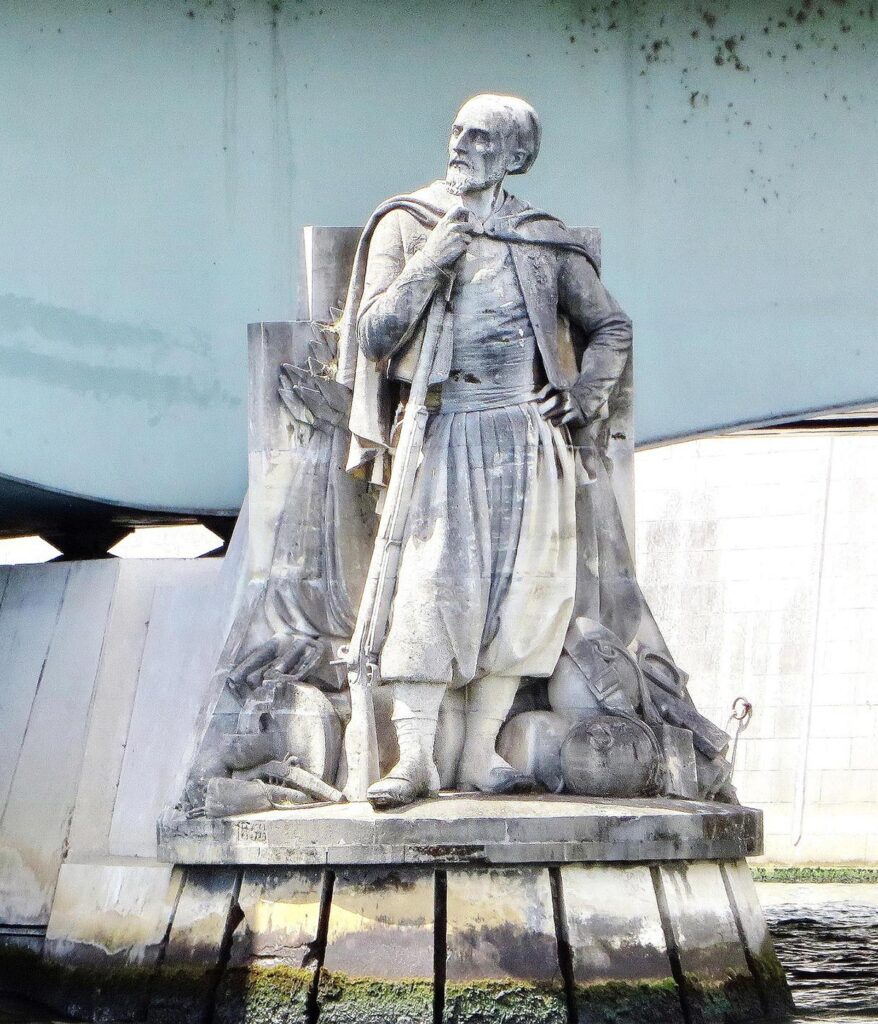
On the Pont de l’Alma stands a stone statue of a Crimean War soldier, known as the Zouave. When it floods, Parisians just look at his feet. If his boots are underwater, the river is officially high. If the water hits his belt, the city enters a state of mild panic. During the great flood of 1910, the water reached his shoulders!
READ NEXT: Trafalgar Classic Tour vs. All-New River Cruise: What Are the Differences?
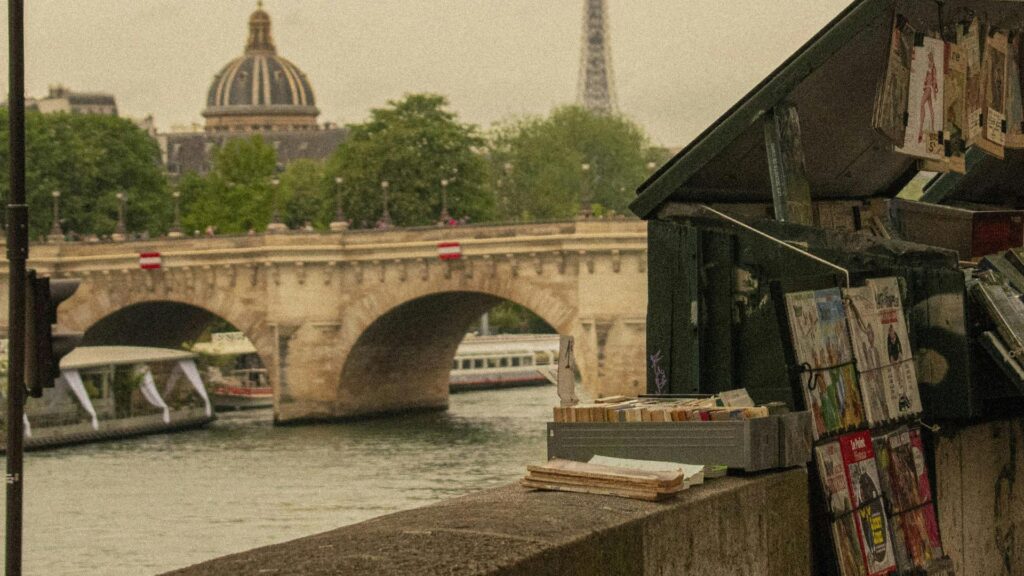
8. The second-hand booksellers stretch for 3km
The bouquinistes – those riverfront vendors selling from forest-green metal stalls – have been part of the riverbank since the 1500s. There is a strict “no-trinket” rule enforced by the city – so you can only buy books, prints and rare first editions. Stretching for 3km (1.8 miles), it’s a designated UNESCO World Heritage site.
9. It ends with the salt air of the English Channel
After winding through the Paris Basin, the Seine leaves the urban sprawl behind. It eventually empties into the English Channel at the industrial port of Le Havre. It’s a 777km (483 mile) journey that begins in a Burgundy puddle and ends in the vast, grey Atlantic.
CRUISE THE SEINE: Best of the Seine with Paris & Normandy
10. Pont Neuf is the oldest new bridge
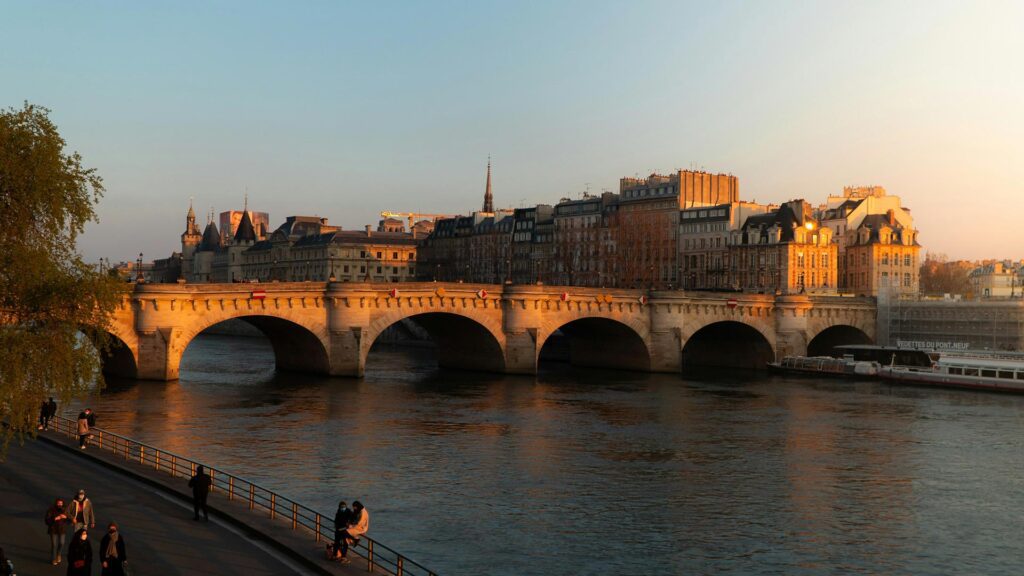
In a very French bit of irony, the Pont Neuf (New Bridge) is actually the oldest standing bridge in Paris. Completed in 1607, it was revolutionary for its time as before this, bridges were cluttered with houses and shops that blocked the view of the water. The Pont Neuf was the first to be built clear and open with panoramic views of the Seine. It’s still the best of Paris’ 37 bridges to feel the city.
FAQs about the River Seine
How do you pronounce the River Seine?
Think of the English word “sen” as in sensible. It’s a short, crisp senn sound. Keep it effortless – over-enunciating is the quickest way to be that tourist.
Where is the River Seine?
The Seine is the spine of Northern France. It starts in the remote Burgundy countryside, loops through the heart of Paris, and winds northwest through the limestone cliffs of Normandy. Its journey eventually ends at the port of Le Havre, where it spills out into the English Channel.
How long is the Seine River?
The Seine covers roughly 777 kilometers (483 miles). It’s the second-longest river in France, after the Loire.
Can you swim in the Seine River?
Yes! After a big effort to clean the river for the 2024 Olympics, you can now swim in the Seine again. Swimming was banned since 1923 due to pollution and heavy boat traffic. But authorities have made a multi-billion-euro cleanup effort and around a dozen public swimming zones will open each summer.
Do you know any other cool Seine River facts? If you’re planning to join Trafalgar’s Best of the Seine with Paris & Normandy river cruise, leave us a comment…