



If you accidentally clink beer glasses in Budapest or order a cappuccino at dinner in Rome, any illusion you’ve built about understanding European culture and etiquette will shatter. From silent train cars to the three-hour lunch, these dos and don’ts will help you avoid any classic faux pas. Let’s dive into the local culture, quirks and tipping etiquette of 21 European countries!
Italy
Italian social life is governed by bella figura – the philosophy of presenting your best self – which prioritizes public decorum and a rigid set of rules around the table.
- Greetings: It’s common for friends or families to kiss on the cheek when they meet, regardless of gender. It’s usually two – left then right. If you don’t know the person, a firm handshake and direct eye contact works.
- Punctuality: Time is more fluid in Italy and ‘on time’ could be 20-45 minutes late.
- Dining: Meals can take hours, so opt for fast-casual if you want a quick lunch or dinner.
- The bill: It won’t arrive until you ask for it (“Il conto, per favore”). Rushing a guest is considered rude, so expect to be left alone at the table by your waiter. It’s not bad service.
- Gifts: If you’re invited for dinner, bring a gift of wine, chocolates or flowers.
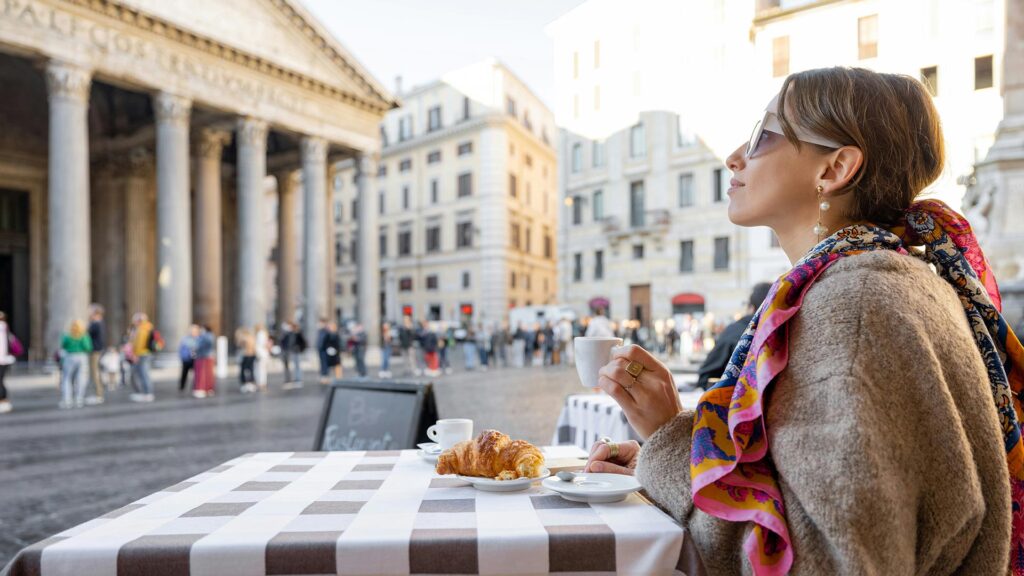
- The cultural faux pas: Ordering a cappuccino after 11am is a major faux pas. Italians believe hot milk thwarts digestion, so it’s strictly a morning affair. Asking for extra parmesan on a seafood pasta is seen as a culinary crime – the cheese overpowers the delicate salt of the sea.
- Tipping: In Italy, tipping is a gesture of thanks rather than a mandatory supplement, as service (coperto) is often already included in your total.
France
French culture is centered on social acknowledgment. Most interactions begin with a formal greeting and skipping this verbal acknowledgment is considered a deliberate act of hostility in any interaction.
- Greetings: Always start an interaction with “Bonjour, Madame/Monsieur.” Entering a shop or café without this acknowledgment is considered very rude. Between friends, la bise (air kissing) is standard, typically starting on the right cheek.
- Quiet in public: Public spaces, including restaurants and public transport, are generally quiet.
- Dining: Hands should remain visible on the table at all times, with wrists resting on the edge. When finished, place your cutlery parallel across the plate.
- The bill: Similar to Italy, the waiter will not bring the bill until you request it as they do not want to make you feel rushed.
- Punctuality: For social invitations to a home, arriving 10–15 minutes after the stated time (le quart d’heure de politesse) is expected to allow the host final preparations.
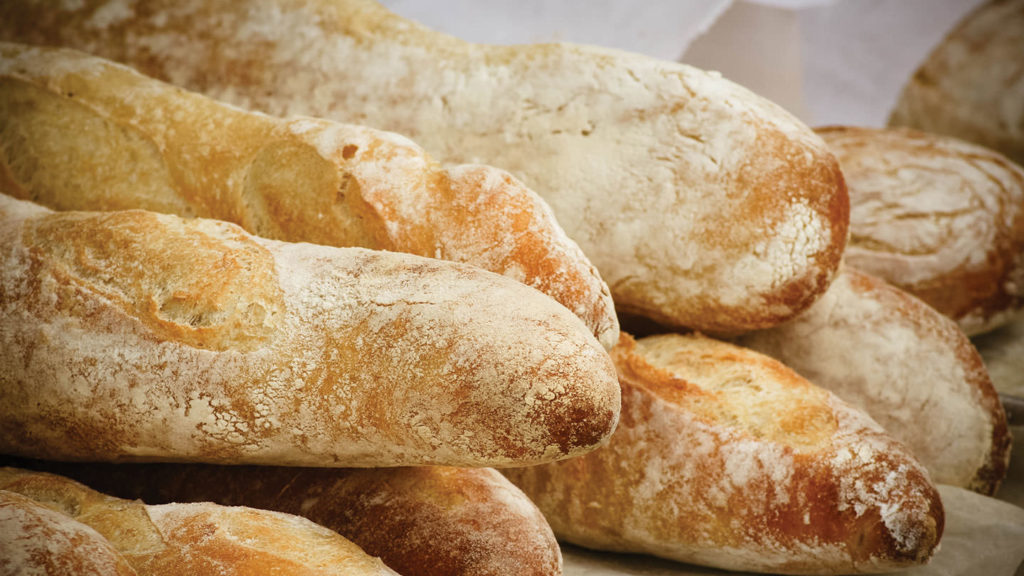
- The cultural faux pas: Don’t cut bread with a knife – it should be broken by hand.
- Language: Unless specifically offered, do not address locals with the informal “tu” – stick to the formal “vous” to show respect.
- Tipping: A 15% service charge (service compris) is legally included in your bill. While no further tip is required, it is common to leave small change or round up the bill for good service.
Germany
Germany follows the concept of Ordnung (order), where individual convenience is consistently sacrificed for the sake of the collective peace and a strict adherence to the clock. Efficiency and directness are valued over small talk.
- Greetings: A firm, brief handshake with eye contact is the standard. Using titles like Herr or Frau followed by the surname is expected until you are invited to use first names.
- Punctuality: Being on time means arriving five minutes early. Lateness is viewed as a sign of unreliability.
- The “Ruhezeit“: Quiet hours are taken very seriously. Avoid loud activities on Sundays (like vacuuming!) and between 1-3pm on weekdays.
- Toasting: When clinking glasses (prost!), you must maintain eye contact with each person. Failure to do so is considered bad luck and poor manners.
- The cultural faux pas: Walking in dedicated bike lanes will result in a stern reprimand from cyclists. Do not wish someone a Happy Birthday before the actual date – it’s considered extremely bad luck. Do not walk across a road when the pedestrian light is red.
- Tipping: Usually, you round up the bill to the nearest even figure or add roughly 5–10%. Rather than leaving money on the table, tell the server the total you wish to pay as you hand over your cash or card.
Spain
Spanish culture is social and fluid, with a schedule that runs significantly later than the rest of Europe.
- The schedule: Lunch is the main meal (2-4pm), and dinner rarely starts before 9pm.
- Greetings: Two kisses (one on each cheek) are standard between women or a man and a woman. Men usually shake hands or offer a brief pat on the shoulder.
- Physical space: Spaniards tend to stand closer together and use more physical touch during conversation than in American culture.
- The cultural faux pas: Attempting to rush through a meal is a mistake. The sobremesa (the period of conversation after the food is finished) is a vital part of the local culture.
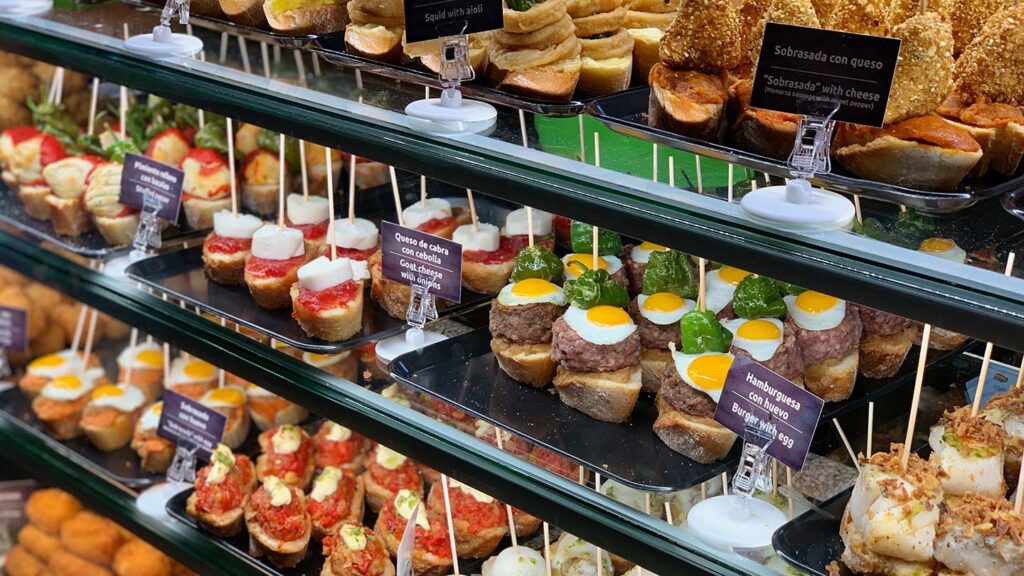
- Tipping: Small change is usually left for coffee or tapas. In sit-down restaurants, a tip of 5–10% is plenty if the service was good, but it is never mandatory.
Portugal
While close to Spain in geography and climate, Portuguese etiquette is generally more reserved and formal.
- Greetings: A polite, formal greeting (“Bom dia” or “Boa tarde”) is expected when entering any establishment.
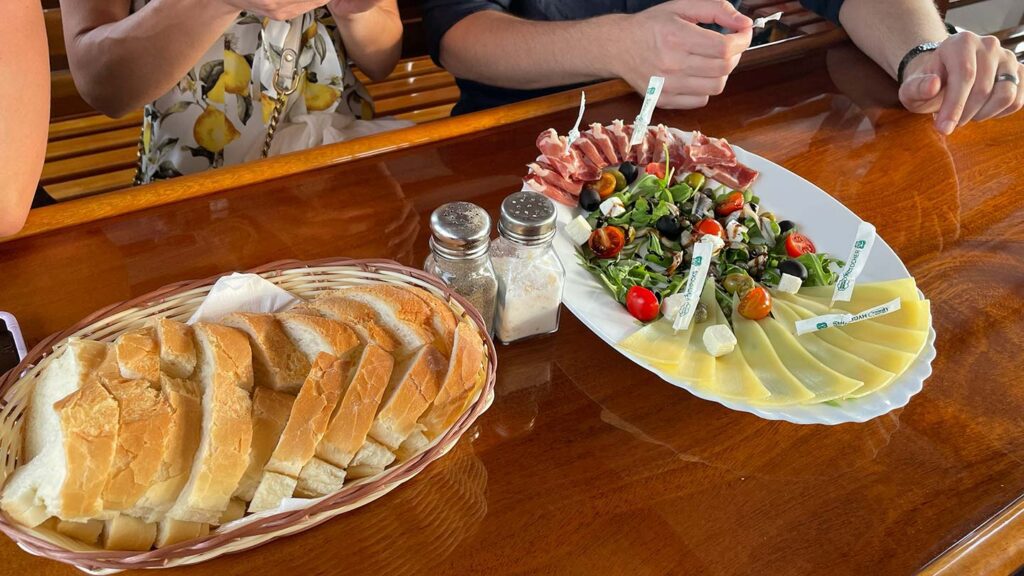
- Dining: Bread, olives and cheese brought to your table at the start of a meal are not free – you will be charged for what you consume. If you don’t want them, simply ask the waiter to remove them.
- The pace: Like Italy, service is meant to be unhurried. The waiter will wait for your signal before bringing the bill.
- Queues: The Portuguese love a queue. At the bus stop, take mental note of who was there when you arrived. At pharmacies and large bakeries, look a ticket machine to grab a paper number.
- The cultural faux pas: Avoid comparing Portugal to Spain or assuming the languages are interchangeable. If you don’t speak Portuguese, speak in English instead of Spanish.
- Tipping: In tourist areas, 5–10% is standard. In local spots, rounding up the bill or leaving 1–2 Euros after dinner is sufficient.
READ NEXT: The Best Cities to Spend Spring in Europe
United Kingdom
The queue is gospel and saying sorry is a national sport. British etiquette relies heavily on indirectness and politeness with unwritten social structures.
- The queue: Jumping a line – whether at a bus stop or a bar – is the ultimate social offense.
- Greetings: A simple “Hello” or “Hi” is fine. “How are you?” is often used as a greeting rather than a literal question. Just reply “Fine, thanks.”
- Apologizing: You will hear sorry used constantly. It is often a polite way to get someone’s attention or to navigate a crowded space, rather than an admission of guilt.
- The cultural faux pas: British culture leans toward self-deprecation, so if someone you thought was your friend is rude to you it’s a sign of endearment. If a British person is cold or distant, they don’t like you. If they insult you or make jokes at your expense, you’ve formed a warm bond!
- Tipping: Many restaurants in cities like London add a discretionary 12.5% service charge to the bill. If this is included, no further tip is necessary. In pubs, you do not tip the bartender for a round of drinks.
Ireland
Manners here are informal and relaxed, but make sure you don’t skip your turn for a round at the pub!
- Greetings: A simple “Hello” or “How’s it going?” works well. If you ask a local how they are and they might say they are grand.
- Conversation: Small talk is the national currency. Striking up a conversation with a stranger in a pub – known as the craic – is expected and welcomed.
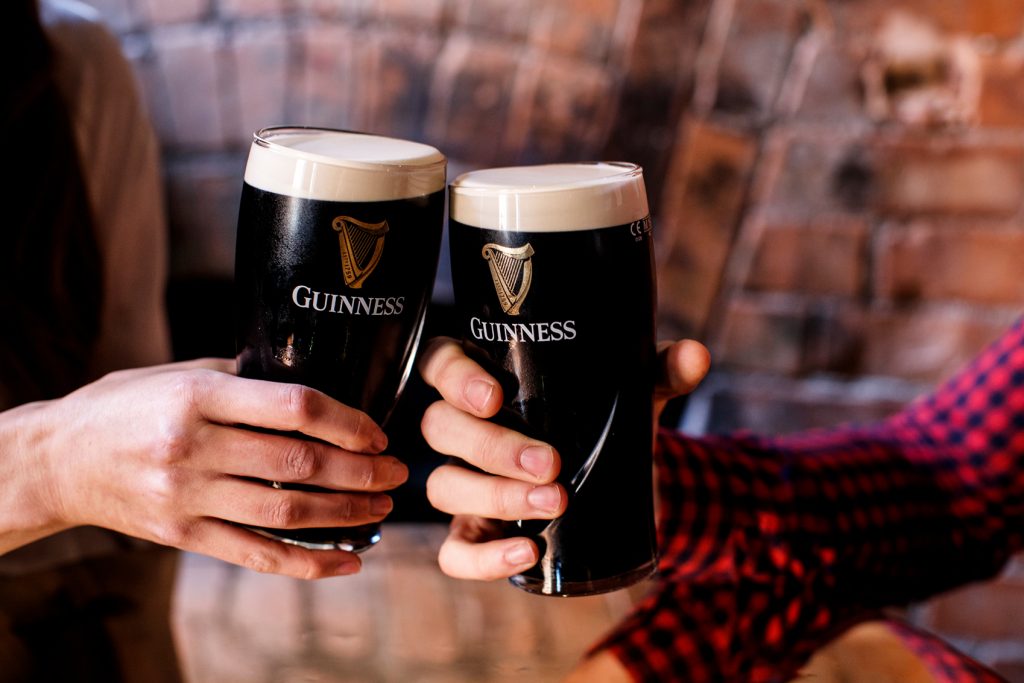
- Buying rounds: In a group, it is standard practice to buy a round of drinks for everyone. When it is your turn, you are expected to head to the bar. Leaving before your turn to buy a round is a breach of social contract.
- The cultural faux pas: Avoid taking the local self-deprecating humor too literally or being overly boastful about your own status.
- Tipping: Tipping is not as ingrained as in American culture. In restaurants, 10–12% is standard for good service. In pubs, you do not tip for drinks at the bar, though you might leave a small amount if you have received table service all evening.
Switzerland
Swiss society operates with the precision of its watchmaking, where being one minute late is viewed as a personal failure of character. Yikes!
- Punctuality: 10:00 means 10:00. Being even one minute late is considered disrespectful. This applies to social meetings, business and transport.
- Greetings: In German-speaking areas, a firm handshake is standard. In French or Italian areas, three air kisses are common among friends.
- The cultural faux pas: Making loud noise in residential areas or on public transport is a major faux pas. This includes talking loudly on a mobile phone or slamming car doors.
- Tipping: Service is included by law in all hotel and restaurant bills. You can round up to the nearest franc or leave a few extra if the service was exceptional, but it is never expected.
Belgium
Belgium has some specific etiquette and rules regarding beer and chocolate.
- Glassware: Each Belgian beer has a specific glass designed to enhance its specific aroma and head. Serving a beer in the wrong glass is considered a minor cultural crisis.
- Dining: Fries (frites) can be a standalone meal. They are traditionally served with mayonnaise rather than ketchup.
- Greetings: A single kiss on the cheek is the standard greeting between acquaintances, regardless of gender.
- Tipping: Service is included in the price of your meal. You may leave a small amount of change (1–2 Euros) for a coffee or a light lunch.
The Netherlands
Polder culture rules the Dutch – think no fluff, no-nonsense and brutal honesty (or perhaps refreshing directness).
- Directness: The Dutch value honesty over fluff. If a local tells you a plan is not good, they aren’t being rude – they are being efficient and saving you time.
- Bike lanes: These are high-speed transit arteries. Walking in them is dangerous. If you hear a bell, it is a warning to move immediately.
- Greetings: Three air kisses (right-left-right) are the standard for friends and family. A handshake is the rule for business and new introductions.
- The cultural faux pas: Showing off wealth or being overly dramatic is a faux pas. Be humble.
- Tipping: Service is included, but the round up rule applies. If your bill is 28 Euros, leaving 30 is a polite gesture of thanks.
READ NEXT: The Best Coach Tours for First-Time Travelers
Scandinavia (Sweden, Denmark & Norway)
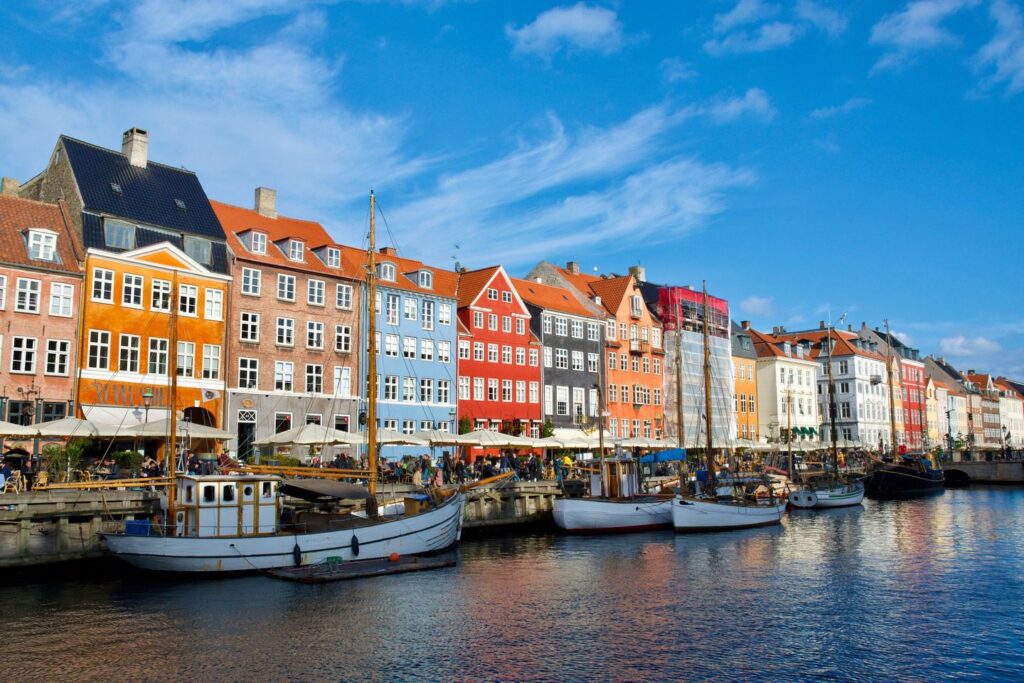
Scandinavian etiquette is guided by the Law of Jante – a social code that emphasizes collective well-being over individual importance. This results in a culture of modesty and functional design.
- Personal space: Privacy is a priority. If you are on a bus or train, do not sit directly next to someone if there are other empty rows available.
- Volume: Quiet is the default in public. Keep your voice low on transport or in restaurants.
- Shoes: Always remove your shoes when entering a private home. Walking indoors with outdoor shoes is an insult.
- Hygge and Samfundssind: In Denmark, respect the concept of hygge (cozy togetherness) and samfundssind (community spirit). This means contributing to the atmosphere by being present and considerate of the group.
- The cultural faux pas: Being flashy, boastful or loud with your clothing, your voice, or your opinions.
- Tipping: Tipping is not expected as service charges are legally included in the bill. You may round up the bill in a restaurant if the service was exceptional.
Iceland
With a small population, the national culture of Iceland is first-name-basis egalitarianism with communal responsibility.
- First names: Everyone is on a first-name basis, from your waiter to the Prime Minister.
- Communal pool: Local geothermal pools are the social heart of the country. Before entering the water, you are required to shower thoroughly without a swimsuit.
- Driving: If you are exploring rural areas, always stay on marked roads. Off-roading is illegal and seen as a major offense against the fragile volcanic landscape.
- The cultural faux pas: Respect is shown through directness and equal treatment rather than formal address.
- Tipping: Tipping is not expected in Iceland, as service and VAT are already included in the price of meals and taxis.
Austria
Austrian manners are a holdover from Imperial times, requiring a formal distance in address and decorum.
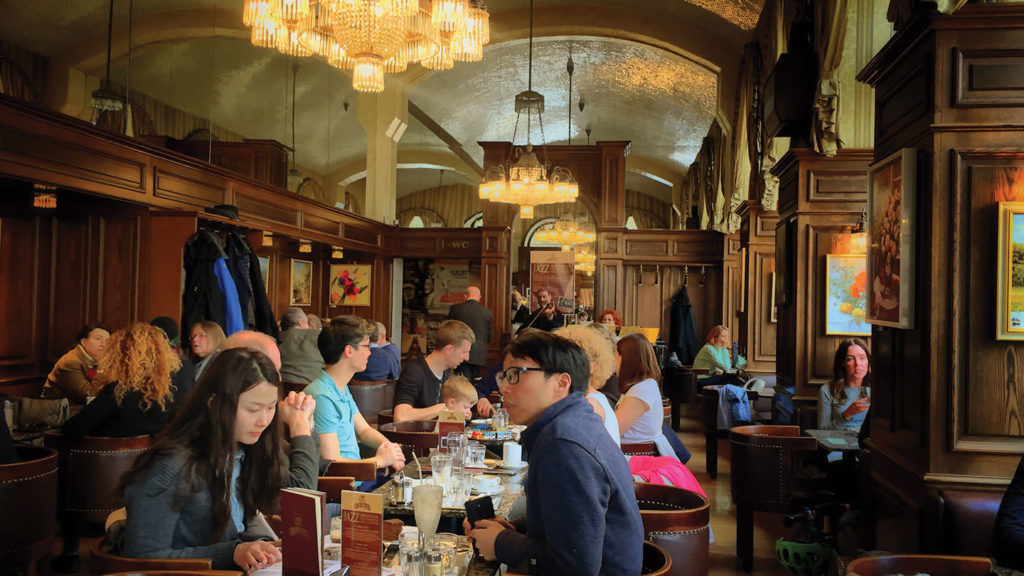
- The Kaffeehaus: The coffee house is considered a public living room. Once you order a coffee, the table is yours for as long as you like. Waiters will not bring the bill until you request it.
- Greetings: A polite Grüß Gott is the standard greeting in shops and restaurants. In formal settings, a firm handshake with eye contact is expected.
- Dining: Austrian meals are formal. Keep your hands on the table and avoid resting your elbows on the surface.
- Tipping: A tip of 5–10% is standard in restaurants. Like in Germany, it is common to round up the total and tell the waiter the final amount you are paying rather than leaving money on the table.
READ NEXT: 8 Things You Didn’t Know About European Coffee Culture
Czech Republic
The Czechs have a strong focus on shared traditions around beer and dining.
- The toast: When clinking glasses (Na zdraví!), you must look the other person in the eye. Avoid crossing your arms with anyone else’s while clinking, as this is considered bad luck.
- Entering a home: Similar to Poland or Scandinavia, always remove your shoes when entering a private residence. Hosts will often provide guest slippers.
- Pub seating: In traditional beer halls, it is common to share large tables with strangers. Always ask if a seat is free before sitting down.
- The cultural faux pas: Leaving coins on the table as a tip is often viewed as lazy. As the server handles the transaction, state the total amount you wish to pay including the tip.
- Tipping: A tip of 10% is standard in restaurants for good service. For smaller cafes or bars, rounding up to the nearest 10 or 20 Koruna is sufficient.
Hungary
Hungarian etiquette reflects its history and neighbours with a few differences – like a 175-year-old refusal to clink beer glasses that persists long after its original vow expired.
- Beer Rule: Many Hungarians do not clink beer glasses. This stems from a historical vow following the 1849 revolution.
- Greetings: A handshake is the standard greeting. It is polite for men to wait for women to offer their hand first.
- Dining: If you are invited to a home, it is common to bring a gift of flowers or chocolate.
- The cultural faux pas: Don’t clink beer glasses, but do clink wine or spirits.
- Tipping: A 10–15% tip is standard and expected in restaurants. If a service charge is already included on the bill, no additional tip is required.
Poland
The proverb “Gość w dom, Bóg w dom” (A guest in the house is God in the house) defines the local culture. If you are invited for dinner, expect an abundance of food!
- Dining: Declining a second helping can be difficult. If you are truly full, emphasize how much you enjoyed the meal to avoid offending the host.
- Greetings: Handshakes are the norm. Men should wait for a woman to extend her hand first. Among close friends, two or three kisses on the cheek are common.
- The cultural faux pas: Don’t arrive empty handed – always bring flowers (in odd numbers) or a bottle of wine.
- Tipping: In restaurants, a 10% tip is standard for good service. Like in the Czech Republic, it is better to tell the waiter the total amount you are paying rather than leaving change on the table.
Croatia
Croatian culture can be defined by fjaka – a state of mind where the goal is to do absolutely nothing!
- Pomalo: You will hear this word a lot. It means slow down or take it easy. It is the governing philosophy of the Dalmatian coast.
- Coffee culture: Locals may sit with a single espresso for two hours. Don’t rush to finish a drink or wave impatiently for the bill.
- Greetings: In cities, a polite handshake is standard. In social settings, two kisses on the cheeks are common.
- Tipping: In restaurants, a 10% tip is standard for good service. For cafes and bars, it is customary to leave the small change or round up to the nearest Euro.
READ NEXT: What is ETIAS, ETA, EES? Everything You Need to Know Before Traveling to Europe
Greece
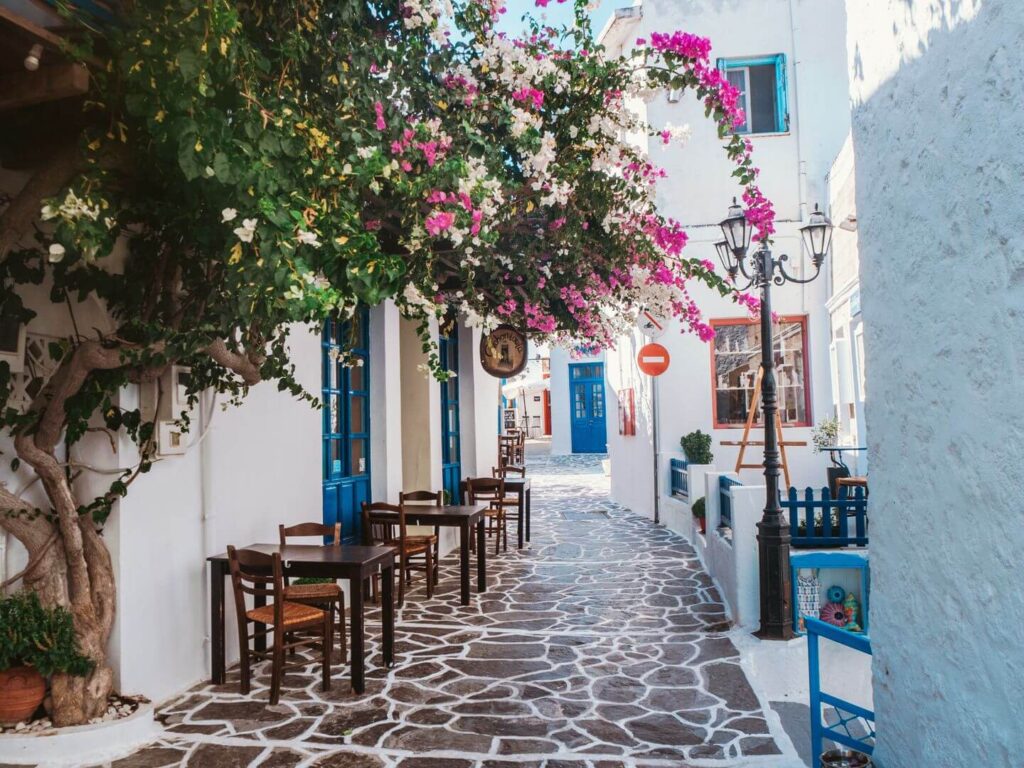
Greek etiquette is centered on philoxenia – the love of strangers – and a communal approach to every aspect of life.
- Family-style dining: Meals are meant to be shared. Plates are placed in the center of the table for everyone to help themselves.
- Punctuality: For social gatherings time is a loose concept. Arriving 30 minutes late is often considered arriving on time.
- The cultural faux pas: Making the OK hand gesture (thumb and forefinger touching in a circle) is considered an obscene gesture in Greece! Stick to a thumb’s up!
- Tipping: Tipping is expected. In tavernas, leave about 10–15%. If a service charge is already included, leaving a few extra Euros on the table is still a polite gesture of thanks.
Romania
Over in Eastern Europe, Romanian etiquette blends Latin roots and Balkan hospitality.
- Greetings: Men traditionally wait for a woman to offer her hand first for a handshake. Using “Mr.” (Domnul) or “Mrs.” (Doamna) followed by the surname is standard until invited otherwise.
- Wildlife: Romania has one of the largest brown bear populations in Europe. If you see wildlife, maintain a significant distance. Never attempt to feed or approach animals for a photo.
- The cultural faux pas: Refusing a drink or food when visiting a Romanian home can be seen as a slight.
- Tipping: In restaurants, 10% is expected and rarely included in the bill. Tipping is also common for taxi drivers and hotel staff.
That’s our guide to European culture and etiquette. Any rules we should add to this list? Leave us a comment…