



Seville is a city heavy with the scent of orange blossoms, loud with the sharp click of flamenco heels on cobblestones, and warm with a southern Spanish sunshine that demands a siesta! For Travel Director and Spain expert Maddy, the magic isn’t just in the monuments, but in the rhythm of daily life and spontaneous moments that pull you in.
From the world’s largest Gothic cathedral to the grit and soul of Triana, we asked Maddy to share the best things to do in Seville so you can navigate like a local, not a tourist.
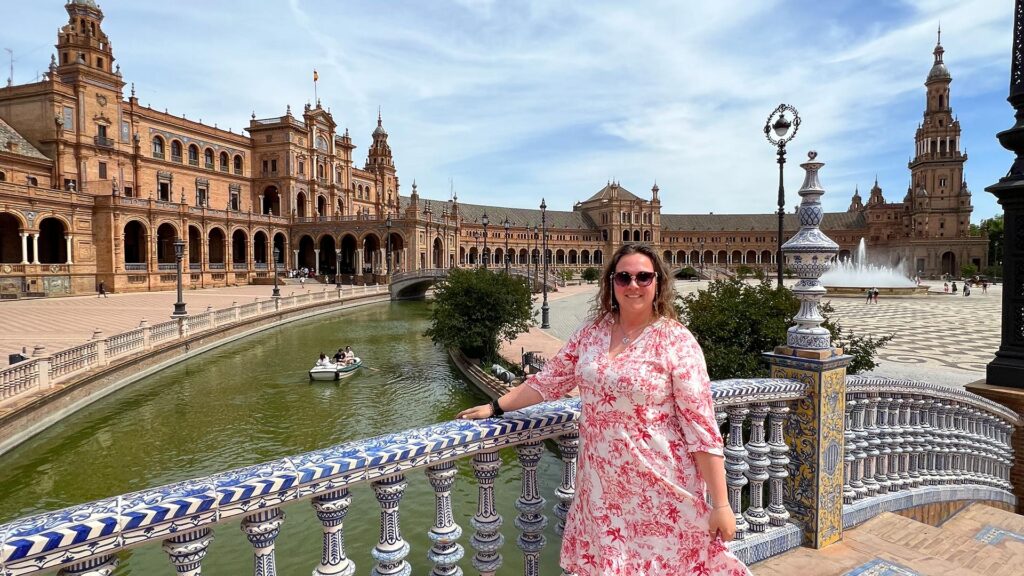
1. Admire the tiles at Plaza de España
Seville has plenty of spectacular buildings and landmarks, but the Plaza de España might be its undisputed crown jewel. Built for the 1929 Ibero-American Expo, this semi-circular town square is a celebration of Spanish craftsmanship. The buildings mix Renaissance grandeur with Moorish detail, all brightened by a wrap of Andalusian tilework and ceramics.
For Travel Director Maddy, it’s her favourite place in the city: “I especially like it in the late afternoon when the sun is starting to set. The sky is painted in cotton candy colors, the temperatures are going down a bit and people are just enjoying the atmosphere and vibe in that place. There are often people playing music, selling art or little trinkets and sometimes you can even catch some locals dancing Flamenco. It’s wonderful.”
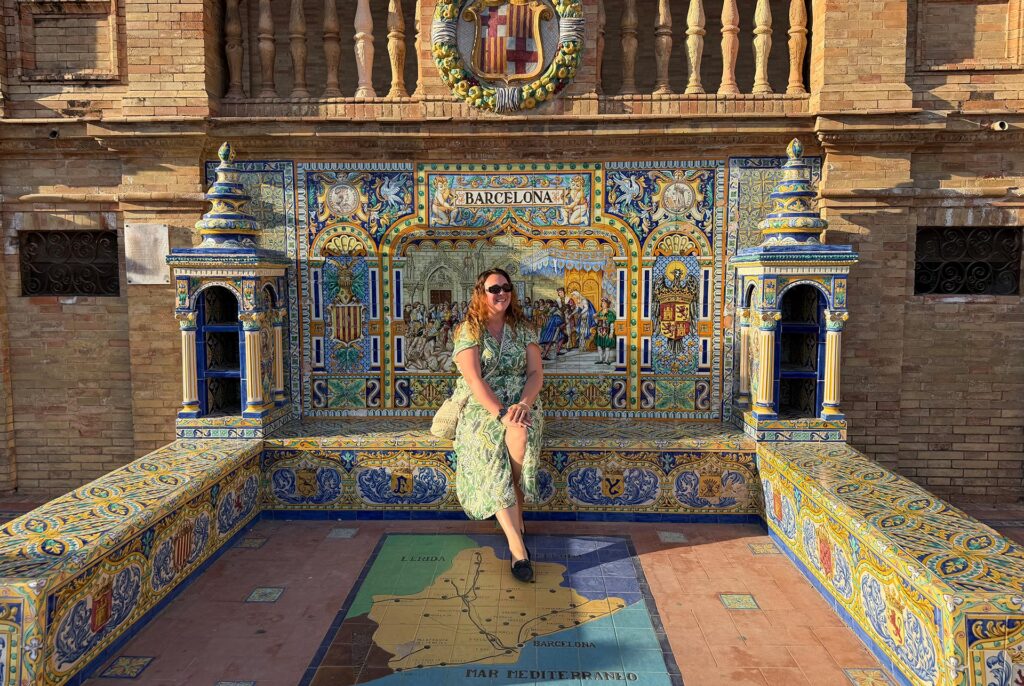
Find your home province (or your next destination), take a seat on the cool tiles, and watch the world go by.
2. Fall into the rhythm of the city
“It’s not one landmark, restaurant of show that makes the city so appealing for people, it’s the rhythm of life that really pulls people in,” Maddy says. “The pace of life in the city invites visitors to slow down and really enjoy the small things in life, like a nice walk along the river or sitting down in a restaurant for food and drinks while watching the world go by.
“Life happens outside in Seville so wherever you go you will see families out and about, musicians playing, artists painting, kids playing in the streets and people of all ages chatting about life. The city feels real and authentic.”
READ NEXT: 25 best things to do in Spain in 2026
3. Visit the world’s largest Gothic cathedral
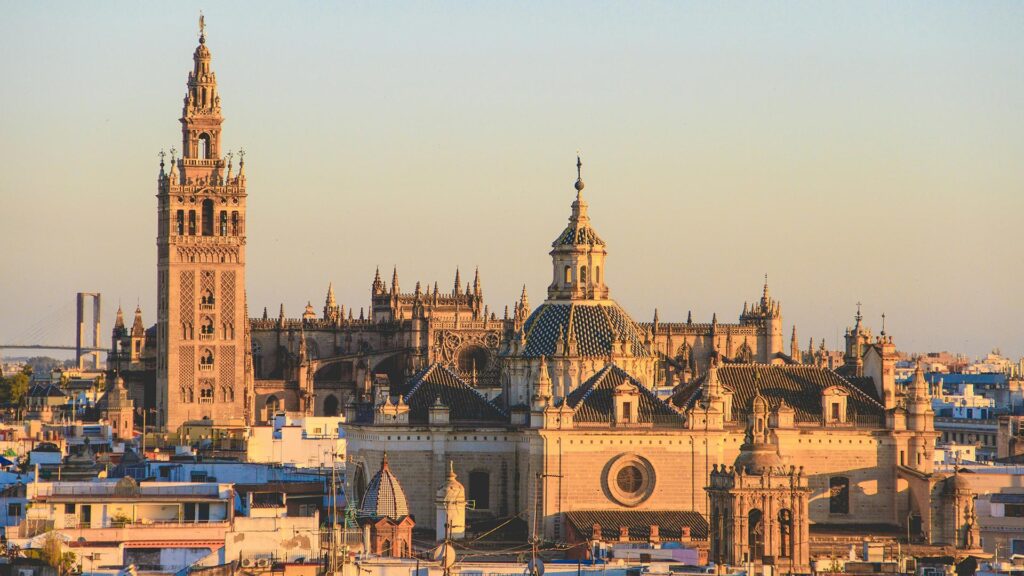
To understand the sheer ambition of 15th-century Seville, you have to stand under the central nave of the Cathedral. It was built on the site of a 12th-century mosque, and the scale is intentionally overwhelming.
Inside the church is plenty of treasure – you’ll find the monumental tomb of Christopher Columbus and the Giralda (the minaret-turned-bell-tower). Instead of stairs, climb 34 sloping ramps to the top – originally designed so the guards could ride their horses to the summit! The workout rewards you with a panoramic view of the city’s terracotta rooftops and the sprawling Real Alcázar gardens next door.
4. Step into the Real Alcázar
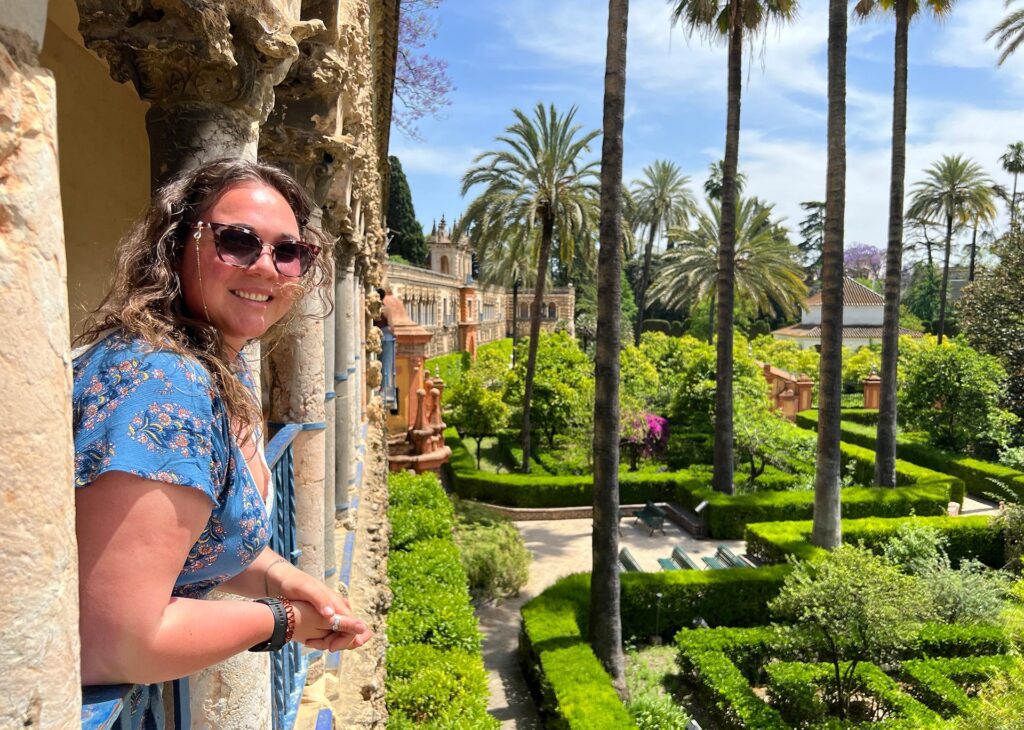
The Real Alcázar is a gorgeous display of Mudéjar architecture, where intricate plasterwork meets lush, peacock-filled gardens. It’s famous now as a filming location – featured as the beautiful kingdom of Dorne in Game of Thrones – but its history is far more prestigious than any television script! Originally a 10th-century fortress, it has evolved over 1,000 years into a patchwork of styles that reflect the city’s story.
“Most people visit the Royal Alcazar when in Seville as it is a beautiful Moorish palace with wonderfully curated gardens and stunning tile art in the rooms, but not many people know though that it is the oldest royal palace that is still in use,” she says. “It is one of the residences of the Spanish Royal family. That means when the Royal Family is coming to visit the city they still stay in that palace – not in the rooms that we can visit on our tours but in quarters in a different part of the palace.”
5. Get lost in Barrio Santa Cruz
The former Jewish Quarter is a maze of narrow alleys and whitewashed courtyards. Maddy suggests joining a walking tour here as the perfect antidote to the typical tourist traps:
“One thing that is often a little over hyped is the boat tour on the Guadalquivir River,” she says. “In the summer the boat tour is a wonderful opportunity to cool down a little bit but the majority of the main attractions in Sevilla are not close or even visible from the boat.
“Instead, do a walking tour through the Santa Cruz neighborhood to learn a bit more about the old town of Sevilla.”
READ NEXT: Spain in September: Weather, Reasons to Visit & Things To Do
6. Go on a tapas crawl, like a local
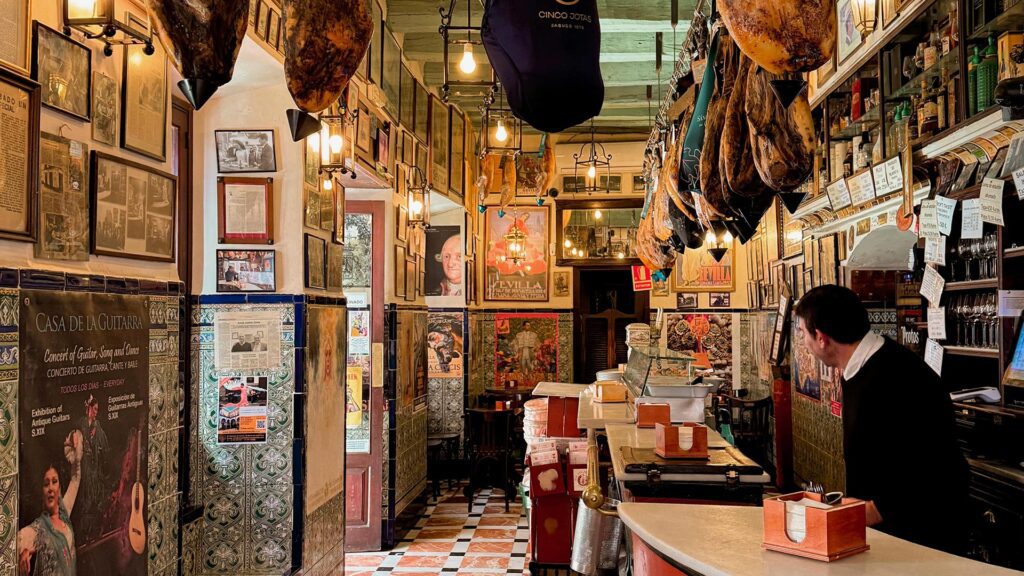
“Going out for tapas can be a little overwhelming for a first timer, but I think the most important thing is to go with the flow and be open to new things,” explains Maddy. She knows that walking into a crowded tapas bar is intimidating, so has a few Travel Director tips for us.
“When there is no table available, you can always take a place at the bar. Once you have a spot, try to find out if they do table service or if you have to order at the bar.
“Most of them have a long list of tapas, which can be sold as raciones (a bigger portion) or just a tapa (a smaller portion). If you are unsure about what to order, you can always as the waiters about their recommendations as most bars have at least one or two things that they specialize in.
“Although most people will end up eating a few tapas, I usually recommend ordering one or two at the beginning to get an idea of the portion sizes and what kind of tapas you like. You might just see the waiters bring something to another table that looks just amazing, so you can order it as well.
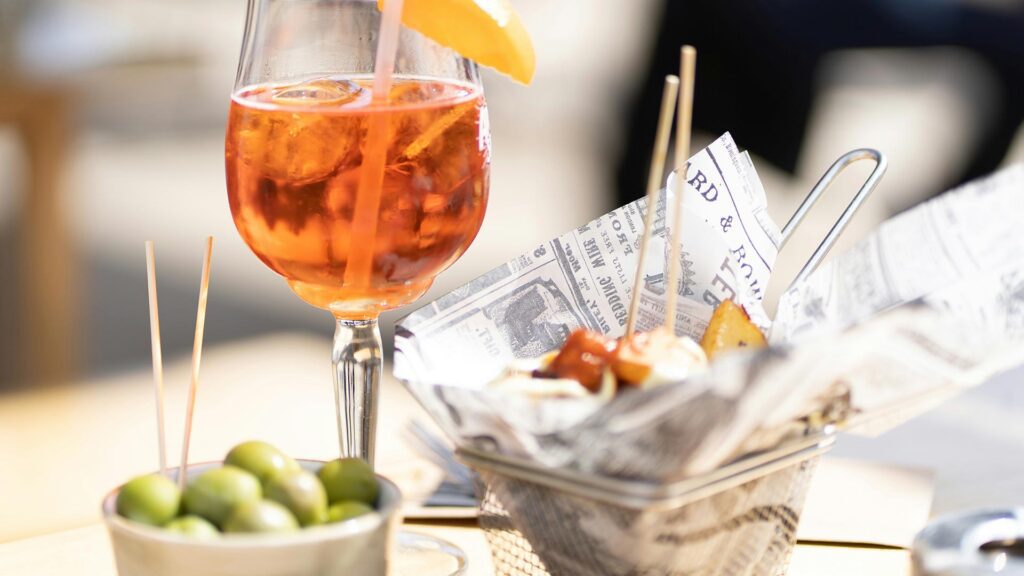
“Don’t forget – the Spaniards eat a lot later then most others, so tapas bars are usually packed between 1 and 3 pm for lunch and 8 and 10 pm for dinner.
“Two bars that I really like are Bodega Santa Cruz, close to the cathedral and Bar Santa Ana in Triana.”
7. Cross the Puente de Isabel II to Triana
Cross the Isabel II bridge to enter Seville’s neighborhood of ceramics and sailors.
“I love the neighborhood of Triana,” says Maddy. “It’s not a place where most of the main sights are located but it is an area that showcases a very local and authentic side of Seville. It’s located just across the river from the old town and home to some of the best Flamenco shows, fantastic tapas bars and cute little streets that are sometimes lined with flags or decorations.
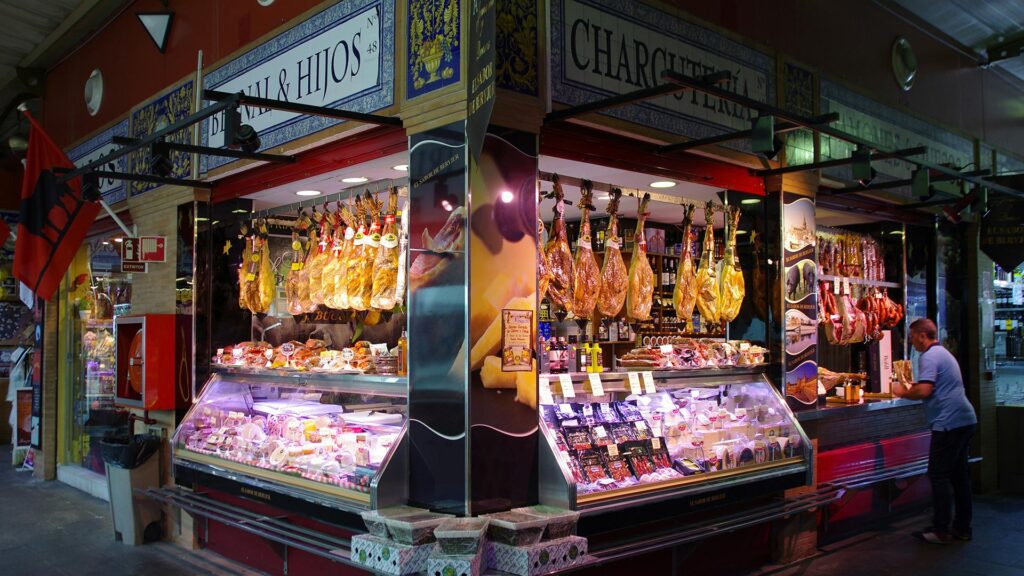
“Triana also has a market hall that is filled with stalls showcasing local delicacies from jamon to olives, cheese and fruits. There are also places where you can sit down and have food or take cooking classes.”
8. Go shopping for ceramics
“A very [traditional] thing you can find all across Andalusia, and especially in Seville, is hand painted ceramics,” Maddy explains. “Every souvenir shop is filled with them but not all of them are actually hand painted or of good quality, so it’s important to go to a proper ceramics shops.”
For high-quality, authentic ceramic tiles, cups, plates, bowls and more she recommends seeking out:
- Ceramica Santa Ana
- Ceramicas Sevilla 1952
- Ceramicas Sevilla Triana.
READ NEXT: Spain packing list: essentials for your Spanish adventure
9. Witness the raw power of Flamenco
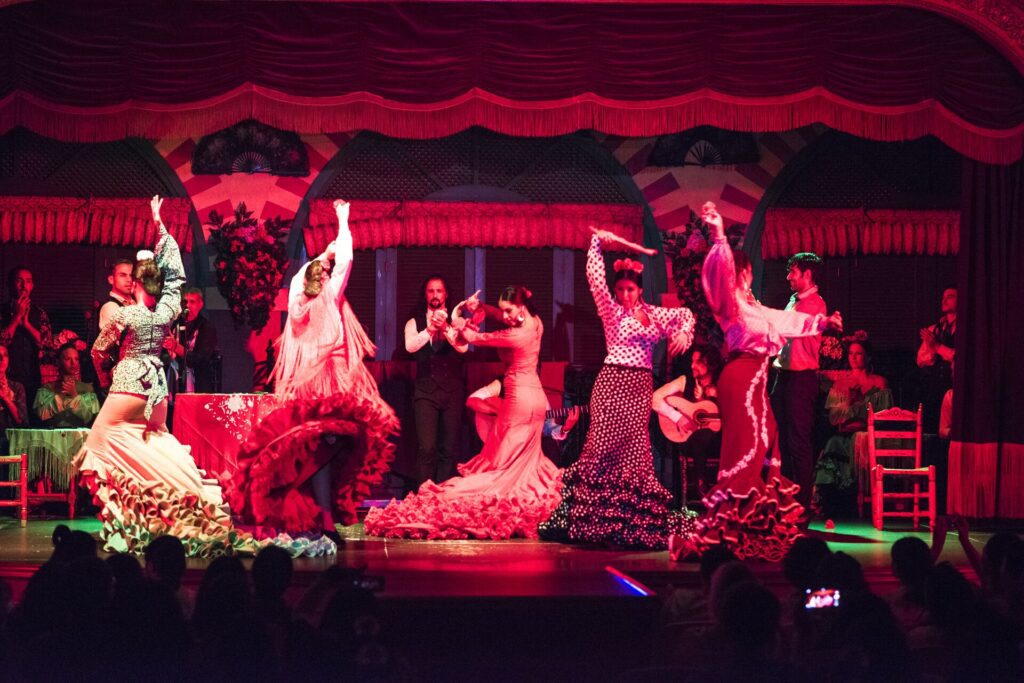
Andalusia is the heartland of Flamenco, an artistic expression that fuses song (cante), dance (baile) and musicianship (toque). Recognized by UNESCO as Intangible Cultural Heritage, flamenco is raw, powerful and intense – mixing a dance of passion and songs of sadness or joy.
While many travelers worry about falling into a tourist trap, skipping a show in Seville would be like visiting Paris and ignoring the Seine. Even in the more popular venues, the sheer technical mastery required takes an enormous amount of skill, so whether you’re in a polished theater or a tiny, sweat-soaked tablao, you’ll feel the rhythms and emotion of every lyric despite any language barrier.
10. Visit in spring, during Feria de Abril or Semana Santa
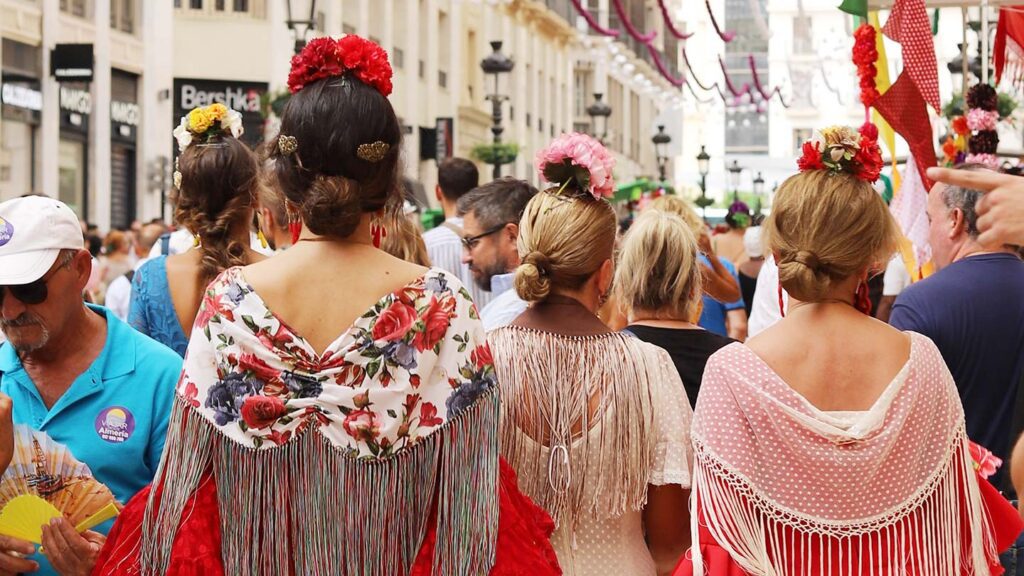
If you can time your Spain trip for spring, you’ll see Seville in its most spectacular form. Semana Santa (Holy Week) is somber and grand, but the Feria de Abril is pure celebration.
Maddy recalls her first visit as a favorite memory: “The Feria is such a cool experience, with girls dressing up in their stunning dresses, people riding through the town in their horse carriages, the casetas (tents) being filled with people enjoying drinks, food and music. It’s an incredible time to be in Seville and experience a super authentic atmosphere.”
11. Walk the ‘Mushrooms’ at sunset (Metropol Parasol)
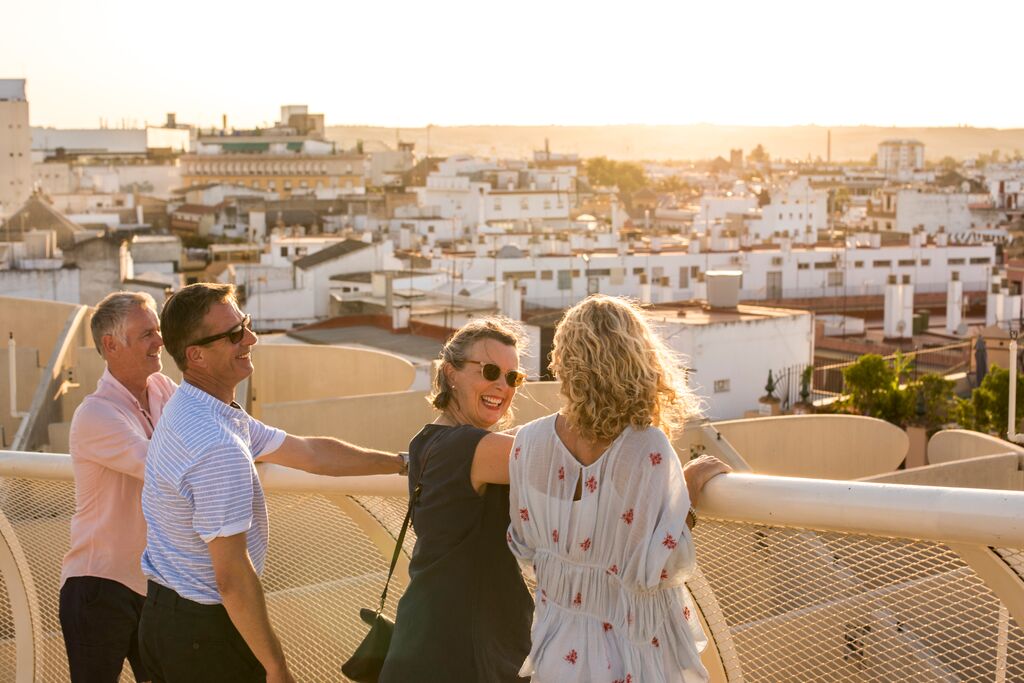
Known to locals as Las Setas (The Mushrooms), the Metropol Parasol is an undulating wooden structure – the largest of its kind in the world. It’s a bold, modern contrast to Seville’s ancient skyline yet somehow works with the surrounds.
While the Roman ruins in the basement are fascinating, the real draw is the winding walkway on the roof. As the sun dips, the honeycomb grid glows and offers a 360-degree view across Seville.
Seville FAQs:
Where is Seville?
Seville is the sun-drenched capital of Andalusia, located in southwest Spain. It straddles the Guadalquivir River and is about 540 kilometers (335 miles) south of Madrid.
What is Seville known for?
Seville is the birthplace of flamenco and the home of the world’s largest Gothic cathedral. It’s famous for its orange-scented streets, Mudéjar palaces and the legendary Feria de Abril.
How many days do I need in Seville?
To move past the checklist and feel the city you need at least 2 nights, ideally 3-4 days.
That’s Travel Director Maddy‘s list of the best things to do in Seville. Ready to explore Spain with Trafalgar? Leave a comment….