


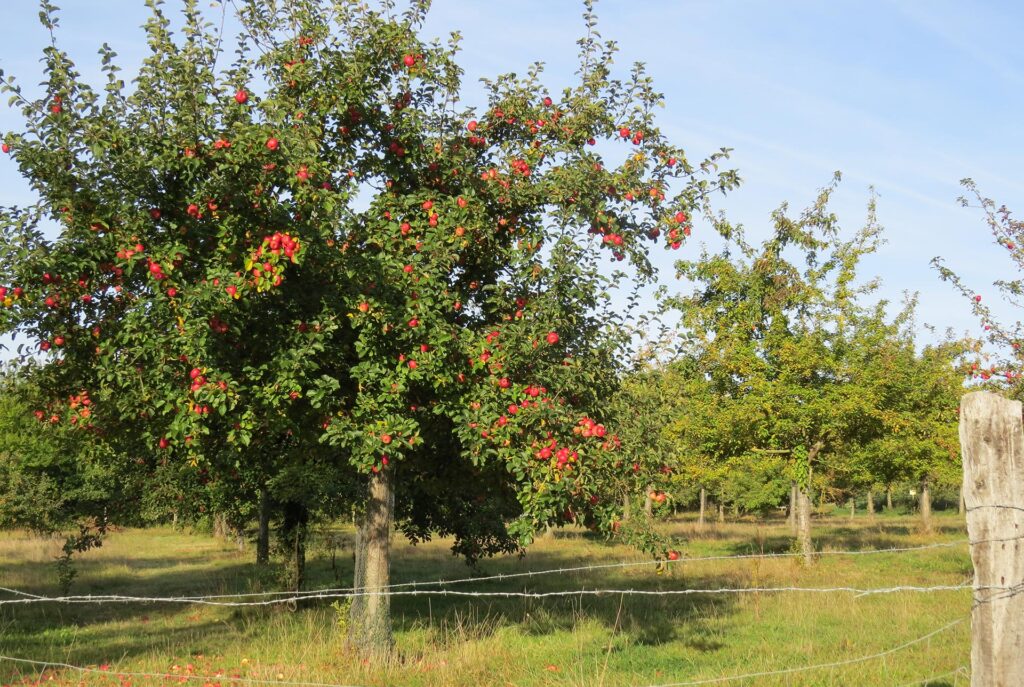
If you stand in the orchard at La Ferme Des Ruelles, just a stone’s throw from the banks of the Seine, you won’t hear the roar of heavy tractors or the hiss of chemical sprayers. Normandy is frequently called “the orchard of France,” and at this family-run estate, the secret to their world-class fermented cider isn’t a proprietary recipe or industrial machinery. It is a philosophy rooted in doing things as nature intended with a vision for the future.
Lucky guests will step off Trafalgar’s Best of the Seine With Normandy and Paris River Cruise to hear the wind rustling through centuries-old apple branches as they settle in for a relaxed lunch with roots in Normandy produce. A few hours soaking up slow, sustainable French agricultural life is just what every vacation needs.
1. A family legacy saved by a new vision
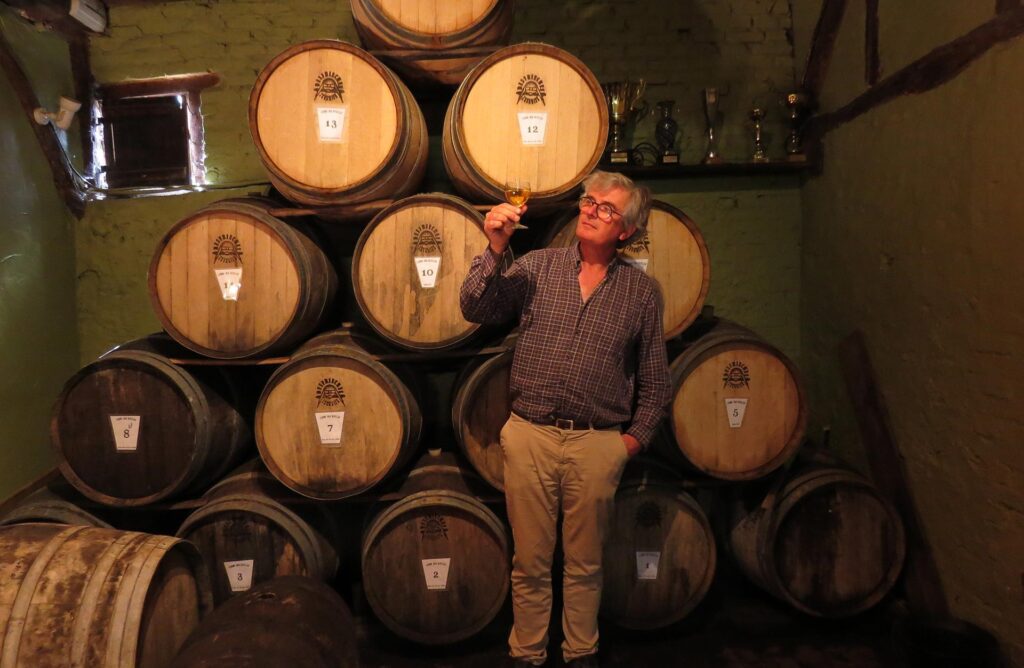
The history of this cider farm is rooted in family grit. Michel’s father initially took over the land in 1960 but it was in 1992 when Michel and his wife, Chantal, made the definitive choice to step in that everything changed. This was a turbulent era for French heritage farms, as the agricultural landscape across Europe shifted toward consolidation.
As Pauline, who works alongside Michel, explains: “All the little farms disappear to become a bigger farm. And so for Michel and Chantal they had to produce differently to preserve the little farm of his family.”
Michel hadn’t originally planned to run the estate – he was one of eight siblings and had trained in mechanical agriculture. Yet, his deep emotional tie to the land pulled him back. He and Chantal recognized that to keep the farm alive, they needed to stop selling raw ingredients to massive producers. They needed to transform the fruit right on the farm and invite travelers in to see, smell and taste the reality of rural Normandy. And Normandy had a lot of apple trees…
2. Farming with the help of nature
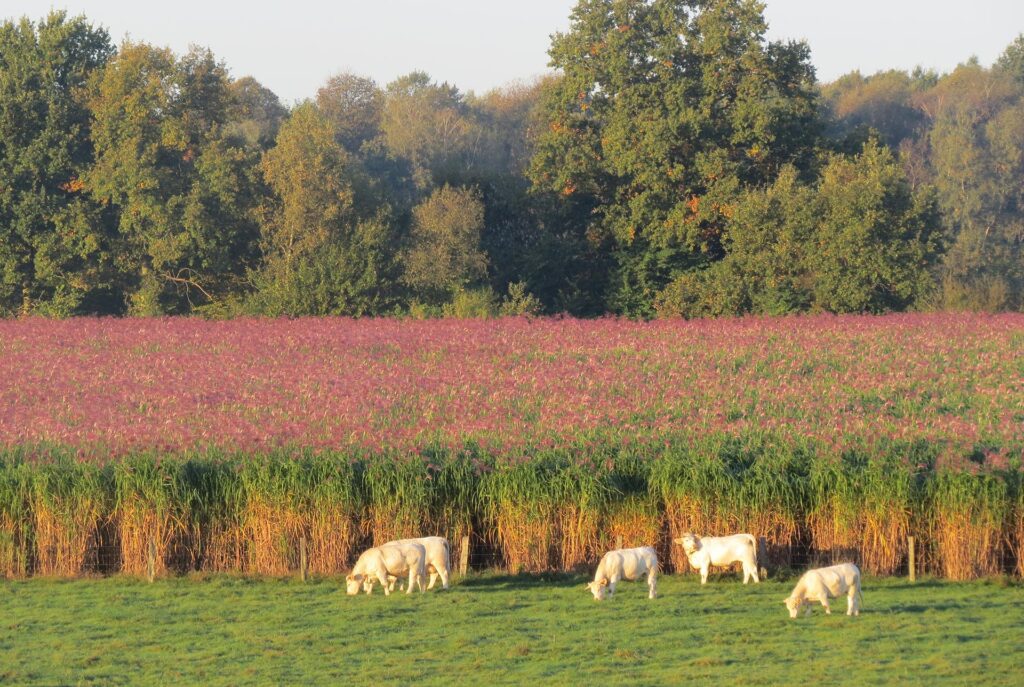
While conventional modern farms rely heavily on fossil fuels and artificial fertilizers, Michel has spent the last two decades steering the estate in a completely different direction. His view isn’t an idealized, sentimental longing for the past, but rather a highly sophisticated strategy designed for the future.
“Each day is different because we work with nature, and nature evolves every day. We work with nature, not against,” says Pauline, explaining how instead of glorifying the “good old days” of farming, this is them taking farming in a different direction. For example, they have thousands of earthworms that naturally aerate the soil and protect the roots, developing a robust resilience in the orchard.
“Earthworms work all the days – Sundays, holidays.. – they are our friends!” Pauline says.
3. What does a perfect Normandy cider taste like?
The crisp, complex profile of a traditional Norman cider is down to geography. The farm’s harmonious relationship with the environment and the area’s temperate climate directly impacts the crisp, complex cider that lands in your glass. Traditional Normandy cider is completely distinct from the overly sweet, single-variety commercial ciders often found elsewhere. Forget Somersby – this cider is raw and real, and the tradition stretches back centuries.
The drink most famously crossed the English Channel in 1066 when William the Conqueror and his knights departed northern France. They introduced the fermented beverage to Britain, which is said to have rivaled beer in popularity at points.
“Our cider is better than British cider… because of the climate, the soil and the traditions,” says Pauline. This region of France has 750 different apple varieties, with 50 used in cider production. “[Our] cider is an association of nine different apples. Sweet apples, sour apples and bitter apples,” Pauline shares.
Michel carefully balances these characteristics based on the nuances of each harvest, every vintage tells an authentic story of the year’s temperate, changing maritime weather. “Here we love more bitter apples and sour apples than sweet apples [for cider],” Pauline adds.
5. What pairs with Normandy cider at the farmhouse table?
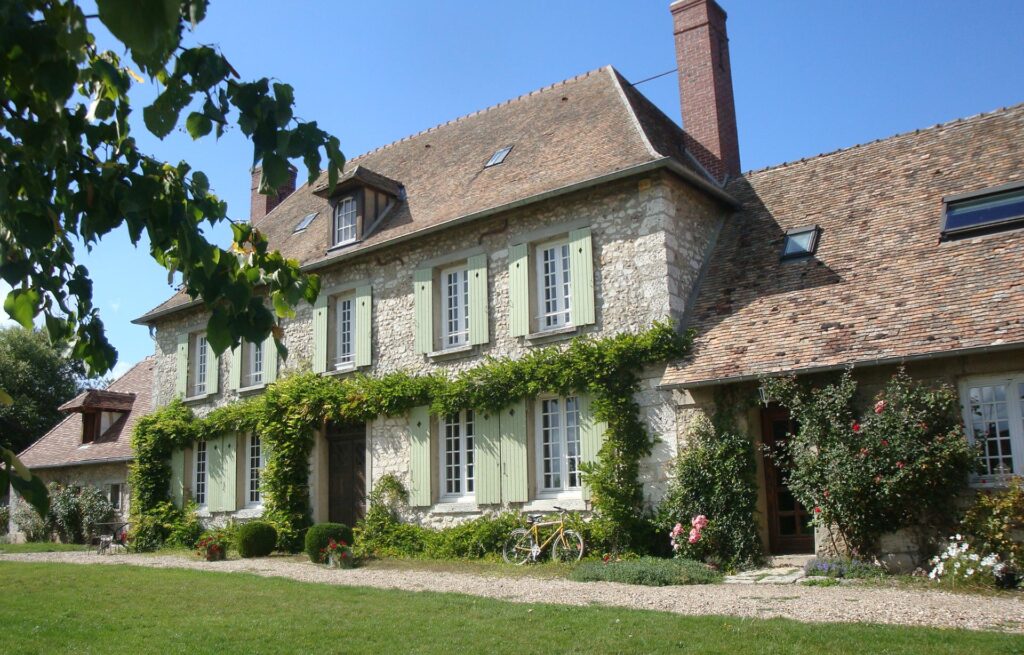
When you sit down for a home-cooked lunch on the farm during Trafalgar’s Best of the Seine river cruise, guests get to experience how the flavor profiles of cider interact with genuine Norman gastronomy. The farm we visit produces three distinct styles – sweet, dry and semi-dry – each tailored to a specific part of a meal.
While sweet ciders are reserved for dessert, a complex, deeply fermented dry cider is brought out to cut through the richness of the region’s famous savory delicacies. For Michel and Pauline, there is one ultimate pairing that represents the culinary heart of the region. “The dry cider is more to associate with cheese… especially camembert.”
Sipping a glass of crisp cider and slice into a wheel of local Camembert, rich duck rillettes, and fresh salted caramel shortbread cookies while looking out at the orchard of apple trees. It’s a pocket of authentic rural France that celebrates what the land provides.