



It’s mid-June on the coast of Spain’s Basque Country, and the latest summer heatwave is just starting to take hold. I’m walking down an alley of stairs where, to the left, I’m greeted by sun-flaked window sills adorned with blooming planters, while an imposing hunk of black glass cuts a diagonal line to my right. I’m told that this modern monolith of a building is the museum of Cristóbal Balenciaga, the famous couturier who grew up here. Suddenly the alley clears to a mossy stone quay where clear green water and a fleet of boats bob gently in unison. We have officially arrived in Getaria, one of the oldest towns in Gipuzkoa; the heart of Spain’s Basque country.
Our Experience Director, Krista, is buzzing around in excitement. For the past few days, I’ve joined a select group of travelers to enjoy the first run of a new Small Groups Tour that Krista has spent years producing: San Sebastian and Beyond. What’s waiting for us at the harbor is what’s causing Krista’s glee — she’s been looking forward to showing us this experience for the whole trip. “Hurry!”, she says, “they’re coming in with today’s catch! Get down to the pier so we can welcome them back to shore!”
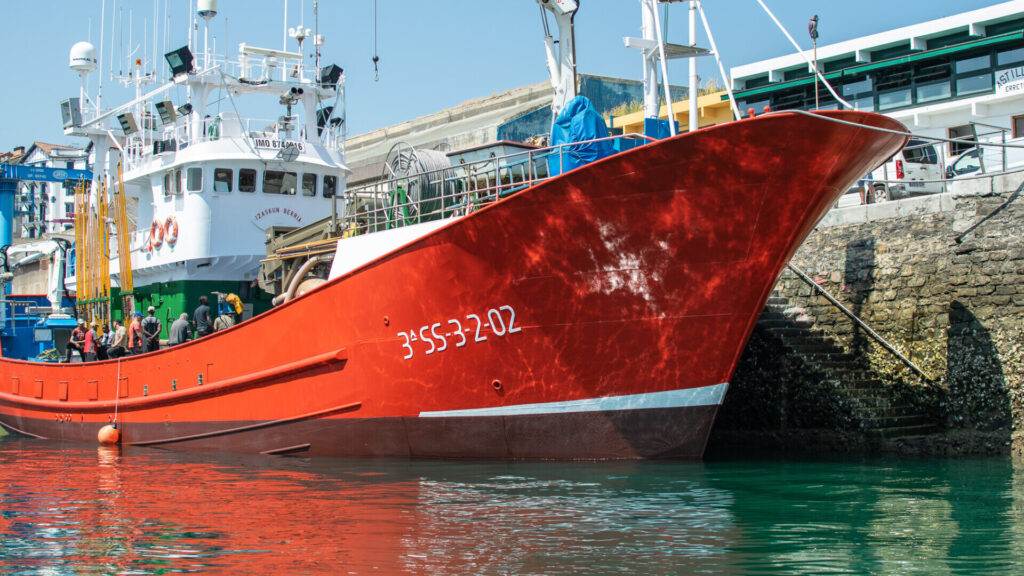
We trundle down the stone steps, and walk along the wobbly pier. A behemoth of a fishing trawler dominates the harbor, its steel hull painted the deep red of a ripe tomato. But this isn’t the boat Krista is looking at. Her attention is on a much smaller vessel, its white wheelhouse flecked with salt and its paint worn with use, as it slowly makes its way to our mooring.
The small crew are quick to lash the boat to the pier, while a young man presents us with the day’s catch: several handfuls of turbot and piles of red mullet shining in the afternoon sun. The man is Kepa Etxegoien, whose family is waiting to serve us a home-cooked lunch at their nearby restaurant. But first, they need the fish.
Related Reading: I Created My Perfect Basque Trip —Then Got to Lead It
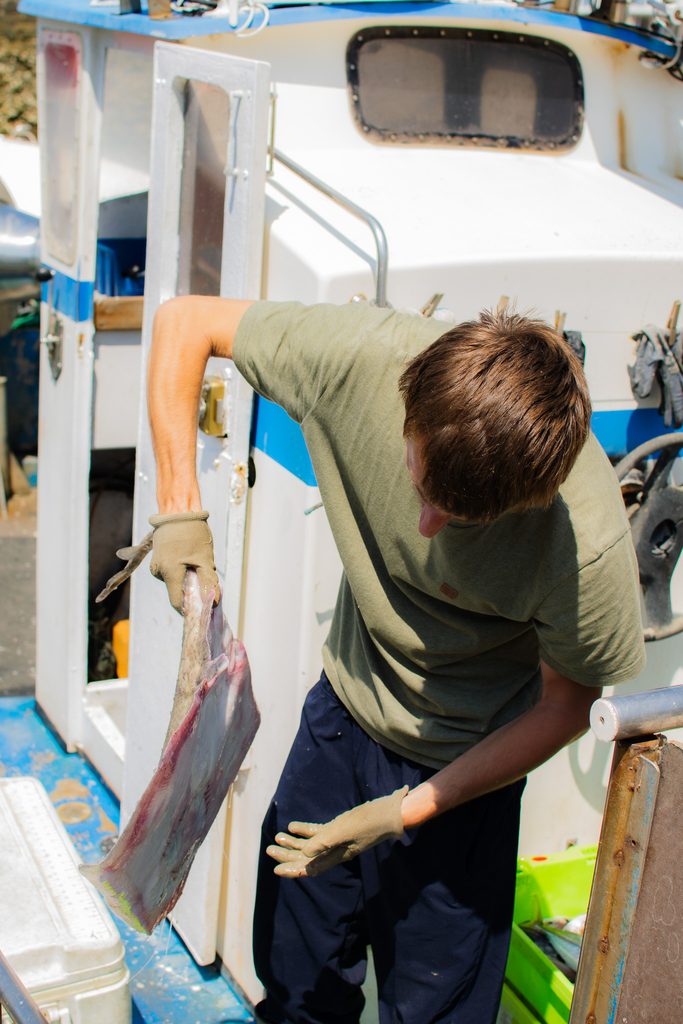
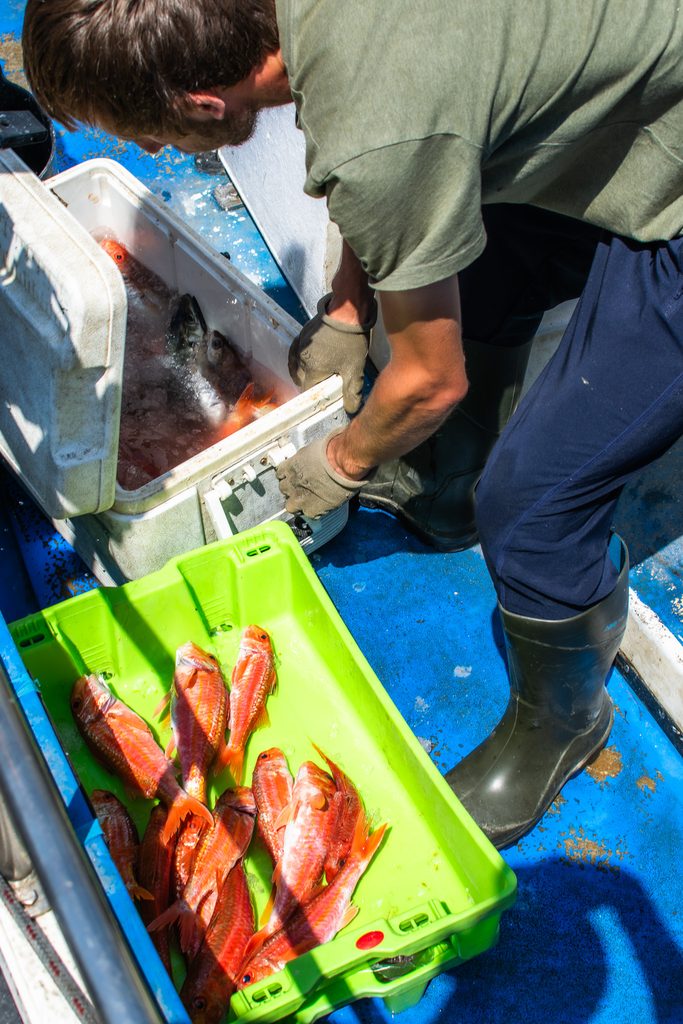
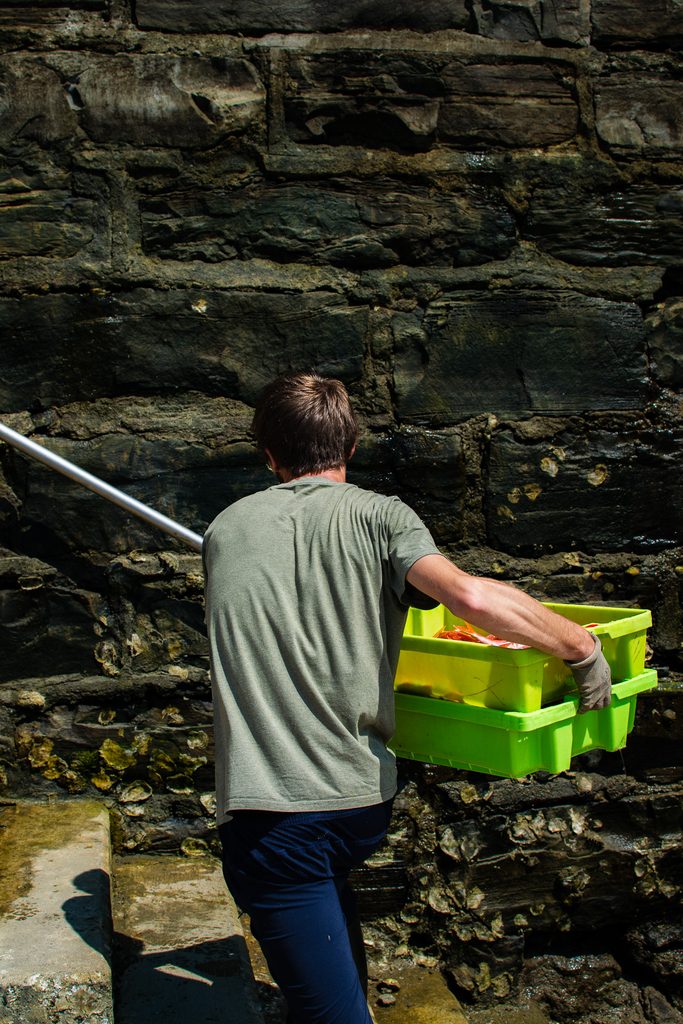
We watch as Kepa washes and guts his haul, before piling everything into a few crates that he drags off the boat. We follow him back up the stone steps of the quay, where only a stone’s throw away his family is awaiting us in their asador, a traditional open-air grillhouse typical to Getaria. It’s here where we meet the rest of the family, including Kepa’s father, Iñaki, who passed down the family’s fishing tradition to his son. Kepa tells me about his journey into fishing when we catch up later in the day.
“Ever since I was little, I used to watch my father when he fished”, he says, running a tanned hand through his hair. “Then at seventeen, I started studying at the maritime school in Ondarroa to get my qualifications, to skipper the boat. My father taught me how to cast the nets, how the sea works, how the devices work, the equipment, the places, the stones, the sand… There’s a lot involved in every aspect.”
We step into a whitewashed stone building overlooking the harbor, roughly fifty steps from the top of the quay staircase where Kepa hauled up his catch. We find a table laid with pink flowers, baskets of bread and bottles of txakoli white wine.
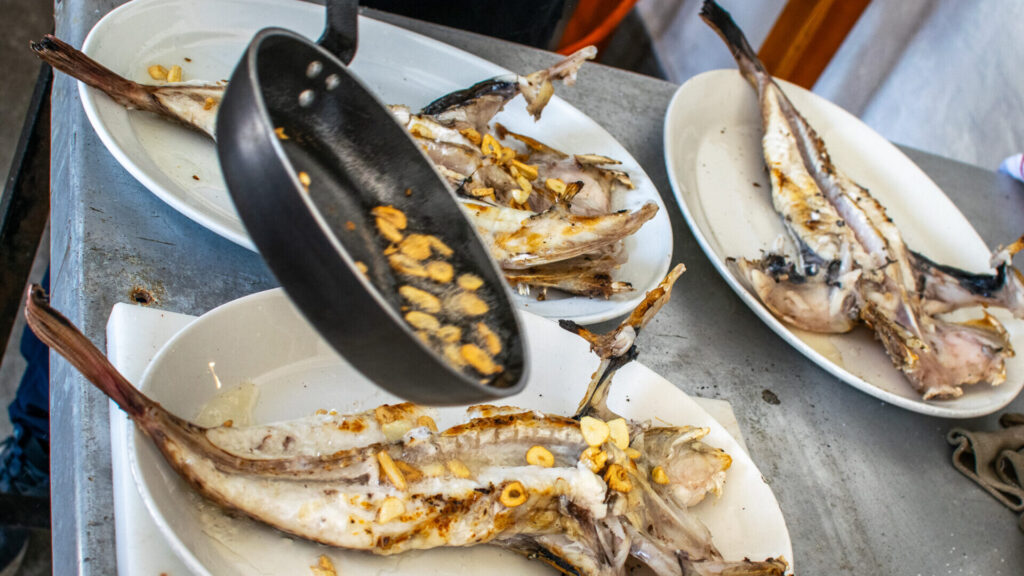
Everything is covered but open-air, from our dining area to the smoking grill, where our fish is already being laid over white-hot coals in a besuguera — a hinged metal basket made for turning the whole fish until the skin blisters. Within minutes, smoke carrying the smell of crisping fish drifts over our table and out towards the harbor and the glittering sea. This type of cooking, known as asador, is unique to these Basque towns, particularly Getaria.
It started only at sea, where for centuries sailors and fishermen prepared their catch on board over iron grills. Getaria’s first celebrity was Juan Elcano, famous for being the first person to sail around the world. He is noted to have taken these grills on his voyages, even listing three to pass down in his will. In the early 1940s, the grilling tradition moved ashore, when crews coming in from sea would head for the town’s cider houses, wine cellars and taverns, which began providing simple portable grills so the fishermen could cook their own catch while they drank.
Walk along the harbor today and you’ll see one asador after another, grills out in the open, the hiss of spitting coals and salty smoke in the air. You can only wonder how many generations of friends, families and fishermen have grown up with these sounds and smells decorating their memories. In this corner of the Basque Country, the fire has never gone out — although, times are changing.
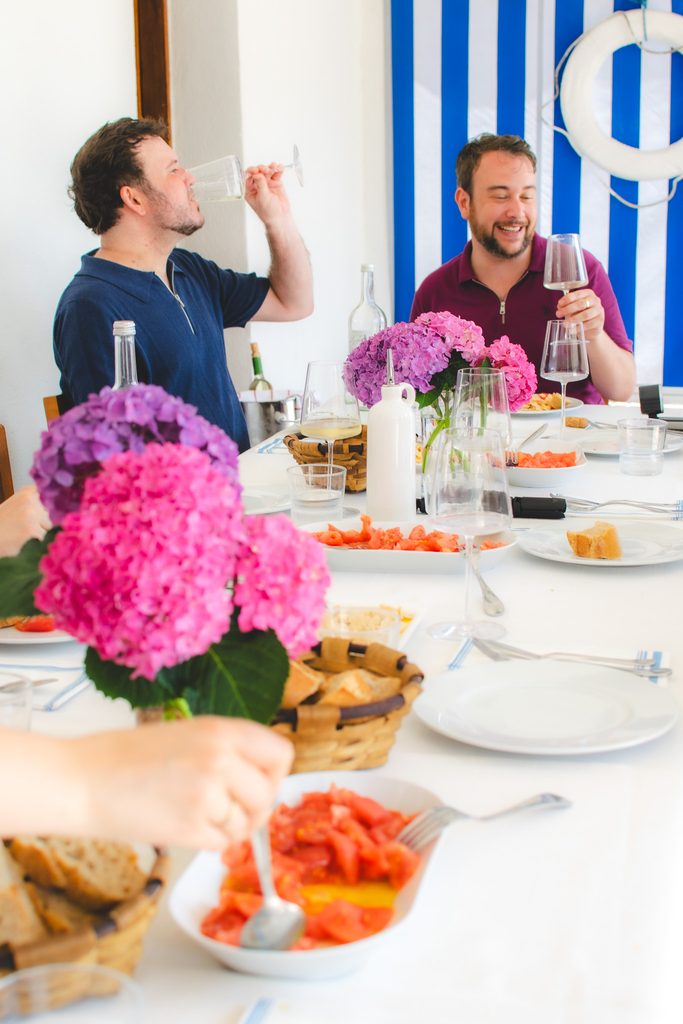
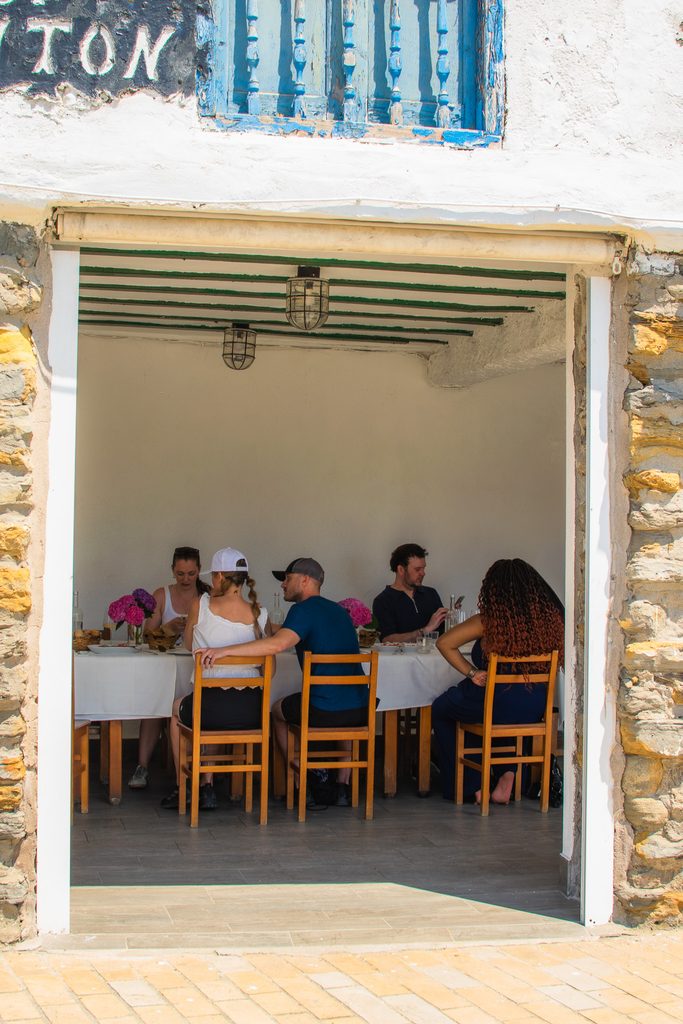
I find out from Kepa’s mother that their asador is pivoting from being a customer-facing grill house to now exclusively serving groups of visitors like us. In fact, we were the first cohort to walk through their doors.
“For us, this (welcoming tour groups) is something very new”, she says, “because the place where you see the establishment now — well, for 40 years, while it was run by Iñaki’s family, it was an asador, a grill restaurant. This is the first time it’s no longer operating as a grill house.”
There is stoicism and pride in her voice as she explains further “We’re going to try out this new angle — showing people what life is like for fishermen in a fishing village like Getaria. So, welcome — welcome to everyone who comes by and enjoys this. We want to show you a little bit of our world.”
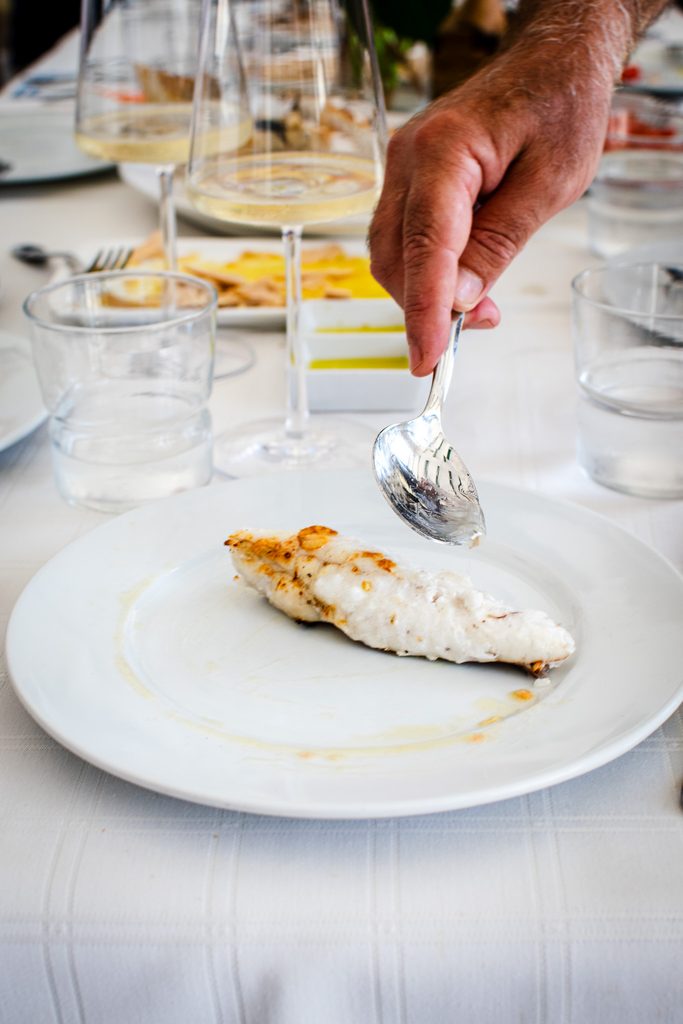
When the food arrives, it is served without pretense on plain white plates — the way it might have been done a century ago. Taking my first bite, it’s clear why this cooking technique has persevered — the flavor is out of this world. The turbot is soft and salty, drizzled in a simple garlic and oil dressing that soaks into every succulent flake. I take a sip of the local txakoli wine, as bright and crisp as the midday sunlight, and lean across to listen to Kepa’s father Iñanki talk about his family’s long-running connection to the sea.
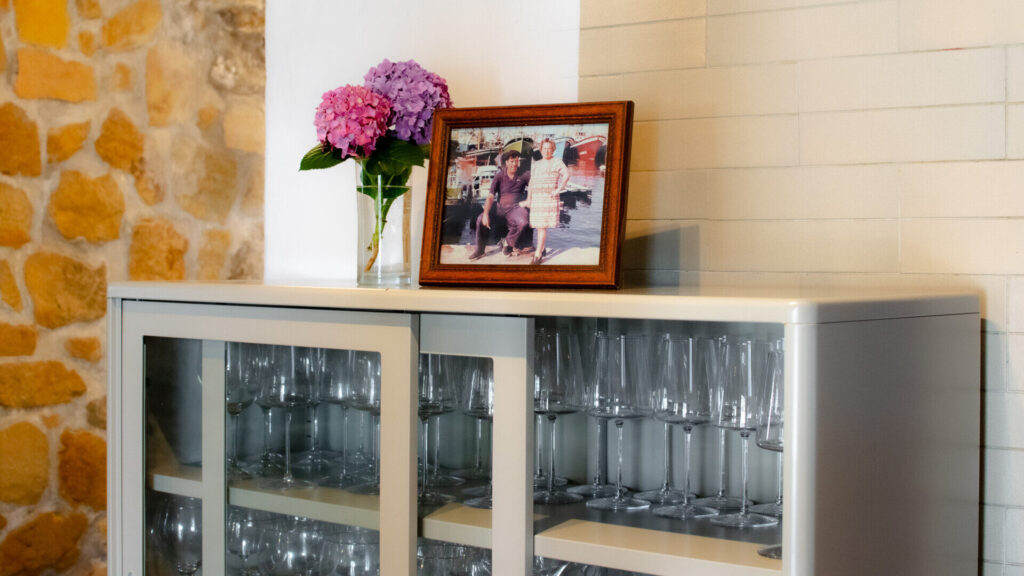
“My family comes from a line of fishermen spanning four generations — it’s all I’ve ever known”, he says, while topping up a glass. “I’ve always associated my father and brothers with fishing, as well as my grandparents, great-grandparents, and uncles. In short, life in Getaria revolved around fishing from the time we were very young. We used to go down to the harbor, which was our playground and the place where we lived our lives. When I started out with my father, it was a good life. Back then, the choice at home was either to study or go to sea. And since we were always around the sea, we were naturally drawn to fishing. My father would give me a specific job: whenever the boat came in, I had to go and meet it. When they returned from sea, I had to be there waiting for them. From the time I was little, the idea was instilled in me that I would become a fisherman.”
As wine flows and forks clatter against empty plates, I meet Krista’s eye across the table, a satisfied grin stretched across her face. She knows she’s pulled off something particularly special with this experience; something you simply wouldn’t find without the access she has — having developed deep relationships with the local community over years.
And not only that, but because they don’t operate their asador as a restaurant anymore, our visit and cultural exchange is what keeps the family’s fishing tradition going, despite the many challenges they face. As Iñaki tells us as he picks at the bones on his plate, “fewer and fewer young people go to sea these days. They don’t want to because it involves hard work and little pay. There are fewer and fewer fish these days too — but, well, we’re gaining more experience and knowledge all the time, and that helps us when we’re out fishing and searching for them. It’s our life, isn’t it? If you take this away from us we’d die. We’ve got the salt of the sea in us.”
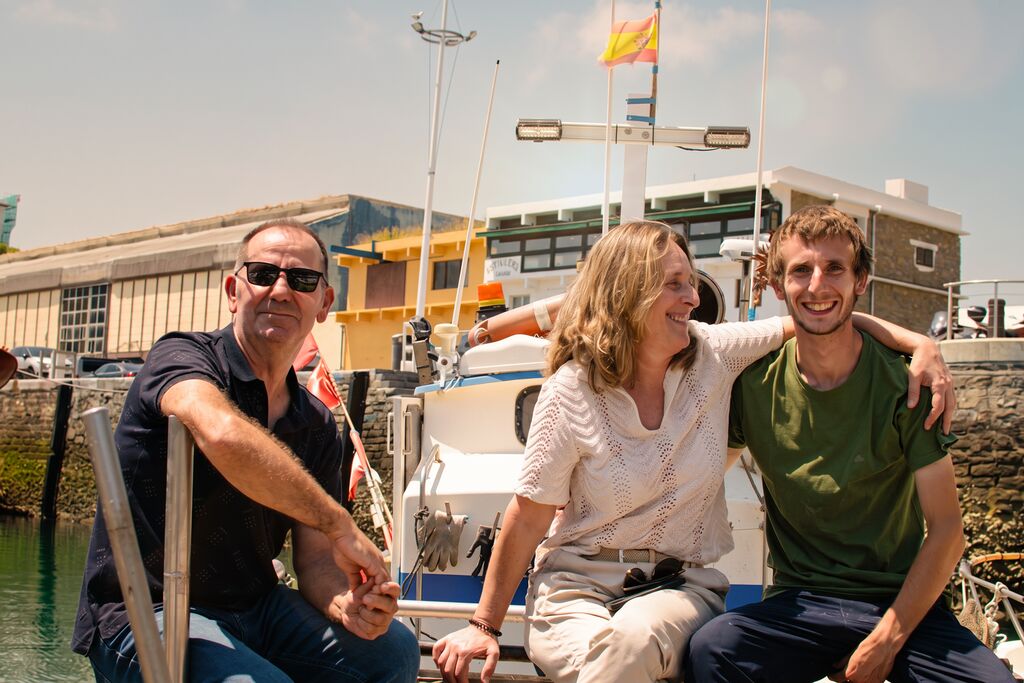
Balenciaga left Getaria to imprint his name onto the world, while Elcano was the first to circumnavigate it. That’s why that modernist museum made of glass doesn’t look out of place in the town — Getaria is somewhere both local and global. It is steeped in tradition and local identity but with arms open to the world, just like the Etxegoien family’s asador. But places like these don’t always last. The kings of Navarre founded Getaria in the late 12th century, and it has since been attacked by the French, occupied by Napoleon and almost totally destroyed in the Carlist Wars, yet each time it has rebuilt around the harbor that still sustains it. Today, the new danger is the whittling down of family traditions; a globalized world threatening the livelihoods of the core fishing community. Yet it will keep on rebuilding and adapting, as long as there’s fish on the coals and someone to share it with.
All images credited to the author Jason Brasier.
Read more from this author