
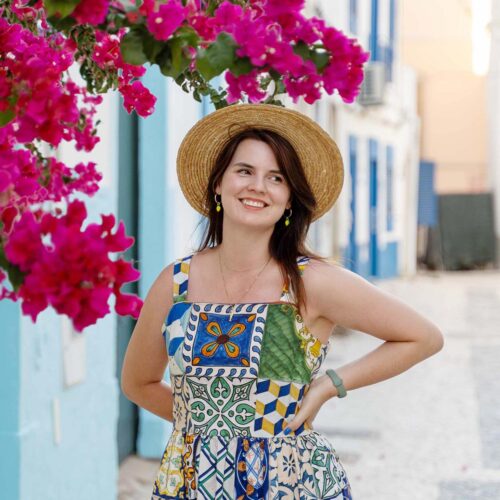
It’s Euro summer 2006. I’m on the seafront promenade of Makarska on the Dalmatian Coast of Croatia, beach towel in one hand and 100 kuna in my pocket, making my way from one end of town to the other to meet my Croatian cousin. She’s two years older and has somehow deemed me cool enough to befriend for a few weeks in August.
Promiscuous Girl blasts across the airwaves, pouring from every second beach-front stall, loaded with colorful blow-up lounges and jelly shoes or menus of pizza and schnitzels and french fries. While the lyrics were lost on me, my newfound freedom to wander anywhere on foot is not. I savor every step as I strut along in time to the hits of the summer.
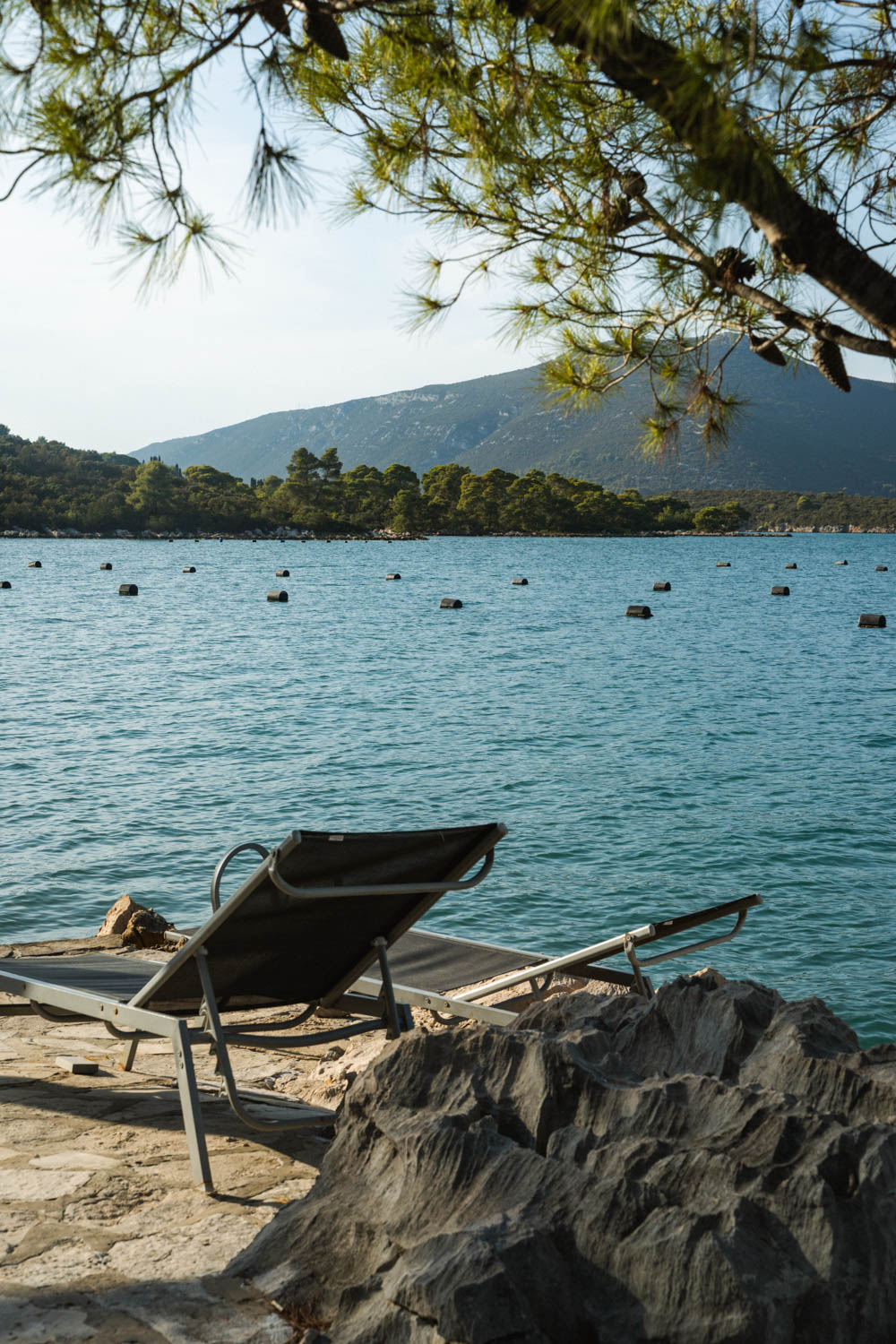
I’ve been back to the Dalmatian Coast a handful of times since that first August. Each time welcomed back by the sound of cicadas humming in the hot midday sun, the crunch of pebbles as locals and tourists take aim for those perfect cool blues of the warm Adriatic Sea.
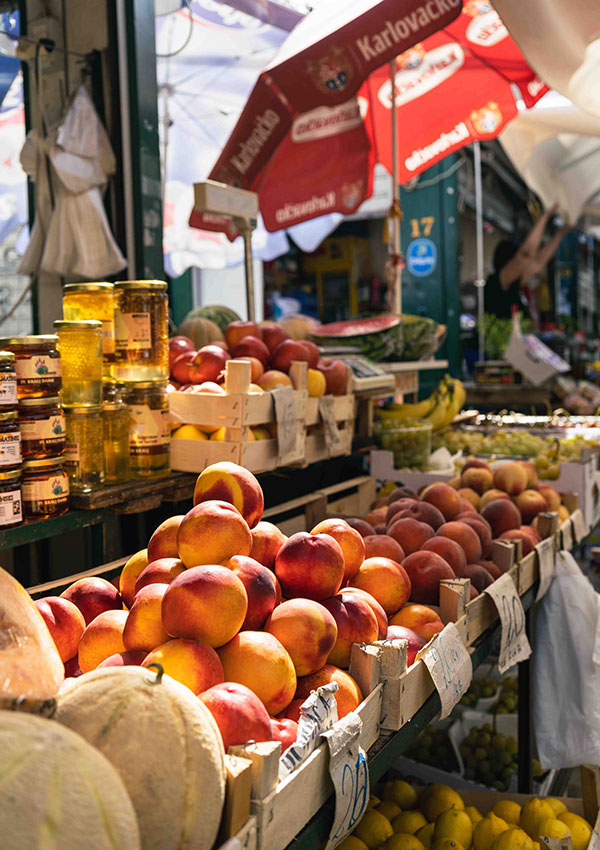
These visits always include time sitting around a dining table, trying my uncle’s rakija made with walnuts or cherries and eating my teta’s homemade strudel or tiny sweet green figs with ruby red insides fresh from the family tree.
My mum grew up bilingual in New Zealand as part of a tight-knit Dalmatian community. Here families who’d left the same string of villages a generation or two before built lives on the opposite side of the globe, bringing with them just language, culture and a cutting of an Adriatic fig tree. Her childhood was spent picking fruit at the family orchard and dancing kolo at the Croatian Club.
Her first steps on Croatian soil were in 1967, aged seven, seeing Europe through the split-screen windscreen of a classic Volkswagen van. But time changes everything.
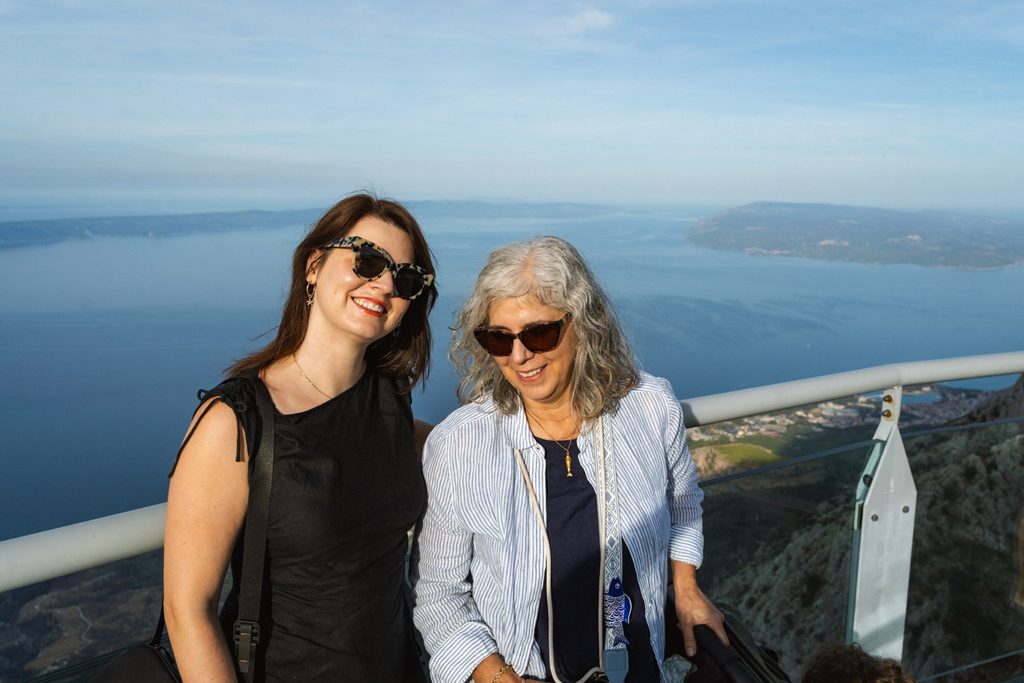
Twenty years on from my first Euro summer, I met my parents in Makarska again. This time, it’s their post-retirement grand tour and they have a flat for a month by the seaside. When I arrive two weeks in, I can sense some sadness in her storytelling. It’s never easy returning to your roots as part of the diaspora, trying to make sense of your belonging in the world.
While the town’s apartment blocks have multiplied, making the beach promenade busier and finding a small patch of pebbles to lay your towel harder, the change that hurts most is who’s missing. The people who’d once been waiting for her arrival – her tetas – are gone. First cousins still welcome her with open arms as family, of course, but nothing beats the warmth of being fussed over by an auntie who remembered you as a baby.
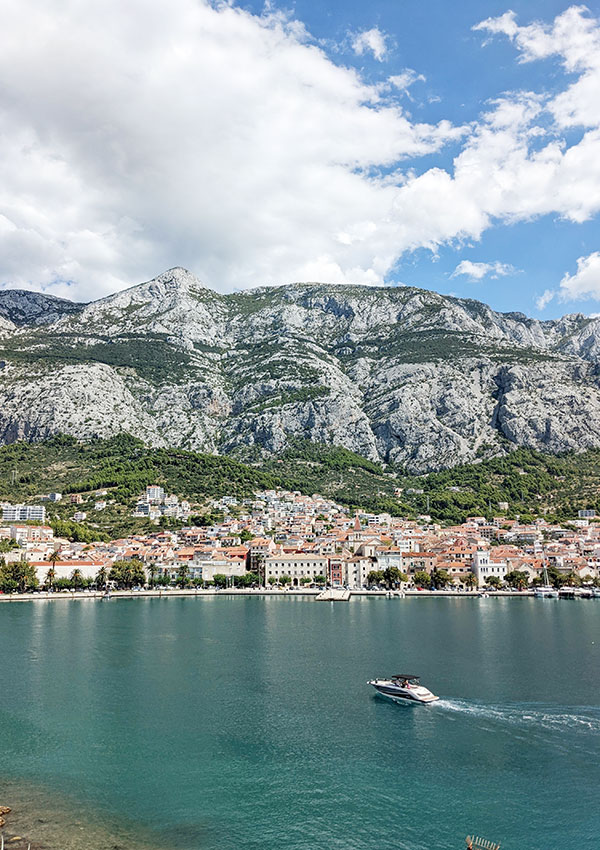
Being one generation on, there’s a great ravine between my connection and hers. I have more freedom to pick and choose my relationship to Croatia, while she’s searching for something that might no longer exist. For me, there’s no ache of a diaspora childhood and I can’t speak the dialect that’s unique to the Dalmatian Coast. I feel the sense of a second home simply when I see the arid blue-grey mountain of Biokovo dropping straight into the too-blue sea. When I smell the mix of pine trees and salty air.
Most importantly, taste transports me to my grandmother’s kitchen table. A bite of palačinke (thin pancakes), still warm, rolled up with šipak (rosehip) jam. Each mouthful of blitva, a side of potato and chard, alongside grilled seafood takes me there. Maybe best of all, a simple napolitanke wafer – something my fiancé has to watch or I’ll eat an entire packet in one sitting.
On our visits to Croatia we’ve always gravitated back to Makarska, the large town where most of our family lives. But it’s not our true roots. My grandmother comes from the other side of the steep Biokovo mountain range, where Croatia’s highest peak – Sveti Jure (Saint George) – divides her village from the sea. Here, a street sign that bears her maiden surname leads to a handful of small stone houses. Standing between them, some in ruin, I can almost picture my grandmother as a child running beneath the grape vines, chasing her older sisters.
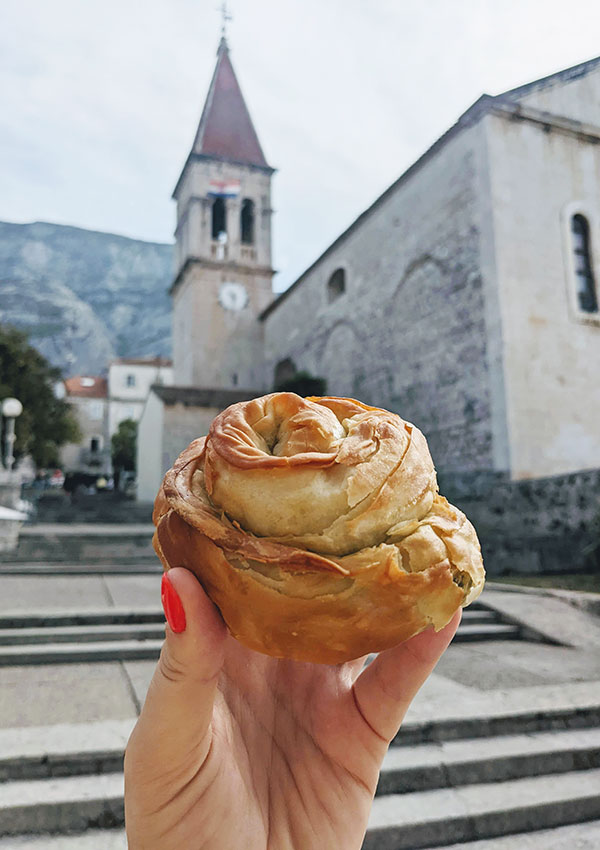
One small house still has the sort of blackened hearth society once called a kitchen. My uncle has built a small fire on the floor, ready for a peka. Once the coals are ready, a round tray of potatoes and lamb is hidden under the metal bell and covered in hot ash. We snack on a plate of Dalmatian pršut and cheese and chit-chat as we wait for the main event.
But while this step back in time fills our hearts, something’s still missing. I can’t say exactly what my mum is looking for. I only know she keeps searching in the places that once held it, but feel different now.
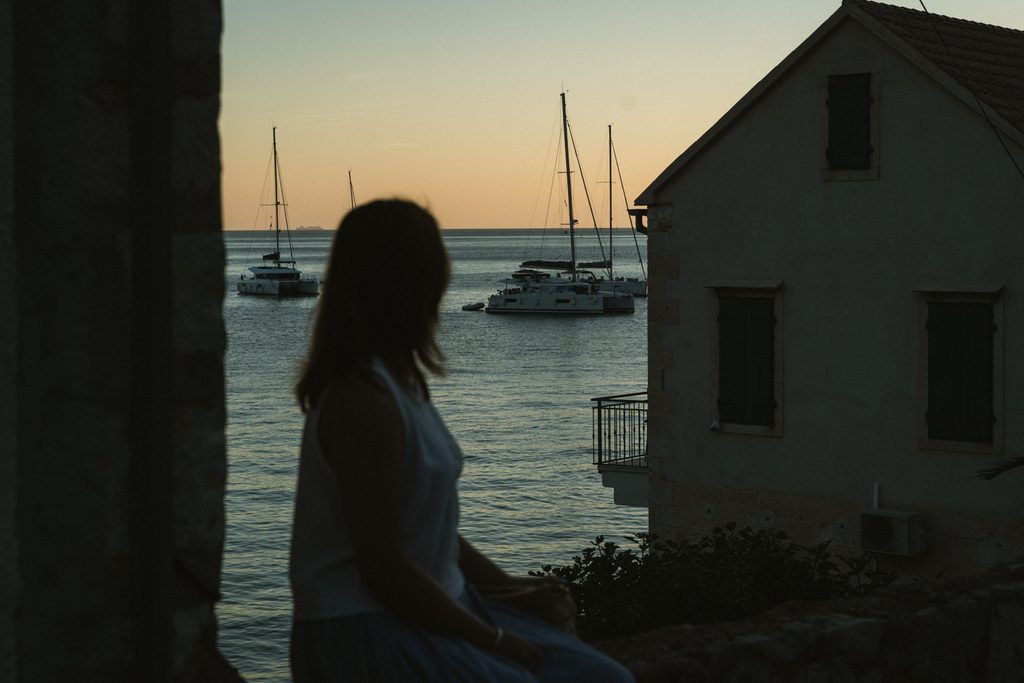
When I suggest she reconsider where she places her towel down next visit, she leads us to Podgora, a small coastal fishing village where her father’s family is from. It’s only a 15-minute drive, following the gentle curves of the seafront road south, but the pace of life slows to that of a large village. Boats bob in the small harbour. Stone houses with traditional dark green shutters sit beside colorful painted ones. Beach towels hang from washing lines.
We find a table on the terrace of a restaurant called Ahipara, named after a town at the tip of New Zealand’s North Island. My mum exchanges some words with our waiter, a guy from the village. I can’t follow the words, but I can see her body language shift.
I’ll never know exactly what she came looking for. Maybe she doesn’t either. But watching her at that table, at ease in her father’s village, speaking the language she grew up with, I think she found the next place to look.
“I think you should stay here next time,” I say.
“I think so too,” she replies. I can see at last she feels free to exhale.