



Europe’s museums might seem intimidating to some, a place to keep hushed or whisper in the presence of masters. But the truth? These spaces are for the people and reflect our shared humanity, our ambitions and even our failures. Whether that’s the opulence on display as the mega-sized Louvre, or the objects representing failed romances in Zagreb, each is a story about how we lived.
If you’re planning to visit Europe soon, these are the famous museums and art galleries in major cities across the continent.
1. The Louvre, France
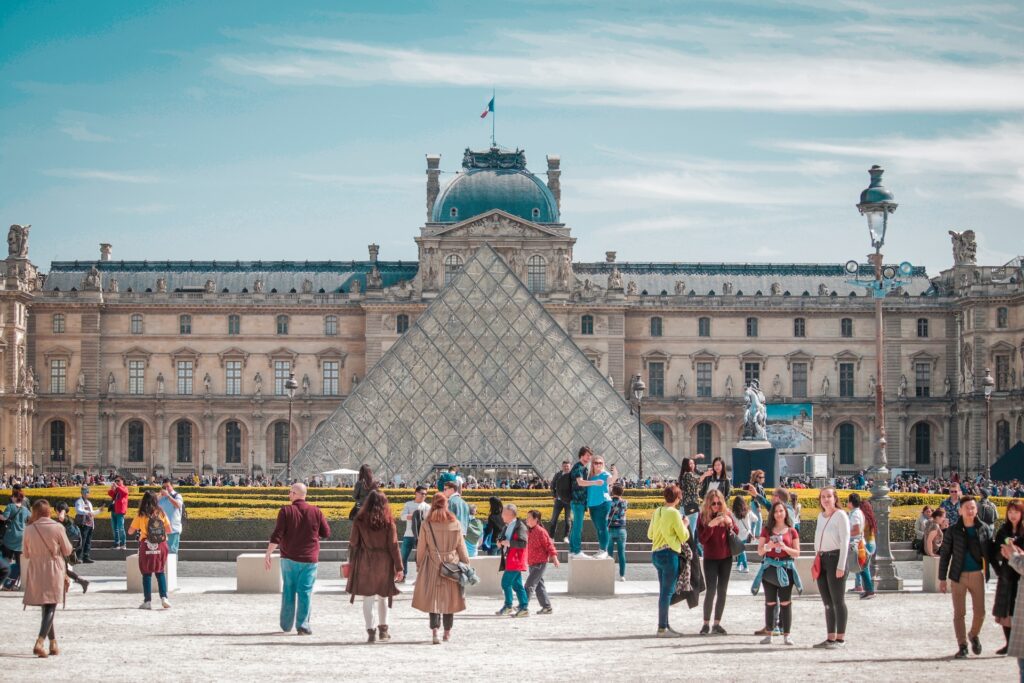
The Louvre is less of a museum and more of a marathon! As the largest art museum on the planet, it spans a staggering 70,000 m² (753,470 sq ft) of gallery space – roughly the size of 13 football fields. If you spent just 30 seconds looking at each of the 35,000 items currently on display, it would take you around 100 days to finish your quick walk-through. So, you need a plan.
Instead of joining the frantic shuffle toward the Mona Lisa, give her a polite nod from the doorway and pivot toward the Richelieu wing. Here, in the apartments of Napoleon III, find a sensory imperial overload of rich velvet and gilded stucco.
READ MORE: How to travel hack the world’s most famous museums
2. The Vatican Museums, Vatican City
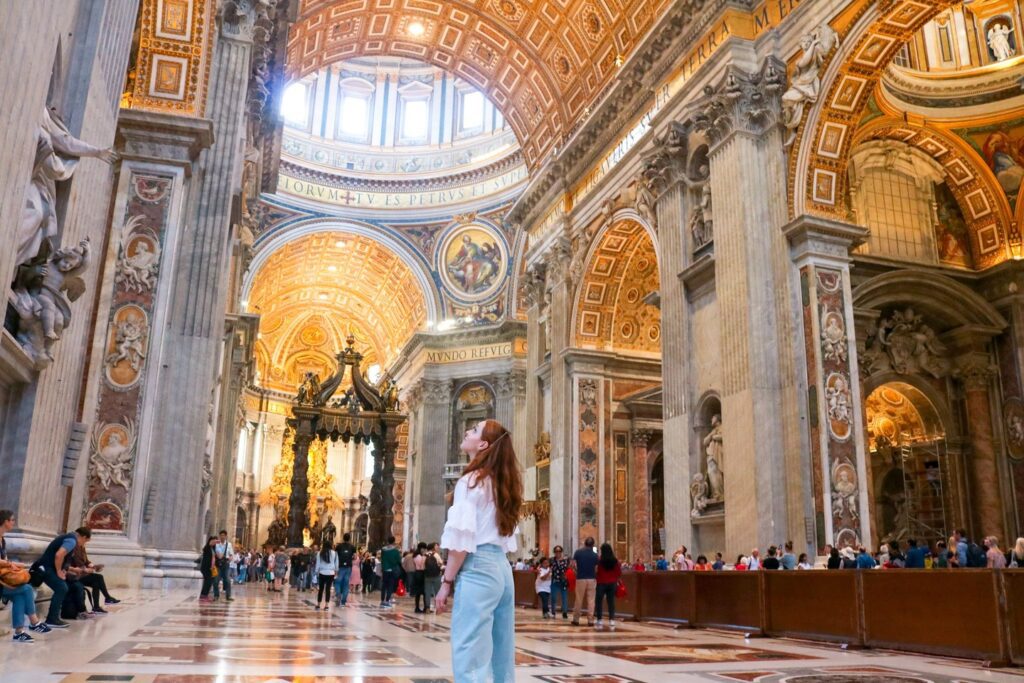
The Vatican might be the world’s smallest independent country (both by size and population), but its museums are mammoth. The Vatican Museums stretch for some 7 kilometers (4.3 miles) and house roughly 70,000 works (with around 20,000 on public display). Like the Louve, there’s too much to see so you need a game plan.
We suggest seeking out the Gallery of Maps. Commissioned in 1580, these 40 topographical panels represent the entirety of Italy as it was known then. Even before GPS, these maps accurately depict tiny coastal towns and mountain passes that exist today. Once you’ve reached the famous Sistine Chapel, don’t just look up – look at the floor’s intricate Cosmatesque stonework too.
3. The Prado Museum, Spain
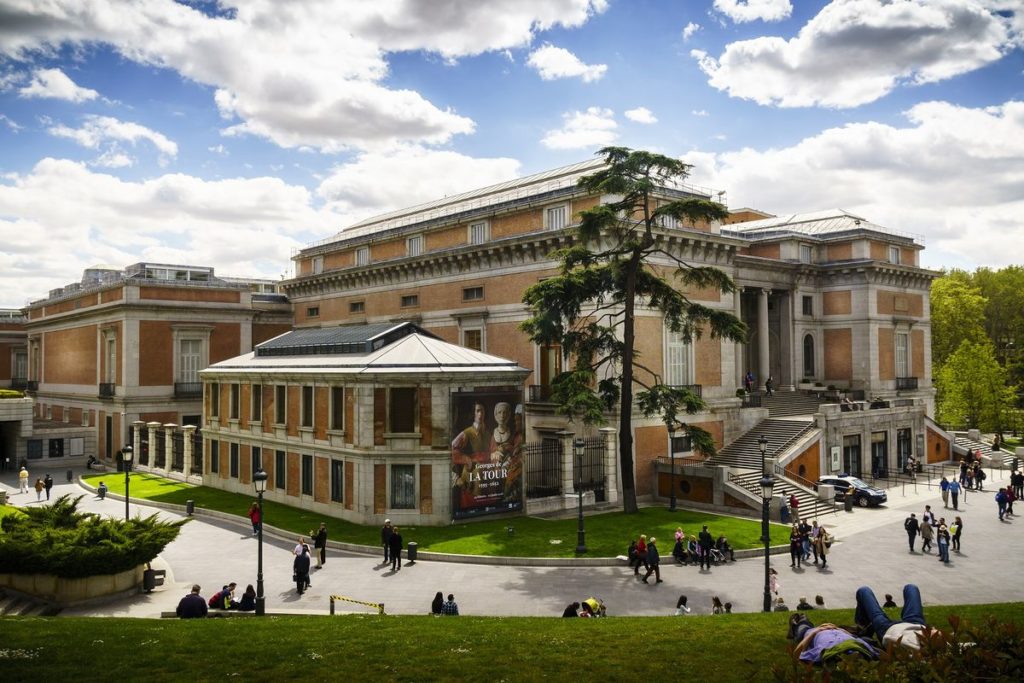
Spain’s national museum the Prado is a highlight of any visit to Madrid. Here most tourists head straight for Velázquez’s Las Meninas. And while you should admire this world-famous painting – and other incredible oil portraits in the Prado – make sure you see the Black Paintings of Francisco Goya. Originally painted directly onto the walls of his home, these 14 haunting and dark works weren’t meant for public eyes.
4. The British Museum, United Kingdom
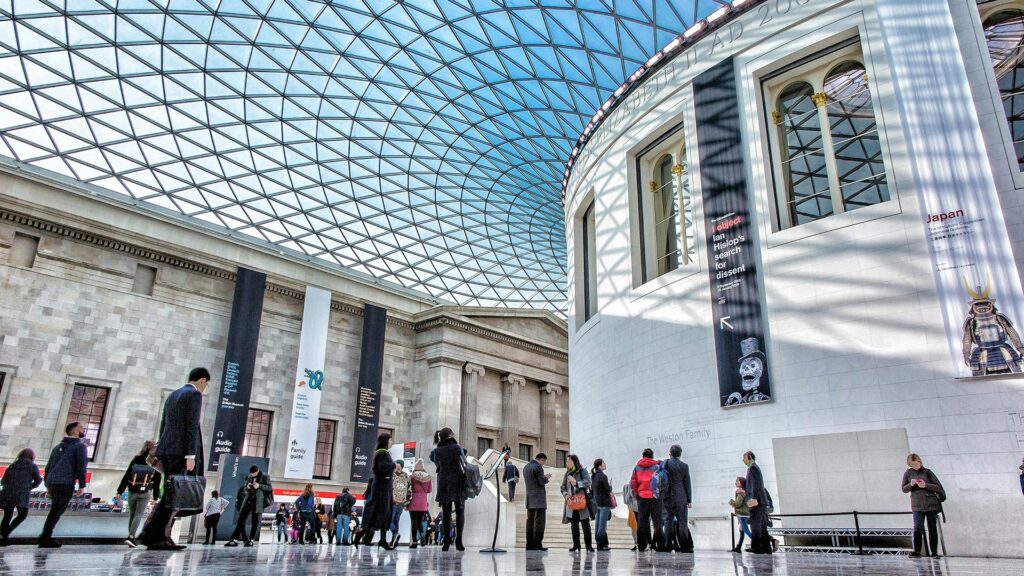
The British Museum in London is home to over eight million objects – though you’ll only see about 1% of them at any given time. Yes, a mere 80,000 objects! While the crowds predictably bottleneck at the museum’s Rosetta Stone, choose to follow the rush or instead take a detour to find the Scottish Lewis Chessmen. Carved from walrus ivory and whales’ teeth in the 12th century, these tiny figures have charming, wide-eyed expressions.
The other space you can’t skip is the Great Court whose glass roof is made of 3,312 unique triangular glass panels.
READ MORE: More Than Mozart: 14 Best Things To Do in Vienna
5. Rijksmuseum, Netherlands
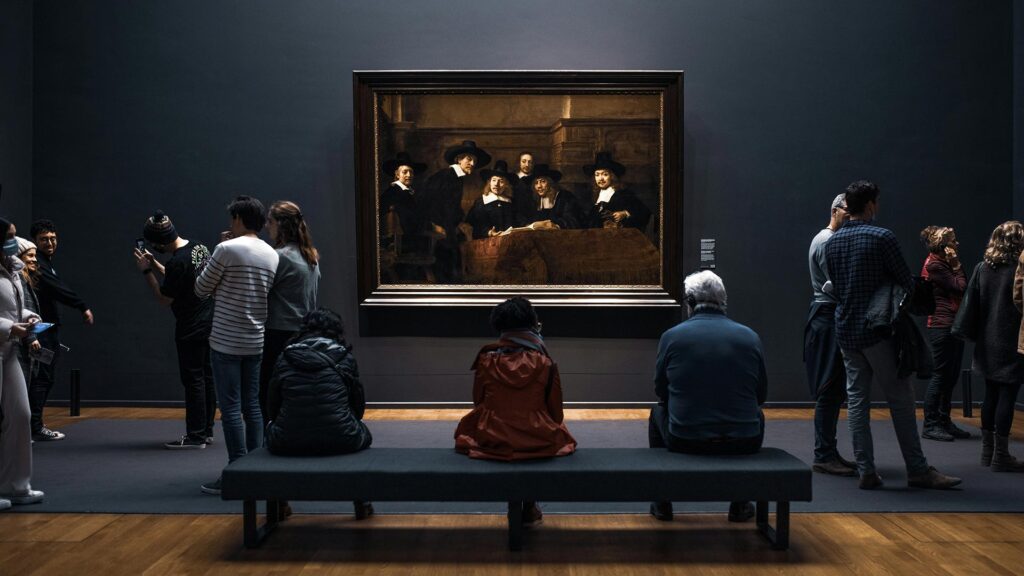
The Rijksmuseum is the Dutch national gallery and a must-see for Dutch art and history. There are 8,000 objects across 80 galleries. Many visitors rush to see Rembrandt’s The Night Watch. It’s a massive painting, weighing 337 kilos (743lbs) with the frame, along with other oil paintings from Dutch masters.
One curiosity you can’t skip is a series of 17th-century dollhouses. These weren’t toys but expensive hobbies for wealthy women! Admire the details – tiny blown glass objects, miniature porcelain from China, tiny silver plates… everything is to scale and no cost spared.
6. Acropolis Museum, Greece
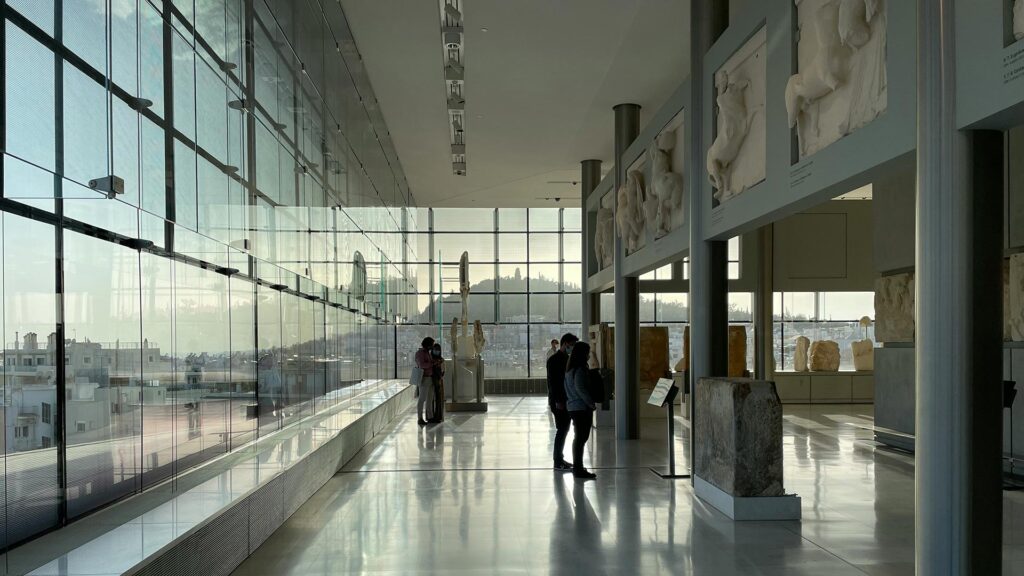
This museum in Athens reflects the soul of the famous Parthenon. It was specially built to house every artifact found on the rock of the Acropolis, and inside you’ll find more than 4,000 artifacts with the permanent collection showing everything from the Greek Bronze Age to Roman and Byzantine Athens.
It’s built on 100 concrete pillars to hover over an active archaeological site – and with glass floors you can see excavated streets and drainage systems of an ancient Athenian neighborhood below. The top floor, the Parthenon Gallery, is rotated 23 degrees to align exactly with the temple on the hill, allowing the natural Attic to hit the marbles exactly as it did 2,500 years ago.
7. Uffizi Gallery, Italy
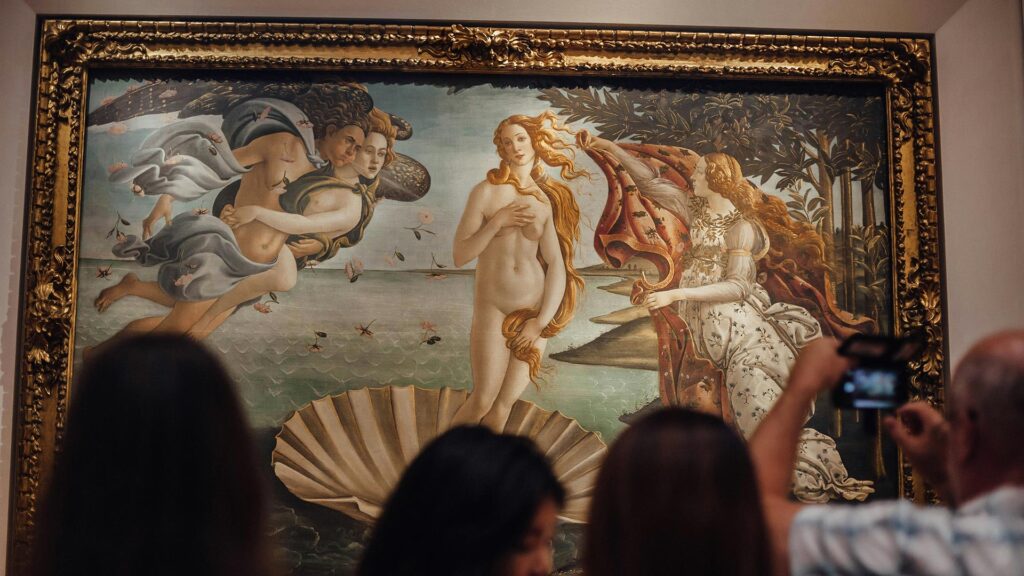
Step into the Uffizi and into the Renaissance. Once the administrative offices (or uffizi) for the powerful Medici family, it now holds the world’s most significant permanent collection of Italian Renaissance art.
There’s a lot to see, so you might like to head straight for the Botticelli rooms. While everyone knows The Birth of Venus, take a closer look at Primavera. Within this painting botanists have identified at least 500 individual plant species painted into the meadow with scientific accuracy.
8. Vasa Museum, Sweden
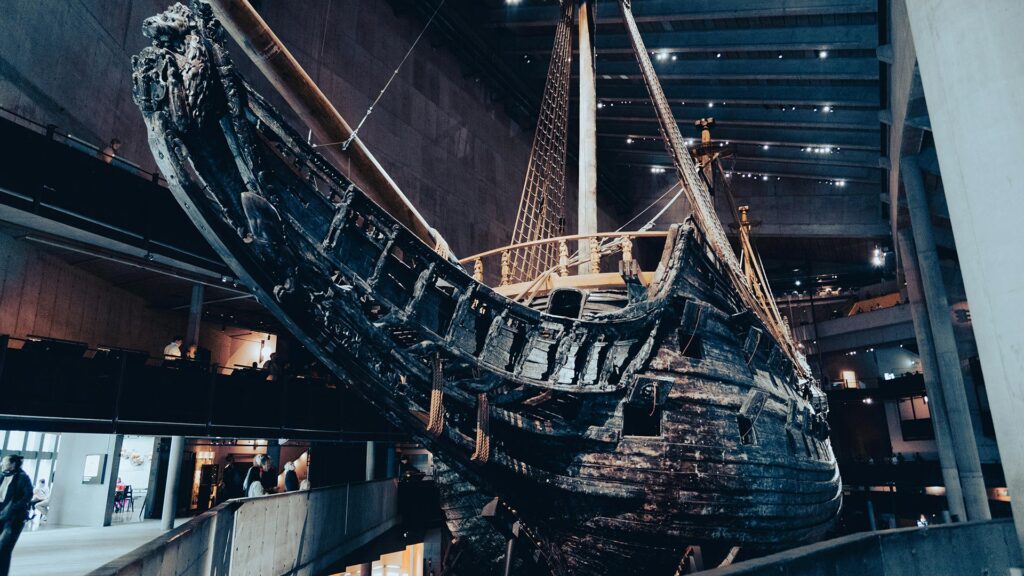
This museum in Stockholm is a beautiful tribute to human error. A highlight is seeing the world’s best-preserved 17th-century ship, which famously sank in 1628 just 1,300 meters into its maiden voyage because it was too top-heavy. It sat in the mud of Stockholm harbor for 333 years before being raised. Today, Vasa Museum is built around the hull and 98% of the ship is original, including the hundreds of hand-carved wooden sculptures designed to intimidate enemies.
READ MORE: The Best Cities to Spend Spring in Europe
9. Centre Pompidou, France
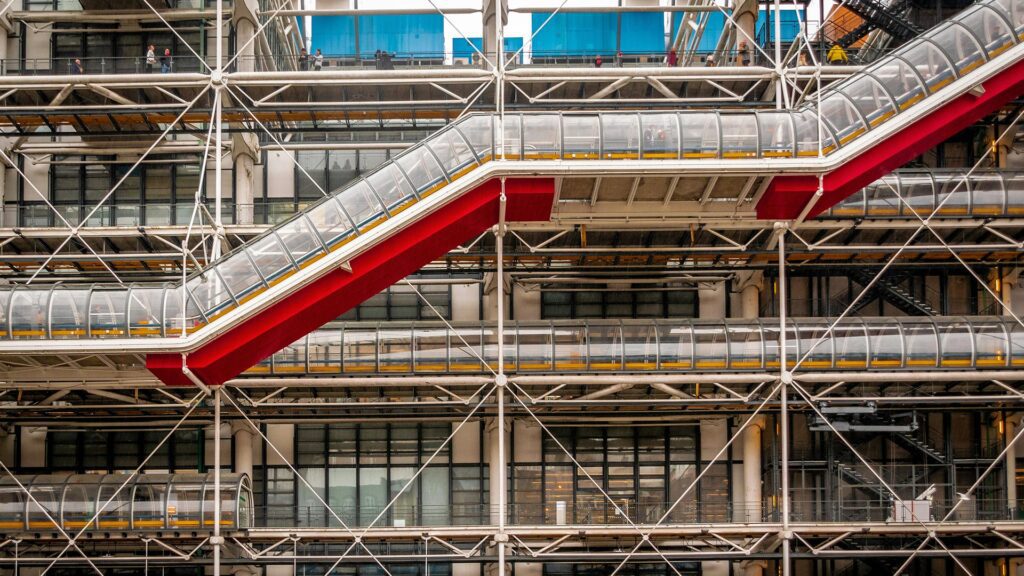
Think of Paris and you’ll think of its cream-colored stone buildings, slate rooftops and manicured gardens. Well, the Centre Pompidou isn’t that. The largest art museum for modern works in Europe is a controversial, avant-garde building designed inside-out. Ride up the elevators on the outside and watch Parisian rooftops come into view along with colorful pipes that give the building water, air and electricity.
As you’d expect, inside the art is challenging and sensory too with works by 20th-century artists like Duchamp, Matisse and Frida Kahlo. The Pompidou is closed for a major renovation, expecting to reopen in 2030.
10. The Victoria and Albert Museum (V&A), United Kingdom
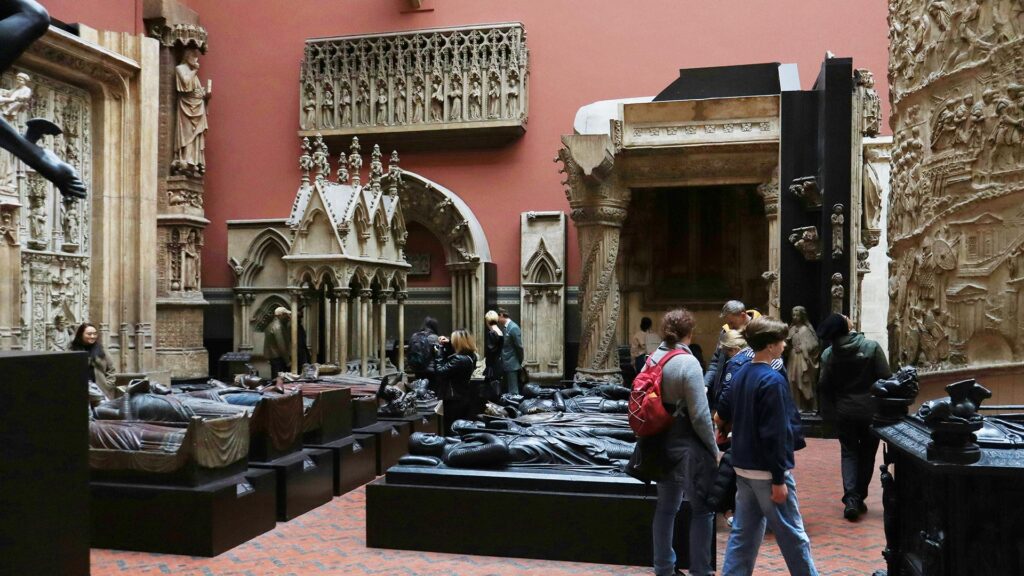
The V&A is the world’s leading museum of art and design, housing a permanent collection of 2.8 million objects – and proof that we humans have always been a bit extra. Here you’ll find 5,000 years of cool collectables and stuff, from ancient Iranian carpets to David Bowie’s original stage costumes.
A huge highlight is The Cast Courts, two soaring galleries that house enormous 19th-century plaster copies of Europe’s greatest monuments, including a full-scale replica of Trajan’s Column. Take a break at the William Morris Room – the world’s first museum café – and sit down with a pot of tea.
11. Museum of Broken Relationships, Croatia
A baroque palace in Zagreb has been transformed into a quirky museum, which won the prestigious Kenneth Hudson Award for Europe’s most innovative museum in 2011. Within, find the debris of failed human connections. Every object – from an old toaster to a prosthetic leg – was donated by a real person and is accompanied by a short, honest reflection of their lost love. Some stories are funny, some are gut-wrenchingly sad.
FAQs about the best museums in Europe
What are the best art museums in Europe?
Hit the Louvre for the classics, the Uffizi for Renaissance masterpieces or the Prado for Spanish masters. If you prefer design and fashion, the V&A is unbeatable. Beyond those, find Impressionists at the Musée d’Orsay in Paris inside a converted railway station, view the works of a troubled genius at Amsterdam’s Van Gogh Museum, or go to London’s Tate Modern for contrast to the classics.
What’s the biggest museum in Europe?
The Louvre in Paris takes the title. It’s the largest art museum on the planet, spanning a massive 360,000 m² (3,875,000 sq ft), with 70,000 m² (753,470 sq ft) of gallery space. To put that in perspective, it’s roughly the size of 13 American football fields to explore some 35,000 pieces on display. Wear your most reliable walking shoes!
That’s our list of the best museums in Europe if you’re planning a culture-packed vacation. Where are you excited to visit? Leave us a comment….