



The American West is full of some of the most iconic landscapes in the world, and draw visitors across the US and beyond. And Drew Walker, a Travel Director with Trafalgar, has spent the last decade traversing, studying, and guiding visitors through Yellowstone, Bryce Canyon, Grand Teton, Zion, Arches, Badlands, the Grand Canyon, Yosemite, and more. I wanted to know what it was like to witness these natural works of art over and over again, and how they offer far more than scenery for us. Drew talked to me about the National Parks’ presence, connection, and understanding why these treasures need us to protect them.
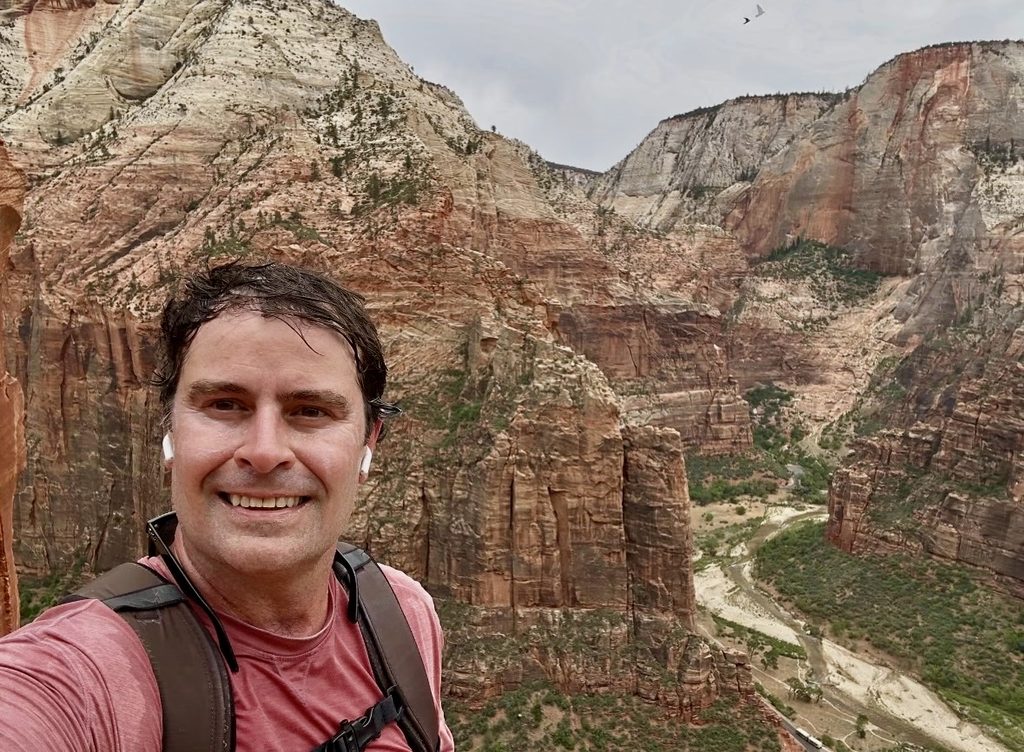
“My name is Drew Walker, and I am from Mississippi. I’ve been a Travel Director with Trafalgar for 10 years. Typically, I lead trips in the National Parks of the American West and in the Southeast USA.
Trafalgar visits so many of our incredible National Parks on trips throughout the American West. I lead trips in Yellowstone, Bryce Canyon, Grand Teton, Zion Canyon, Arches, Badlands, Grand Canyon, Yosemite, and other National Parks. It’s hard to pick a favorite because every park is so unique, but I guess I would choose Bryce Canyon. There’s no place like it on Earth.”
Related Content: 15 Best National Parks to Visit in the US
“You may only hear the wind rustle”
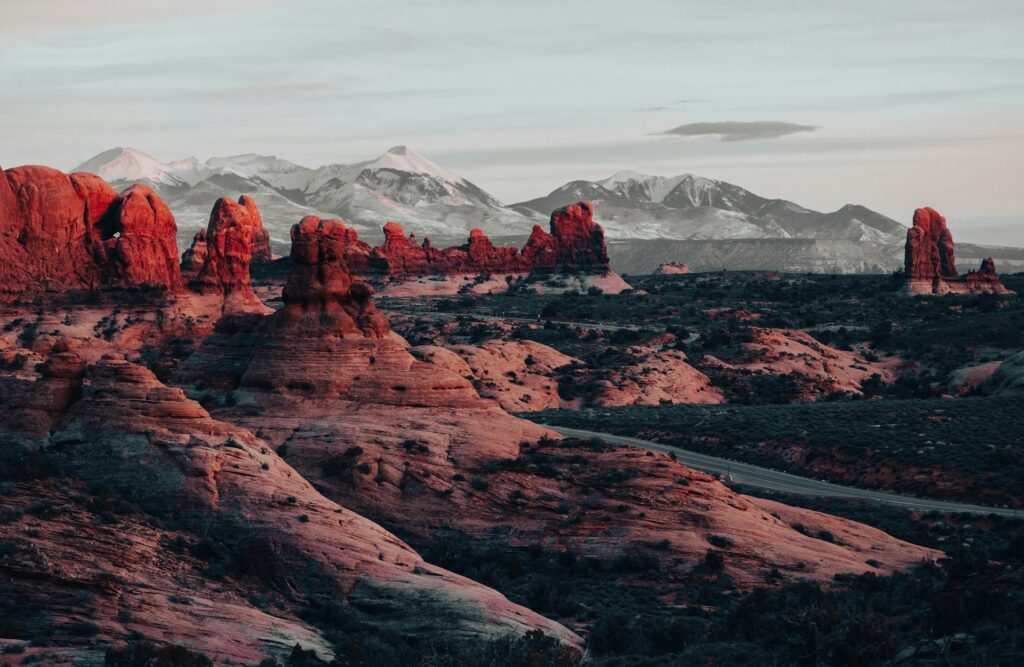
“To stand among the red sandstone monuments in Utah gives one a understanding of the wide-openness of the American West. For instance, in Canyonlands National Park or Arches you can see for miles and miles, from one mountain range to another. If you’re on a busy trail, you may hear a dozen different languages. If it is a quiet day, you may only hear the wind rustle some sage brush around or hear the distant caw of a raven. You’re smelling that aromatic sage and maybe the slight vanilla scent of ponderosa pine trees. You sense the energy of sunlight reflecting off the red rock.”
“The parks are treasures that should be handed down generation-to-generation. “
“I think that Trafalgar guests take away a deeper appreciation for our National Parks. They’re interested in visiting these places because maybe they have seen the scenery in western movies or photos/documentaries about the parks. So, expectations are already there that the scenery will be beautiful. Once they experience the parks, I hope they understand why it is important to protect the National Parks. The parks are treasures that should be handed down generation-to-generation.”
You may also like: Travel Diary: Journeying through USA National Parks
“The National Parks Service is special because not only protects these valuable sites, but it also educates visitors.”
“I’ve been fortunate to visit many National Parks outside of Utah with Trafalgar or on my own. I’d love to visit Glacier National Park. Trafalgar’s Secrets of the Rockies and Glacier National Park trip looks incredible!
My most memorable National Park visit was my first one: Yellowstone National Park. My parents and grandparents took my sister and I there when I was 12. It’s special for me to see families traveling together to see Yellowstone for their first time. Brings back great memories.”
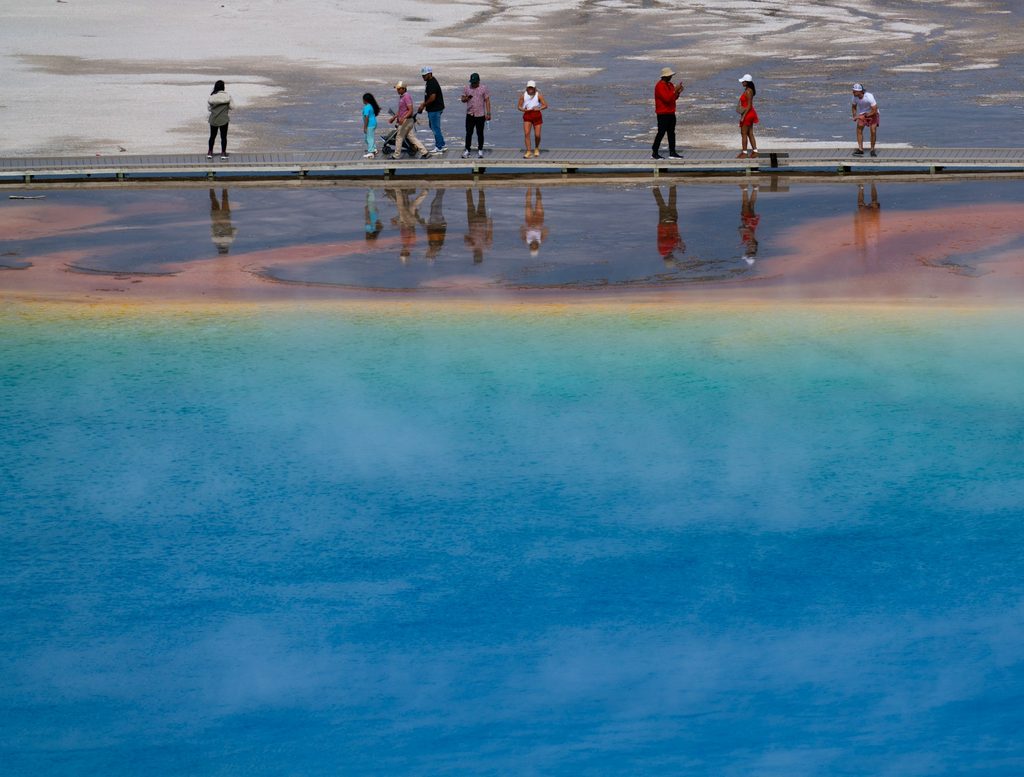
“What I love most about working within and around the National Parks, specifically in Utah, is the opportunity to hike trails through awe inspiring landscapes. It’s so rewarding to hear Trafalgar guests tell me that they loved a trail I suggested.
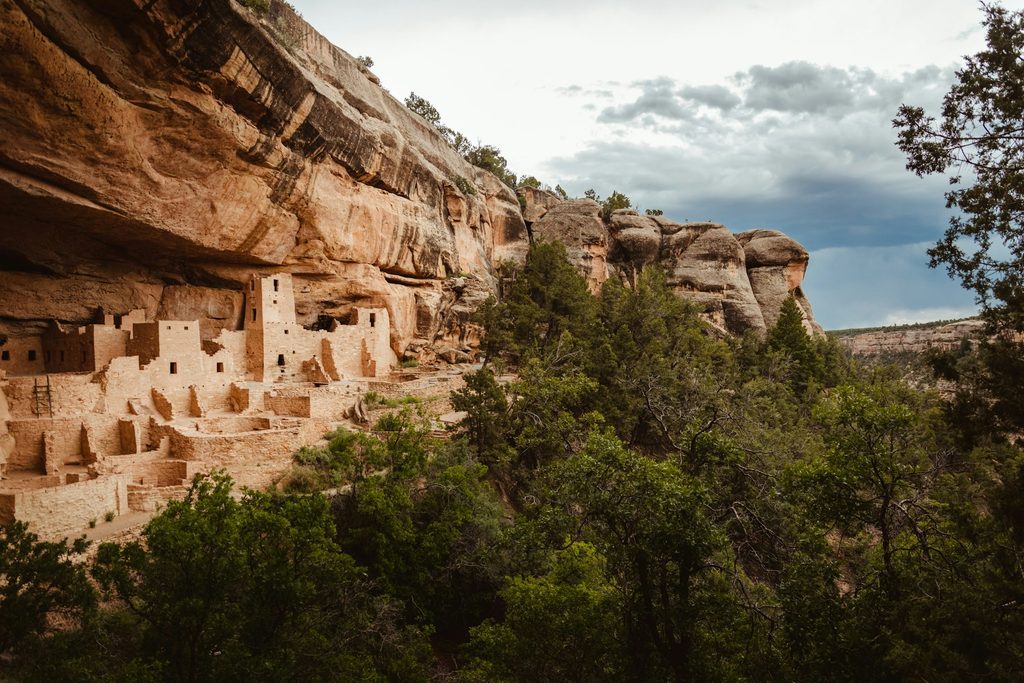
The National Park Service is special because not only protects these valuable sites, but it also educates visitors. The National Park Service does more than protect gorgeous places and rare animals. It also protects valuable archaeological and historical resources like Mesa Verde National Park in Colorado.”
America’s National Parks carry centuries of geological, cultural, and historical weight. These places are inheritances, meant to pass down from each generation of Americans to the next. But that only happens if people understand what they’re protecting. When you stand among the red rock, hear multiple languages on a trail, smell the sage and sense the scale of geological time, the parks stop being scenery and become something you’re responsible for. That’s why your visit matters; that’s how stewardship begins.