

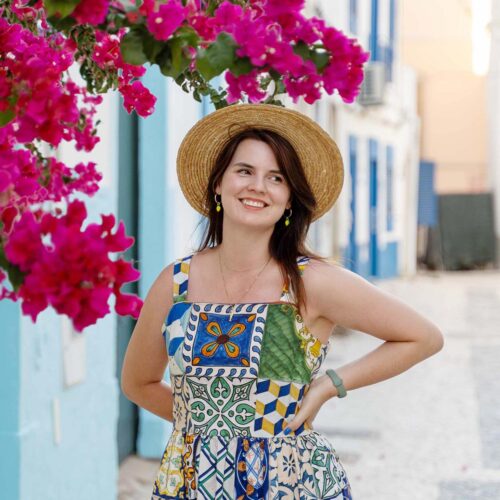

While so many of us start the day with a kick of caffeine, what coffee culture looks like around the world differs. In North America, coffee is essential fuel – often a 20oz cardboard cup loaded with sugar for your daily commute. In Europe, the morning cuppa is often more social and rarely to-go.
Whether you’re standing at a bar in Rome or tucked into a velvet booth in Vienna, Europe’s coffee culture is as much about where and who you’re with as it is about the caffeine. Let’s dive into eight curious caffeinated customs to help you navigate the continent without looking like a confused tourist.
What is coffee culture?
Coffee culture is the set of social traditions and rituals that surround the consumption of coffee. In Europe, it’s less about a quick caffeine fix and more about enjoying a comfortable third place between work and home. Coffee culture encompasses everything from the standing espresso bars of Rome to the UNESCO-listed coffee houses of Vienna.
READ NEXT: 5 different ways people enjoy their coffee around the world
The Italian standing tax in Rome
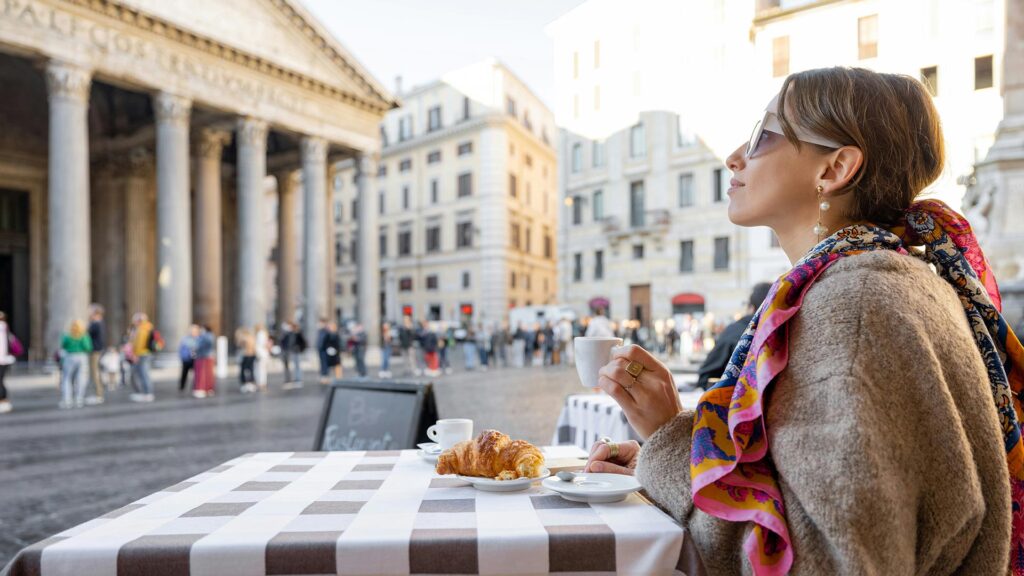
Italy and espresso bars go hand-in-hand but did you know there’s a sliding scale for your daily caffeine hit? Yes, there is often a literal price difference between standing and sitting (banco vs tavolo on the menu). If you drink your cup of coffee at the bar, it’s a quick, high-speed transaction – and usually you’ll expect to pay around €1.20. But the moment your bottom hits a chair that fee can triple in price.
This isn’t a tourist trap. It’s a service fee and the reason why you’ll see the locals squeezed up along the bar. So do as the Romans do! Some places you’ll pay at the till first, take your receipt to the barista and down your espresso or latte standing up.
Vienna’s UNESCO World Heritage coffee houses
Viennese coffee houses are so important to the city’s soul that they’ve been named a UNESCO World Heritage badge as a slice of intangible culture. The first coffee house dates back to 17th century, though women were only allowed to enter from 1856.
These third spaces were places where writers and thinkers once spent all day for the price of one glass of filter coffee. There are still a handful of very traditional coffee houses in Vienna – filled with marble tables, bentwood chairs and an unhurried pace. Your waiter will bring a glass of water with your order and you can sit and read the newspaper for as long as you please.
Milk has a curfew, from Paris to Florence
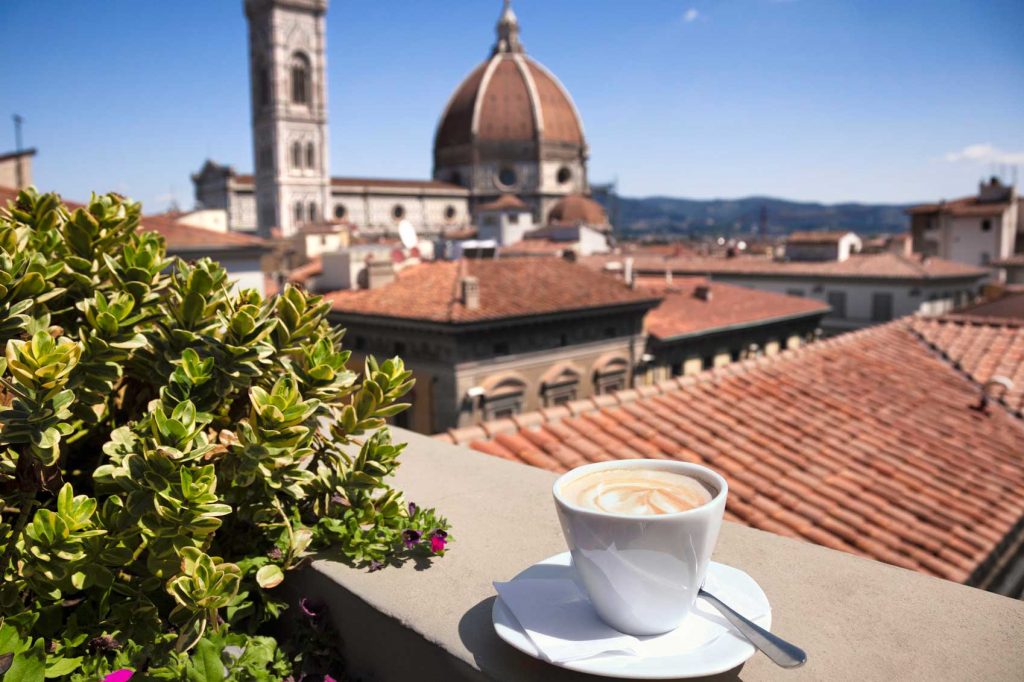
While the café au lait is a French morning ritual (often served in a wide bowl so you can dunk a buttery croissant) you should watch the clock. In Italy, Spain and France, ordering a milky latte or cappuccino after a meal is a serious faux pas.
Europeans generally believe hot milk wreaks havoc on digestion after a heavy lunch or dinner. If you’re drinking coffee in the afternoon, transition to a sharp, clean espresso or a macchiato (with a dash of milk). Sure, you won’t be refused a milk coffee in the afternoon, but your waiter will judge you.
Greece’s iced frappé was invented by accident

Forget hot brews when you hit the Mediterranean. In Greece, the frappé – a coffee drink made from instant coffee, water and sugar shaken into a thick foam – was invented by accident at a 1957 trade fair. Now it has spread across the nation – joined by the freddo espresso – as a popular summer drink. Look for a straw and a layer of foam, and kick back knowing you’re doing Greece like the locals.
Finland drinks the most coffee on Earth
Data from the International Coffee Organization (ICO) shows Finland tops charts for the highest coffee consumption per capita on earth. The Finnish each consume around 12 kg of coffee each year, putting them in first place just above their highly caffeinated Scandinavian neighbours.
Finnish coffee breaks (kahvitauko) are so ingrained in the culture that they are even protected by collective bargaining agreements. You’re more like to find filter coffee over espresso here – lightly roasted, high in acid.
READ NEXT: Inside Melbourne’s coffee culture (and its hot spots)
Never drink the last sip of Turkish coffee

To truly understand European coffee culture look east. In Greece, Turkey and the Balkans, the tradition of Turkish-style coffee continues. Your brew is prepared in a small copper pot and the coffee is boiled (sometimes over hot sand) with sugar and served unfiltered.
It’s thick, potent and demands you to slow down. If you drink it too fast, the grinds won’t have settled to the bottom. And you don’t want to drink the last murky sip. Instead, flip the cup onto the saucer, let the grounds dry and have a local read your fortune in the patterns left behind…
READ NEXT: 7 of the cutest cafés in Luxembourg City
Find a caffeinated time warp in every big European city
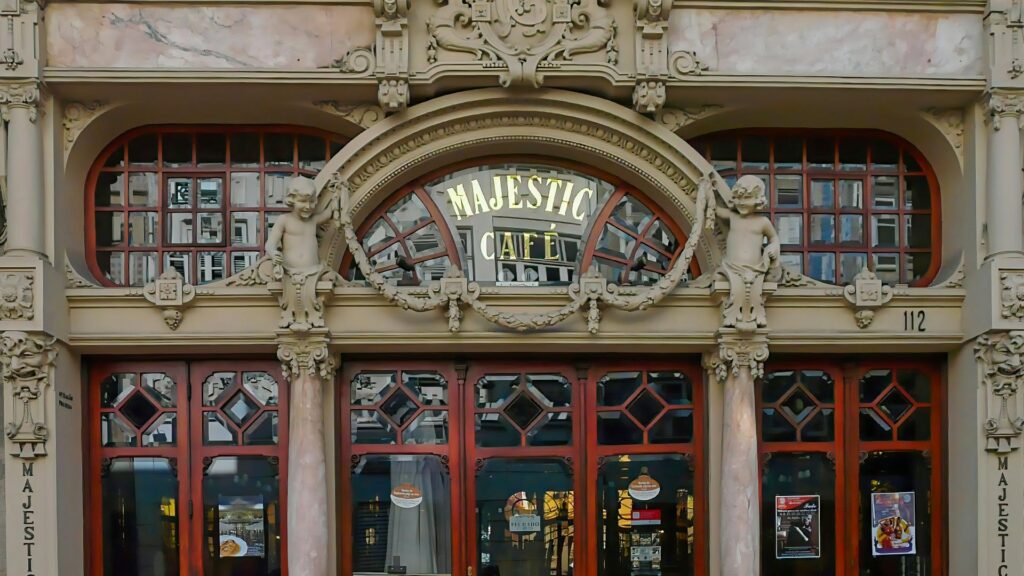
For the ultimate history hit, seek out old-world Europe via its living coffeeshops. Head to Porto’s Café Majestic, where Belle Époque mirrors and brass details have witnessed a century of literary debates. In Vienna, the coffee houses are UNESCO World Heritage sites. Budapest offers the New York Café – a gilded, frescoed cathedral of café culture. In Amsterdam, enter the 17th-century Café Papeneiland.
Don’t ask for takeaway coffee
If you try to order a coffee to-go in Croatia or other European countries you might not be understood. The concept of a quick coffee doesn’t exist in the Balkans. Locals use a single espresso as a legal permit to occupy a terrace table for three hours of gossip and people-watching. Asking for it takeaway defeats the point of getting coffee at all!
The world won’t end if you put your phone down and just exist for a while. Lean into to the local coffee culture and relax, you’re on vacation after all.
READ NEXT: Vilnius restaurants and cafés to uncover on your next trip
That’s our list of cool things you didn’t know about European coffee culture. Anything else we should add to our list….? Leave a comment.