



Recently updated on January 6th, 2026 at 01:04 pm
If you learn just one word before a trip, make it “hello.” It’s tiny, but it opens doors, softens strangers, and shows you’re trying. You’ll never truly master how to say hello in every language, but you can absolutely nail a bunch of the big ones (and a few useful extras).
1. Spanish – ¡Hola!
Spanish is the doorway to half a continent: you’ll hear “Hola” from tapas bars in Madrid to market stalls in Mexico City. Start in Spanish and people are often much happier to slow down, smile and help you.
Key greetings:
- Hola – OH-lah – hello (all-purpose).
- Buenos días – BWEH-nos DEE-as – good morning.
- Buenas tardes – BWEH-nas TAR-des – good afternoon/evening (until sunset).
- Buenas noches – BWEH-nas NOH-chess – good evening / good night.

2. French – Bonjour
In French, the word for hello is “Bonjour”, which means ‘good day’. This’ll come in handy as 25% of the world’s countries speak French, including Belgium, much of Africa, and parts of Switzerland and Canada.
Key greetings:
- Bonjour – bon-ZHOOR – hello / good day (use until evening).
- Bonsoir – bon-SWAHR – good evening.
- Salut – sa-LOO – hi (informal, for friends).
How to use it:
In shops, cafés and hotels, always start with “Bonjour” before anything else.
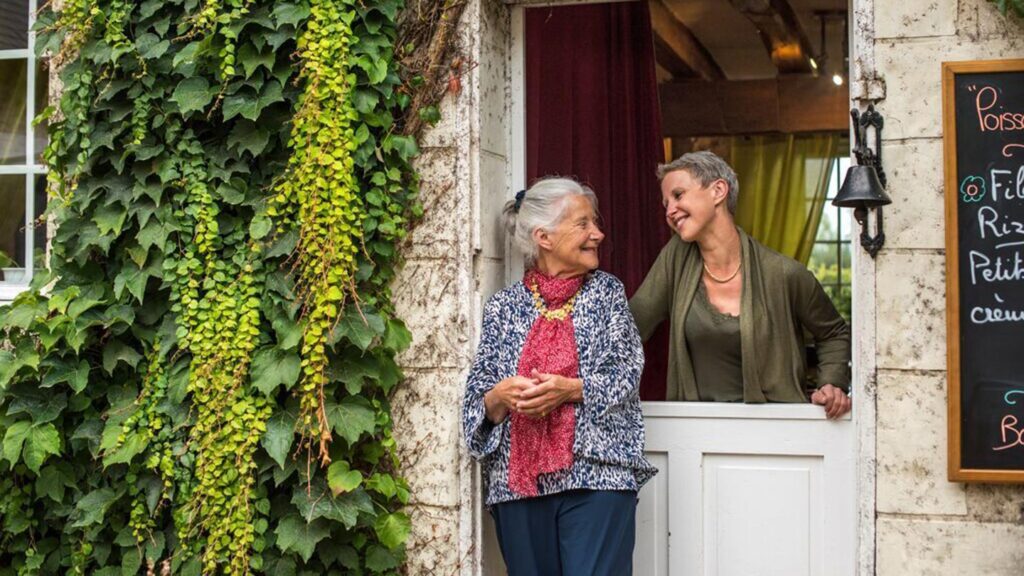
3. Italian – Ciao and Buongiorno
Italians greet with a lot of warmth, but they’re quite tuned in to formality. A well-timed “Buongiorno” will get you instant points, and you’ll often find locals switching to “Ciao” once they’ve decided you’re practically family.
Key greetings:
- Ciao – CHOW – hi / bye (informal).
- Buongiorno – bwon-JOR-no – good morning / good day.
- Buonasera – bwo-na-SEH-ra – good evening.
- Salve – SAL-veh – neutral, polite “hello”.
How to use it:
Use “Buongiorno” with staff, older people and in any formal setting. “Ciao” is for friends, guides you’ve warmed up to, or more relaxed moments.
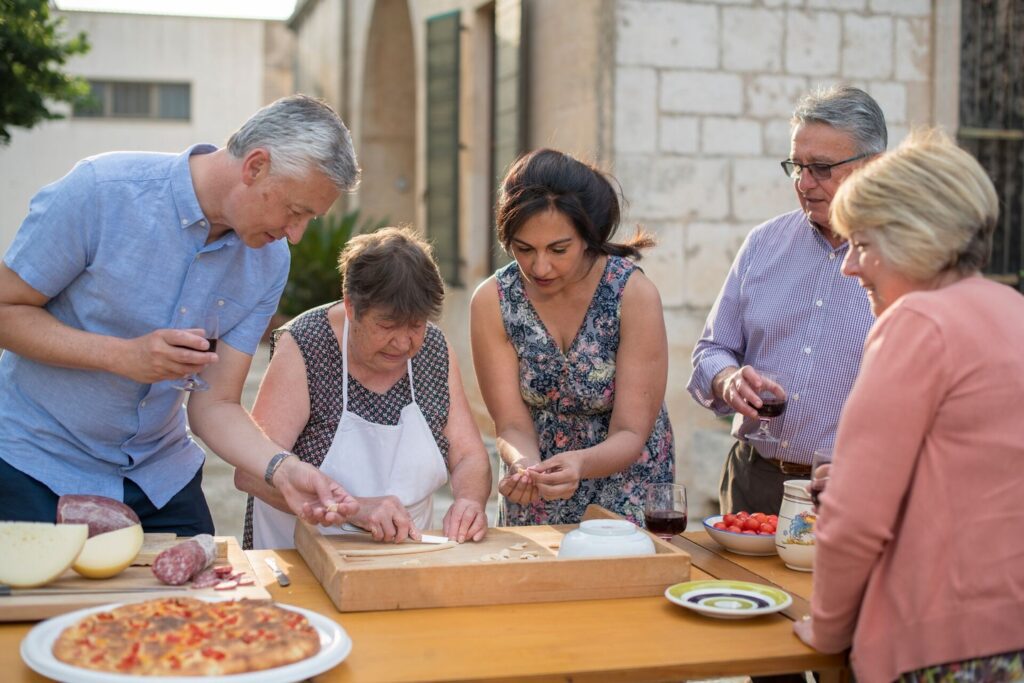
4. German – Guten Tag
German greetings sound formal on paper, but day-to-day they’re straightforward and friendly. A clear “Guten Tag” when you walk in somewhere signals respect and usually earns you an efficient, no-nonsense welcome.
Key greetings:
- Hallo – HAH-lo – hello (all-purpose).
- Guten Morgen – GOO-ten MOR-gen – good morning.
- Guten Tag – GOO-ten TAHK – good day.
- Guten Abend – GOO-ten AH-bent – good evening.
- How to use it:
- You can’t really go wrong with “Hallo” or “Guten Tag” when you walk into a shop or restaurant.

5. How to say hello in Mandarin – 你好 (Nǐ hǎo)
In Mandarin-speaking places, most visitors stick to English, so even a simple “Nǐ hǎo” stands out. It shows you’ve made an effort with a famously tricky language, which locals tend to appreciate more than perfect tones.
Key greetings:
- 你好 (nǐ hǎo) – nee how – hello (to one person).
- 你们好 (nǐmen hǎo) – nee-men how – hello (to several people).
- 您好 (nín hǎo) – neen how – polite, respectful hello (to elders, formal situations).
How to use it:
A simple smile and “Nǐ hǎo” goes a long way. Don’t stress tones too much as a beginner; intention and warmth matter more than perfection.

6. How to say hello in Turkish – Merhaba
Turkey is famous for its hospitality, and a friendly “Merhaba” taps straight into that. In bazaars and family-run restaurants, starting in Turkish often softens the sales pitch and turns it into a genuine chat.
Key greetings:
- Merhaba – MEHR-hah-bah – hello (universal).
- Günaydın – goo-NIGH-dun – good morning.
- İyi akşamlar – ee AK-sham-lar – good evening.
- Selam – seh-LAM – hi (informal, like “hey”).
- How to use it:
- “Merhaba” works absolutely everywhere – in shops, markets, and when you meet your guide. Pair it with a small nod or smile.
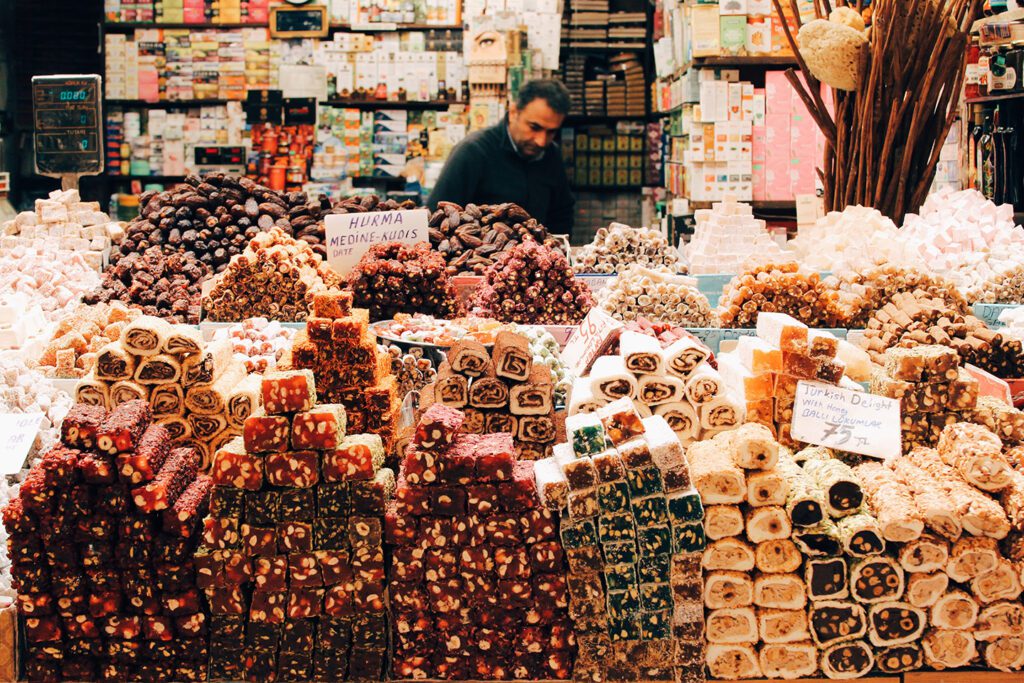
7. How to say hello in Polish – Cześć and Dzień dobry
Polish has a reputation for tongue-twisting words, so a confident “Dzień dobry” is a pleasant surprise. You’ll hear it everywhere from tram conductors to grandmothers at the bakery, and using it instantly makes you feel less like a tourist.
Key greetings:
- Cześć – chesh-ch – hi (informal).
- Dzień dobry – jen DOH-bri – good day (formal, very common).
- Dobry wieczór – DOH-bri VYEH-choor – good evening.
How to use it:
Use “Dzień dobry” with staff, older people and in any formal setting. With new friends or younger people, “Cześć” is relaxed and friendly.
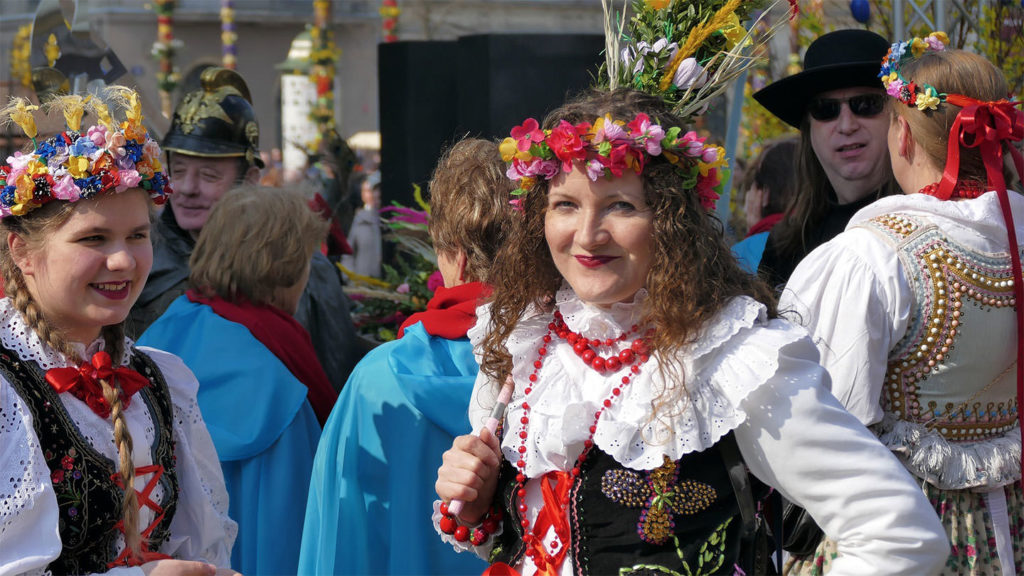
8. How to say hello in Hebrew – Shalom
“Shalom” is more than hello in Hebrew – it also means peace and wholeness. In Israel you’ll hear it between friends, on the phone and even at synagogue, so using it connects you straight into everyday life.
Key greetings:
- שלום (shalom) – sha-LOHM – hello / goodbye / peace.
- בוקר טוב (boker tov) – BO-ker TOV – good morning.
- ערב טוב (erev tov) – EH-rev TOV – good evening.
How to use it:
You can open almost any interaction with “Shalom” – it’s warm and respectful. Follow with “boker tov” or “erev tov” if you want to match the time of day.

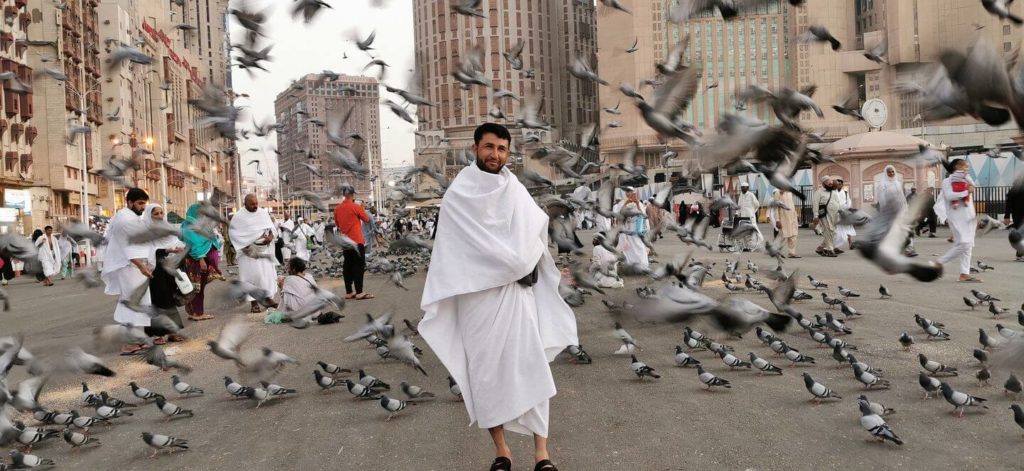
9. Arabic – As-salāmu ʿalaykum
Across the Arabic-speaking world, greetings can be a small ritual of warmth and respect. Even if you keep it simple with “Marhaba”, recognising “As-salāmu ʿalaykum” and its reply shows you understand a core piece of the culture.
Key greetings:
- السلام عليكم (as-salāmu ʿalaykum) – as-sa-LA-mu a-LAY-kum – peace be upon you.
- وعليكم السلام (wa ʿalaykum as-salām) – wa a-LAY-kum as-sa-LAAM – response: and upon you be peace.
- مرحبا (marḥaba) – MAR-ha-ba – hello (very common).
How to use it:
If you’re unsure, “Marhaba” is simple and friendly. If someone greets you with “As-salāmu ʿalaykum”, reply with “Wa ʿalaykum as-salām”.
10. Japanese – polite hellos
In Japan, greeting is almost a mini performance of politeness: tone, bow and timing all matter. Visitors aren’t expected to get it perfect, but pairing a gentle bow with “Konnichiwa” is an easy way to show you’re trying.
Key greetings:
- こんにちは (konnichiwa) – kon-nee-chee-wah – hello / good afternoon.
- おはようございます (ohayō gozaimasu) – oh-ha-YOH go-zai-mas – good morning (polite).
- こんばんは (konbanwa) – kon-ban-wah – good evening.
How to use it:
A small bow plus “Konnichiwa” is a very safe, polite greeting with hotel staff, shopkeepers and guides.

11. Hindi – Namaste and Namaskar
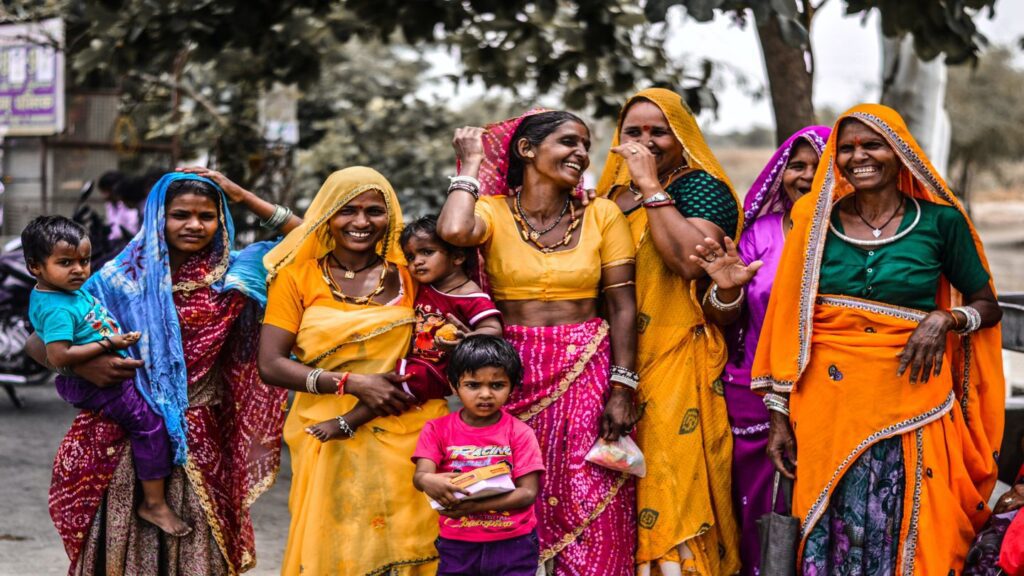
“Namaste” has travelled the world via yoga studios, but in northern India it’s still a very real, everyday greeting. Add the small hand gesture and people instantly see you’re meeting them with respect, not just tourism.
Key greetings:
- नमस्ते (namaste) – na-MAS-tay – hello / greeting.
- नमस्कार (namaskār) – na-mas-KAR – slightly more formal version.
How to use it:
Bring your palms together at your chest, fingers pointing upwards, and say “Namaste” with a small nod. It’s respectful across ages and settings.
12. Swahili – Jambo and Habari
In East Africa, greetings often come before any business – it’s polite to connect first, ask later. You might start with the touristy “Jambo”, then hear locals switch you to “Habari?” or “Mambo?” once you’re in on the joke.
Key greetings:
- Jambo – JAM-bo – hello (touristy but understood).
- Habari – ha-BAH-ri – literally “news?”; used like “How are you?”
- Mambo – MAM-bo – very informal, “How’s it going?” (often answered with “Poa” – cool/okay).
How to use it:
You’ll hear “Jambo!” a lot in touristy areas, but locals often use “Habari?” or “Mambo?”. Any attempt is appreciated.

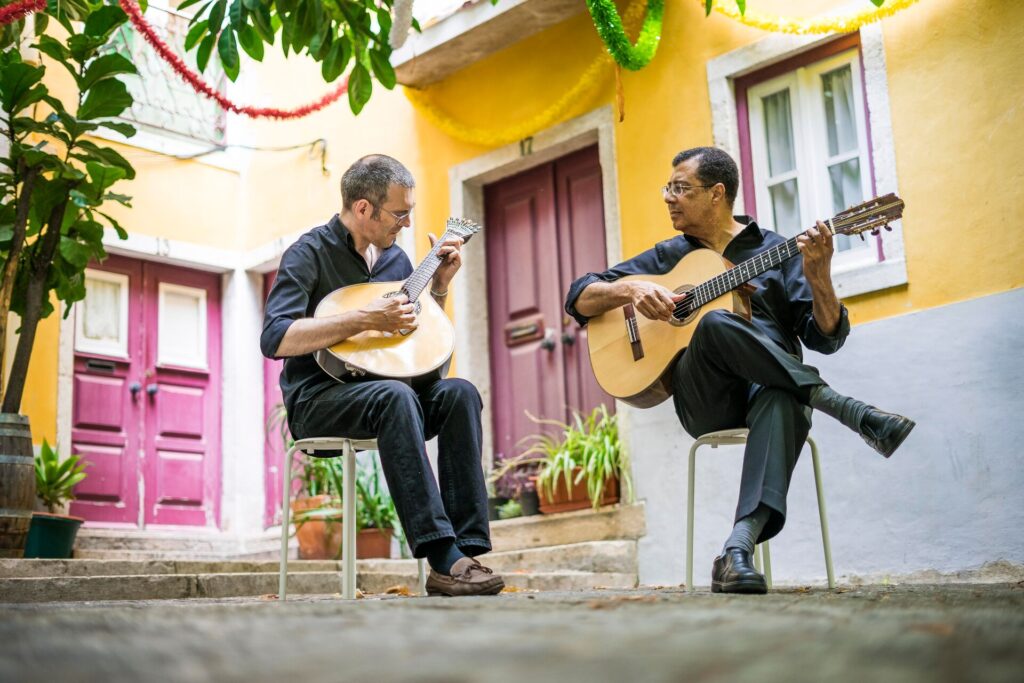
13. Portuguese – Olá in Portugal and Brazil
Portuguese sounds musical even when you’re just saying “Olá.” In Portugal it tends to be a little softer and more laid-back; in Brazil, greetings often come with big smiles and a lot of warmth.
- Olá – oh-LAH – hello
- Bom dia – bom DEE-ah – good morning
- Boa tarde – BO-ah TAR-gee – good afternoon
- Boa noite – BO-ah NOY-chee – good evening / good night
In more relaxed moments you might also hear “Oi!” (Brazil) – a very casual “hi”.
14. Russian – Здравствуйте and Привет
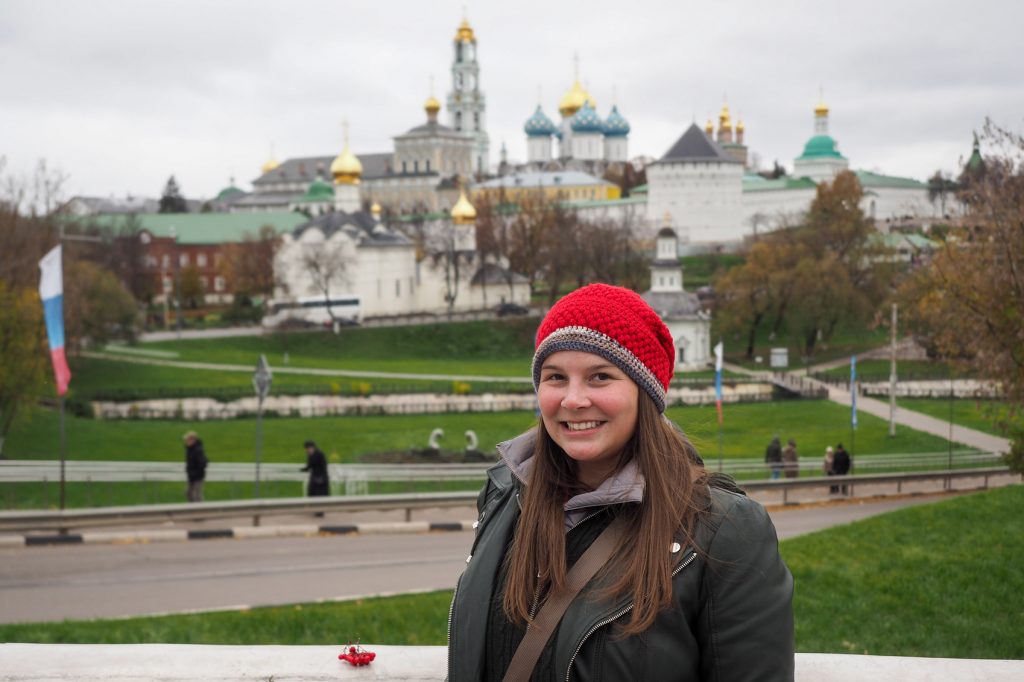
Russian greetings can sound serious, but the contrast with the more playful “Привет” is half the charm. Mastering “Здравствуйте” is like levelling up – Russians know it’s not an easy word, so they respect the effort.
- Здравствуйте (Zdravstvuyte) – ZDRAST-vooy-tyeh – formal hello
- Привет (Privet) – pree-VYET – hi (informal)
When you’re not sure, go for “Здравствуйте” (Zdravstvuyte) – even a slightly mangled version is appreciated.
15. Korean – Annyeonghaseyo
Modern Korean is full of English loanwords, but the greeting ritual is still very Korean. A polite “Annyeonghaseyo” with a tiny bow fits in perfectly whether you’re in a Seoul café or a countryside guesthouse.
- 안녕하세요 (annyeonghaseyo) – an-nyong HA-say-yo – polite hello
- 안녕 (annyeong) – an-nyong – hi / bye (informal)
Stick with “Annyeonghaseyo” unless you’re with close friends.
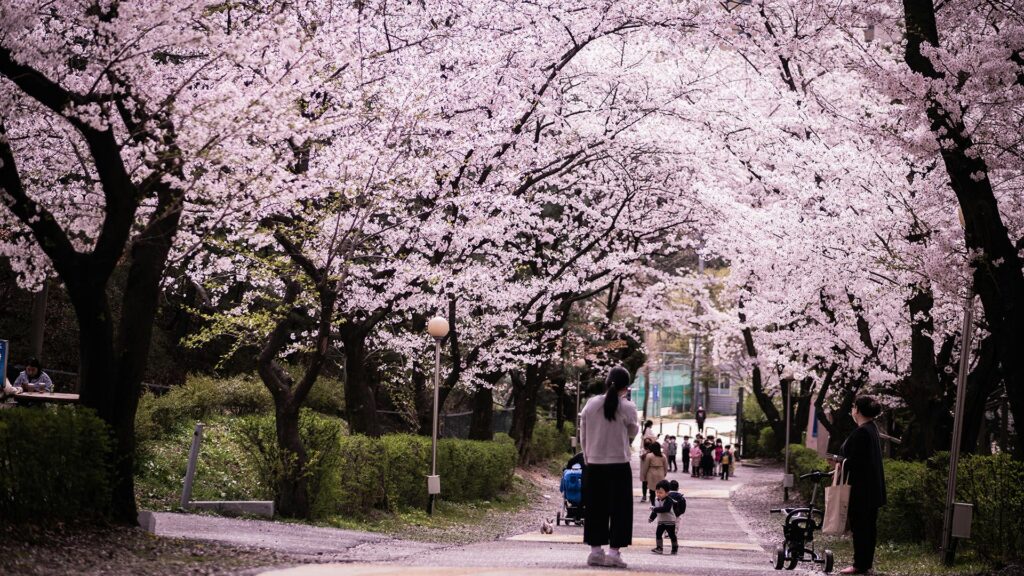
16. Greek – Γεια σου / Γεια σας (Ya sou / Ya sas)
In Greece, greetings often blend into hospitality, especially in small villages. A simple “Ya sas” can be the first step to being offered directions, a chair, or even a small plate of something homemade.
- Γεια σου (ya sou) – hi (informal, one person)
- Γεια σας (ya sas) – hello (polite or plural)
- Καλημέρα (kaliméra) – ka-lee-ME-ra – good morning
- Καλησπέρα (kalispéra) – ka-lees-PE-ra – good afternoon/evening
“Ya sas” is a safe, polite greeting with anyone you don’t know well.
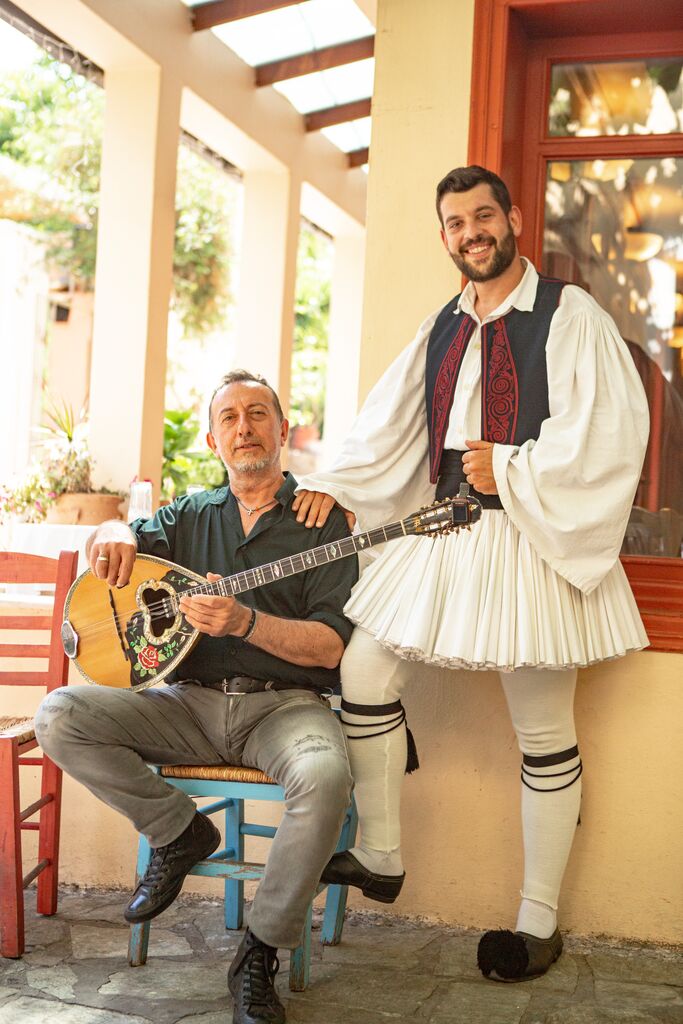
17. Thai – Sawatdee
Thai greetings bundle politeness, warmth and a touch of ceremony into one move. Pairing “Sawatdee kha / krap” with the wai gesture signals you’re not just here for the beaches – you’re interested in the people too.
- สวัสดีค่ะ (sawatdee kha) – sa-wat-DEE ka – hello (women speaking)
- สวัสดีครับ (sawatdee krap) – sa-wat-DEE krap – hello (men speaking)
Add a small wai (palms together at chest) for extra respect.

18. Dutch – Hallo & Goedendag
The Dutch are famously direct, but they still appreciate a good “Hallo” or “Goedemorgen.” Many will switch to flawless English immediately, and a Dutch hello often kicks off a surprisingly honest conversation.
- Hallo – HAH-lo – hello
- Hoi – HOY – hi (informal)
- Goedemorgen – KHU-de-mor-ghen – good morning
- Goedendag – KHU-de-dach – good day
Most Dutch people speak excellent English, but they love to see visitors try.

19. Indonesian – Halo & Selamat pagi
In Indonesia, you’ll often hear a chorus of greetings as you wander through villages and markets. Returning those with a friendly “Halo” or “Selamat pagi” turns curious stares into relaxed, welcoming smiles.
- Halo – HA-lo – hello
- Selamat pagi – s’LAH-mat PAH-gee – good morning
- Selamat siang – SEE-ang – late morning / early afternoon hello
- Selamat malam – MA-lam – good evening / good night
A simple “Halo” plus a smile works everywhere.
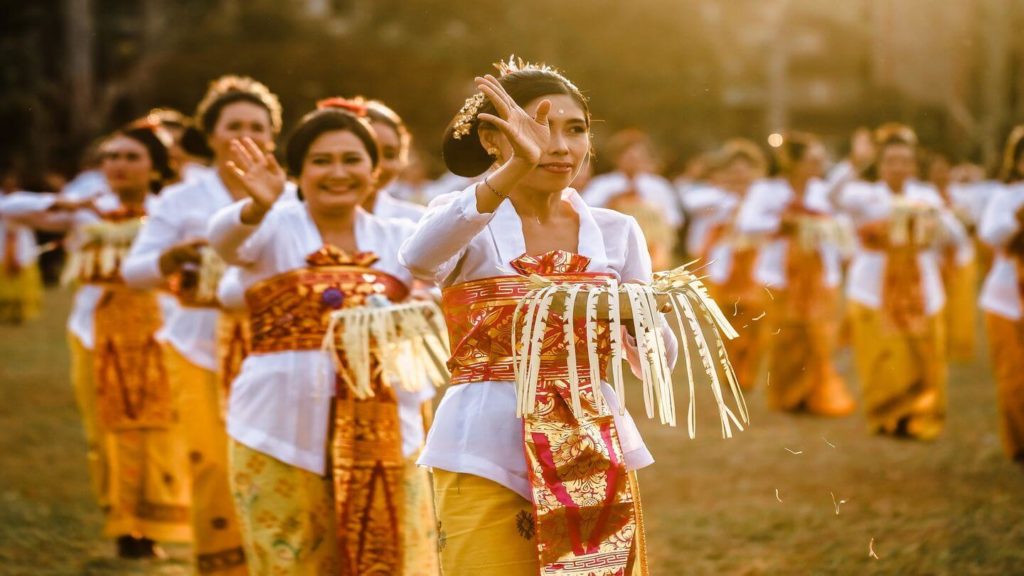
20. Vietnamese – Xin chào
In Vietnam, a friendly hello can dissolve a lot of shyness, especially outside big cities. Even if the conversation switches to English, opening with “Xin chào” shows you see your host as a person, not just part of the scenery.
Key greetings:
- Xin chào – sin chow – polite, all-purpose hello
- Chào buổi sáng – chow boo-oy sang – good morning
- Chào buổi tối – chow boo-oy toy – good evening
You can’t go wrong opening any interaction with “Xin chào” and a smile.
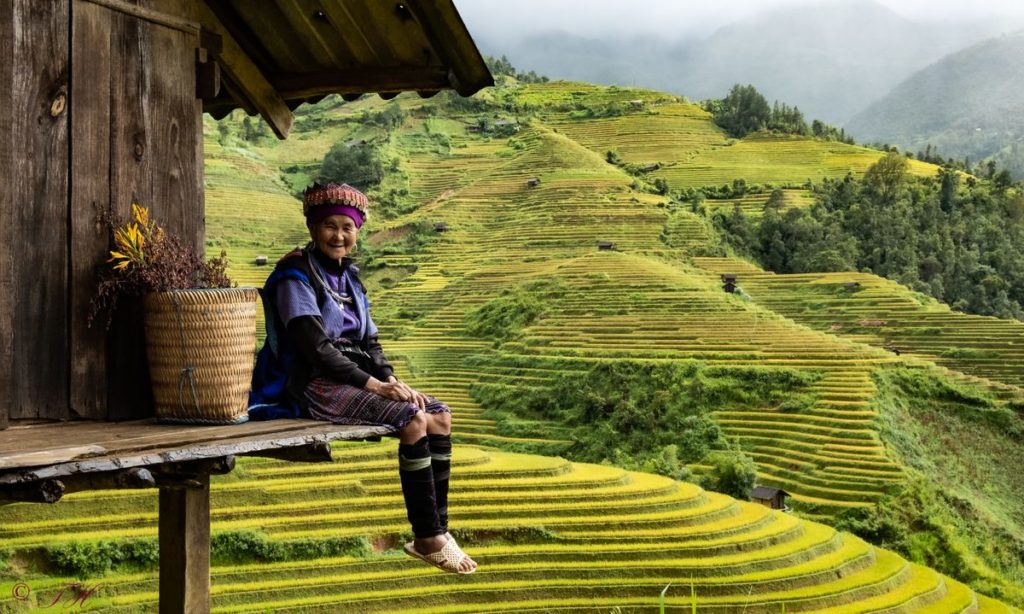
You may also like: 14 best places to visit in Vietnam
21. Persian (Farsi) – Salam
If you want to learn how to say hello in every language, you can’t forget about one of the most ancient and poetic languages in the world. Persian is famous for its literary quality, but everyday greetings are simple and warm. A soft “Salam” can lead straight into tea, questions about where you’re from, and a lot of genuine curiosity.
Key greetings:
- سلام (salam) – sa-LAAM – hello / hi
- صبح بخیر (sobh bekheyr) – sob be-KHEIR – good morning
- عصر بخیر (asr bekheyr) – asr be-KHEIR – good afternoon / evening
“Salam” is friendly, neutral and works almost everywhere.

22. Malay – Hai & Selamat pagi
In Malaysia, multilingual greetings are normal – people glide between Malay, English and Chinese without blinking. Starting with “Hai” or “Selamat pagi” is an easy way to meet them halfway.
Key greetings:
- Hai – hi – hi / hello
- Selamat pagi – s’LAH-mat PAH-gee – good morning
- Selamat petang – s’LAH-mat pe-TANG – good afternoon
- Selamat malam – s’LAH-mat MA-lam – good evening / night
A cheerful “Hai” works in shops, cafés and hotels alike.
23. Filipino (Tagalog) – Kamusta
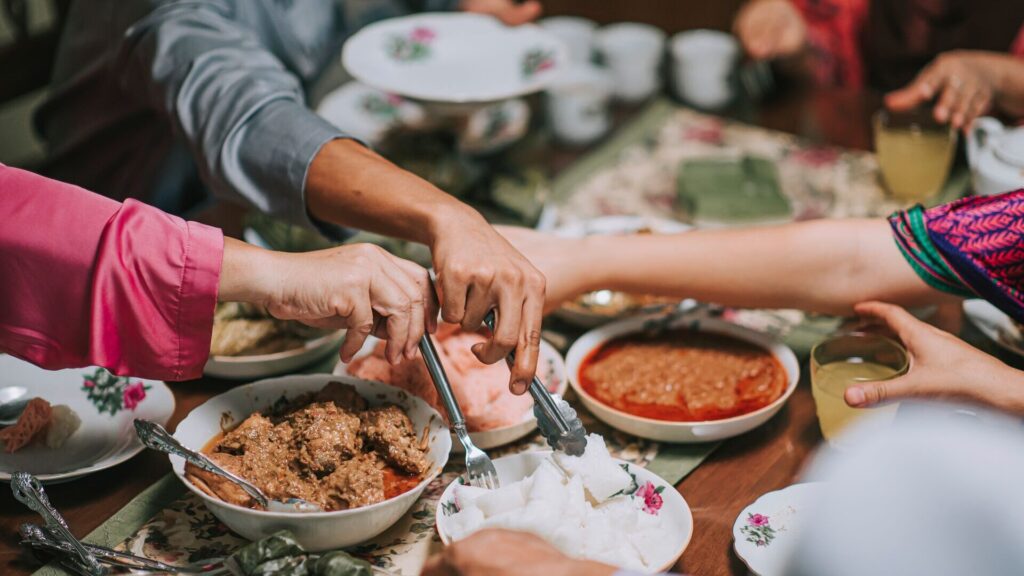
The Philippines has a strong “friends first” vibe, and greetings reflect that. “Kamusta?” doubles as both hello and “how are you?”, and is often the start of a cheerful chat rather than a quick formality.
Key greetings:
- Kamusta / Kumusta – ka-MOOS-ta – hi / how are you?
- Magandang umaga – ma-gan-DANG oo-MA-ga – good morning
- Magandang gabi – ma-gan-DANG ga-BEE – good evening
You’ll often hear English too, but “Kamusta?” instantly breaks the ice.

24. Ukrainian – Pryvit & Dobryi den
Ukraine has a resilient, proud culture, and language is a big part of that identity. Using “Dobryi den” instead of English is a small but powerful way to show you see and respect that.
Key greetings:
- Привіт (Pryvit) – pri-VEET – hi (informal)
- Добрий день (Dobryi den) – DOB-ryi den – good day / hello (polite)
Use “Dobryi den” in shops and formal settings, “Pryvit” with friends.

25. Swedish – Hej
Swedes are famously reserved, but “Hej” is wonderfully easy and low-key. It works in almost every situation, and once you’ve exchanged a few “Hej, hej!” you’ll often find the conversation opens up.
Key greetings:
- Hej – hay – hi / hello
- God morgon – goo MOR-on – good morning
- God kväll – goo kvell – good evening
Swedes switch to English quickly, but starting with “Hej” always gets a smile.
26. Norwegian – Hei
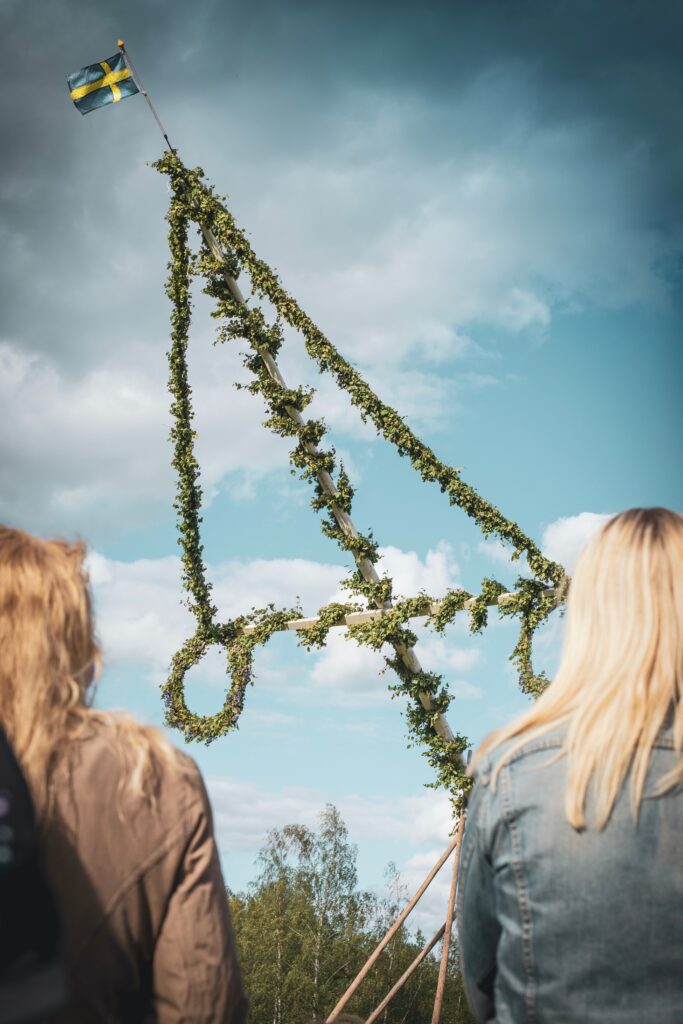
Norwegians value calm and personal space, so greetings tend to be relaxed rather than effusive. A simple “Hei” matched to the other person’s tone fits perfectly whether you’re in Oslo or a fjord village.
Key greetings:
- Hei – hi – hi / hello
- God morgen – goo MOR-gen – good morning
- God kveld – goo kvell – good evening
A simple “Hei” and eye contact is all you need in most situations.
27. Danish – Hej
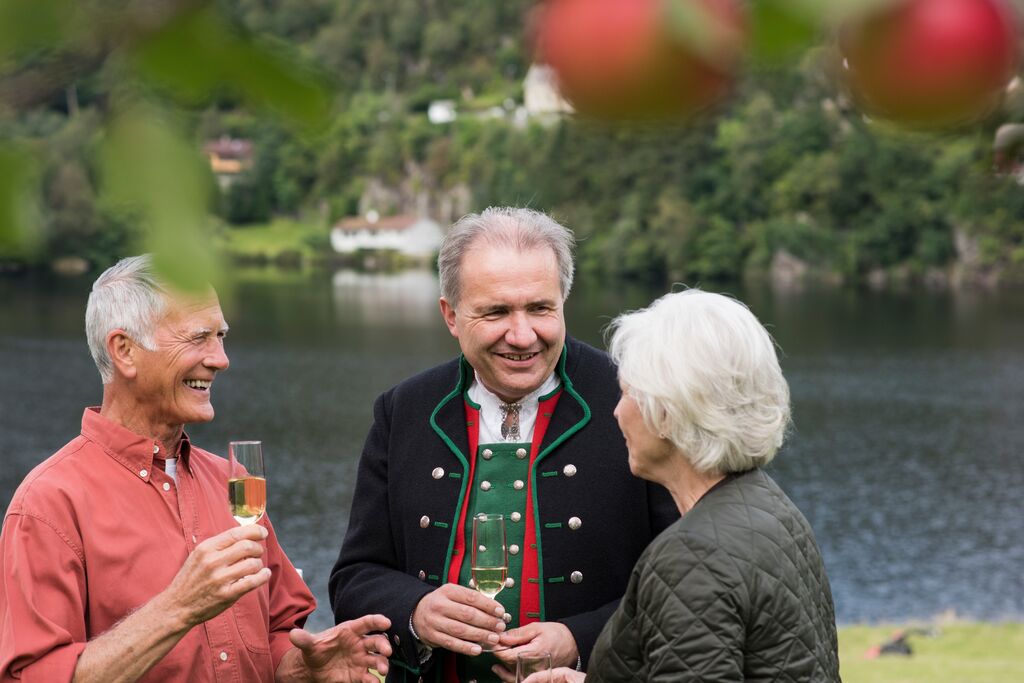
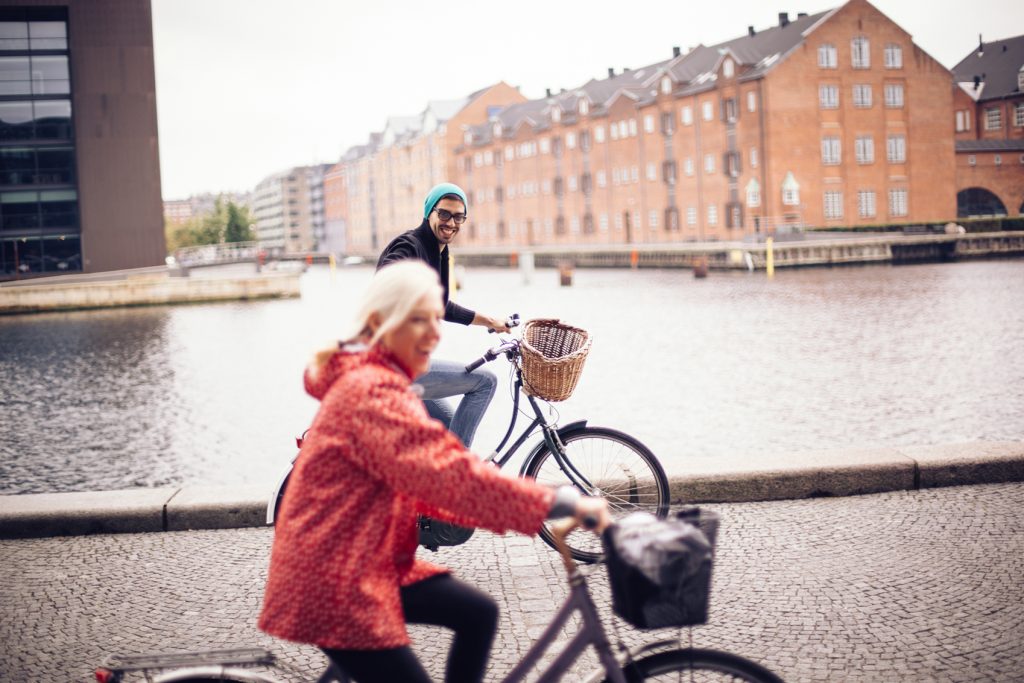
Danish can be tricky to pronounce, but you get a free pass with “Hej.” Use it walking into bars, bakeries or design shops in Copenhagen and you’ll blend right in with the locals.
Key greetings:
- Hej – hi – hi / hello
- Godmorgen – GO-morn – good morning
- Godaften – go-DAF-ten – good evening
“Hej” is casual but completely fine with shop staff, bartenders and guides.
28. Czech – Ahoj & Dobrý den
Czech splits greeting quite clearly between formal and informal. “Dobrý den” is your polite all-rounder, and “Ahoj” (yes, like “ahoy”) is what people switch to once you’ve shared a beer or two.
Key greetings:
- Ahoj – ah-HOY – hi / bye (informal)
- Dobrý den – DOB-ree den – good day / hello (polite)
Use “Dobrý den” going into shops or restaurants; “Ahoj” with people you know.

29. Hungarian – Szia & Jó napot
Hungarian looks intimidating on the page, which makes a confident “Jó napot” even more impressive. Locals often reward the effort by softening into “Szia” and treating you a little more like a regular.
Key greetings:
- Szia – SEE-ya – hi / bye (informal, one person)
- Sziasztok – SEE-as-tok – hi (to a group)
- Jó napot – yo NA-pot – good day / hello (polite)
“Jó napot” to start, “Szia” once you’re on friendlier terms.

You may also like: The best things to do in Budapest in 48 hours
30. Romanian – Bună & Bună ziua
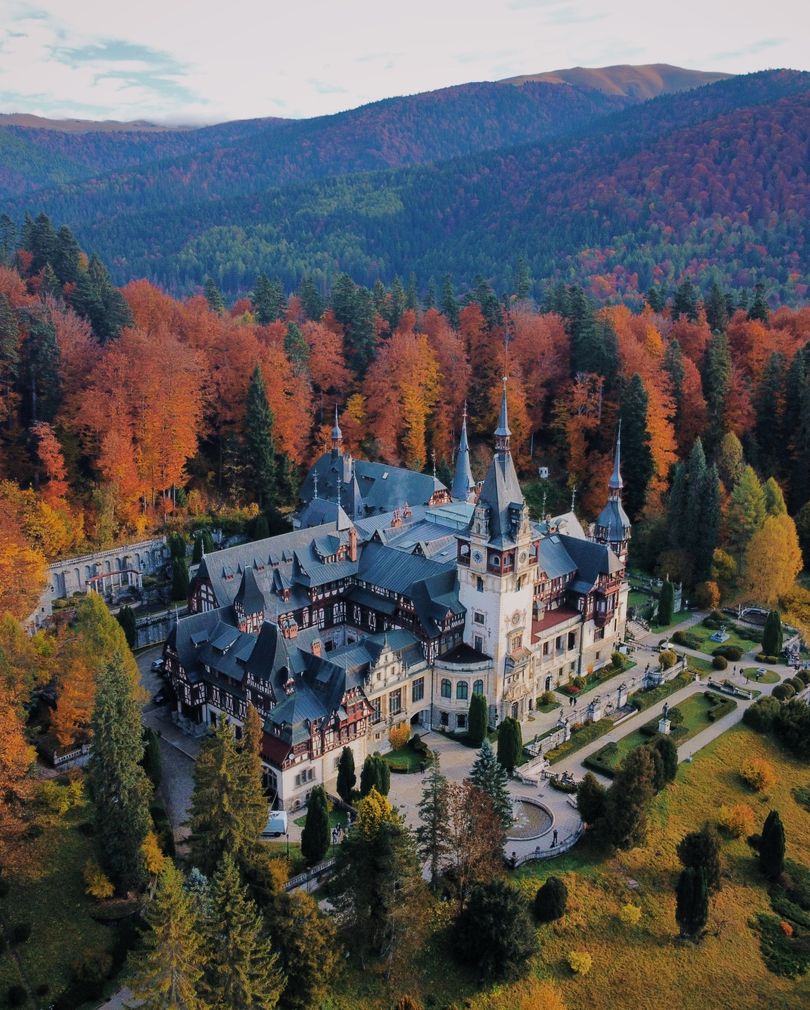
Romanian sits somewhere between Latin and Slavic, so its greetings feel both familiar and new. A polite “Bună ziua” is common in shops and offices, with “Bună” reserved for more relaxed, friendly moments.
Key greetings:
- Bună – BOO-nah – hi (informal)
- Bună ziua – BOO-nah ZEE-wah – good day / hello (polite)
- Bună seara – BOO-nah SEH-rah – good evening
Use “Bună ziua” when you first meet someone; switch to “Bună” with new friends.
You may also like: 14 best places to visit in Romania
31. How to say hello in sign language (ASL & BSL basics)
There isn’t one single “sign language” – every country (and sometimes region) has its own. But if you’ve ever wondered how to say hello in sign language, here’s a simple, travel-friendly overview:
American Sign Language (ASL)
Used widely in the United States and parts of Canada.
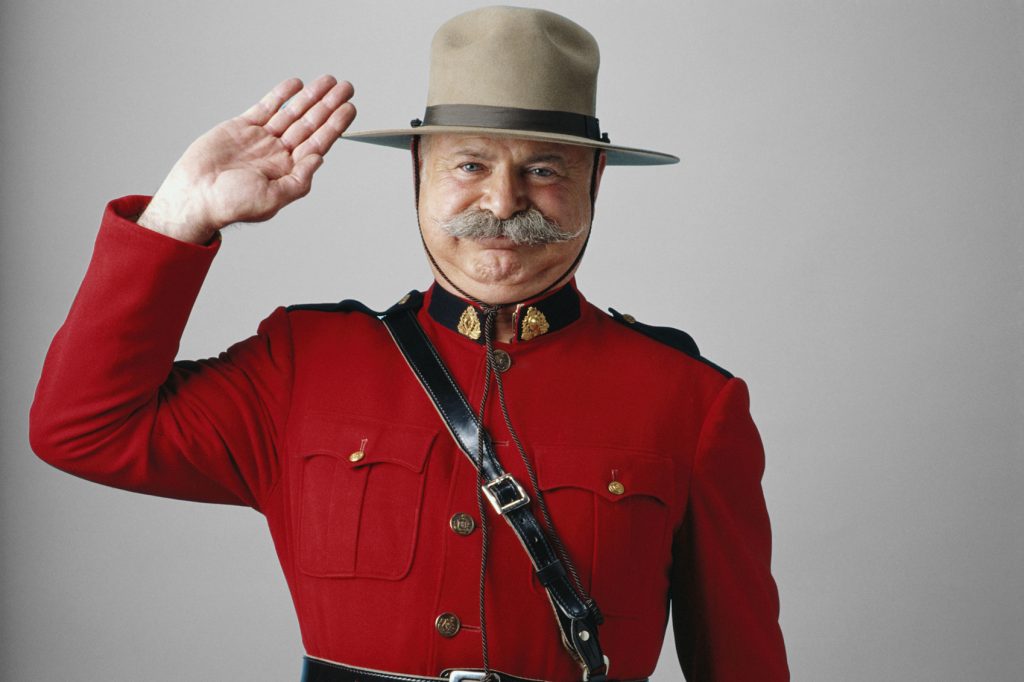
- Make a flat hand, palm facing out.
- Touch your fingertips to your temple.
- Move your hand outward in a small salute-like motion.
That’s “HELLO” in ASL: friendly, clear, and easy to remember.
British Sign Language (BSL)
Used in the UK, and it’s not the same as ASL.
One common casual greeting is to wave one hand lightly, palm facing out, like a relaxed “hi”.
There are more formal variants, but as a hearing visitor, a small friendly wave plus eye contact, and then slowly speaking, is a good start. If someone signs at you more extensively, you can smile and say (or write) that you don’t know sign and would love them to teach you one or two signs.

You don’t need to be fluent to connect with people. A realistic travel toolkit might be:
- 1–2 greetings in the local language
- A “please” and “thank you”
- A friendly smile and patience when things are slow or confusing
If you remember just that, plus a few of the phrases above – from how to say hello in Polish or Mandarin, to how to say hello in Turkish, Italian, Hebrew, and even hello in sign language – you’re already doing more than most visitors.
And that tiny effort? It often turns a standard transaction into a real moment of connection.