



South Korea is a country that rewards the curious with its energetic blend of old and new. One minute you’re weaving through neon-lit streets past sizzling street food stalls, and the next you’re standing in front of a centuries-old Buddhist temple in the forest. Modern cities rise fast and loud, while islands, mountains and historic towns move to a quieter beat.
Read on to discover our list of the best places to visit in South Korea. Many of these highlights feature on Trafalgar’s Best of South Korea trip, making it easy to experience ancient capitals, coastal cities and natural landscapes in one well-paced 10-day journey.
1. Seoul
Most flights land in this capital of contrasts
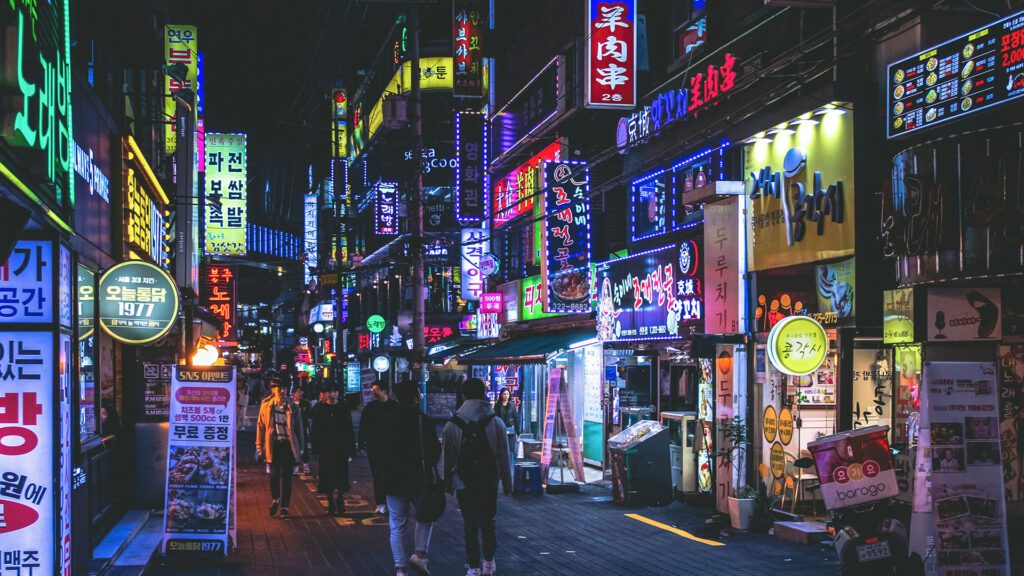
Palaces and pop culture collide in South Korea’s modern capital. You can’t skip the ancient Gyeongbokgung Palace, a historic anchor for the city where guards still march in Joseon-era dress. The Changing of the Royal Guard ceremony is a photogenic ritual that brings a past dynasty to life!
A short walk away, Bukchon Hanok Village climbs the hillside in narrow lanes lined with traditional wooden homes (some are more than 600 years old!). For perspective, head up to N Seoul Tower and take in the scale of it all, or slow things down with an evening walk along the Cheonggyecheon stream, a calm ribbon cutting through downtown.
Besides the sights, Seoul is a fantastic place to eat. For a street food feast, step into Gwangjang Market for mung-bean pancakes, kimbap and bowls of hand-cut noodles. On Trafalgar’s Best of South Korea itinerary lucky guests join a guided market tour to explore bold Korean flavors and see how history and cuisine intersect.
READ NEXT: South Korean food: top traditional dishes you need to try
2. Gyeongju
The ancient capital is still quietly impressive
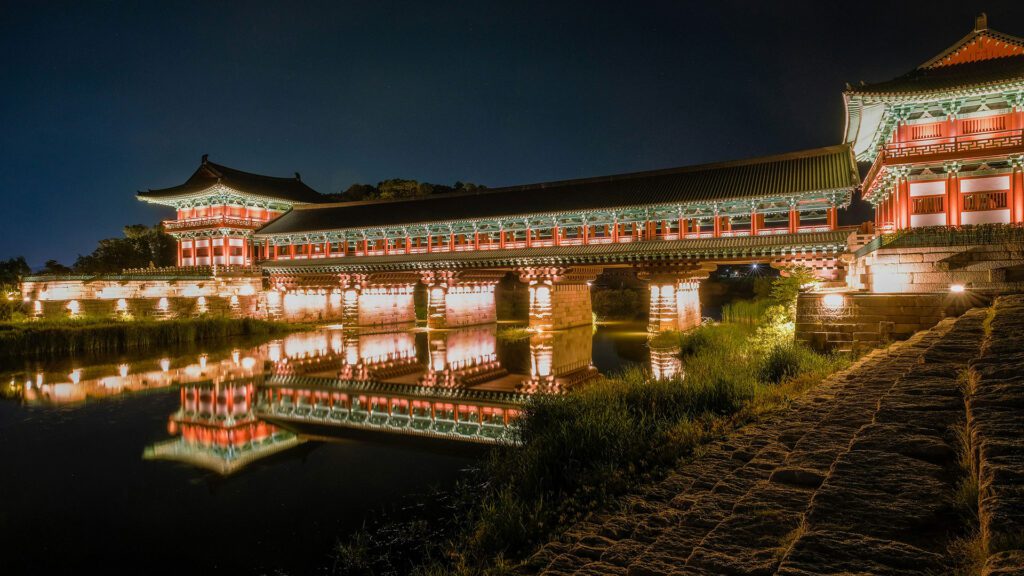
Once the capital of the Silla Kingdom for nearly a thousand years, this small Korean city is a must for history lovers. Royal tombs scatter the centre at Tumuli Park, rising from the grass as smooth, grassy mounds best explored by bike or on an unhurried walk at golden hour, when the city slows.
Gyeongju’s spiritual heart is Bulguksa, a finely balanced Buddhist temple complex and UNESCO World Heritage Site with stone bridges, pagodas and courtyards. A short drive away, Seokguram Grotto shelters a serene granite Buddha gazing toward the East Sea. Finish your sightseeing with the elegant Woljeonggyo Bridge, a faithfully restored Silla-era covered crossing.
For further context, the Gyeongju National Museum brings the era into focus with gold crowns, delicate jewellery and sculpted Buddhas. These artifacts are a chance to see the city’s remarkable craftsmanship of past.
3. Jeju Island
Think volcanic, artsy landscapes and nature escape
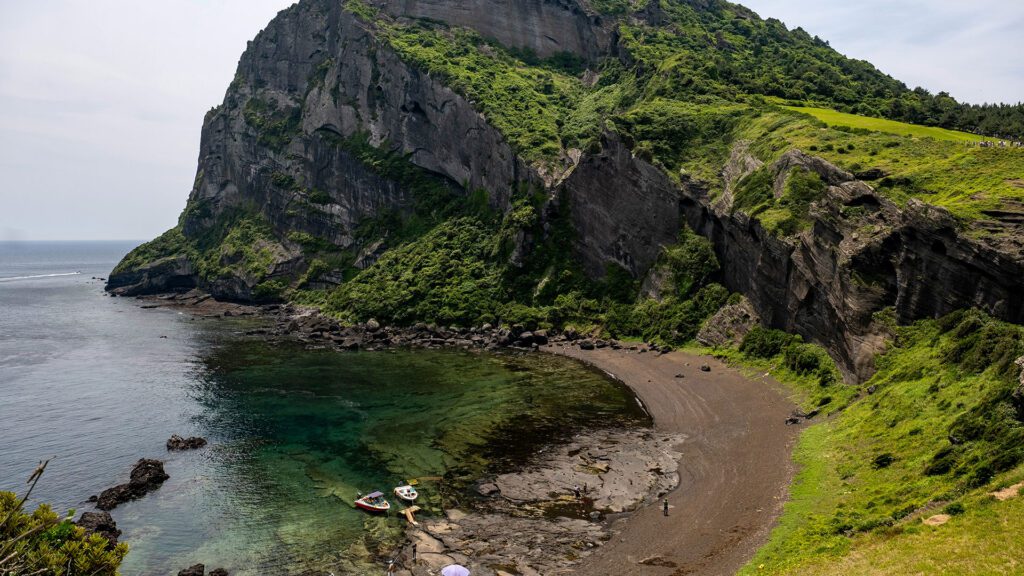
Jeju Island is a world apart from mainland South Korea. Jump on a short flight (or take a leisurely ferry ride) to reach the volcanic isle, where Hallasan, a shield volcano, rises from the landscape. Surrounding it is Hallasan National Park, with trails winding through forest, rock and alpine scrub. Or stick by the coast where dramatic lava cliffs drop straight into the sea and stone statues known as dol hareubang watch over villages and fields.
Visit a haenyeo museum to learn about the island’s famed female free divers, or stop at a local farm where green tea grows in neat rows. Round out the adventure with half a dozen contemporary art galleries and museums. Jeju is a place to slow down, go with the flow (and the weather), and reconnect with nature.
4. Busan
South Korea’s second-largest city is a colorful port town
South Korea’s second city has a totally different vibe to Seoul. In coastal Busan, hills tumble toward the water where fishing boats crowd the harbor. Here you can’t skip the city’s most photographed stop, Gamcheon Culture Village. This colorful neighborhood of painted homes are stacked like patchwork about the port.
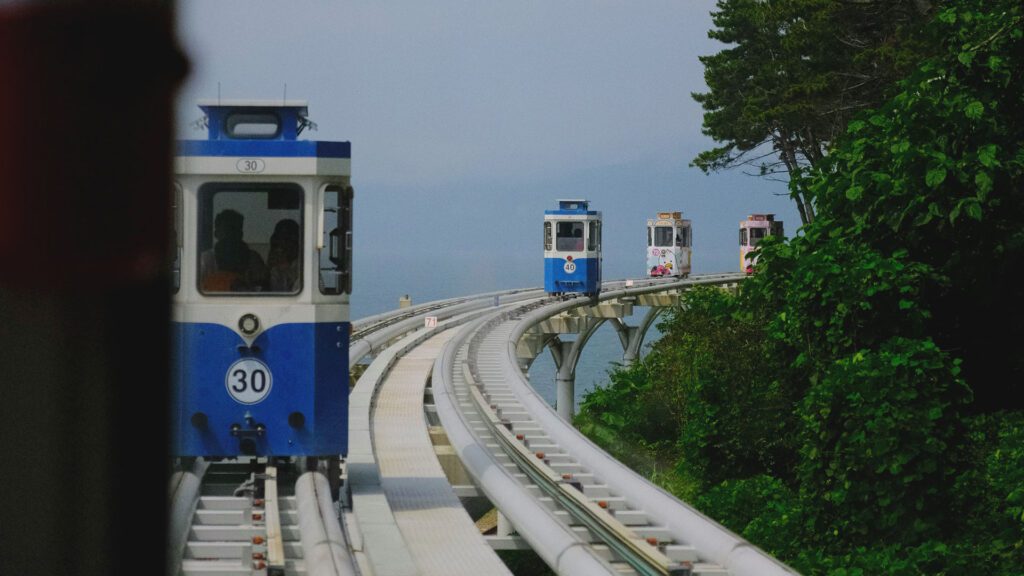
For a different view, ride the famous colorful Busan Sky Capsule along the coast. These slow-moving colored pods skim the shoreline between Mipo and Cheongsapo. Or from the harbor, a short ferry ride offers another angle on the city.
By the waterfront is where you’ll find Jagalchi Fish Market, which shows off Busan’s full identity with bubbling fish tanks and vendors shouting about the catch-of-the-day. For something more peaceful, visit Haedong Yonggungsa. This rare seaside Buddhist temple was built directly into the rocks, offering a spiritual place where waves crash below as lanterns sway above.
READ NEXT: The ultimate South Korea itinerary: how to spend the perfect 10 days
5. Andong
Where Confucian tradition still shapes daily life
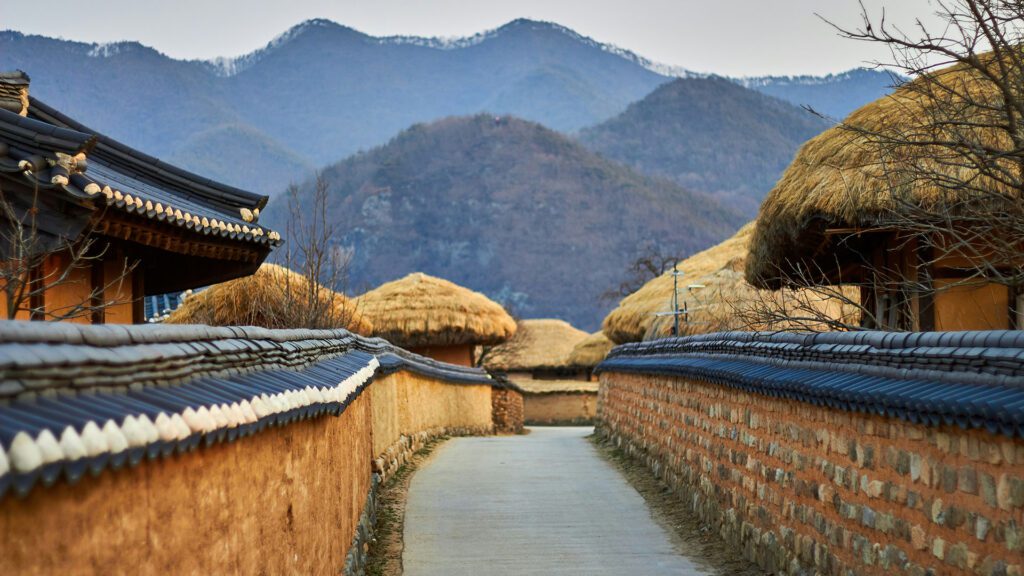
Andong is the cultural soul of Korea, a place long known as a centre of Confucian learnings and Joseon-era values. On Trafalgar’s Best of South Korea trip guests visit Dosan Seowon, a Confucian academy established by revered scholar Toegye Yi Hwang in the 16th century. Walk in the footsteps of scholars past, and learn how Confucian values helped shape Korea’s intellectual thinking.
But the real highlight in Andong is is Hahoe Folk Village, a preserved Joseon Village and UNESCO World Heritage Site. Here tiled-roof houses sit in a bend of the Nakdong River and traditions are still practised. See clan homes arranged by social order. Then have a laugh at history at the Hahoe World Mask Museum. Discover an extraordinary collection of handcrafted masks, used for Korea’s beloved mask dance drama – a traditional form of satire and storytelling.
6. Korea’s Demilitarized Zone (DMZ)
A rare look at a divided peninsula
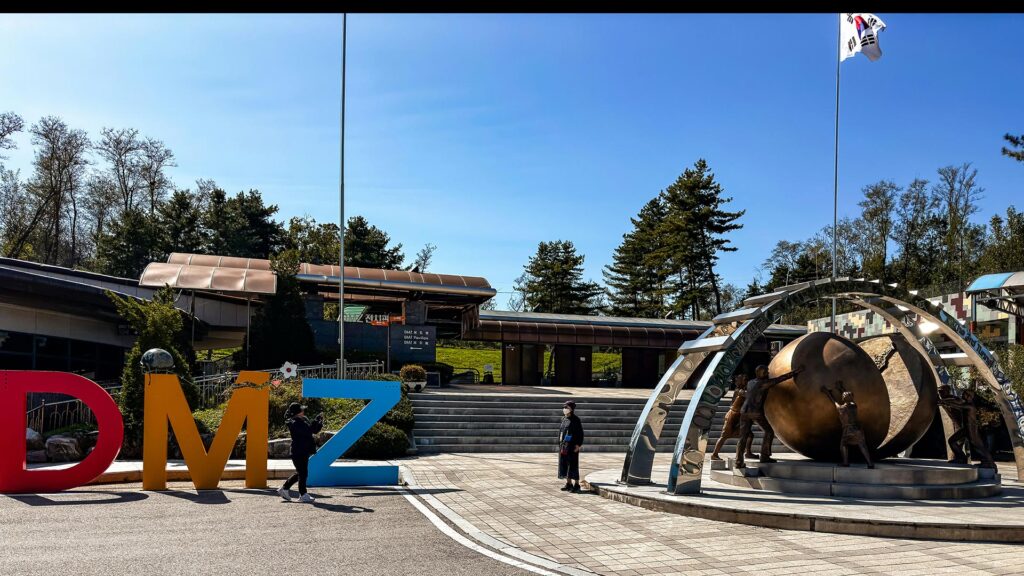
Stretching across the peninsula near the border with North Korea, the story of this heavily guarded zone is still unfolding. Visits are tightly controlled and from observation posts you can look across into the North. With Trafalgar you’ll board a military shuttle and listen as a Local Specialist shares insight into the turbulent history.
Visits to the DMZ constantly change, but you’ll likely visit the Third Infiltration Tunnel, an underground passage uncovered in the 1970s and one of several secretly dug beneath the border.
7. Seoraksan National Park
Expect granite peaks, quiet temples and serious mountain drama
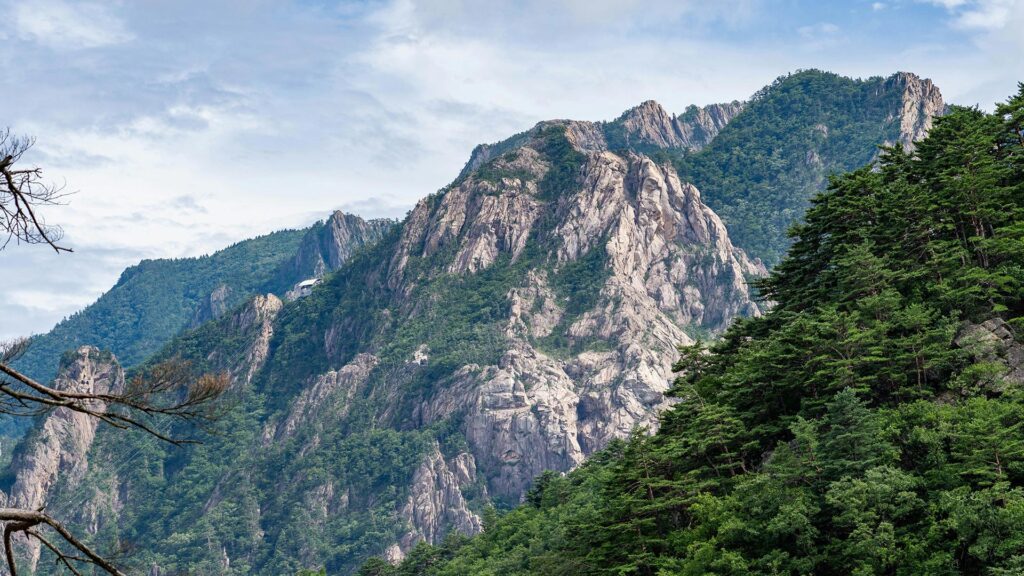
If you like dramatic landscapes, add Seoraksan National Park to your itinerary. In the northeast corner of South Korea, about a three-hour drive from Seoul, the reserve protects jagged granite peaks and dense forests where valley streams flow towards the East Sea.
Even if you’re short on time, the views make the journey worthwhile and cable cars whisk visitors to higher vantage points in no time. Well-marked trails will lead you to waterfalls, suspension bridges and panoramic lookout points. Time your visit for autumn when the park erupts in fiery foliage, or spring for the wildflowers.
READ NEXT: Best Time to Visit South Korea
8. Boseong
Fragrant green tea fields await
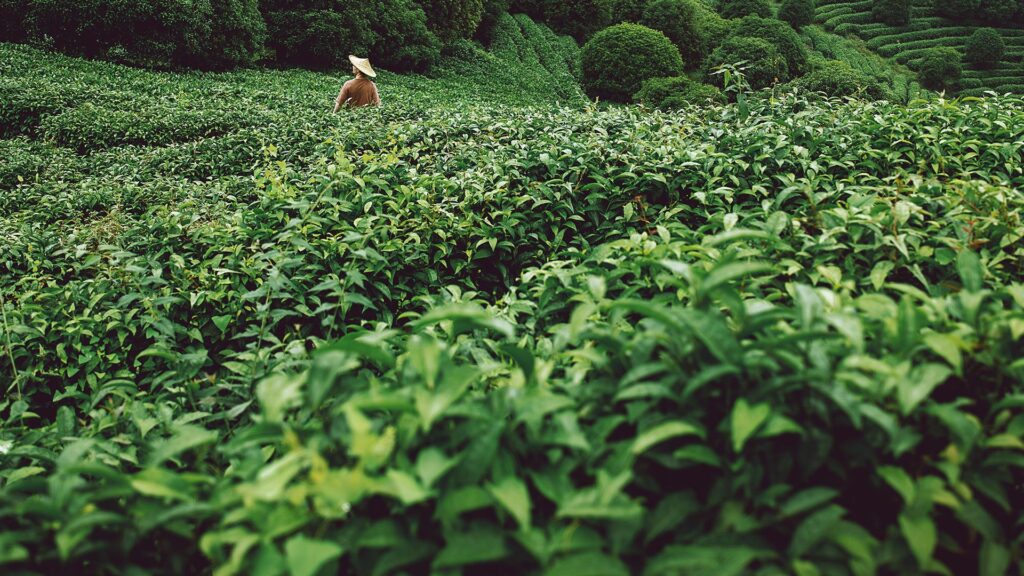
Four hours south of the capital you’ll find gentle hills carved into perfect rows, a landscape of green tea bushes that stretches as far as the eye can see. Go early to see morning fog clinging to the terraces and wander between the rows. Snap photos from elevated walkways then pause to sip a cup of locally grown tea.
If you’re really curious, seek out the local museum and a tea plantation tour to learn more about how tea farming has shaped life, culture and the economy in this region for centuries.
That’s our list of the best places to visit in South Korea. Let us know in the comments where you’re most excited to visit…