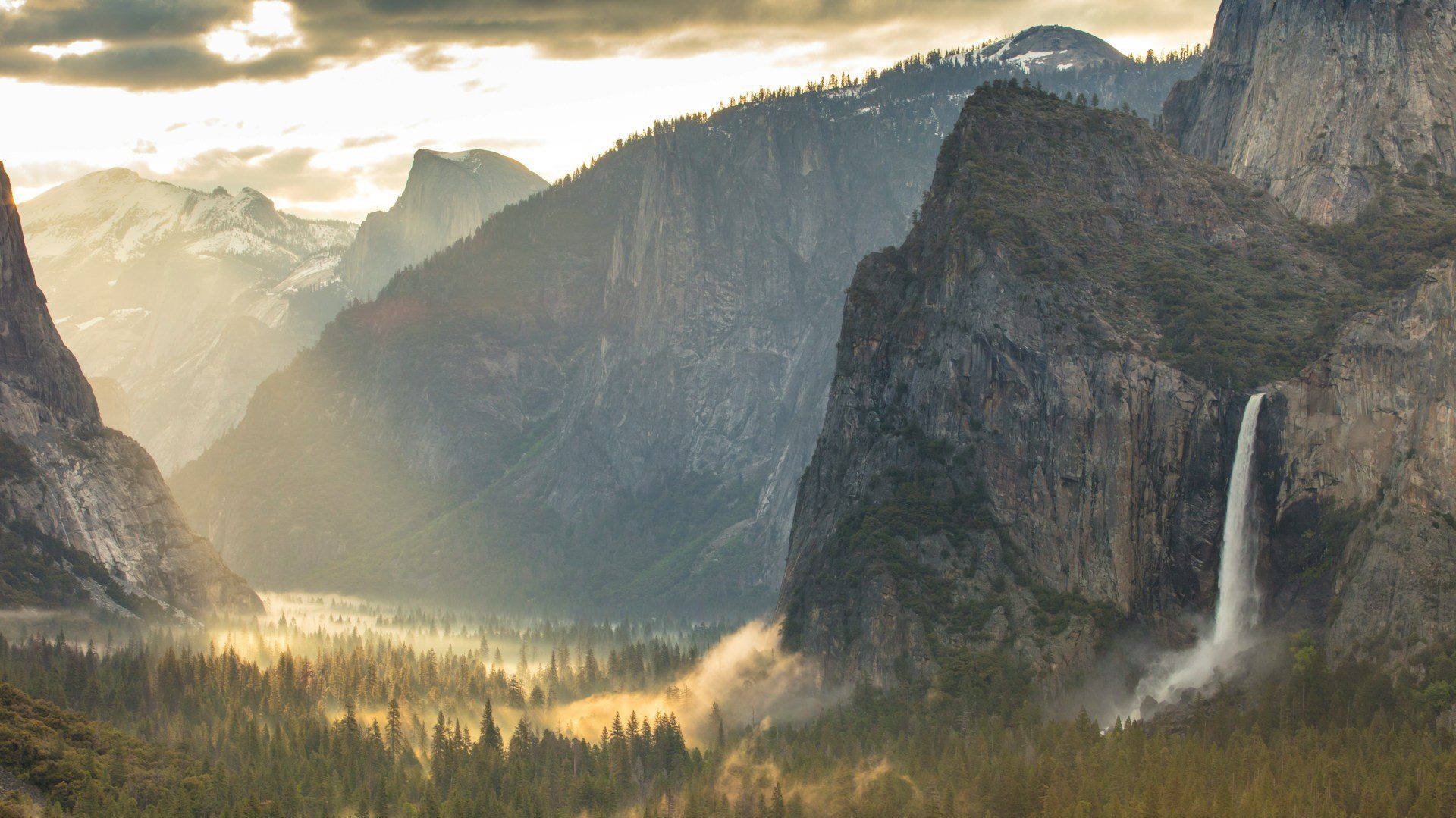


The aroma of sun-toasted cedar. The distant roar not of traffic or aircraft, but of waterfalls of snowmelt tumbling hundreds of feet through the air. The out-of-body feeling that you have been shrunk — your sense of your own physical presence distorted by the colossal scale of the landscape that surrounds you, like an ant who’s unwittingly found itself in the nave of Notre-Dame Cathedral.
There are few places in the USA that inspire a visceral sense of awe quite like California’s Yosemite National Park. Every year, millions of visitors arrive for a glimpse of the looming of El Capitan, to stand beneath Bridalveil Fall or watch sunrise gild the brow of Half Dome. But according to Cory Goehring, the real magic of Yosemite lies beyond the postcard views. “A lot of people don’t realise that the bounds of Yosemite stretch over 1,000 square miles of the Sierra Nevada mountains, 99% of which is virtually untouched”, he says. “Public lands like this are one of the most valuable things on the planet. My mission is to get everyone just as excited about them as I am.”
For the past 18 years, Cory has devoted his career to helping visitors see Yosemite through fresh eyes. As Outdoor Programs Manager and Senior Naturalist for Yosemite Conservancy — the nonprofit partner that has supported the park since 1923 — he oversees more than 1,000 educational experiences every year, from guided nature walks to multi-day wilderness expeditions studying endangered wildlife.
His work sits at the intersection of conservation and storytelling: protecting Yosemite not just through restoration projects and scientific research, but by helping people fall in love with the place itself.
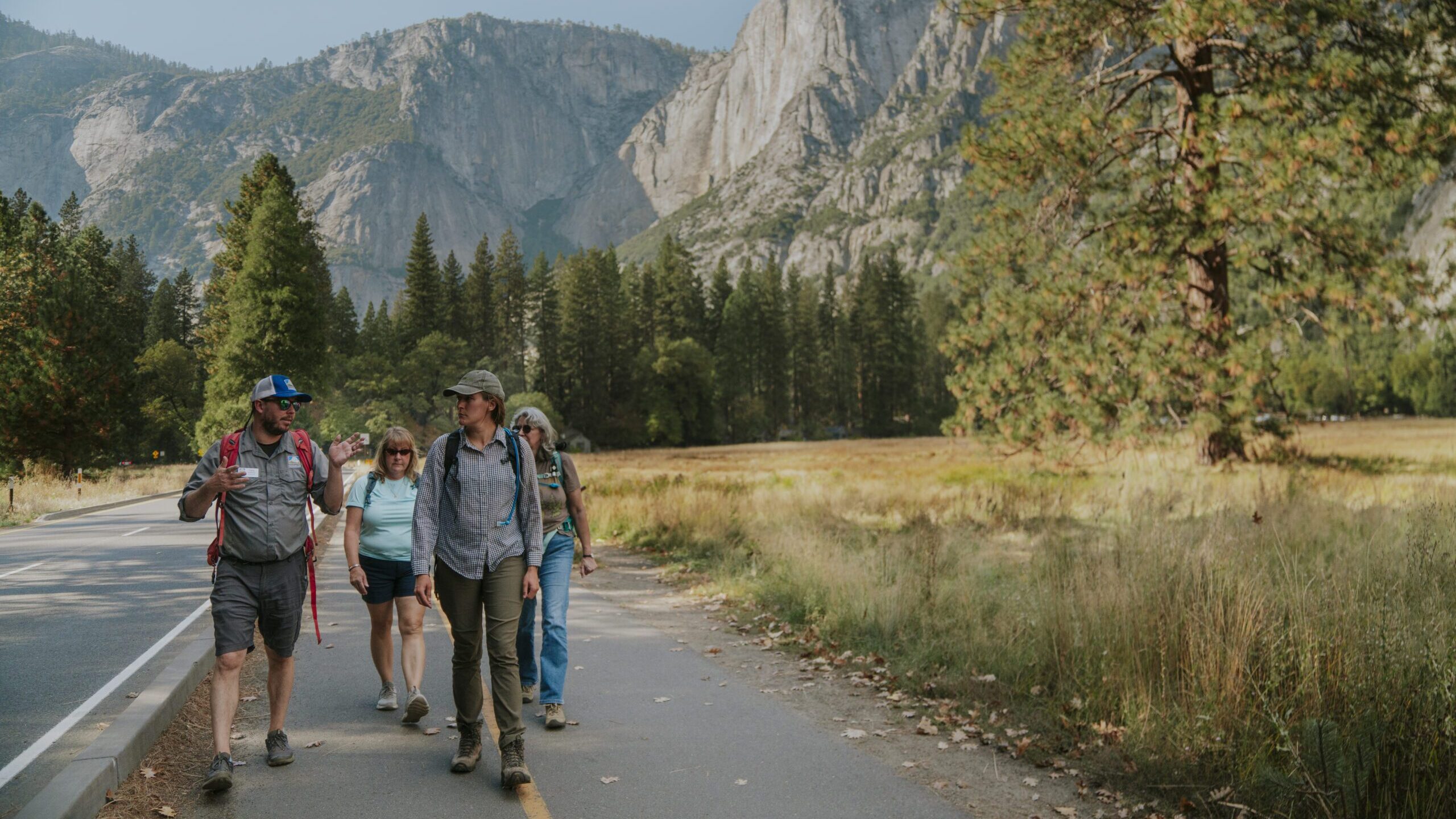
“You can’t walk up to a ranger and hand them a cheque”
Long before national parks had nonprofit partners, Yosemite led the way. Founded in 1923, Yosemite Conservancy was the first organisation of its kind in the United States, beginning with a single ambitious idea: helping visitors better understand the park through education. “We actually started because one ranger-naturalist, Ansel Hall, made it his mission to build a museum here, to showcase Yosemite’s unique history and biodiversity” Cory explains. More than a century later, that mission has grown far beyond the museum walls.
Each year, the Conservancy contributes between $15 and $20 million towards Yosemite, funding everything from habitat restoration and wildlife research to visitor facilities and educational programs. Recent projects include the restoration of Bridalveil Fall, while ongoing work supports studies into great gray owls, Sierra Nevada yellow-legged frogs, black bears and countless other species that call Yosemite home. “You can’t walk up to a ranger and hand them a cheque to improve the park,” says Cory. “That’s why nonprofit park partners exist.”
For Cory, though, success is measured as much in the moments that inspire visitors, as it is in research grants or restored trails.
“Every single person is a naturalist”
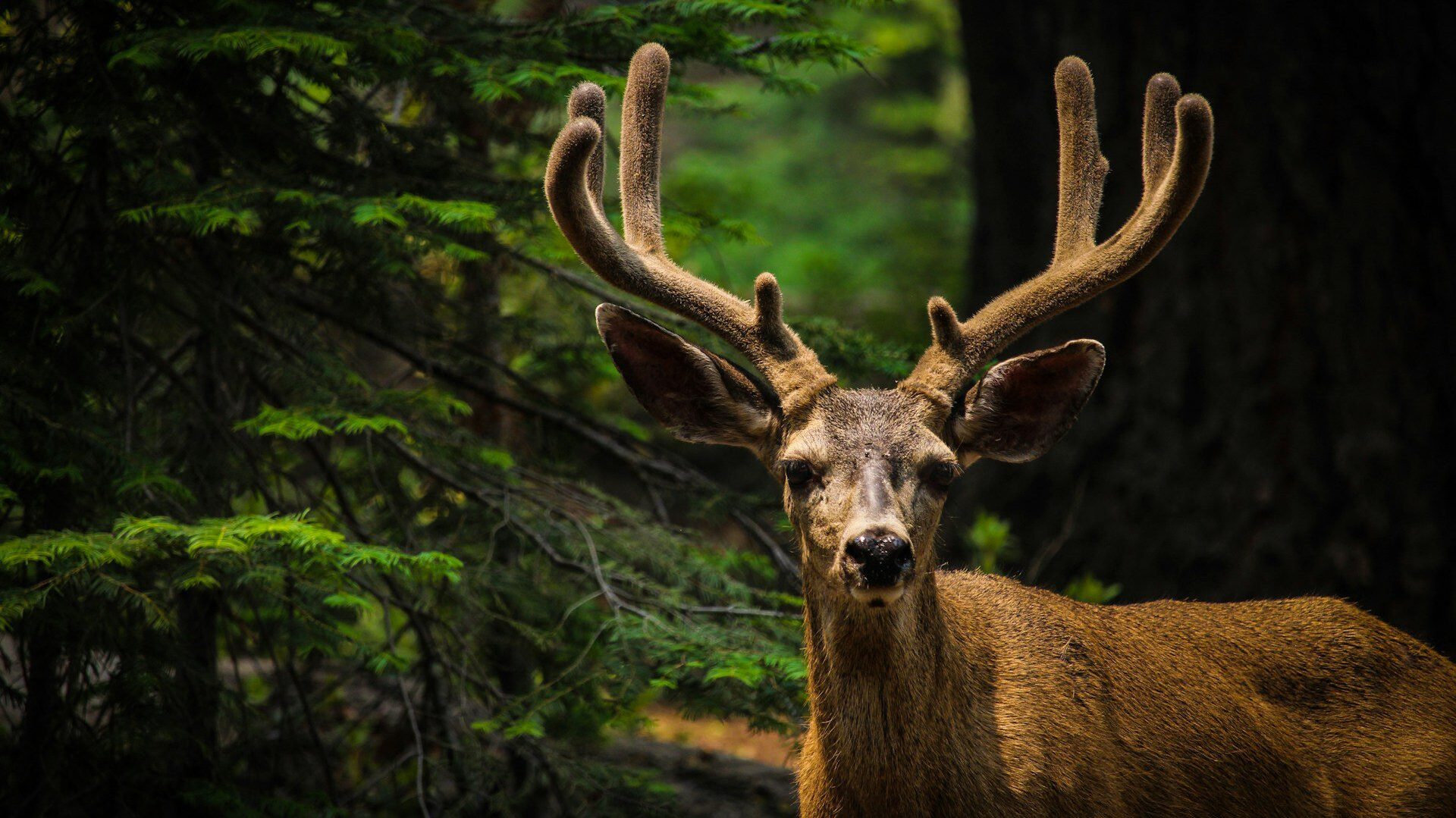
Ask Cory what motivates him to get out of bed every morning, and he’ll give you the simplest answer first: “My two-year-old son,” he says with a chuckle. Beyond family, however, there’s one word that has shaped almost every decision in his career: curiosity. “I think when people hear the word ‘naturalist’, they imagine someone who knows every Latin name and has all the answers,” he says. “I always tell people that’s not what a naturalist is. Every single person is a naturalist. It’s simply someone who asks questions.” That philosophy underpins every experience his team creates.
Whether you’re joining a gentle walk through Yosemite Valley or heading into the park’s backcountry to assist scientists monitoring bighorn sheep, Cory wants you to leave asking more questions than you arrived with. “I’m curious every single day about the natural environment,” he says. “I’m especially motivated to get people to care about it and fall in love with it.” Because curiosity, he believes, is where conservation begins.

“Why would anyone climb that?“
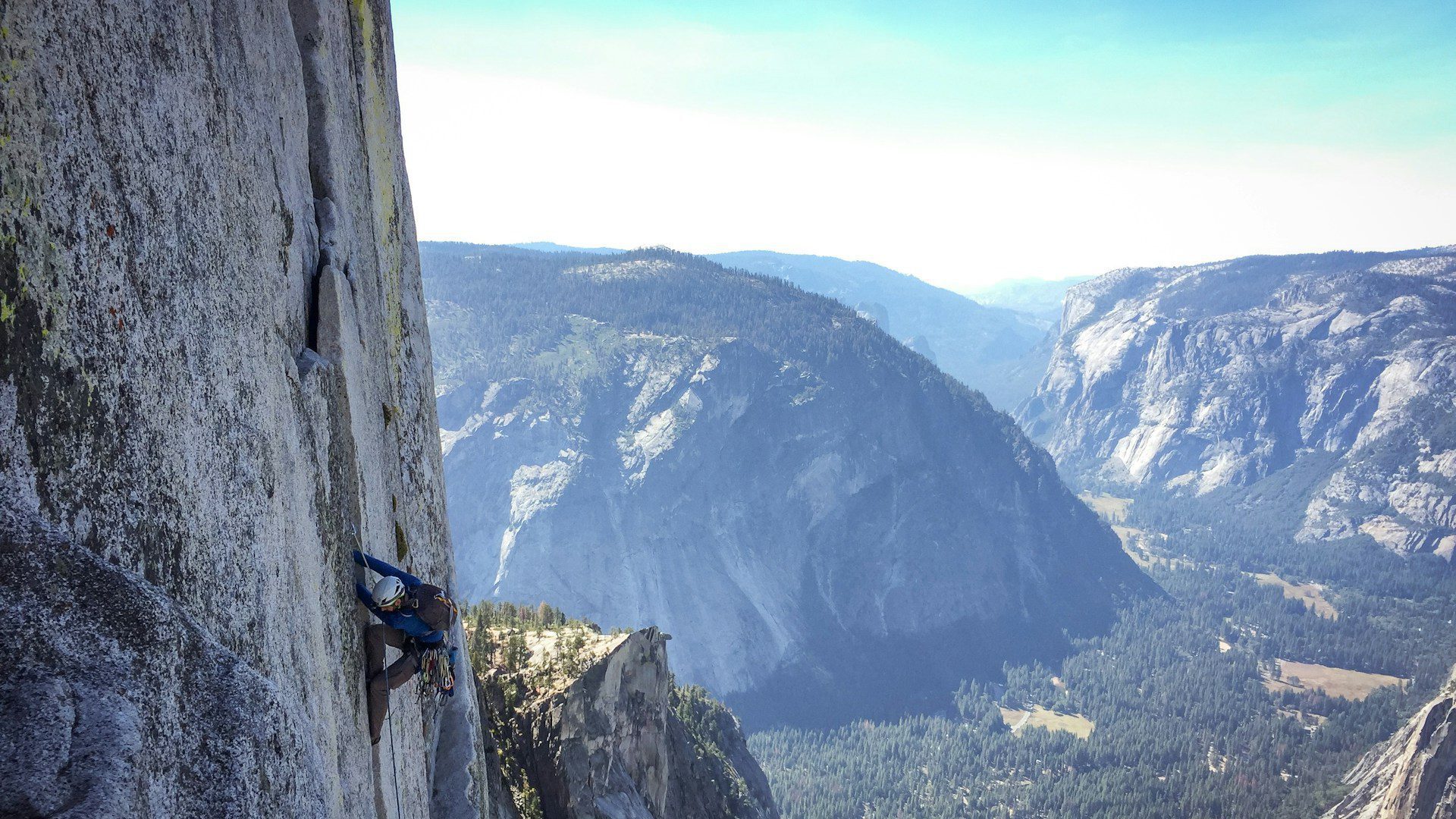
There is one sight you simply can’t ignore in Yosemite. The sheer granite face of El Capitan has become legendary among climbers and, more recently, to audiences captivated by outdoor documentaries like Free Solo. Understandably, when Trafalgar guests meet Yosemite’s climbing experts through the Conservancy, there’s usually only one question on their mind, says Cory “‘Why in the world would anyone do that?”‘
Standing beneath the towering rock face, guests peer through spotting scopes at climbers inching their way hundreds of feet above the valley floor. The Conservancy’s climbing team then unpacks the ropes, protection devices and equipment used to scale one of the world’s most famous cliffs, explaining how Yosemite became the birthplace of modern big-wall climbing.
For Cory, these experiences reveal something larger than climbing itself. “They help people understand that Yosemite isn’t just a postcard backdrop. It’s a real living place with community, where people come to feel free, to feel alive. To put themselves in the middle of all this beauty, to feel connected to something bigger.” It’s a sentiment that Cory can personally attest to.
“My happy place is waking up in a tent”
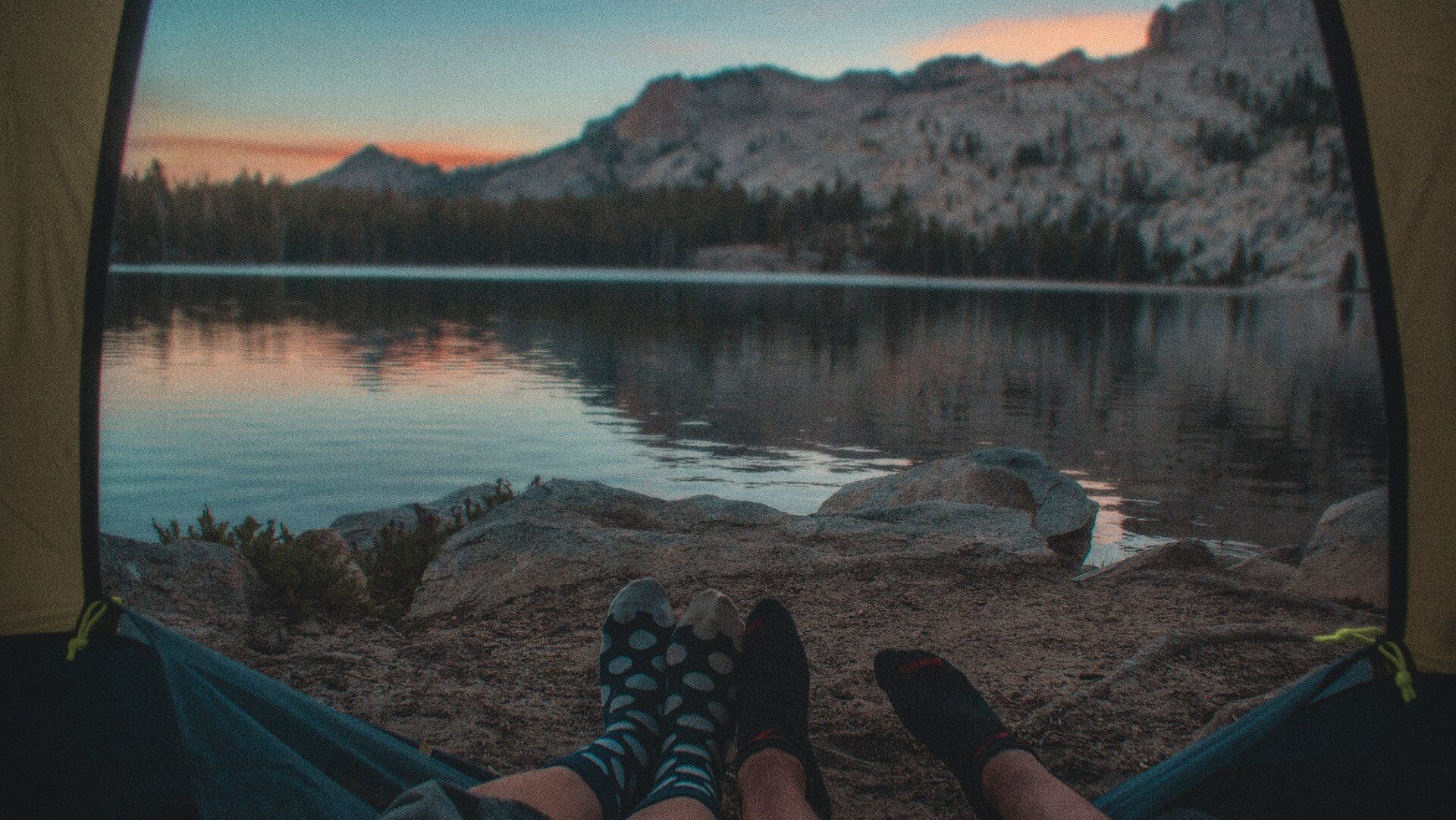
Although he spends more of his time in the office than the outdoors these days, Cory’s favorite place is refreshingly simple. “My happy place is waking up in a tent,” he says. “As soon as the first light hits, you unzip the tent, the cool air comes inside, you make a little coffee and hear the birds waking up. That’s my happy place.” Perhaps that’s why Yosemite still feels new after nearly two decades.
While millions rush between the park’s iconic viewpoints, Cory has learned that wonder often lives in quieter moments: a bird call at dawn, the changing light across a granite wall or simply taking time to notice something you’ve walked past before. Even beyond Yosemite, he encourages visitors not to overlook places hiding in plain sight. “People drive through California’s Central Valley just trying to get to the mountains or the coast,” he says. “But historically it was this incredible wetland ecosystem with millions of migratory birds. It’s a really, really special place if you slow down and explore it.”
“The more you know, the more you see”
As the world becomes increasingly digital, Cory hopes people continue seeking out places that remind them what cannot be replicated on a screen. “The greatest joy I experience in life, outside of my family, is being able to experience public lands,” he says. “I think we need to place even more emphasis on protecting natural spaces and making sure people have access to them.” That responsibility doesn’t stop at Yosemite’s entrance gates.
“Even your actions at home matter here,” he says. “Whether you’re in California or a thousand miles from here, the choices we all make affect places like Yosemite.” Ultimately, Cory believes the future of conservation rests not with scientists alone, but with ordinary people choosing to look a little closer. There’s a saying that’s echoed around Yosemite for generations, one that has become his own guiding philosophy: the more you know, the more you see.
After 18 years exploring one of the USA’s most celebrated national parks, he still believes he’s only scratching the surface. “The more I understand the science, the more I see this place,” he says. Perhaps that’s Yosemite’s greatest lesson of all: the closer you’re prepared to look, the more you’re likely find.