



If you’re traveling to the UK, typically you’re going for the castles and rolling countryside, small towns and historic sights — but rarely for what’s on the menu. Afterall, Britain and Ireland is not necessarily famed for its food scene. But is this reputation fair, or somewhat of an out-of-date stereotype? To get a frank and honest opinion, we sat down with Italian Travel Director Slim Benatia, who moved to London in 2014.
He understands the skepticism surrounding British food well. After all, in Italy, culinary heritage is all but written into gospel. But after more than a decade of leading journeys across the UK and Ireland, Slim discovered that the reality of eating in Britain is entirely different from the old-fashioned, rigid stereotypes held abroad, as he explains.
“Before I moved to the UK, I didn’t know much about British food — but what I did know didn’t exactly excite me. But when I arrived in London, everything changed.”

1. London vs. the rest of the United Kingdom
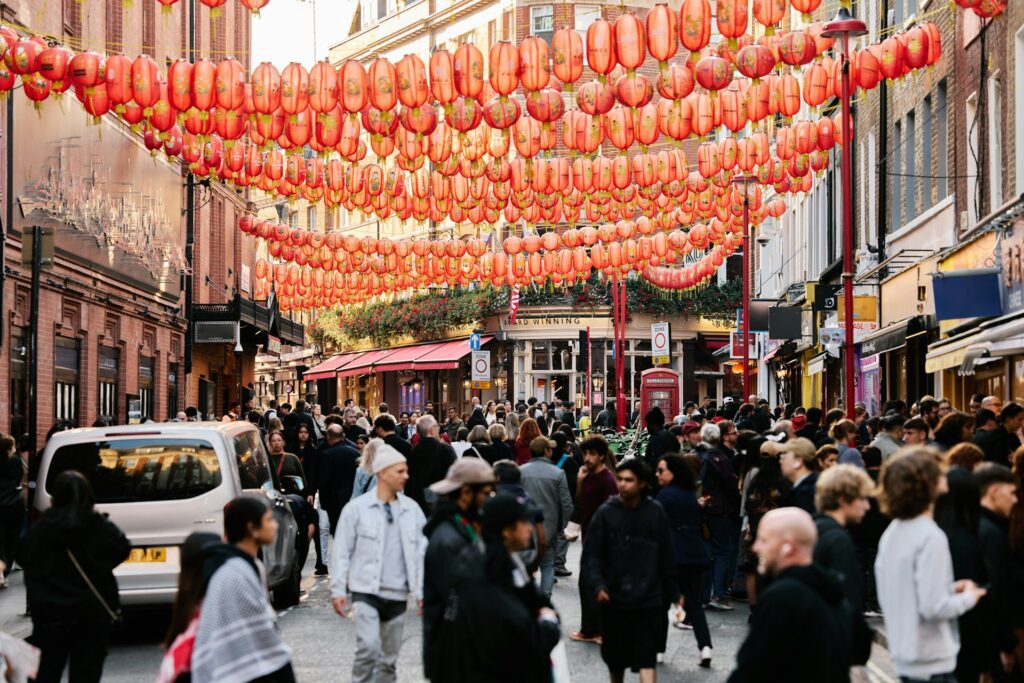
To really understand the British food scene, you have to split the geography between the culinary landscape of the capital and the rest of the UK. London operates in its own ecosystem – for centuries the city has been a landing pad for immigrants, who in turn bring their own flavors and dishes to share with residents.
As Slim reflects on his early days in the capital: “In the end, London is a multicultural city. It has 9 million people travelling from all over the world, … they make London home, and they bring their cultures into Britain. To compare London with the rest of Britain is unfair. Because they’re two different sides of the country.”
If you look back far enough, you’ll find the Romans founded the city in AD 47. Religious refugees arrived in the 16th and 17th centuries, and Indian sailors and Chinese merchants landed in the late 18th-century. Post-war the UK brought workers from the Caribbean and British colonies to fill staffing shortages, and later waves of migrants arrived from Eastern Europe and beyond. Now? One-third of all foreign-born residents in the UK live in the capital.
2. British spuds and the Italian tomato myth
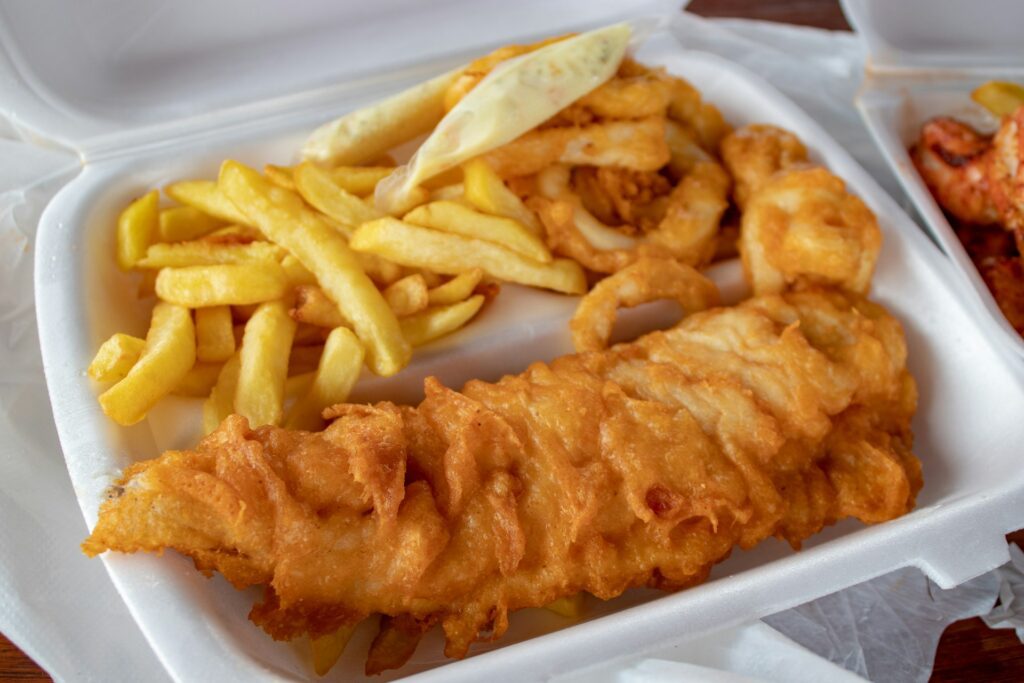
Beyond London, it’s true that British food relies heavily on a love for simple, unpretentious and comforting ingredients. While an outsider might look at a classic fish and chips order and see nothing more than two elements or basic pub fare, some attention to detail and local produce can make all the difference. Slim says that even the most traditional Italian cooks have noticed the quality of British agriculture.
“I know some Italians from the north who have frying shops,” says Slim. “They always talk about the quality of British potatoes. They’d only ever buy British spuds (potatoes) for chips, as they’re the best type for frying — fluffy and light.”
As well as enjoying food as a diner, Slim is also interested in the history and provenance of food, and how certain ingredients — like the British potato — came to be representative of a national culinary repertoire, even if it didn’t originate there.
“Even an Italian staple, like the tomato, that we put almost everywhere in our dishes is not actually Italian. It comes from South America. They brought this [so-called] devil fruit and they made it Italian.”
READ NEXT: How to plan the ultimate stress-free trip
3. British cuisine is constantly changing, evolving
“I believe what makes British food good in the past, probably 50 or 80 years, is the adaptation to the new cultures…,” says Slim. “In a place like London, you can go out and eat Italian, and then you eat Greek, and then Thai… I’m a big believer that London is the food world capital.”
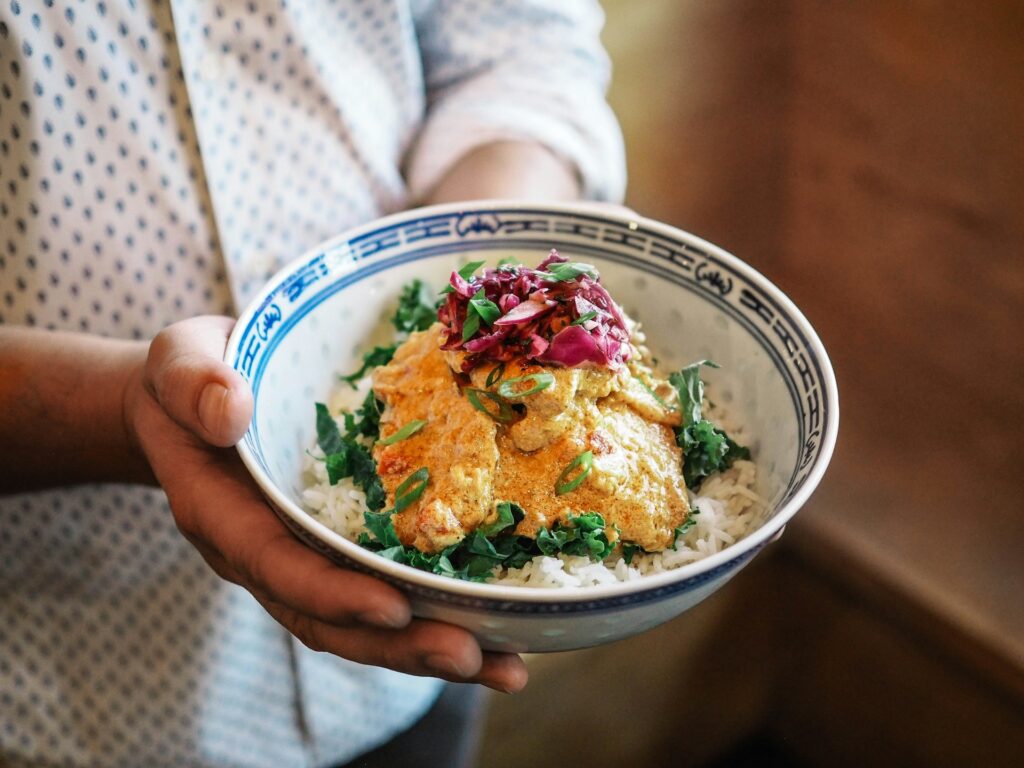
While classic British cooking has its own triumphs, perhaps what makes it so interesting moving forward is a willingness to change, adapt, experiment. People have brought international flavors to London, and over time that spreads to smaller cities and towns until it becomes a national tradition. Just look at British-Indian dishes invented here, like chicken tikka masala and coronation chicken.
4. The Italian fear of change vs. the British looking ahead
For Slim, this willingness to evolve is precisely what sets the UK apart and creates an interesting contrast between Italy and Britain.
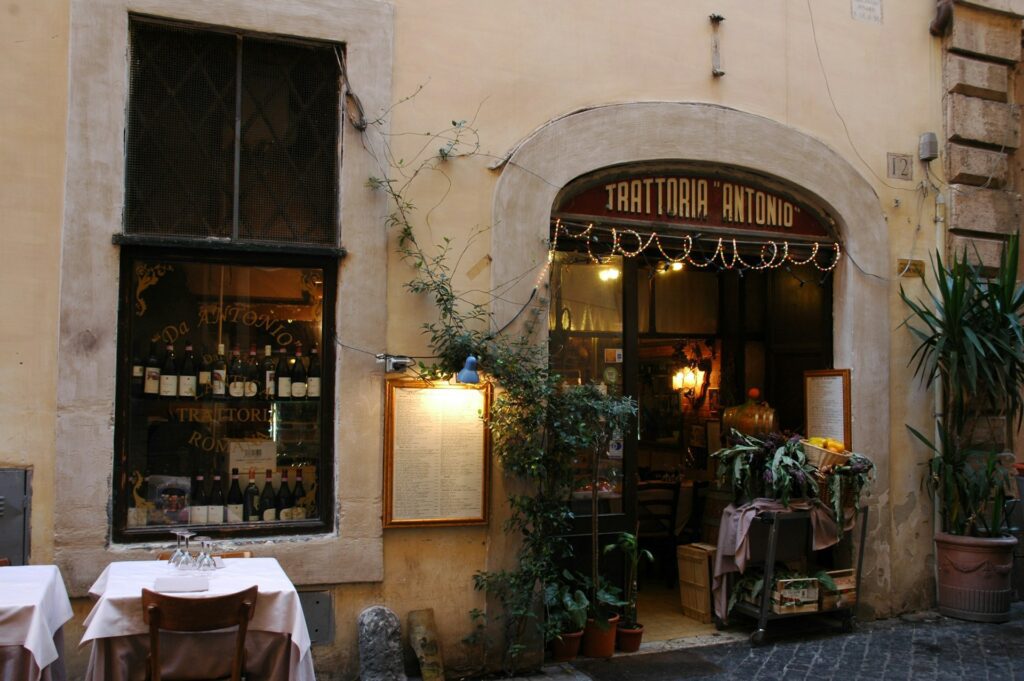
In Italy, recipes are fiercely guarded and protected in their truest form. While this preservation keeps traditional and regional dishes in tact, it kills creativity and creates anxiety towards culinary experimentation
“Italy keeps the traditional food the way it is because they are scared of adaptation. It’s nice in a traditional way [to use] local produce — yes, our food doesn’t need adaptation,” he says. “[But] what makes Britain a step ahead than other countries is the adaptation.”
5. Life on the road – food across the UK
When you leave the big cities and travel deep into the regions, the food scene shifts to become simpler or more regional. Slim likes to find local specialties tied to the geography when he can – and Edinburgh is a particular favorite of his.
“You’ve got nice fish and chips in Edinburgh, being a city on the sea,” says Slim.
But Scotland’s famous specialty is too strong of a flavor for him: “Haggis is a mixture of different offal. I don’t think it’s something that I personally dislike, it’s just too strong in flavor. I know that some people in Scotland have it for breakfast as well!”

6. Fuel up at breakfast
Ultimately, understanding a country’s food culture requires looking at how it fuels its days.
“For us in Italy, breakfast is a pastry and is a cappuccino or a coffee,” says Slim. That’s in stark contrast with a heavy traditional British breakfast. “…fried eggs, a sausage, beans on toast, a mushroom and bacon… you have all that food to give you energy, probably for the day.
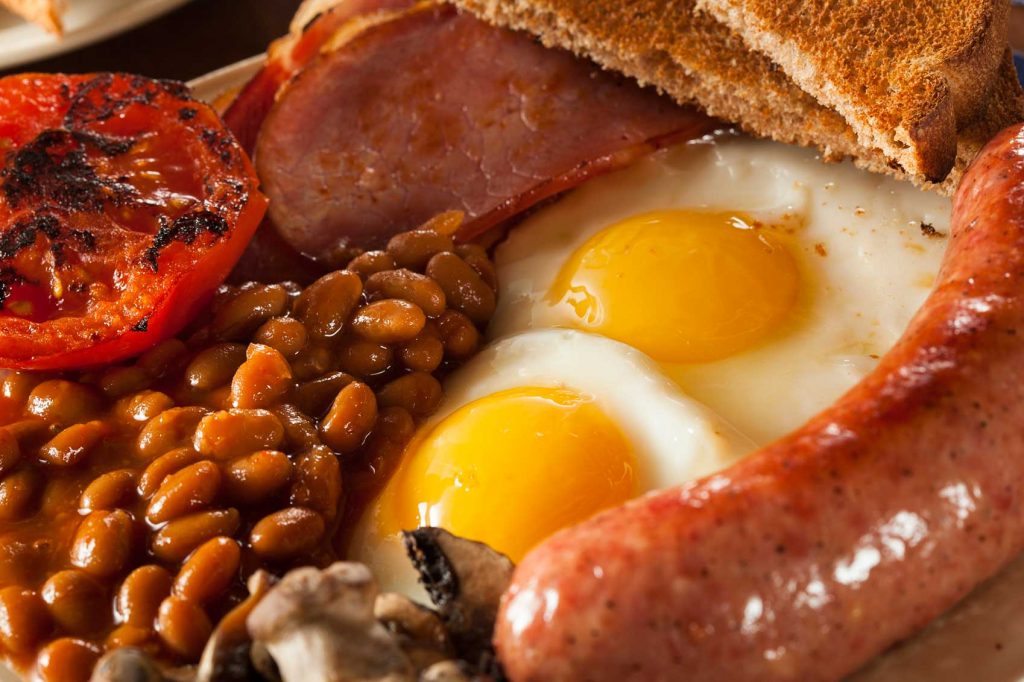
“I’ve noticed that here, breakfast is bigger than lunch. [Lunch] here mostly is a sandwich or a pasty or something small, just to hold on until tea,” says Slim. He says dinner is the largest meal in the UK, which is something he’s started to do and adapt to at home as well.
“Overall, what I think makes this country good in food is the diversity.”
So that’s what our Italian travel expert Slim Benatia thinks of British food! Do you have anything to add? Leave us a comment….